One Misstep After Another
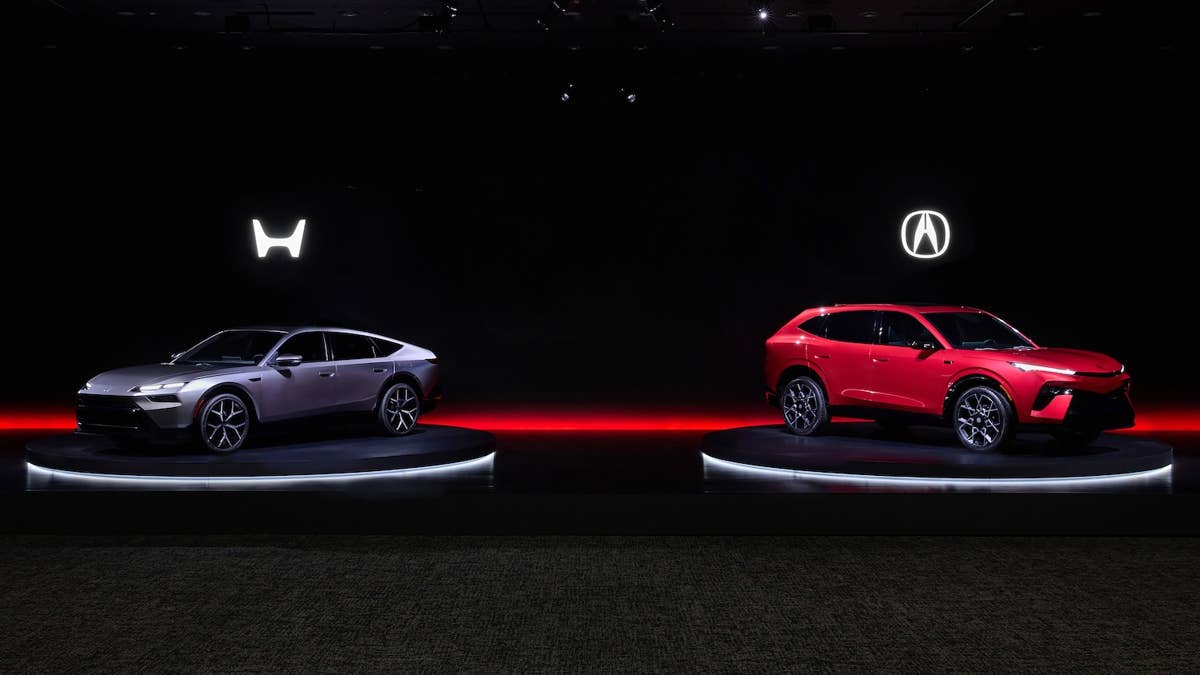
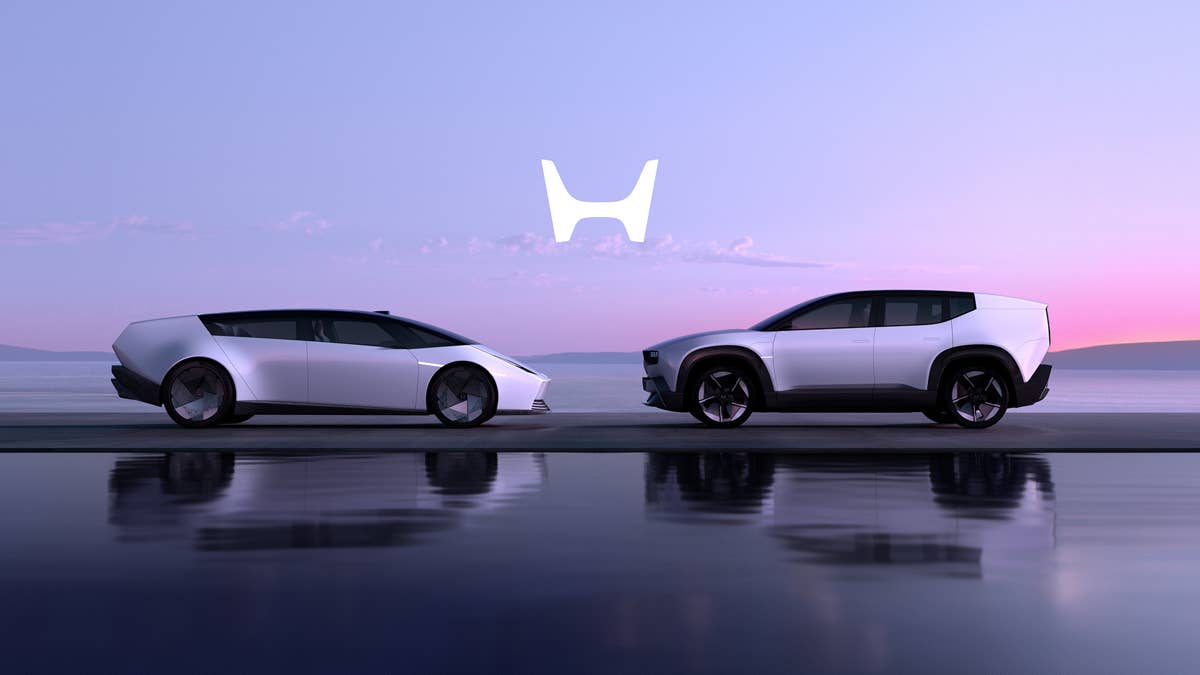
Uncharacteristic of Honda, Japan’s second-largest automaker had its fair share of missteps over the last few years. The decision to go all out and all in with EV development had already cost the company dearly, only for it to be canceled with no chance to recoup that investment. Its partnership with Sony had also crumbled, so the promising Afeela won’t ever see the inside of a showroom.
As a result, Honda suffered its first loss in nearly 70 years in the aftermath of the financial year 2025-2026. CEO Toshihiro Mibe was under fire in the recent shareholders’ meeting, profusely apologizing for what happened under his watch. But this is Honda we’re talking about, and it’s begun taking steps to bounce back.
Recovering Nicely
The Japanese automaker recently published its financial report, and it’s good news. After six successive quarters of diminished profits, Honda has reported a rise in profits for the first quarter of financial year 2026-2027. From 244.2 billion yen in the first quarter of the previous financial year, operating profit had more than doubled to 530.8 billion yen ($3.37 billion).
Honda posted a net loss of 423.9 billion yen ($2.7 billion) in the last fiscal year. Having bounced back that quickly is a great sign for the automaker. As a result, it’s even adjusted its forecasts to an even more positive outlook.
Driving Factors
The North American market played a significant role in Honda’s recovery thanks to higher unit sales and demand. Other regions also posted growth, while sales in Europe remained steady. However, the Chinese market hindered progress, as sales continue to slide there. Overall sales are still down compared to last year’s numbers, but Honda found profit in other ways.
The weak yen, coupled with strong North American sales, actually did Honda a favor. Expenses were also lessened during the same time period, but the big deal here is curbing costs on tariffs. Honda has been mostly spared from massive tariff expenses thanks to several assembly lines around the world, along with the extensive partnerships with domestic suppliers.
But the real MVP here is Honda’s motorcycle division. Whereas the automotive side of things made little but meaningful progress, its motorcycles that pulled Honda up as a whole, as both volume and profit are up. But back to cars, while volume isn’t on the same level, what’s more important here are the profit gains.
Some Ways to Go
Of course, the ideal situation is an increase in profits and sales. China is proving to be an anchor in achieving the latter, and it has been a struggle for many legacy automakers for the last couple of years. It won’t be easy to overcome that, but Honda is banking on a different market to make up the difference.
That would be North America, and CEO Mibe recently went on record saying the company needs to build another plant in the U.S. The U.S., Canada, and Mexico comprise 40% of Honda’s worldwide sales, which is why the automaker will be investing further in those markets. That said, it also needs to strengthen its position in the Southeast Asian and Oceania markets, as Chinese automakers have been eroding the automaker’s market share in those traditionally strong regions.
Right now, Honda cannot afford to put all its eggs in one basket, and it’s been burned before for doing that. With a more multi-pathway approach that’s also more inclusive of emerging markets, Honda could finish this financial year on a much better note than before.
Honda