Telling the difference between a real photograph and an AI-generated image is becoming a massive hurdle. With this in mind, Google announced a sweeping expansion of its transparency framework, with AI content detection, SynthID and C2PA content credentials as the main stars of this update. For this, the Mountain View giant is locking down crucial partnerships with other tech giants—even with direct rivals.
Google expands SynthID AI content detection tool to Chrome and Search
The most immediate update for everyday browsing centers on SynthID. This is Google’s proprietary watermarking system that embeds invisible markers deep inside synthetic audio, images, and video files.
This backend technology has already watermarked billions of assets. However, now Google is finally placing the detection tools directly into user hands. The verification engine is moving beyond its initial home in the Gemini app and expanding to Google Search and Chrome.
This means verifying an image’s origin will soon be a matter of pulling up familiar discovery tools like Google Lens or Circle to Search. Users can simply highlight an image on any website and ask a direct question like, “Is this AI-generated?” The browser will instantly analyze the hidden file signatures to provide a clear answer.
C2PA Content Credentials reach more Pixel phones
Knowing when code built an image is only half the battle. Proving that a photo is a raw, unaltered depiction of reality is just as important. To tackle this, Google is expanding its integration with C2PA Content Credentials—an industry-wide metadata standard that acts as a secure digital history log for media files.
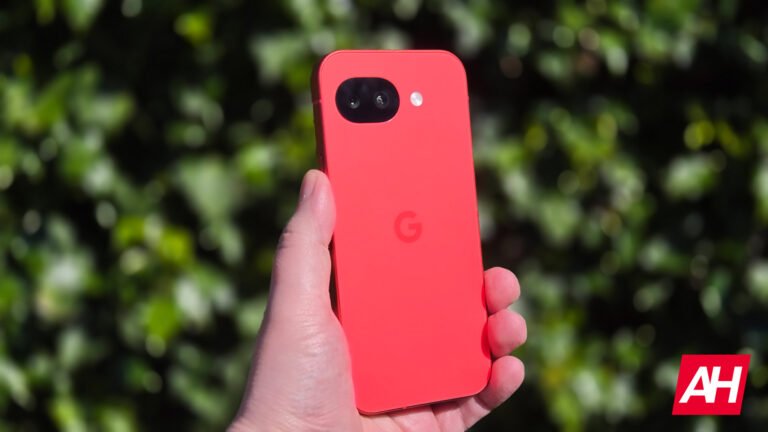
Recent Pixel hardware initially introduced this feature for standard photography. Now, Google is expanding the cryptographic tracking to native video capture on Pixel 8, Pixel 9, and Pixel 10 devices. When you record a video, the phone immediately stamps the file with a tamper-proof digital receipt proving it came straight from a physical camera lens.
To ensure this protection survives when shared online, Google is collaborating closely with Meta. Because both companies sit on the C2PA steering committee, Instagram will soon recognize these secure file headers. When you post an unedited photo or video captured on a Pixel phone, Instagram will automatically showcase a dedicated label confirming the media’s real-world authenticity.
Corporate detection and wider adoption
Digital files bounce across hundreds of independent websites every second. This means that standalone tools are rarely enough. So, Google is open-sourcing aspects of its text-tracking frameworks and partnering with companies like OpenAI, ElevenLabs, and Kakao to deploy SynthID watermarking across competing generative models.
Lastly, targeting businesses, Google Cloud is launching a dedicated AI content detection API on its enterprise suite. This allows organizations to scan incoming backend data streams, giving businesses a quick way to sort social feeds, assist with digital fact-checking operations, or flag automated media files to prevent insurance fraud.
The post Google Brings SynthID AI Content Detection Directly to Chrome, Search and More Pixel Phones appeared first on Android Headlines.