General Motors is radically changing how it builds its most profitable vehicles. Facing immense pressure from fast-moving Chinese automakers and rapidly shifting consumer demands, GM wants to slash its typical four-to-five-year vehicle development cycle down to just two years. The automaker is already utilizing advanced virtual tools to accelerate the highly anticipated redesigns of the Chevrolet Silverado and GMC Sierra full-size pickups.
By leveraging software to instantly convert concepts into actionable manufacturing data, engineers can bypass traditional bottlenecks. Mark Dickens, GM’s executive chief engineer of full-size trucks, explained that these tools allow the team to “go straight into production tools on a lot of our parts.” Rather than spending months translating rough sketches into designs, the team gains massive amounts of extra time to finesse complicated subsystems and ensure they work seamlessly together.
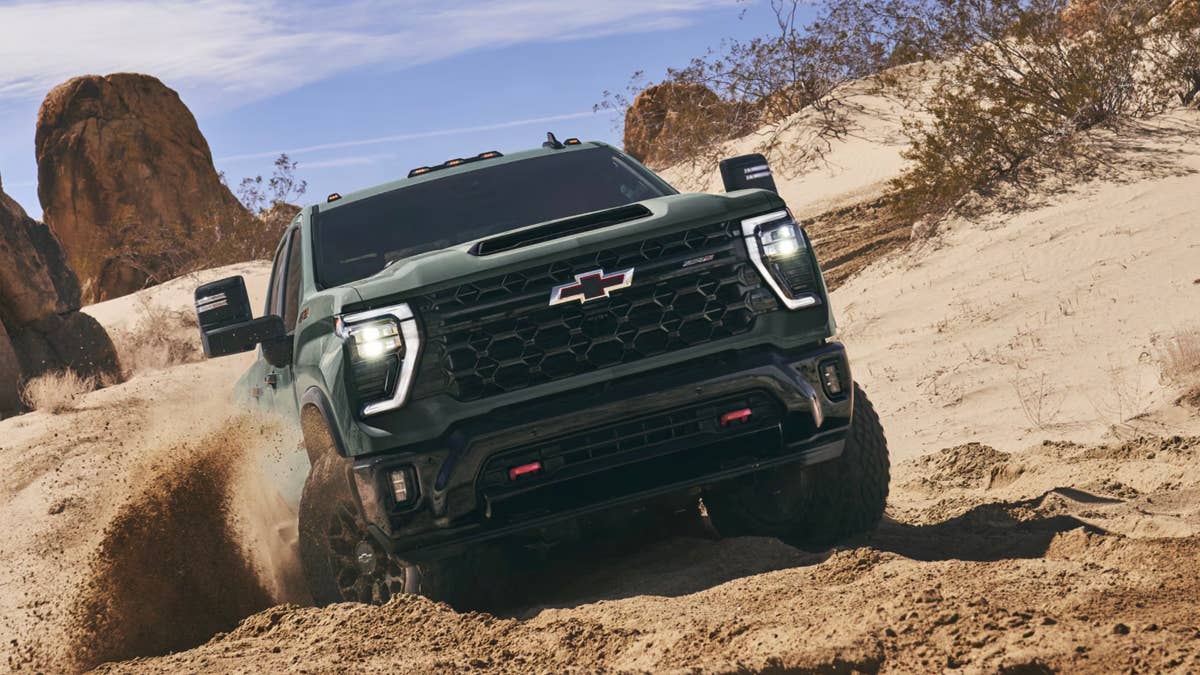
Chevrolet
Virtual Testing and Integration
The sheer scale of this digital shift is staggering. According to a recent interview with Automotive News, GM Chief Product Officer Sterling Anderson noted that new software platforms allowed the company to test over 300,000 different designs for a lithium battery before building a physical prototype. Much like rival automakers using algorithms to design cars faster, GM moved from initial concept to program approval in just one month.
Moving at this breakneck pace completely shifts the engineering workload. Glenn Babiak, chief engineer for GM’s heavy-duty pickups, noted that establishing production tooling early removes massive amounts of physical guesswork. “We would have already comprehended it, and now we can focus purely on learning, exposure, calibrating and working on those finer details where product exposure in the field matters,” Babiak stated.
Winning the Truck Wars
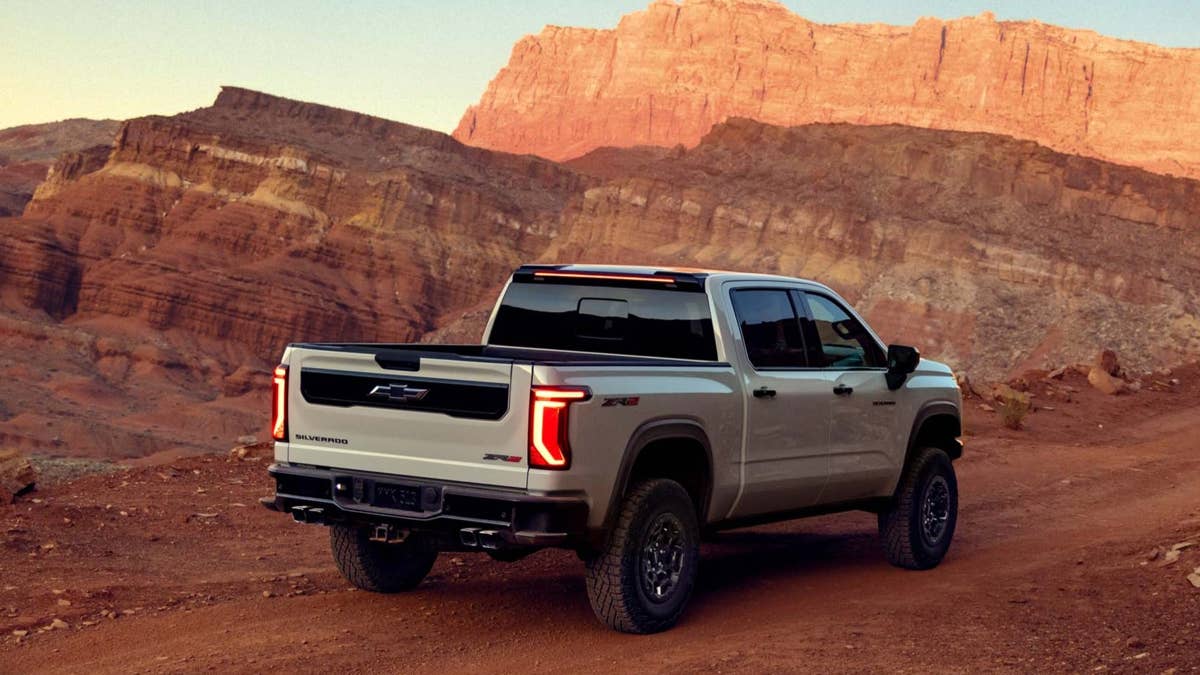
Applying this software to the Silverado and Sierra first is strategic move for GM. These light-duty pickups are the lifeblood of GM’s North American profits. Despite high fuel prices and impending redesigns, Silverado sales recently jumped 13 percent. As trucks become more technologically advanced, the ability to pivot quickly and deliver fresh features to buyers is essential for maintaining market dominance.
While the rapid adoption of digital generation naturally sparks industry anxiety about displacing human jobs, the GM approach paints a different picture. The technology is not replacing the engineering teams but about clearing tedious groundwork so humans can focus on critical integration and fine-tuning. If GM successfully executes this two-year development cycle, it will fundamentally rewrite the rules of American automotive manufacturing.
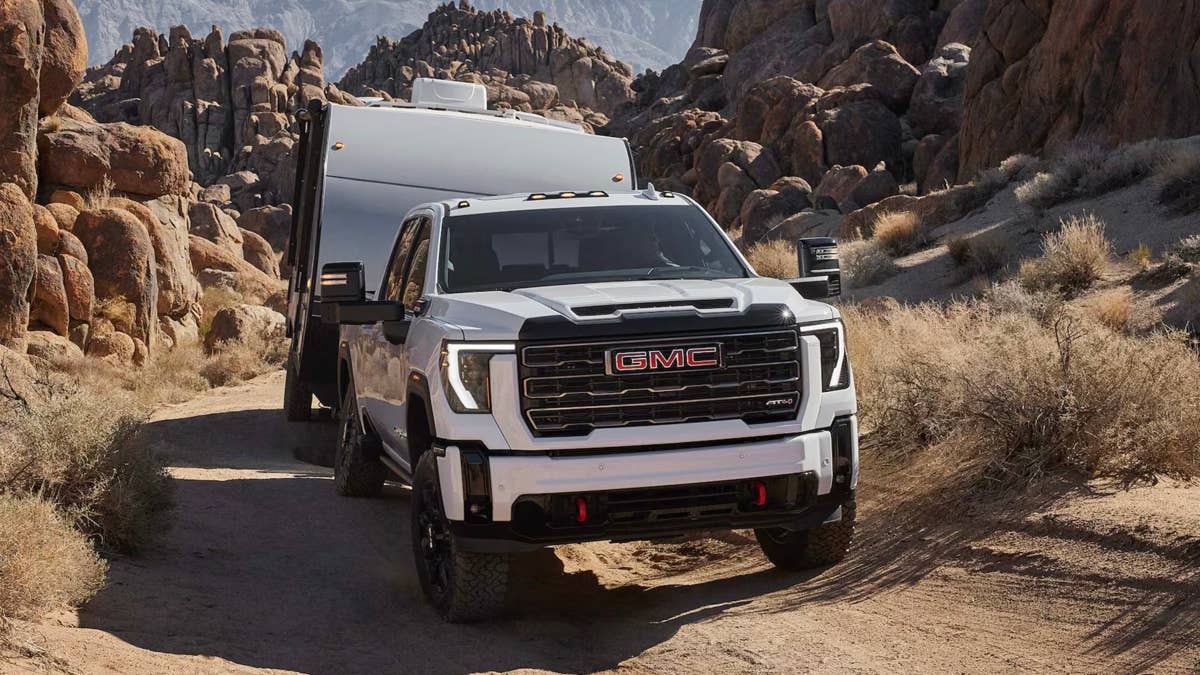
GMC