Biting the Hand that Feeds?
GM and GM Financial were served with a $20 million lawsuit from a dealer. The list of complaints, however, is a head-scratcher and a jaw-dropper at the same time, with radical discrimination, fraud, and failed relocation part of the story.
Mark Mermis and general manager Kevin Walters were prompted by GM to buy Borderland Chevrolet-GMC in Douglas, where they made a deal in mid-2023 for $1.1 million, under the pretense that GM made false promises they could relocate to a “better” area.

“Economically Distressed”
The first location, near the U.S.-Mexico border, was the one Mermis was prompted to buy and was described as “economically distressed,” with the promise that GM would help them relocate if needed. According to the report, the lawsuit alleged that 70% of the residents in the area received welfare or government support.
Mermis’ deal with GM pushed through under the promise that GM would help them relocate to Benson, Arizona, an “economically-growing area” that is a “far more prosperous and potentially profitable location.” The new location is about 70 miles from Douglas, and Mermis bought the Benson location in Fall 2024 as a proposed new site. As it turned out, GM didn’t keep its promise.

General Motors
Rejected
GM rejected the relocation request in November 2024, after which Mermis and Walters submitted another request to relocate to a vacant Ford dealer in Silver City, New Mexico, about 140 miles from Douglas.
The new request to relocate to the New Mexico area was also denied in March, 2025, “for reasons that were unfair, inequitable, unjustified, in breach of promises and representations made to the plaintiffs, and in bad faith,” according to the complaint.
According to the lawsuit, GM “unjustifiably refused” to approve Borderland’s relocation requests. The lawsuit further states that GM imposed “unreasonable sales quotas and working capital requirements on the dealership while depriving it of inventory.”
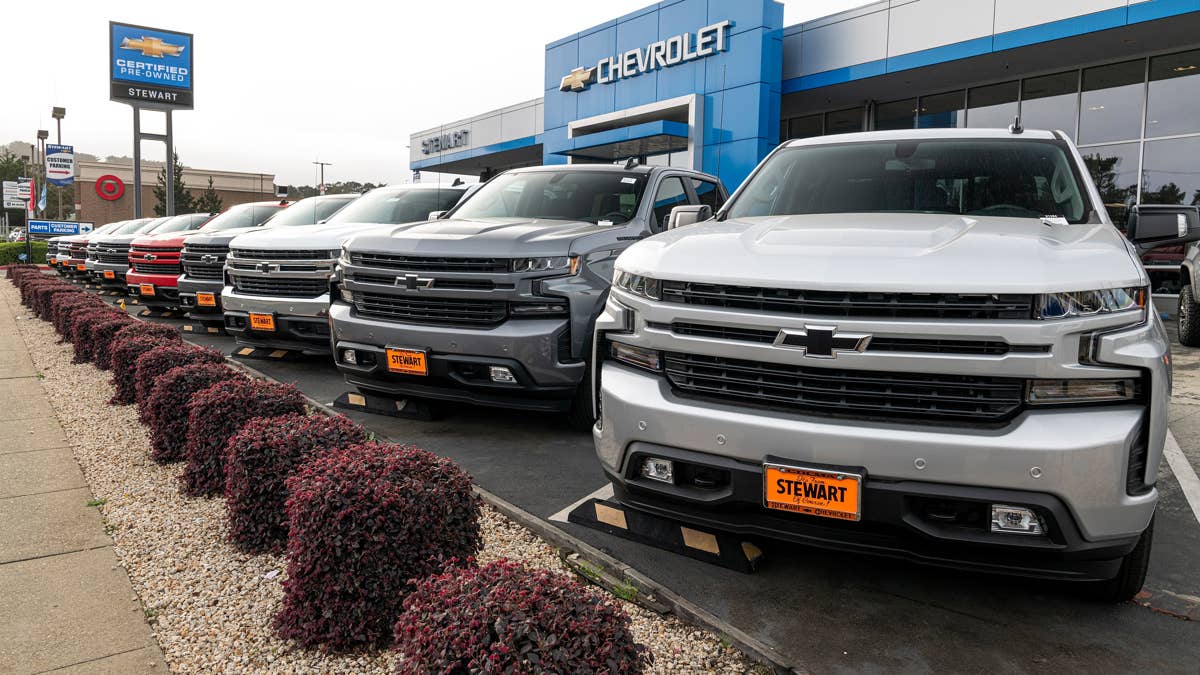
Getty Images
Discrimination
The Borderland location’s sales also plummeted due to factors beyond the area’s economic viability. The lawsuit also alleges that GM “discriminatorily and wrongly” cut its allocations, making performance targets unattainable.
In another part of the complaint, “GM was approving only Mermis as the sole operator so that it could be a ‘100 percent minority-owned’ dealership. Mermis is of Latin American heritage.”

SeongJoon Cho/Bloomberg via Getty Images
Termination Notice
The other defendant in the case, captive lender GM Financial, is also in trouble because of this lawsuit. The complaint stems from “unreasonable floor plan financing requirements, demanded unreasonable curtailments and diverted payments from GM for new vehicle holdbacks and warranty reimbursement.” In January of this year, GM Financial put the Borderland dealer under audit review, froze the new-vehicle floor plan, and cut the used-car floor plan in half, severely affecting the dealer’s ability to sell cars and meet sales quotas imposed by GM.
Operating in a growth-starved environment, facing unreasonable sales targets, and hindered by untenable floor plans, the plaintiff theorized that GM was looking to push them out and install a new operator in their place.
GM submitted a 60-day termination notice to Mermis in mid-August, 2026. The lawsuit contends that GM violated the Federal Automobile Dealers Day in Court Act, Arizona’s dealer law, fraud, civil conspiracy, breach of contract, violation of the federal Civil Rights Act, and breach of the covenants of good faith and fair dealing.
$20 Million and More
On top of the $20 million in economic damage, the lawsuit is seeking three times that amount, plus punitive damages, from GM. The reasons include the dollars spent trying to make the store work, the dealership’s goodwill value, and the reputational harm the plaintiffs suffered because of the situation they were placed in.
GM, via a spokesperson, has declined to comment on the lawsuit. On the plaintiff’s side, the ongoing theory is that GM needed to meet a quota for minority dealers and made false promises just to meet that goal.

SeongJoon Cho/Bloomberg via Getty Images