Georgia O’Keeffe: The Brightness of Light, a new documentary directed by Paul Wagner, begins by asserting that the American artist remains largely unknown in Europe.
This seems unlikely, and in any case incidental to the story. Anyone who has opened an art history textbook can recognize one of the most important painters of the 20th century. After this initial hiccup, the film launches into clichéd descriptors from a cast of authorities: O’Keeffe was driven, passionate, fearless, committed, astounding. Thankfully, the documentary soon finds its rhythm, unspooling in a slow, patient manner that honors O’Keeffe without dramatizing her life.
An even-toned neutrality, combined with a near-perfect balance of archival footage, still images, scholarly interviews, and visual documentation of her work, presents O’Keeffe as a measured, determined artist who drew inspiration from the Southwest American landscape — a wanderer in search of beauty, truth, and presence. The roots of her immense work ethic lay in her upbringing on a farm in Sun Prairie, Wisconsin, where she grew up with six siblings. The family eventually moved east and boarding school helped shape her emerging talent. From there, she attended the School of the Art Institute of Chicago, returned to Virginia with her family, won a two-week residency in upstate New York, and lived in South Carolina, Texas, and New York City. These peripatetic tendencies would remain with her throughout her life.
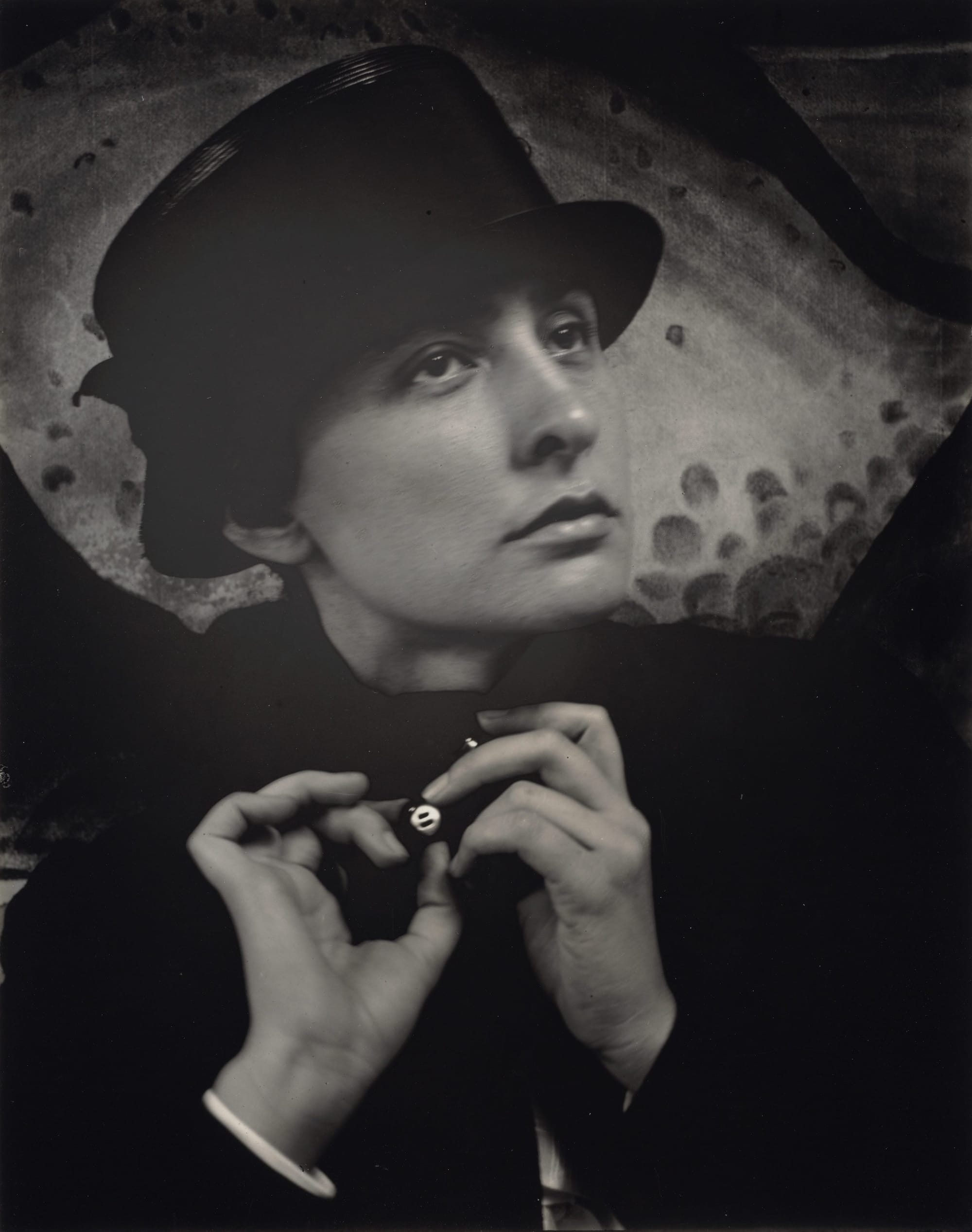
After meeting Alfred Stieglitz, the renowned photographer and gallerist she would later marry, O’Keeffe found herself nearly subsumed by an unexpected and unwanted notoriety when he exhibited his photographs of her, both clothed and nude. To her credit, through relentless work and a hard-edged refusal to play the ingénue, she maintained the seriousness of her practice and moved beyond typecasting.
Her breakthrough emerged from frustration. In 1915, dissatisfied with what she saw as the derivative nature of her work, she created a series of large charcoal drawings that were physical, intuitive, swooping, and abstract. She mailed them to a friend in New York, who in turn showed them to Stieglitz. Through his gallery 291, Stieglitz exhibited the drawings and continued to champion her career with annual exhibitions.
In 1918, at age 30, O’Keeffe moved to New York. Stieglitz was 54 and still married. Their relationship officially began and would be extensively documented through his photographs.
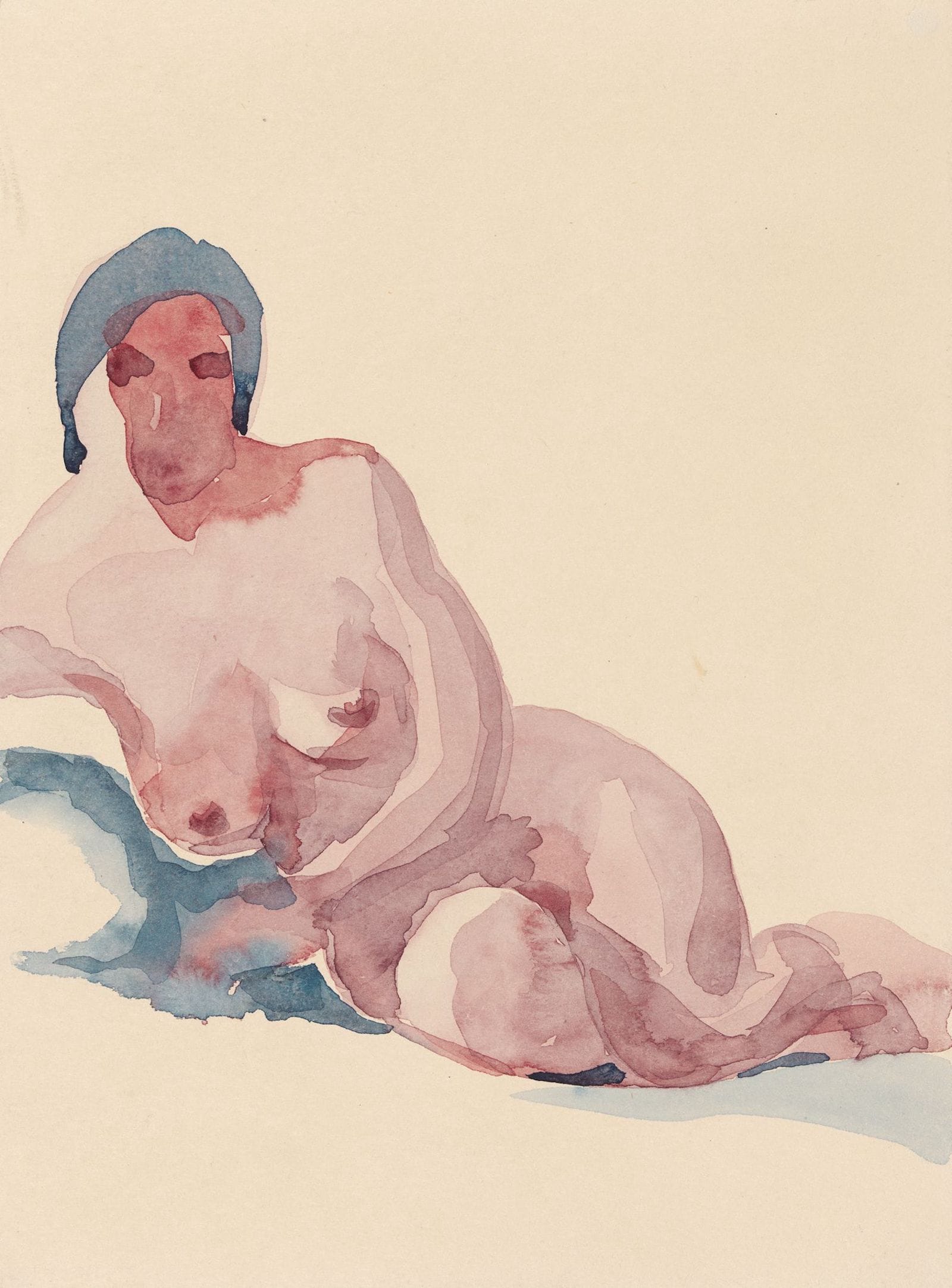
The Brightness of Light generously highlights the artist’s lesser-known bodies of work, including a series of nude watercolor self-portraits painted while she was living in Texas. These small paintings, held in the collection of the Georgia O’Keeffe Museum in Santa Fe, New Mexico, relate closely to the landscape — pink-toned, expansive, fluid, and gestural. They are not only remarkable works, but also early evidence of the deep connection she felt between body and land.
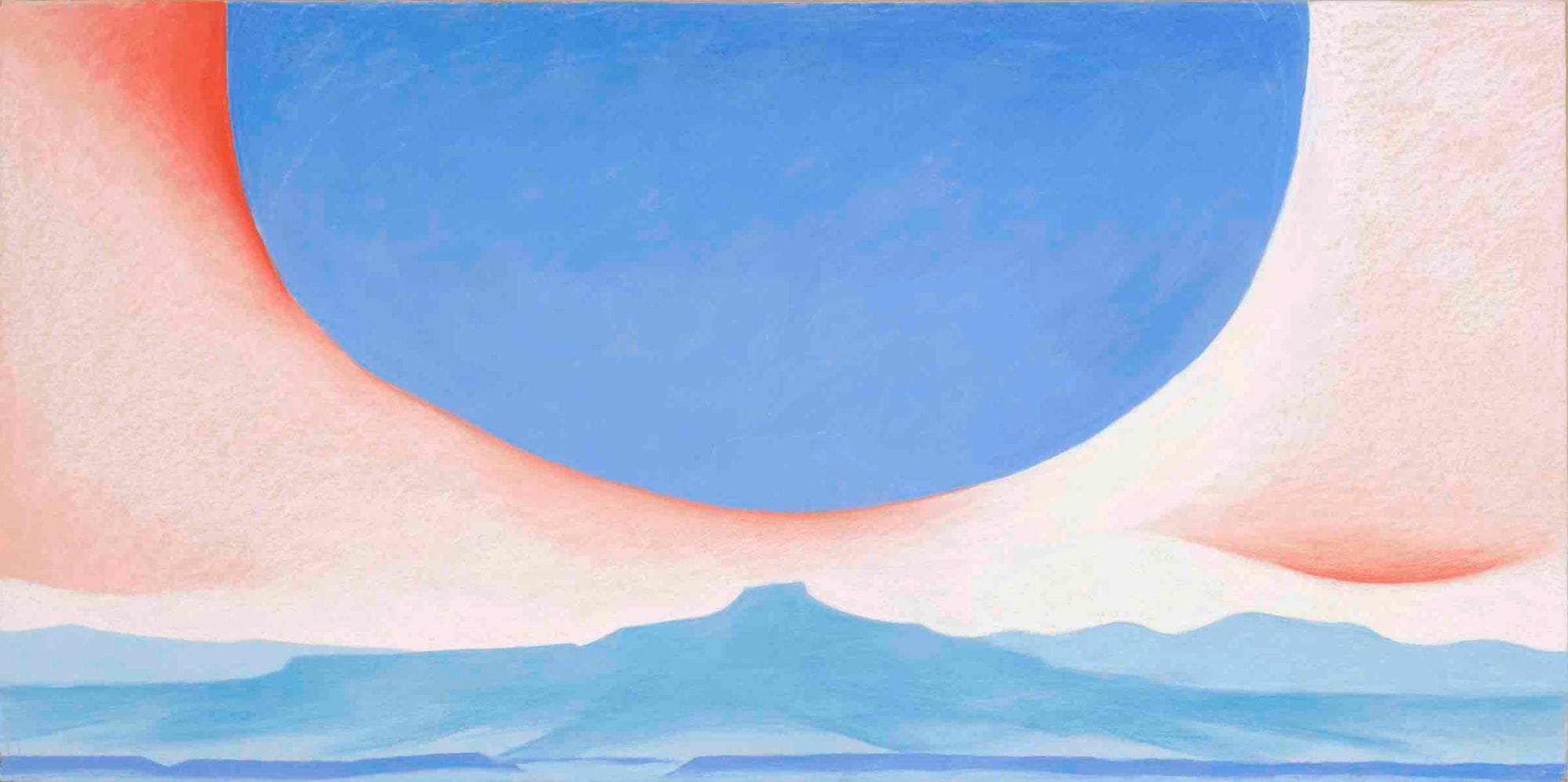
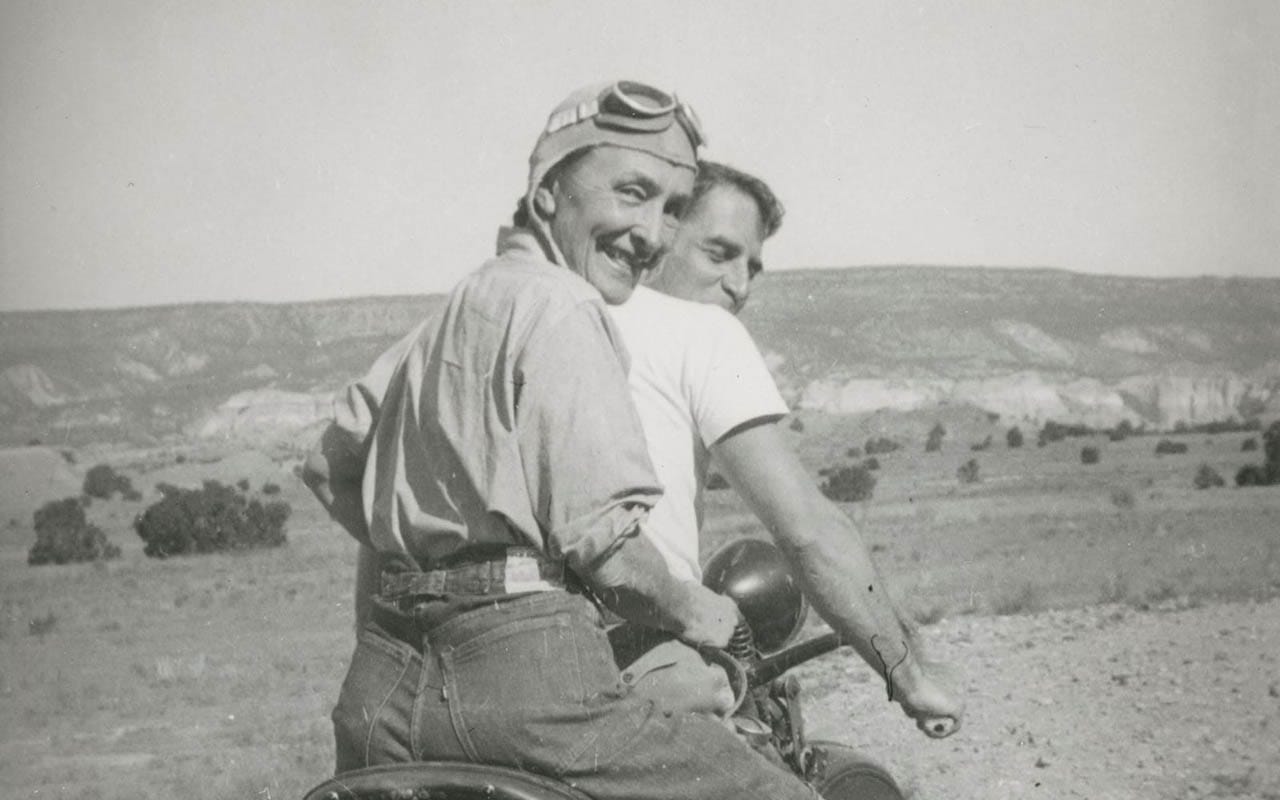
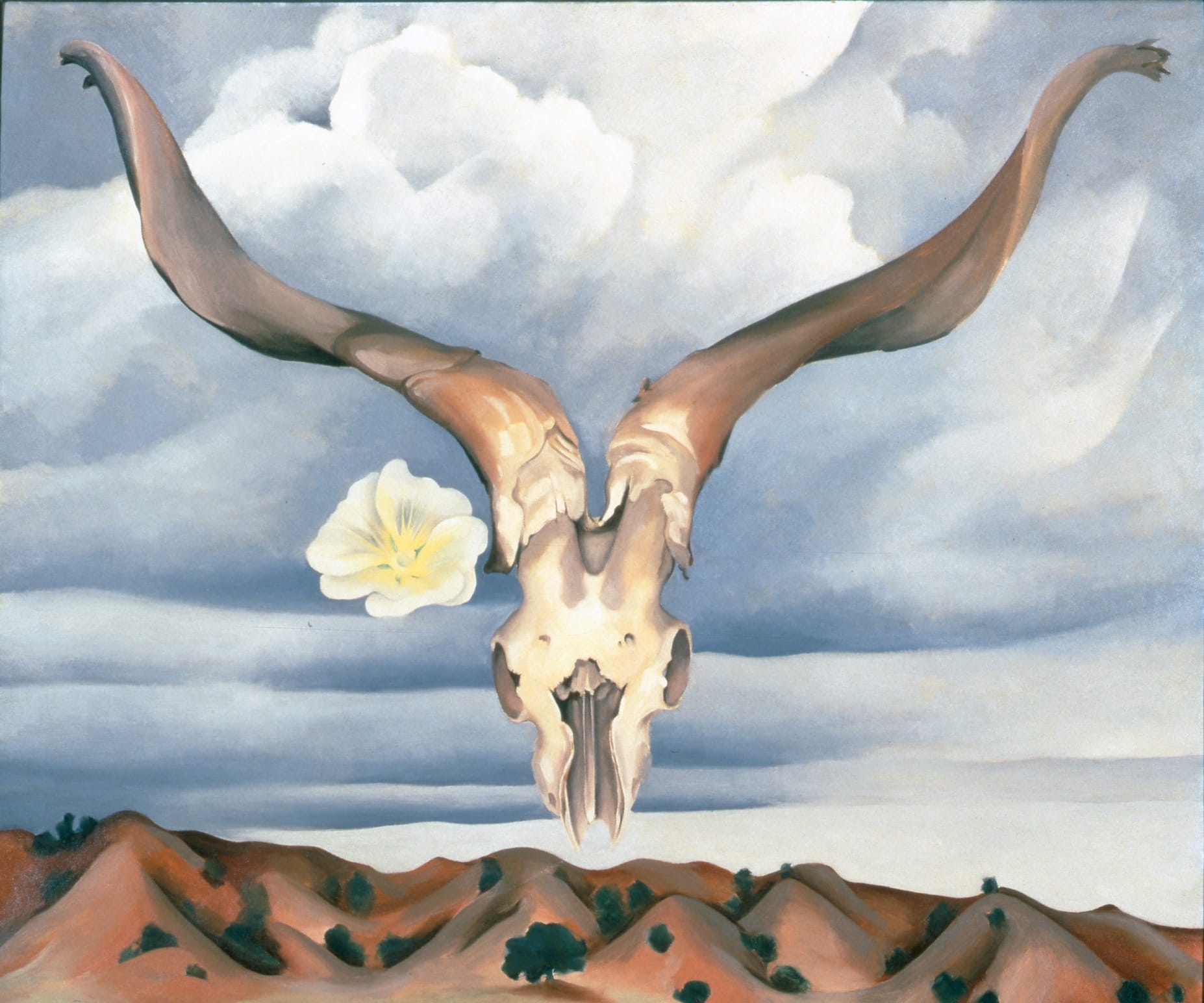
The film unfolds over two hours, remaining steadily respectful. O’Keeffe’s work and dignity are sufficient to propel the narrative; no embellishment is needed. When she moves to New Mexico, we watch her fully claim her artistic voice within a spiritual resonance that translates into the reductive, airy compositions of her paintings. Animal skulls, flowers, plateaus, and clouds become a visual language. She identifies so strongly with the landscape that she begins to merge with it, adopting a handmade wardrobe of unadorned shifts in the muted colors of the desert.
Yet rough patches remain. Back in New York, Stieglitz discourages her from painting skyscrapers like the other male artists in his orbit — John Marin, Arthur G. Dove, and Marsden Hartley. She does it anyway. Later, he develops an attachment to a younger artist and gallery assistant. The film suggests that this, combined with the pressures of a commission for Radio City Music Hall, contributed to a nervous breakdown that resulted in a seven-week hospitalization. Meanwhile, the persistent Freudian interpretation of her abstracted flower paintings as female sex organs by critics and the public continues to chafe.
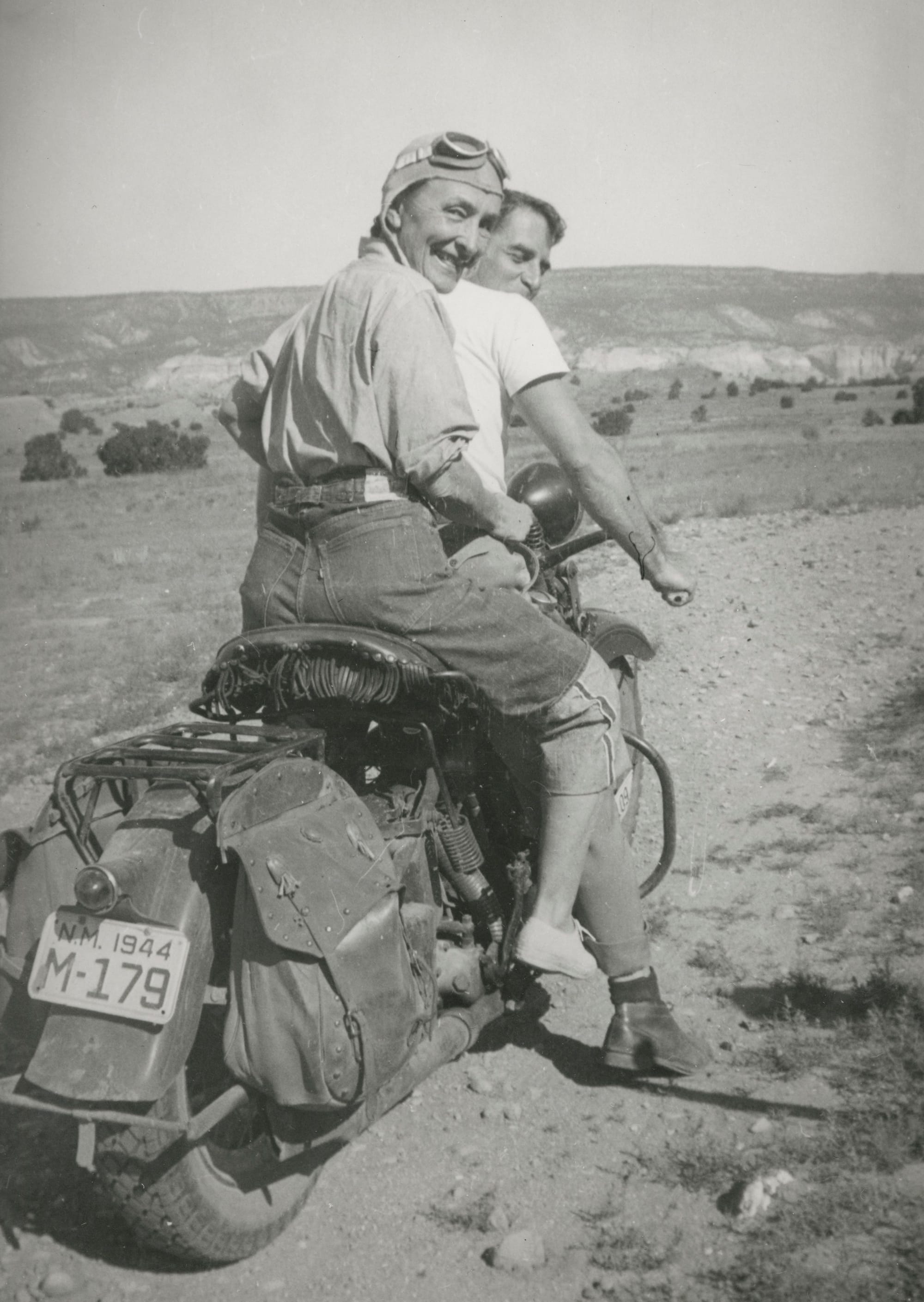
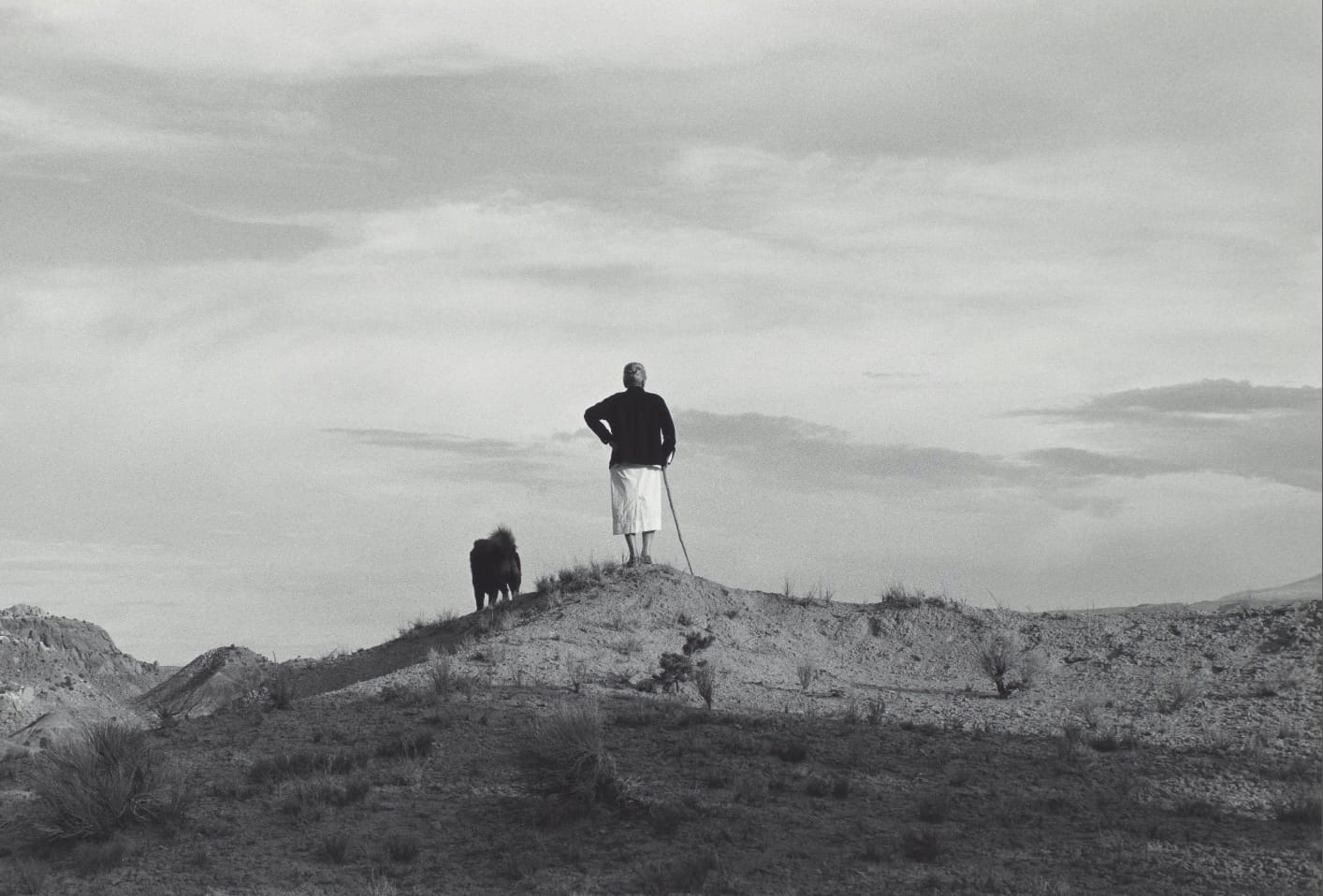
Stieglitz died at age 82 in 1946, after which O’Keeffe stopped painting for several years. Her home in Abiquiú, near Ghost Ranch, purchased in 1940, became her full-time residence until her death at age 98 in 1986. In one letter she describes living at the end of the earth, “so far away that hardly anyone will come and see me. And I like it.”
Georgia O’Keeffe: The Brightness of Light (2026), written and directed by Paul Wagner and narrated by Claire Danes and Hugh Dancy, screens at select theaters around the country and is streaming on Apple TV, YouTube TV, and Google Play.