Growing your own food is one of those projects that feels a little daunting at first and then, a few weeks in, becomes the best part of your week. The excitement of seeing the little blossoms on my cherry tomato plant turn into ruby red fruits was such a thrill. I kept mine on the windowsill and didn’t have high expectations of getting any fruit but I was pleasantly surprised.
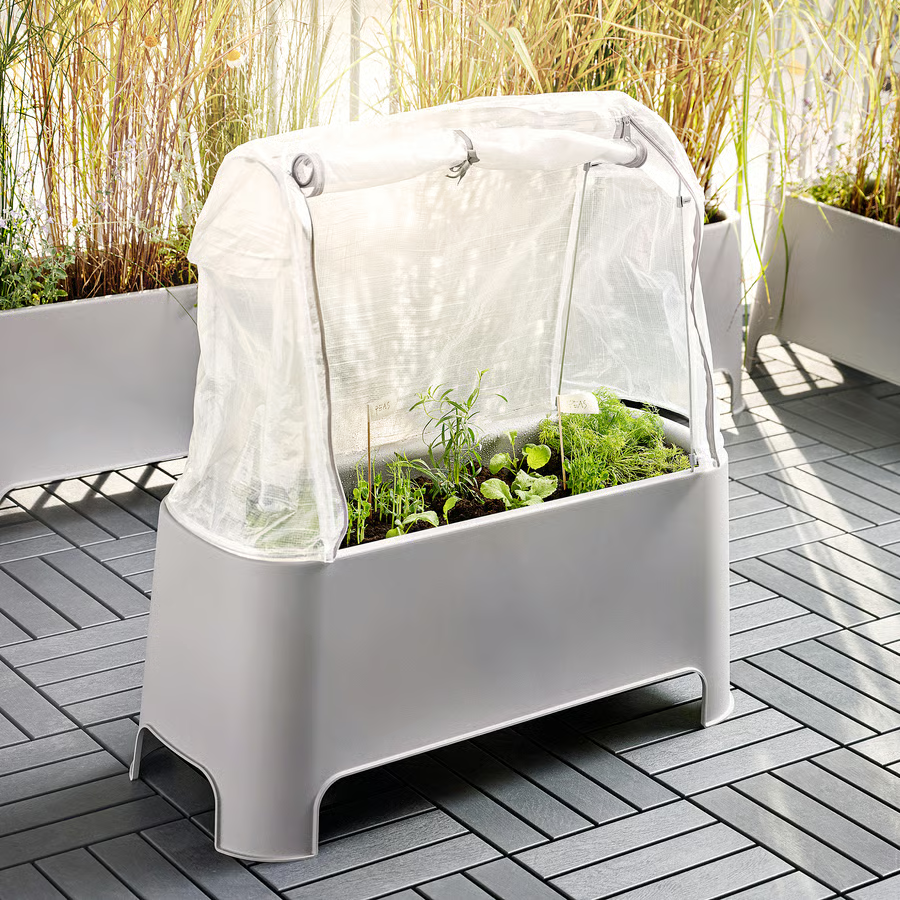
There’s something really satisfying about picking a tomato you grew yourself or snipping fresh herbs from straight from a pot moments before you add them to a pan. You don’t need acres of land, a coveted allotment or years of experience. A few pots on a balcony, a living wall of herbs or a small patch of soil is enough to get started, and the rewards are well worth the effort. You could even start with one of those stylish mini greenhouse pots from IKEA.
Asparen
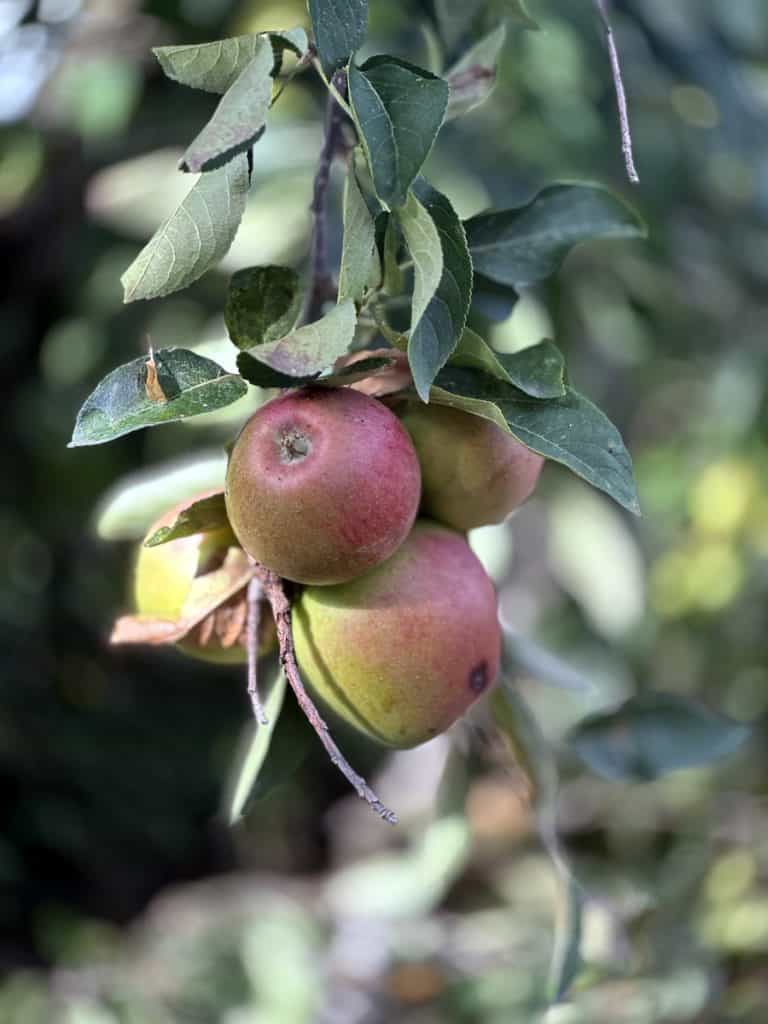
If you have longer terms plans, grow some fruit trees, especially the rarer apples and pears like Cox Orange Pippin. You will have endless fruit to eat and cook with .
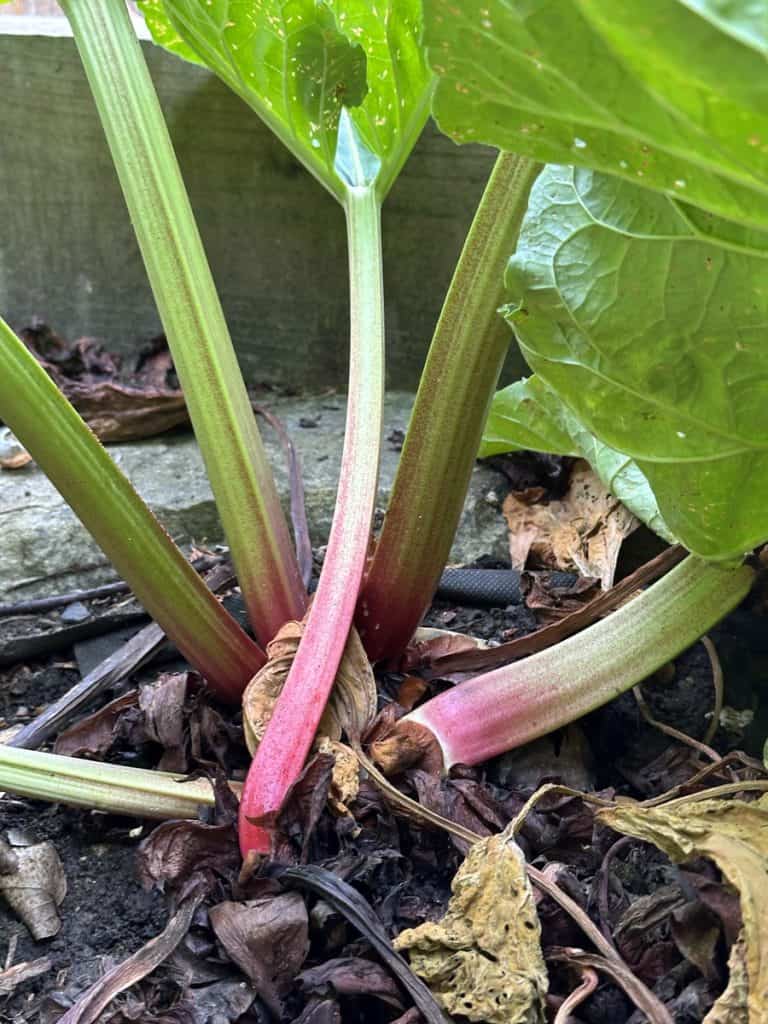
Home grown produce can also help you manage household costs. You have all seen the posts about courgette glut that seems to take everyone by surprise every year. There are lots of veg that is easy to grow like herbs, tomatoes, pumpkin, rhubarb or courgette. Have a few pots with thyme, rosemary, mint and parsley will add a lot fo flavour to your cooking. They also add to your 30 different plants that you need to add to your diet for your microbiome.
Why grow your own?
It tastes better. Fruit and vegetables start losing flavour and nutrients the moment they’re picked. Supermarket produce has often travelled a long way and sat in storage before it reaches you. When you pick something from your own garden and use it immediately, you’re using it at its optimal state, a difference that’s especially noticeable with tomatoes, herbs and salad leaves.
It saves money over time. One courgette plant can keep you in vegetables all summer. Herbs like rosemary, thyme and parsley keep giving for months from a single planting.
It’s better for the planet. Homegrown food doesnt need plastic packaging and has no food miles. Growing even a little of your own food is a small way to live more sustainably.
There’s real pleasure in watching a seed become a seedling, then a plant, then dinner. Gardening also keeps you active, a way to practice mindfulness and keeps you in touch the seasons and nature.
Getting started: the basics
You don’t need to get everything right straight away.
- Start small. A couple of pots, a raised bed, or one corner of the garden is plenty for your first attempt.
- Check the sunlight. Most fruiting crops like tomatoes, peppers and cucumbers need as much sun as possible. Leafy crops like kale, lettuce and spinach are more forgiving and will grow in partial shade.
- Start with good soil. Good soil makes everything easier. Mix garden compost or well-rotted organic matter before planting. It improves drainage, feeds the plants and encourages the microbes that keep soil healthy.
- Water deeply, not often. Deep watering encourages roots to grow, which makes plants sturdier and more resilient in dry weather. Keep watering consistently especially in a dry period.
- Sow in batches get a continous veg. Instead of planting all your lettuce seeds at once, stagger the planting every couple of weeks. This way of sowing your seeds will spread space your harvest out over several weeks.
- Attract the pollinators. Flowers like calendula, lavender, borage and nasturtiums bring bees into the garden, which means better pollination and bigger harvests.
- Consider some shelter. If you have the space, a small polytunnel or cloche can extend your growing season. Many gardeners use polytunnels to increase productivity in the cooler months as it extends the growing period. These create warmer growing conditions and protects the plants from rain and wind. You can also grow plants that are suited to warmer weather too like lemongrass and chillies.
Best crops for a small space
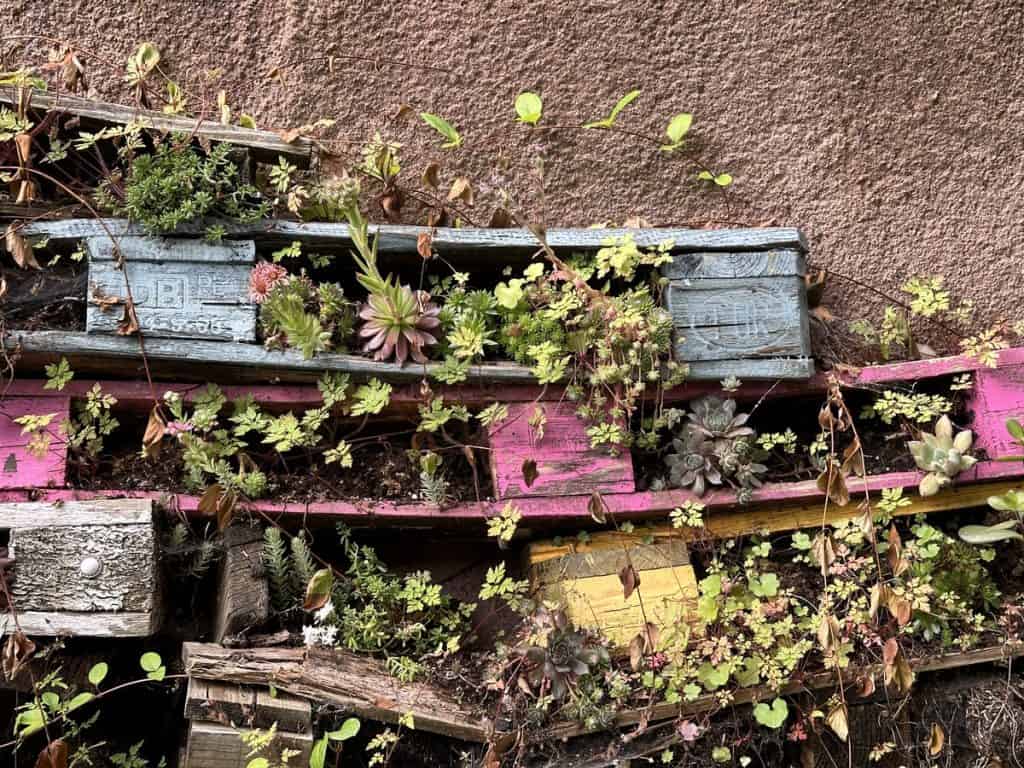
If you live in London where most people have smaller gardens, that is enough space to grow your own food. These are the easiest plants to grown:
- Herbs (pots on a windowsill ) – parsley, coriander, thyme, basil and rosemary are low-maintenance and give you repeated harvests for months. During COVID I grew spring onions from just the white root part and that was particularly satisfying as I always threw that part away.
- Salad leaves – lettuce, rocket and spinach grow quickly, don’t need much depth of soil, and can be cut-and-come-again for weeks.
- Tomatoes – patio varieties do well in pots and you will get fruit all summer if they get enough sun and water. You can start with just planting slices of tomato in compost until they start sprouting.
- Courgettes – one plant is enough for one household. Just give it a decent-sized pot or a bit of ground, as it likes to spread.
- Radishes – one of the fastest quick win crops you can grow, ready in under a month.
- Runner beans or climbing peas – trail these up a cane or trellis, these make excellent use of vertical space when ground space is limited.
- Strawberries – these grow well in hanging baskets or containers and are mainly hassle free.
Enjoying your harvest
Once the plants start producing from your gardening efforts, you can enjoy the fruits of your labour when you start to add them to your regular meals.
- **Pick regularly as many vegetables like courgettes and salad leaves usually produce more if you harvest them at the right stage.
- Eat it fresh. The whole point of growing your own is flavour at its peak. You will end up getting more imaginative with your meals and how to add your own produce to your dishes.
- Preserve the surplus. A glut of tomatoes can become a sauce for the freezer; herbs can be dried, frozen in oil, or turned into pesto.
- Get creative in the kitchen. Try a new recipe each time something new comes into season. It’s a great way to explore flavours and varieties you’d never normally buy at the shop.
Every season teaches you something new, learn grows well in your garden, what you like eating and what’s worth planting again next year.