Power Is Nothing Without Maintenance
Ford’s 3.0-liter EcoBoost V6 is known for its V8-like low-end torque, and some of the brand’s performance models, such as the Explorer ST and Ranger Raptor, use it. The engine can be fairly robust, but with poor maintenance, even a dependable power unit is bound to suffer.
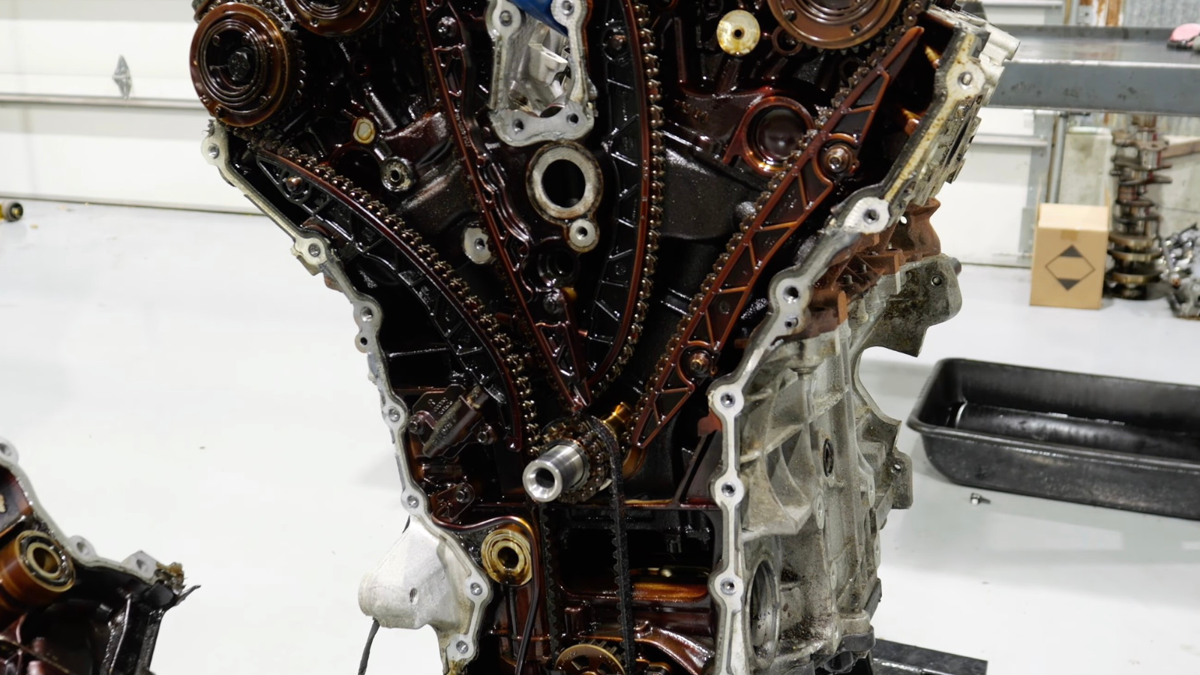
Case in point: This EcoBoost V6 from a 2021 Lincoln Aviator, the luxury counterpart of the Ford Explorer, failed and was acquired by Eric of I Do Cars as a core return. The engine reportedly received only two or three oil changes despite having already clocked about 70,000 miles. At that mileage, it should have undergone at least seven oil changes, based on Ford’s maximum recommended interval of 10,000 miles.
The Trouble Beneath The Surface
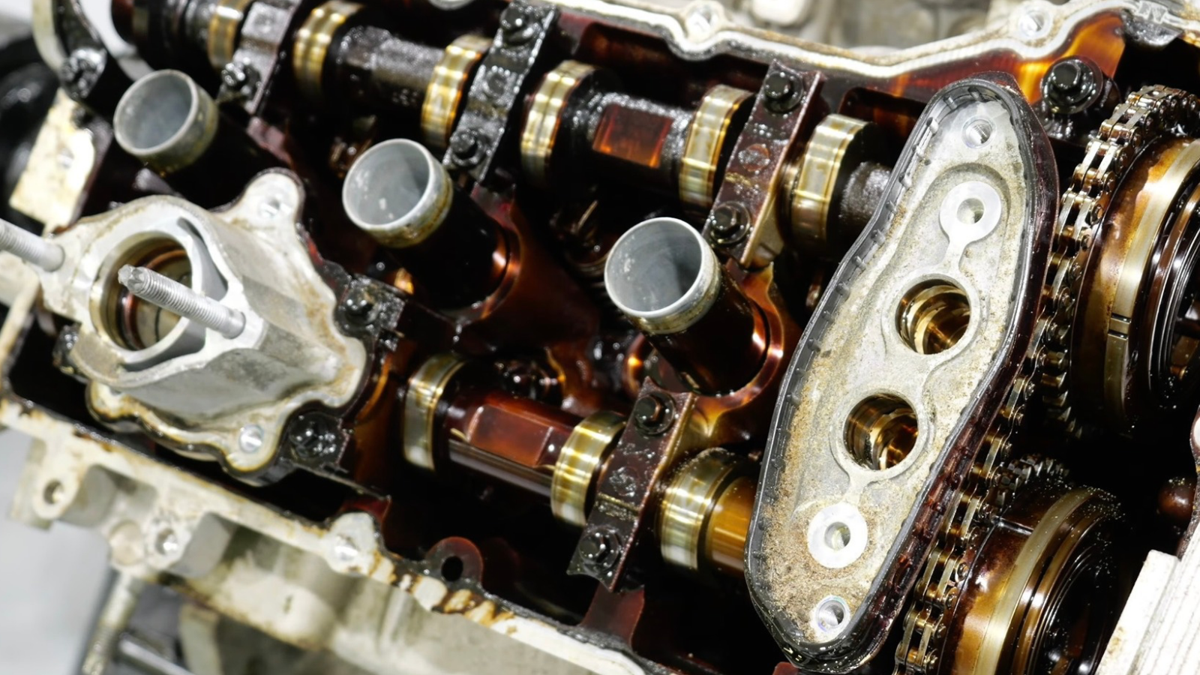
From the outside, the engine looked intact, which was fortunate, as inadequate lubrication can cause excessive friction, overheating, and potentially catastrophic engine failure. But on the inside, the valvetrain and chain-driven timing system looked grim, with an abundance of oil varnish and sludge. It looked far more worn out than expected for a five-year-old engine.
Given that the 3.0-liter EcoBoost V6 uses direct injection rather than the dual-injection setup found in the 2.7-liter version, the intake valves had significant carbon buildup. For the uninitiated, a dual-injection setup also sprays fuel into the intake ports, helping clean carbon deposits from the intake valves.
Moving to the engine block, the cylinders showed signs of moisture, likely because the engine had been sitting outside. Debris circulating in the contaminated oil likely contributed to significant damage to the engine’s internal bearings. The failure culminated in a spun rod bearing on cylinder six, with bearing shavings also found in the oil pan.
No Such Thing As Free Horsepower
With the EcoBoost V6 using a twin-turbocharger setup, it is more demanding to maintain than a naturally aspirated counterpart. Such a setup operates under greater thermal and mechanical stress, making proper lubrication and cooling crucial to getting the most out of its performance. After all, the cost of maintaining a luxury vehicle like a Lincoln should be part of the ownership equation in the first place.
The 3.0-liter twin-turbocharged EcoBoost V6 remains in use today, with Lincoln rating the 2027 Aviator at 400 horsepower and 415 lb-ft of torque. The Aviator was previously available as a plug-in hybrid, which made 494 hp and 630 lb-ft of torque, but was discontinued for the 2024 model year.