Chinese Automakers Could “Put Us All Out of Business”
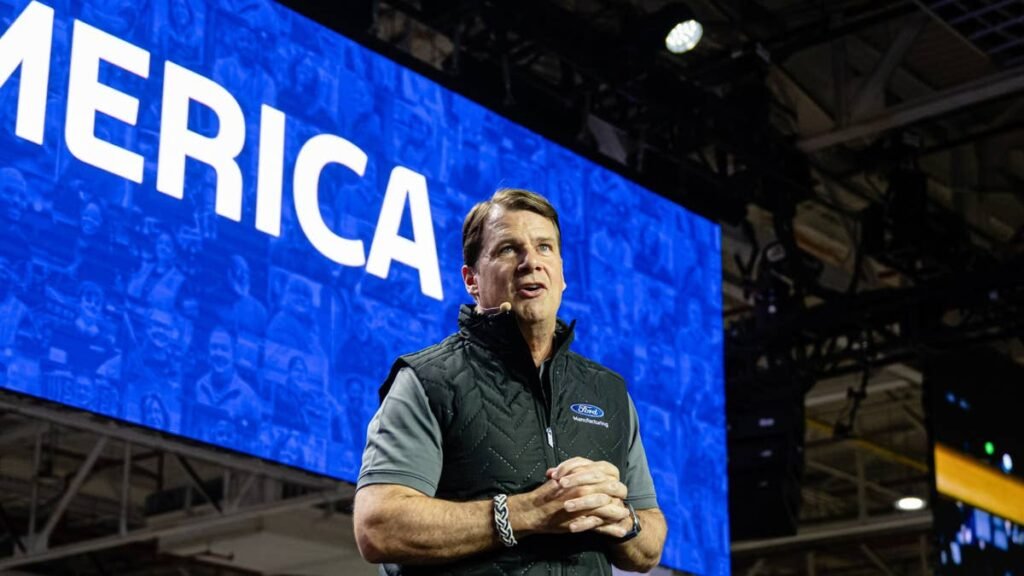
Ford CEO Jim Farley isn’t mincing words. In an interview with Bloomberg, the FoMoCo head honcho has doubled down on his stance that Chinese automakers pose an existential threat to the U.S. auto industry, warning that allowing them into the market could be “devastating” for domestic manufacturing.
Farley argues that the scale, speed, and state-backed nature of China’s automotive sector create an uneven playing field that American brands simply aren’t equipped to match under current conditions.
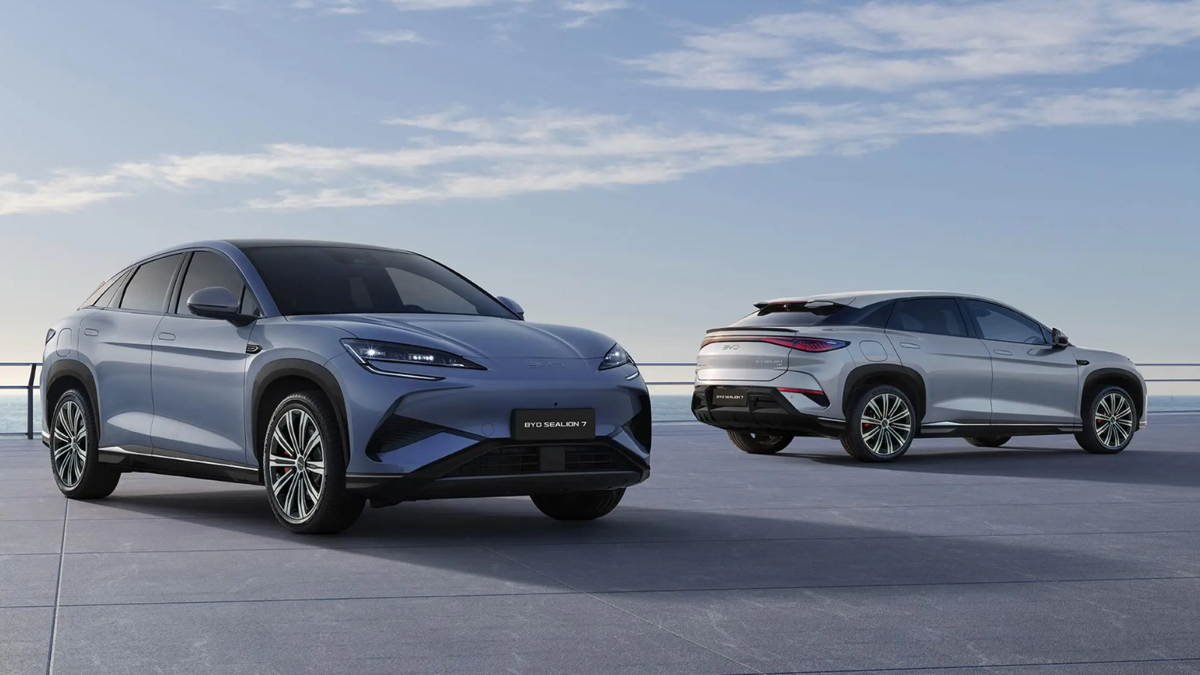
This echoes earlier remarks in which Farley suggested that Chinese brands could “put us all out of business,” citing their vertically integrated supply chains, aggressive pricing, and rapid EV development cycles. Companies like BYD have already demonstrated an ability to dominate emerging markets, leveraging government support to undercut rivals.
Canada Opens the Door While Rivals Scramble to Adapt
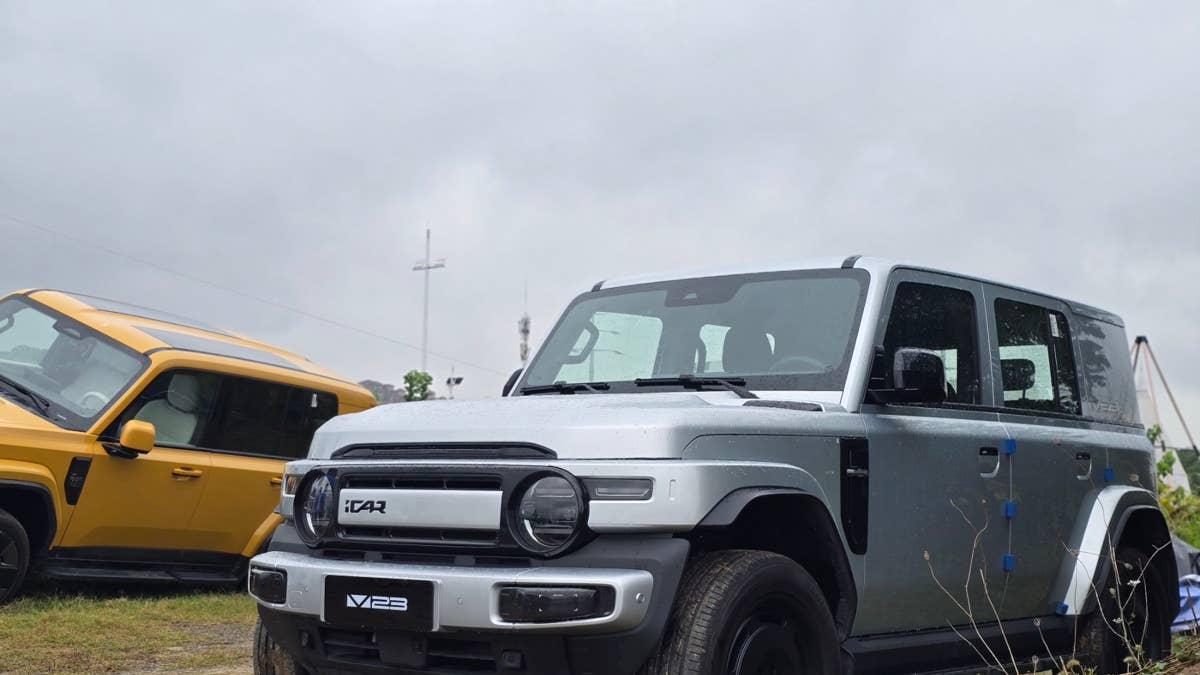
While the U.S. maintains steep tariffs to keep Chinese EVs out, Canada is preparing to welcome its first wave of Chinese automakers, something Farley openly worries could create a backdoor into the American market. Brands like BYD are already gaining traction globally, and with Canada set to import tens of thousands of vehicles annually, the North American landscape could change quickly. Farley’s concern is that, once these vehicles establish a foothold nearby, containment becomes significantly harder.
Beyond market share, there’s also the issue of data and security. Modern EVs are effectively rolling data centers, and Farley has raised red flags about the volume of information they can collect. This has already prompted some automakers to strip Chinese-developed software from their systems to comply with tightening regulations.
Meanwhile, legacy giants like Toyota, Honda, and Nissan are taking a different route: studying Chinese competitors closely, adapting to their strategies, and accelerating their own EV and software development to stay competitive.
Geely
Price Wars, Policy Gaps, and a Reality Check
The broader EV slowdown in the U.S. adds another layer to this debate. With federal tax credits becoming less consistent, affordability has once again become a primary concern for buyers. Surveys suggest many Americans would seriously consider cheaper Chinese EVs if they were available, especially as inflation continues to pressure household budgets. That demand-side reality complicates the protectionist stance, as consumers increasingly prioritize value over brand origin.
That said, the idea of ultra-cheap Chinese EVs flooding the U.S. may not fully materialize. Vehicles that are inexpensive in China often arrive at significantly higher price points overseas due to tariffs, logistics, and compliance costs, as seen with BYD models in Europe.
So while Farley fears a price war, the bigger disruption may come from quality, technology, and features. If Chinese automakers continue to excel in those areas, they’ll force American brands to raise their game, whether they like it or not.
LEROY MARION