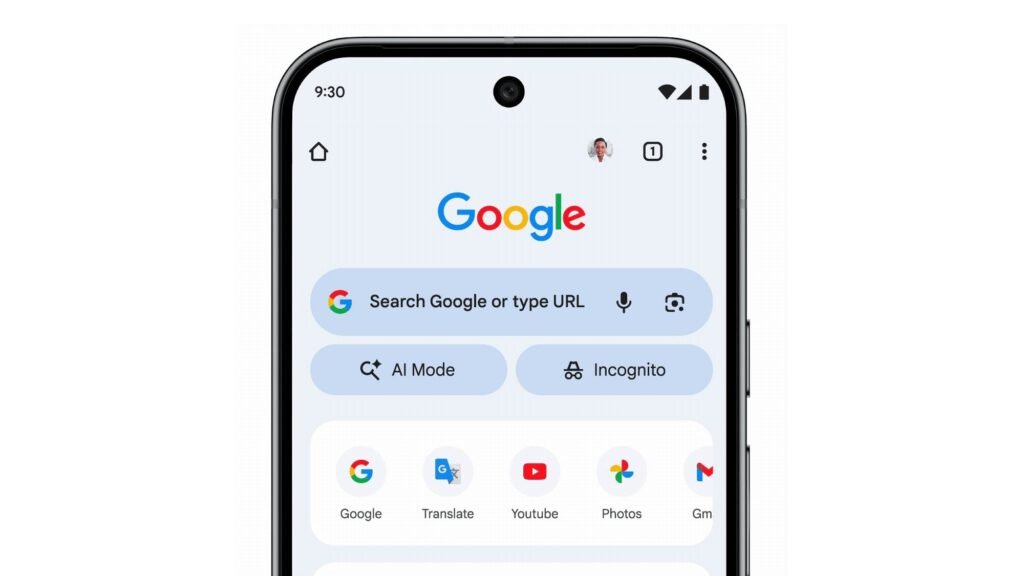

For a brief moment, it looked like the traditional Google search page’s behavior was about to change entirely. Some reports showed an apparently hidden experimental setting in Chrome Canary—the developer version of the browser where new code goes to get tested. When turned on, this specific flag did something radical: it bypassed the classic Google Search‘s results page completely, sending your queries straight into the chatbot-style AI Mode.
The feature, technically named “Fulfill Searchbox Queries in AI Mode,” looked remarkably polished. Keyboard shortcuts like Ctrl+clicking worked perfectly, making it feel like a polished experience rather than a rough prototype. Naturally, many assumed this was a feature under testing.
However, Google quickly put out the fire. Rajan Patel, Google’s VP of Search Engineering, took to X to clarify the situation. “This was an error. We’re not planning to make AI Mode the default for Chrome searches,” he stated explicitly. Digging into the actual code commits backs up the statement. There’s a revealing note from the developer confirming the flag was strictly for internal exploration with zero rollout plans.
A convenient shortcut or a publisher’s nightmare?
Even though Google labeled the whole situation a mistake, the leak sparked an important conversation about how we actually want to browse the web. On one hand, plenty of users would find a direct shortcut truly convenient. Skipping the middleman to get a direct, conversational answer saves time, especially when you are looking for a quick summary or troubleshooting a piece of code.
On the other hand, the idea of skipping the classic results page sends a shiver down the spine of content creators and web publishers. In the standard search setup, users still see traditional blue links alongside automated summaries. If a browser automatically routes every single query into a closed chatbot thread, individual websites lose visibility and traffic almost instantly. Without clicks returning to the original sources, the financials behind publishing articles online begin to crack.
This tension is exactly why Google is likely keeping a firm boundary between traditional search and dedicated AI threads. The firm continues to build out its digital toolkit, such as the new “Intelligent Search Box” showcased at I/O 2026. However, they are maintaining the classic web ecosystem. For now, your standard blue links are safe, and the AI Mode takeover on Google Search’s results remains nothing more than an accidental slip of code.
The post False Alarm: That Chrome Setting Forcing AI Mode Was Actually a Code Slip appeared first on Android Headlines.