Heat Doesn’t Spare Cars
The ongoing heat waves have caused widespread disruption, with extreme temperatures linked to deaths and growing demand for air conditioning, particularly across Europe. But people are not the only ones affected, as extreme heat can also take a toll on cars.
WIBW, citing AAA, reported that high temperatures can increase the risk of vehicle breakdowns, creating headaches for car owners and safety concerns for roadside technicians. Extreme heat can cause engines to overheat, weaken batteries, and compromise tires. That is why AAA shared several reminders for drivers before they hit the road, especially amid the Independence Day weekend.
Getty Images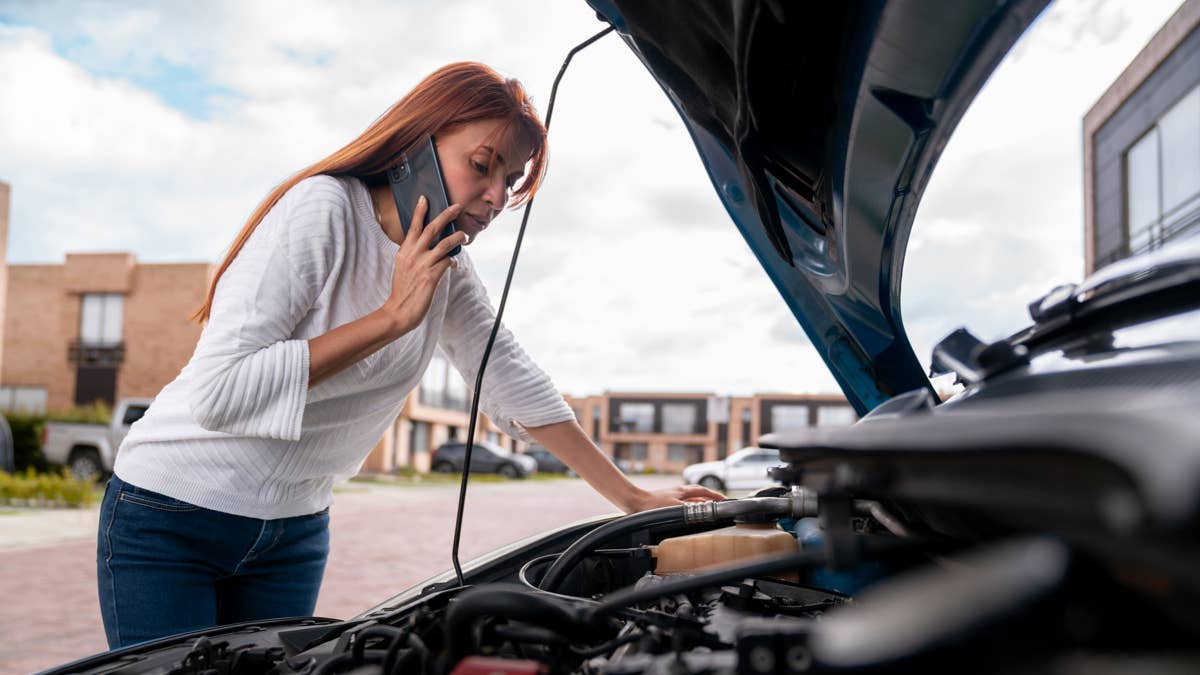
A Simple Check Goes A Long Way
The first reminder is to check the battery. Extreme heat can shorten a battery’s lifespan, which typically ranges from three to five years. A weak or failed battery can make it difficult to start the engine, potentially leaving drivers stranded until assistance arrives.
Next is checking the coolant level. Coolant helps regulate engine temperature by absorbing excess heat from the engine block and carrying it to the radiator, where it is cooled before circulating again. Regular oil changes are also important, as engine oil helps reduce heat while lubricating moving parts. Without proper lubrication, metal-to-metal contact can increase wear and make overheating more likely.
Lastly, check the tire pressure. Underinflated tires have to work harder, which can reduce handling performance and generate more heat. At the same time, overinflated tires can be risky, as heat can cause air pressure to rise and increase the chance of a blowout.
AAA shared a few additional reminders, including packing an emergency kit and never leaving anyone, including children and pets, in a parked vehicle, even for a short time. The motor club also encouraged road users to look out for one another, especially if they encounter someone dealing with a breakdown on the roadside.
Chevrolet
Plan Before Driving
Shawn Steward, public and government affairs manager for AAA Club Alliance in Kansas, said, “Extreme heat can be just as dangerous as winter weather when it comes to driving.”
Reports suggest that the worst of the current extreme heat could ease across many eastern states early next week, though the shift may bring heavy rain and thunderstorms to some areas. Keeping an eye on the forecast can help car owners prepare not only for extreme heat, but also for other conditions, such as winter weather that may require proper tires, flooding that could make low-riding vehicles more vulnerable, and strong winds that can be especially challenging for vehicles like pickups and SUVs towing trailers.