If he can’t build it, he’ll buy it.
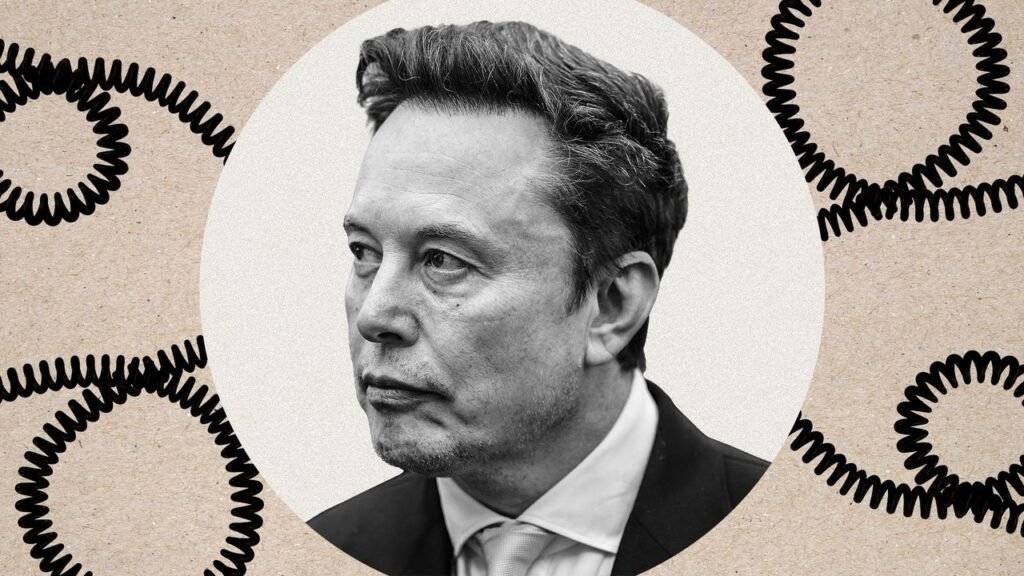
The world’s richest man commands electric vehicles, spacecraft, a fleet of satellites for an internet network, robots, an AI tool, a social media platform, and more. Now, Elon Musk is eyeing wireless phone service.
SpaceX, the parent company of various Musk ventures including Starlink, is reportedly in talks to acquire low-cost carrier Boost Mobile—or at the very least, gain access to its network—according to reporting by The Washington Post. This deal could see Musk upend the telecom space as his plans to launch a mobile phone service through SpaceX failed to launch after the three major carriers—Verizon, T-Mobile and AT&T—refused to give the company access to their networks.
This potential deal could culminate weeks of escalating speculation about how, exactly, Musk will fulfill his ambitions after being rebuffed by the major carriers. Last month, SpaceX paid about $8 billion to buy a portfolio of nationwide low-band cellulular spectrum licenceses, which would allow its Starlink Mobile to provide cellular service within buildings.
That deal addresssed “one of the key remaining technical gaps that will pave the way for Starlink Mobile to become a major mobile carrier in the U.S.,” the company said in a statement.
Last month, Musk was also reportedly meeting with Charlie Ergen, chairman of EchoStar, which owns Boost Mobile. The men discussed SpaceX acquiring Boost Mobile or SpaceX gaining access to its network, which it leases from AT&T and T-Mobile US, two people familiar with the negotiations told The Washington Post. Boost Mobile currently has more than 7 million subscribers, but has lost about 2 million subscribers since 2020.
Meanwhile, Starlink has been expanding rapidly, thanks in no small measure to an ad blitz that’s continued since Musk aired his first-ever Super Bowl ad in February. The strategy appears to be paying off; Starlink reported 13.6 million subscribers as of its most-recent quarter, a nearly 90% increase from the same period in 2025.
HOW COMPETITORS ARE REACTING
The potential deal for Boost Mobile would hardly be the first time that Musk has backed into a floundering company in an unconventional way—look no further than how he came to Tesla or Twitter. But the potential back door deal for acquiring Boost Mobile’s lease agreements with AT&T and T-Mobile US would still require signoff from the major carriers, according to The Washington Post.
Representatives for SpaceX, EchoStar, Verizon, AT&T and T-Mobile didn’t immediately respond to a request for comment from Fast Company.
Verizon’s CEO weighed in on Starlink’s ambitions during the company’s quarterly earnings call last week.
Dan Schulman, Verizon’s CEO, said the company is open to working with satellite providers, but he limited that potential to direct partnerships or joint ventures with satellite providers—not a deal with a mobile virtual network operator (MVNO), which is how Boost Mobile operates.
Though Schulman said that he takes SpaceX’s ambitions to creeate a terrestrial network “quite seriously,” he cautioned that it would take a minimum of four to six years and hundreds of billions of dollars to build out what Verizon currently has today. Only then, he further estimated, could Starlink Mobile emerge as the sixth competitor in the market.
“Frankly, at that point, welcome the opportunity to compete against them,” Schulman said during the call. “It’s very hard to throw a punch against something that doesn’t exist. But once they come into the market, we will be ferociously competitive.”
HOW INVESTORS ARE REACTING
But Schulman may be downplaying the real threat that Musk poses to upend the industry.
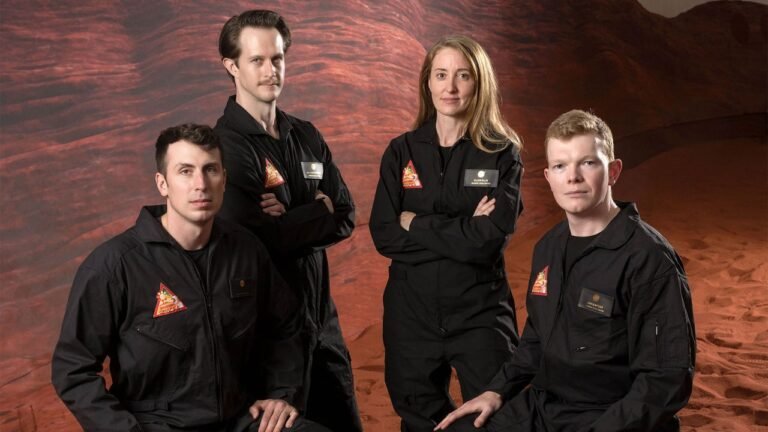
And Musk may be particularly motivated as his mobile carrier ambitions are reportedly key to providing communications to a colony on Mars, the long-term goal of SpaceX—and a that the billionaire has been fervent about for more then a decade.
Traditional carriers rightfully so should feel both “spooked and agitated” by Musk’s recent moves as Drew Cupps, a portfolio manager at Polen Capital, told The Washington Post. And a “massive strategic question” for carriers now is whether to ally with him, no matter the means, as they could stand to benefit.
Investors, meanwhile, aren’t shrugging off the implications of a potential deal. Shares of both SpaceX and EchoStar rose about 2% in late afternoon trading on Monday amid declines in the broader U.S. stock market.