
Elon Musk spent months hype-building a full-length, historically accurate movie adaptation of The Odyssey created entirely by artificial intelligence, but the finished product just arrived as a brief seven-minute video clip. Instead of delivering the grand two-hour cinematic masterpiece promised earlier this year, Grok Imagine quietly uploaded a short opening episode for curious fans online.
Stilted dialogue and generic digital visuals
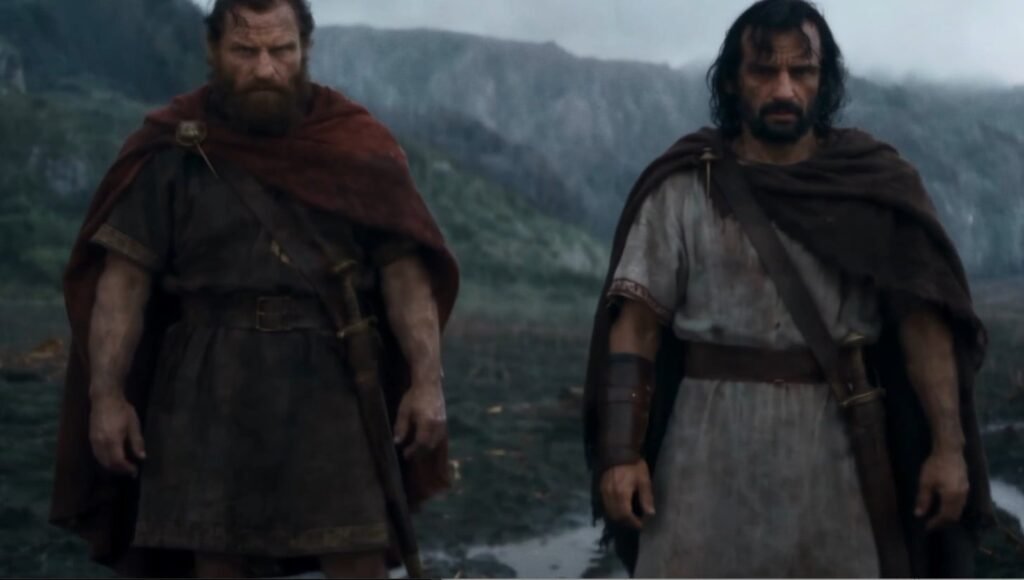
The seven-minute episode debuted on X as a joint creative effort between Grok Imagine, Wonder Studios, and director Dev Walker. Opening scenes follow Greek soldiers packing their wooden warships for Troy while a generic narrator delivers lengthy background backstory in heavy English. While a few ocean shots render water physics and lighting decently well, the stilted dialogue and lack of ancient Greek speech break any illusion of historical accuracy.
This surprise release follows months of online rants where Musk publicly bashed director Christopher Nolan’s blockbuster theatrical adaptation over its diverse casting choices. Musk insisted that automated AI tools would craft a far more faithful version of Homer’s epic poem without adhering to modern Hollywood representation standards. That bold claim drew immediate pushback from Hollywood director Scott Derrickson. He publicly mocked Musk’s understanding of cinema and called his opinions on art completely worthless.
Flawless faces without an emotional heartbeat
Watching the actual video feels far less like a real film and more like an unskippable cutscene from a modern fantasy video game. Every Greek warrior on screen shares perfectly smooth skin, identical white teeth, and blank expressions that convey zero emotion during supposedly intense battle scenes. Without genuine acting performances or natural human feeling, the entire seven-minute sequence feels strangely empty and fails to keep your attention for long.
Stacking this automated test clip against Nolan’s massive three-hour theatrical blockbuster really highlights why practical filmmaking still reigns supreme. Computer algorithms can easily generate realistic ocean waves and digital landscapes in a flash. However, they struggle to build genuine dramatic tension between characters on screen. That complete lack of a human touch turns an epic historical story into a flat visual demonstration that wears out its welcome after just a few minutes.
Automated scripts facing a long road ahead
Curious viewers might click on a short seven-minute video out of sheer novelty. That said, sitting through a two-hour feature built this way sounds thoroughly exhausting. Until these automated software tools learn how to convey subtle human emotion and compelling character arcs, AI filmmaking will remain more of a novelty trick than a threat to Hollywood. For now, human directors and actors do not have to worry about losing their jobs to computer scripts and automated rendering software.
The post Elon Musk Promised an AI Odyssey Movie and We Got a 7-Minute Clip Instead appeared first on Android Headlines.