Loan Terms Keep Stretching as Monthly Payments Rise
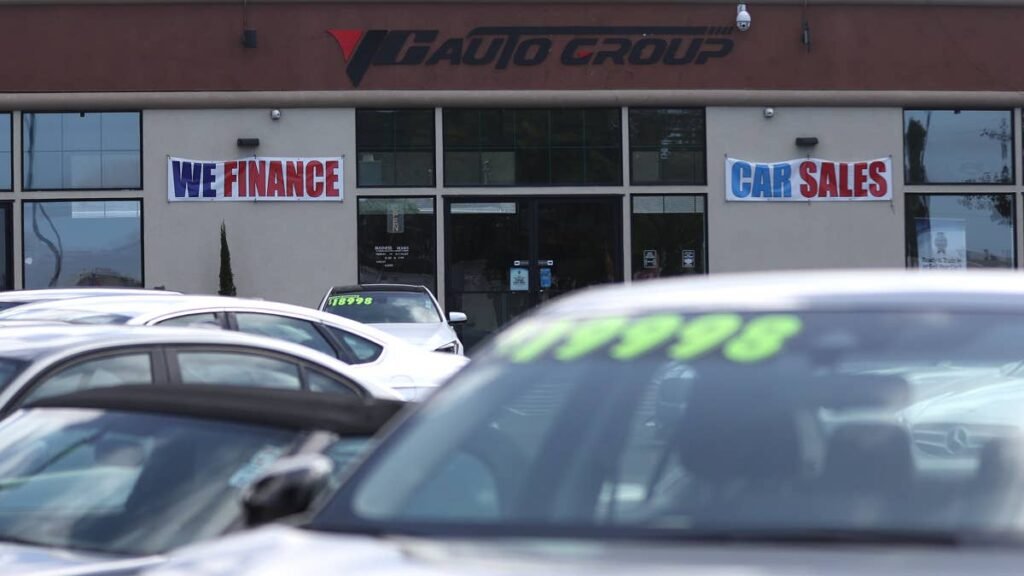
Car loans have been stretching for years, but 2026 looks set to break new records. With prices and interest rates still sky-high, more buyers are signing up for seven-year loans (or even longer) just to keep their monthly payments from going off the rails.
The real shocker? 84-month loans are taking off. Experian Automotive says nearly 36% of new-car loans and almost a third of used-car loans now run longer than 72 months. The 73- to 84-month bracket is growing the fastest, and even loans longer than that – once unthinkable – are starting to pop up, according to Automotive News.
Finance managers say seven-year loans are now just part of the landscape. Some dealers are even seeing 84-month financing on used cars – a move that would have raised eyebrows not long ago. A few lenders are now dangling 96-month loans, but most dealers aren’t eager to push buyers that far out on a limb.
Dealers Say Longer Loans Come With Long-Term Risks
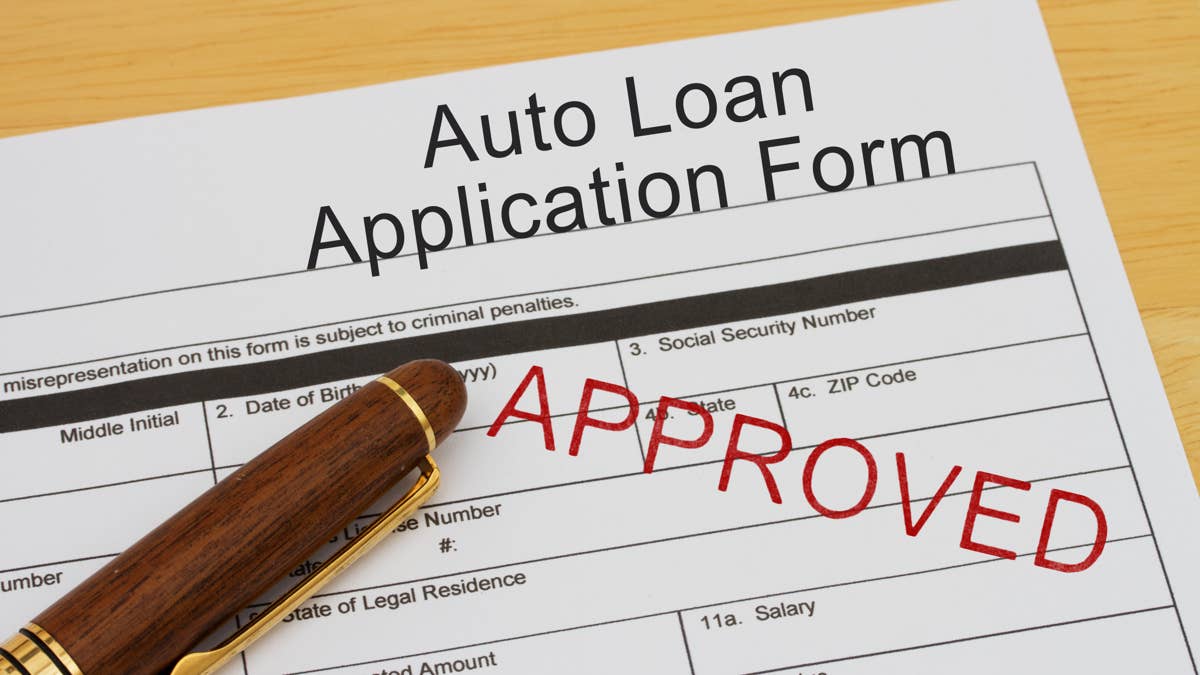
Stretching out a loan might make the monthly bill look friendlier, but dealers know it’s a ticking time bomb for problems later. An AutoPayPlus survey of roughly 250 dealership professionals found that 91% said at least half of their finance customers now take loans lasting 72 months or longer. Nearly two-thirds of respondents said more than 75% of their financed deals fall into that category.
When shoppers focus mainly on monthly payments, the most common solution is simply adding more months to the loan. About 60% of finance managers said extending the loan term is their primary strategy for helping payment-conscious buyers. Only a quarter said they first encouraged a larger down payment, while changing lenders or recommending biweekly payment schedules were far less common.
Dealers get why buyers are chasing longer loans, and that’s because cars aren’t getting any cheaper. But they’re also worried these stretched-out deals will keep people stuck in their cars for years, putting the brakes on trade-ins and slowing down the usual upgrade cycle.
Ford
Negative Equity Is Becoming a Bigger Concern
One of the nastiest side effects of these marathon loans is negative equity – that’s when you owe more than your car is actually worth. According to the AutoPayPlus survey, 51% of dealers said negative equity frequently prevents trade-in deals from closing, while another 40% said it happens in almost every deal.
Edmunds also found that 31% of trade-ins toward new vehicles in the first quarter carried negative equity, the highest level since early 2021. Buyers in that situation owed an average of $7,813 more than their vehicles were worth, a figure that has climbed sharply over the past five years.
Longer loans make it harder to build equity, plain and simple. Plenty of buyers who grabbed cars during the pandemic price spike are now learning their rides lost value faster than they can pay them off.
Dealers aren’t just thinking about today’s sale. The real worry is whether buyers locked into seven-year loans will be able – or even willing – to come back when it’s finally time for a new set of wheels.