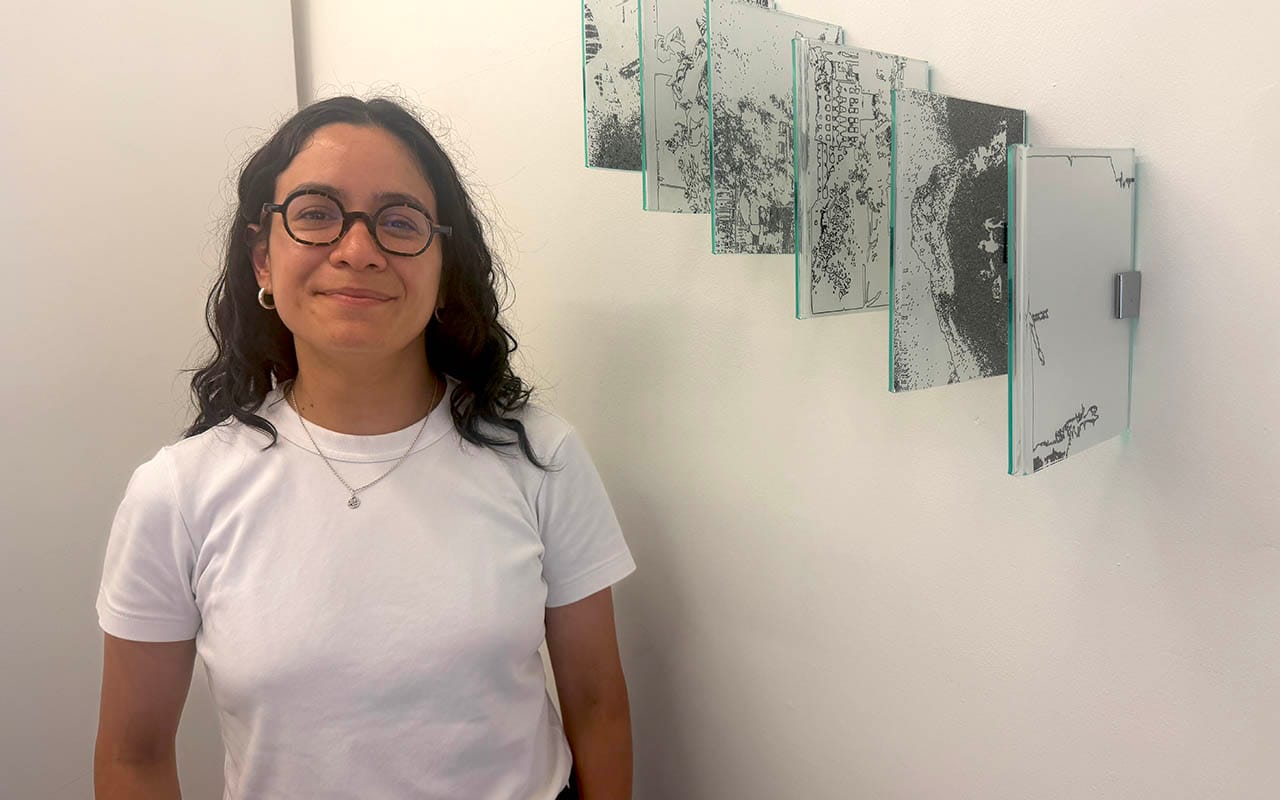
After getting a Democratic Socialist Muslim mayor and winning its first NBA championship in 53 years, New York’s next big surprise could be a congresswoman who started out as an artist and art worker.
New York State Assembly Member Claire Valdez, a union organizer at heart, is running for New York’s 7th Congressional District in the US House of Representatives. The seat covers large swaths of what’s recently been dubbed the “Commie Corridor,” a sequence of relatively progressive neighborhoods in Queens and North Brooklyn that are also home to a large population of artists. This constituency includes denizens of Williamsburg, Greenpoint, Bushwick, Long Island City, and Ridgewood, where Valdez herself lives.
The Texas-born 36-year-old assemblywoman, a member of the Ysleta del Sur Pueblo, studied painting and art history at the School of the Art Institute of Chicago. In 2015, she moved to New York to become a professional artist and worked jobs at Taco Bell, Trader Joe’s, and Pizza Hut to sustain her dream. Things started looking up when she found a job as a program assistant in the visual arts department at Columbia University. It’s there that she discovered her love for organizing, joining UAW Local 2110 to bargain for better working conditions for her colleagues. In 2019, she joined the New York City chapter of the Democratic Socialists of America (DSA) alongside a young, vibrant comrade named Zohran Mamdani. In 2024, she had her first political victory, sweeping the State Assembly election in the 37th district and ousting a scandal-ridden incumbent.
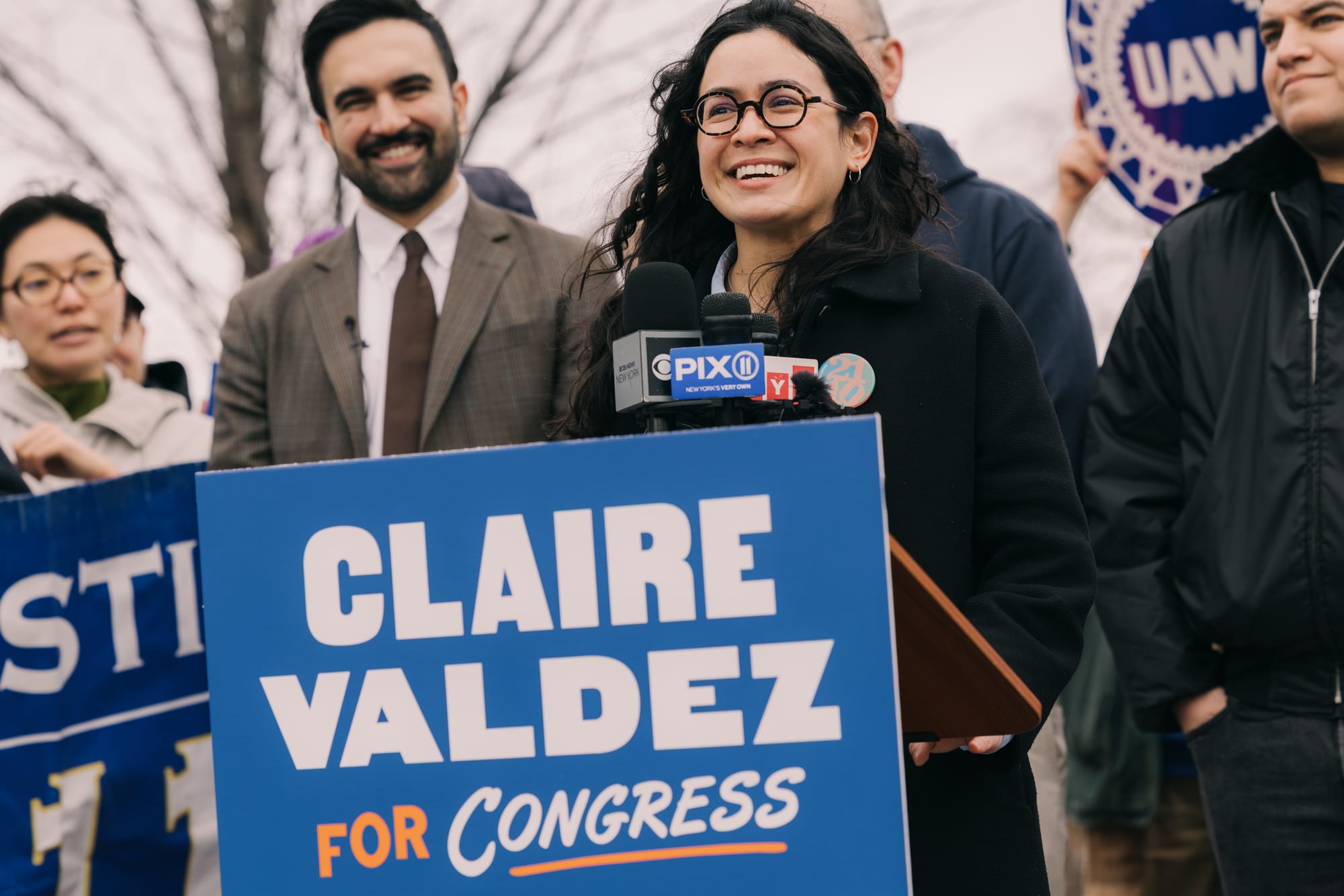
Valdez stands for abolishing ICE, taxing the rich, Medicare and unions for all, universal rent control, and a free Palestine. She has received endorsement from Mayor Mamdani, Senator Bernie Sanders, Congressman Ro Khanna, and UAW President Shawn Fain, among others (Congresswoman Alexandria Ocasio-Cortez seems reticent despite endorsing Valdez’s 2024 Assembly run). Recent polls give Valdez a slim two-point lead over her main opponent, Brooklyn Borough President and South Williamsburg native Antonio Reynoso, who’s running on a similar progressive agenda — abolish ICE, tax the rich, end the genocide in Gaza — and enjoys the backing of several large unions, and some members of the Working Families Party. Reynoso was also endorsed by Congresswoman Nydia Velázquez, whose seat he and Valdez are vying for. To win the Democratic primary on June 23, Valdez will need a strong turnout of young voters.
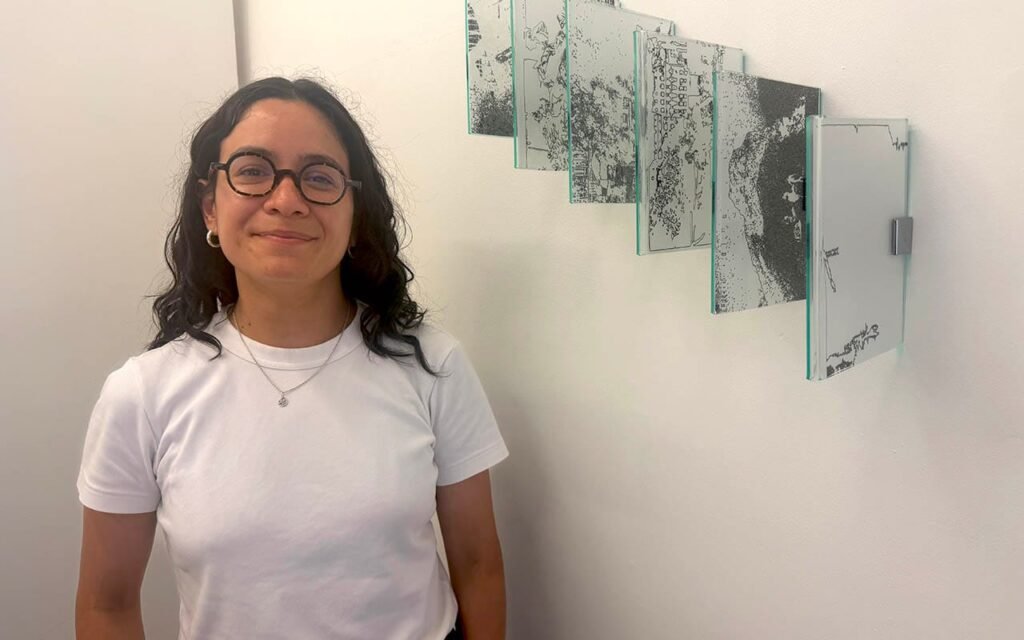
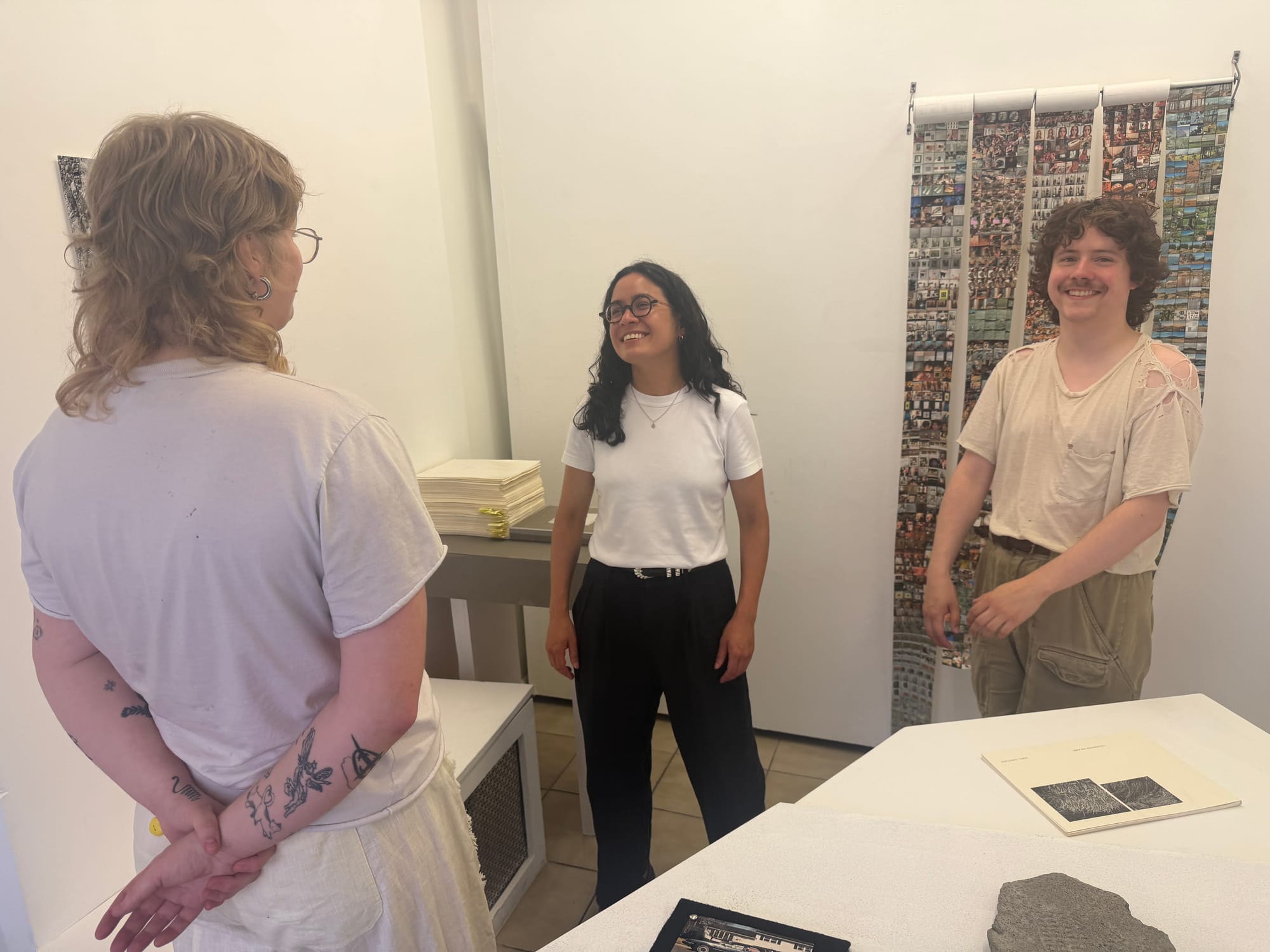
I met Valdez at Ridgewood’s Sinkhole Gallery, a tiny space run by her friend, artist Dana Buhl. In the presence of two artists from the current exhibition Moving Through, we talked about Valdez’s life as a painter, her political origin story, and her plans for Congress, if she makes it there. The conversation has been condensed and edited for clarity.
Hyperallergic: Why are you doing this to yourself?
Claire Valdez: I think the shortest answer is — I was asked to.
In the tradition of all great organizers and organizations, we ask people to do something that maybe is uncomfortable or scary, and hope that they’ll step into that power. I was approached by a number of members of my union and within my political home, the DSA, to consider doing it.
We’re at this terrible crisis moment where bosses and billionaires are crushing working people. They’re making our rents too expensive; they’re cutting our wages; they’re stealing our time. As somebody who once aspired to be an artist and came to New York to pursue that dream, the purpose of our movement is to make sure that anyone can be an artist, that everyone has the time off, and the living wages, and the healthcare, and the space to pursue passions, to spend time with family, to live a good life. That’s not on offer right now from the Democratic Party, certainly not from the Trump administration. We need people who have that kind of vision and grounding to go to Congress and organize for it.
H: Can you tell me about that moment in 2015 when you decided to move to New York to become a professional artist?
CV: I was living in Chicago and making art there. There was a moment when a lot of my community were either going to LA or to New York, and I’d always wanted to live in New York City, so I took the opportunity to move and find a creative community here that I can be part of and enjoy. When I first arrived, I was trying to make work — I went from making pretty big paintings to making little, book-sized paintings in an eight-by-eight-foot room in Bed-Stuy.
H: So the space constrained your work?
CV: It was a combination of just not having space, but really not having time. I started working as operations manager at SculptureCenter in Long Island City, where we worked nights and weekends, so I was really busy. I felt like I was adjacent to art and helping artists make their work, and that was really wonderful, but I didn’t have any time to make my own paintings or spend time developing the community that I think is really required for making art.
H: How did you end up working at Columbia University?
CV: Kind of by accident. I was looking for a better work-life balance so I could spend more time making art. It just happened that the person who was running the visual arts program at the time was somebody that I knew from Chicago, and it ended up working out. That’s where I caught up with how cool it is to have a union. I thought: What a gift it is to be able to punch out at 5 o’clock and not have to look back. That was the first time in my life that I’d had that experience. I just thought it was so profound at the time, and I wanted to organize so that more people could have it.
H: And that’s how your political organizing career began?
CV: I’d been a political person and certainly radicalized by the invasion of Iraq. But once I had a union, I understood what it took to win the things that made my life so much better. That’s when I got really politically active and organized. I really wanted to fight back against Columbia, at the time a $14-billion-endowment institution. It’s one of the biggest landlords in New York City, and it was hard to see how it treated faculty, workers, and students during the encampments.
H: How did you cope with that silencing at Columbia?
CV: There’s still a lot of fear on campus about getting on the wrong side of the administration. It was inspiring to see young people put their bodies, housing, visas, education, and future job opportunities on the line to organize against the genocide and against Columbia’s complicity within it. For me, it reframed how much cowardice there was from so many of our politicians who have so much more of a platform, so much more political power and possibility, but did and said nothing. I think of those students who are organizing as incredibly brave. I hope history will reflect that someday.
H: Is leadership something you identified in yourself at a young age, or is it a new thing in your life?
CV: It’s a new thing. I really love being in a movement. I love being able to organize with people. You know, what I loved about making art was meeting people, being in their studios, talking about the work we were making, and organizing exhibitions. That was the fun part for me. Organizing within this movement has really taken the place of that.
For me, it was always: What piece of this can I hold in this moment? Is it knocking on doors? Is it organizing the canvassing? What’s my role to play? When I was asked to run for office the first time, it was a thing that I could give to the movement in that moment: being the face on the piece of paper.
H: You grew up in Lubbock, Texas. How different from others were you there?
CV: I was in a pretty racially segregated school, so I was often the only person of color in my classes. I was into art, and that wasn’t always a cool thing. It was an isolating experience, but it was through art that I found my community. I started making friends and spending time in my art teacher’s classroom during lunch breaks with other people who loved art and felt different.
H: What were the major themes in your paintings?
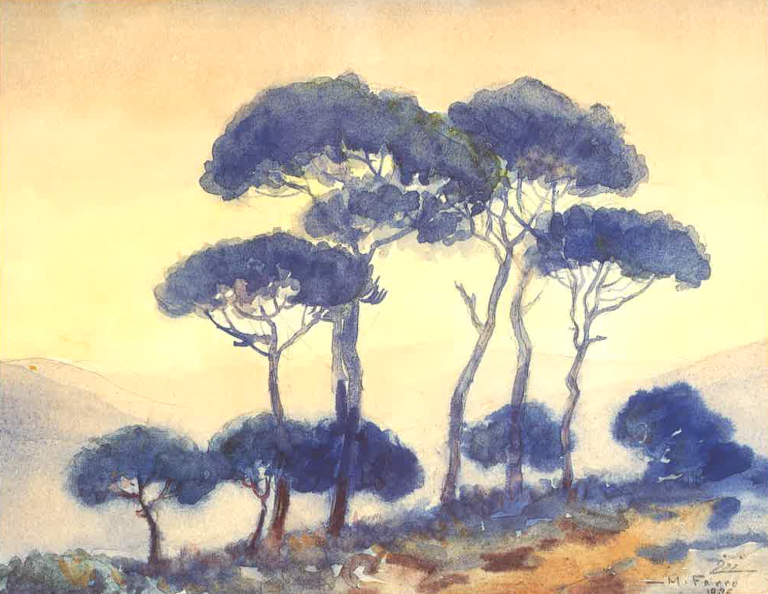
CV: I would describe them as landscapes. Paintings of the night sky, paintings of the moon.
H: Were they informed by the sprawling plains of your youth?
CV: Big skies is what I grew up with, and my parents driving us out to go see the moon and watch meteor showers. You’re very enclosed here. That’s why I like going to the beach. You can stretch your eyes out a little bit.
H: New York is becoming unlivable for many artists. What can you do to help make it more affordable for them?
CV: Artists are struggling with the same things as everyone else: housing, healthcare, and time off. We are fighting to make the federal government play a role in creating more housing that’s deeply and permanently affordable. We’re fighting for Medicare for all that is not dependent on your employment or immigration status. Your healthcare is truly a human right and should be free at the point of service. Coming out of the labor movement, one of the things I’m really passionate about is that every worker deserves to organize, and I think a lot of artists are foreclosed out of that because they’re not full employees in a lot of their work — they do gig work and are labeled as independent contractors. Expanding who is able to join a union is really important because artists are exploited constantly. As someone who worked in museums, arts workers are told all the time, “Just be grateful that you have this job with this prestige. Sure, it pays $30,000 a year, but maybe someday you’ll be an assistant curator or whatever.” No one should have to do that.
There’s a lot of things we can do to make life more affordable for artists. One of them is commercial rent stabilization to keep studio buildings less expensive. We can also directly fund artists in a better way.
H: I know you want to represent everyone, but are artists a demographic you think about more than the average politician?
CV: I think so, because I lived that life. So many people that I care about very deeply are artists, arts workers, workers at galleries, or art handlers, who are in precarious positions. Art is often treated as a luxury good and as an investment, not as something that is the representation of our collective humanity. The people who make art are workers who deserve remuneration, protection, and dignity.
H: How are you going to protect your dignity in Congress if you get there?
CV: Damn…
I think being part of a movement is the thing that should keep all of us accountable. I don’t do things by myself. I didn’t come to this work through electoral ambition or anything like that. It’s a desire to get as many people as possible into unions, to keep tenants in our homes, to win universal healthcare, and those fights can’t be won by one person. It has to be won by big coalitions and a movement full of people who want to take on corporate greed and billionaires. If I go to Congress, the most important thing for me would be staying connected to the movements that won me this seat.
H: What gives you the strength to pursue these big goals? Is it hope, or something else?
CV: I go to faith.
H: What kind? Religious faith?
CV: Not religious faith. Just faith in people, in the working class, and in the power that we have.