China Dominates Parts Supply Chains
“Made in China” may be one of the most common pieces of printed literature in the world right now. Even if it was assembled in the good ol’ U.S.A., what about the sum of its parts? What about Chinese-made American-branded cars from General Motors’ portfolio? Or perhaps the OEM or replacement parts that come from China that are circulating all over the globe?
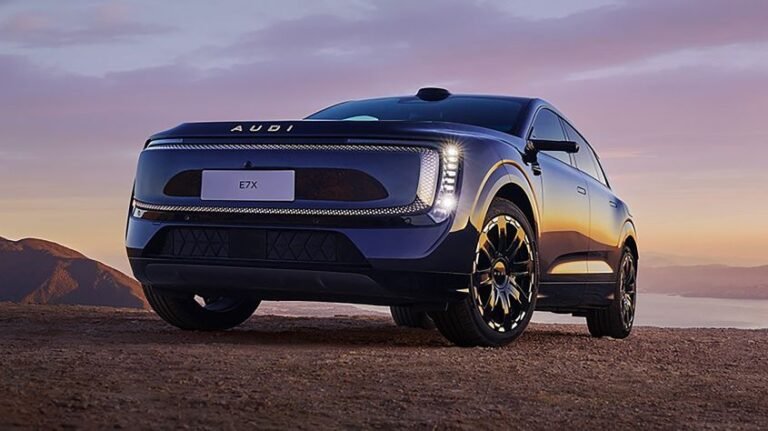
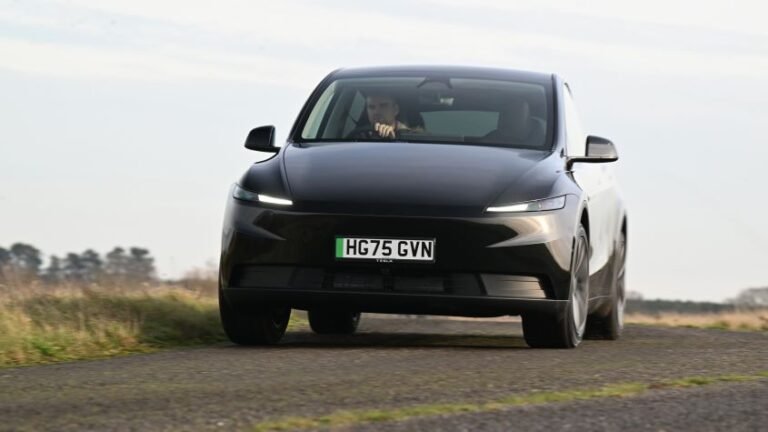
American, Japanese, Korean, and European cars are in the U.S., but Chinese cars aren’t, at least not the true Chinese brands. While Chinese car brands aren’t available in the United States for now, the country’s parts dominate the supply chains for pretty much any brand you can think of. You may not know it, but there are quite a few cars that are quantifiably Chinese in the United States, even if their assembly point of origin begs to differ.
On the Flip Side
Chinese automakers are nowhere to be found in the U.S. Sales reports, at least not for now. While BYD, Geely, and SAIC Motor are major players in China and throughout the rest of the world, the U.S. market has been noticeably resistant, with established players urging the American government to keep them at bay.
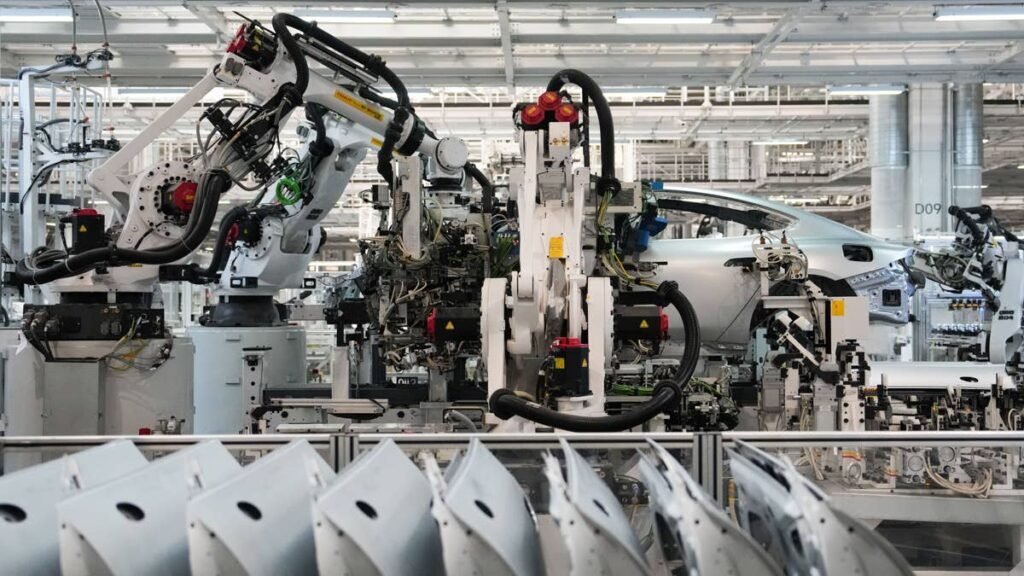
On the other side of the coin, more than 60 U.S. auto suppliers are owned by Chinese companies. Things like airbags, auto glass, steering systems, suspension dampers, and more are more often than not sourced from China. According to a report by the Wall Street Journal, “Chinese companies have amassed ownership stakes in about 10,000 suppliers in America, according to data, including stakes as small as 5%.”
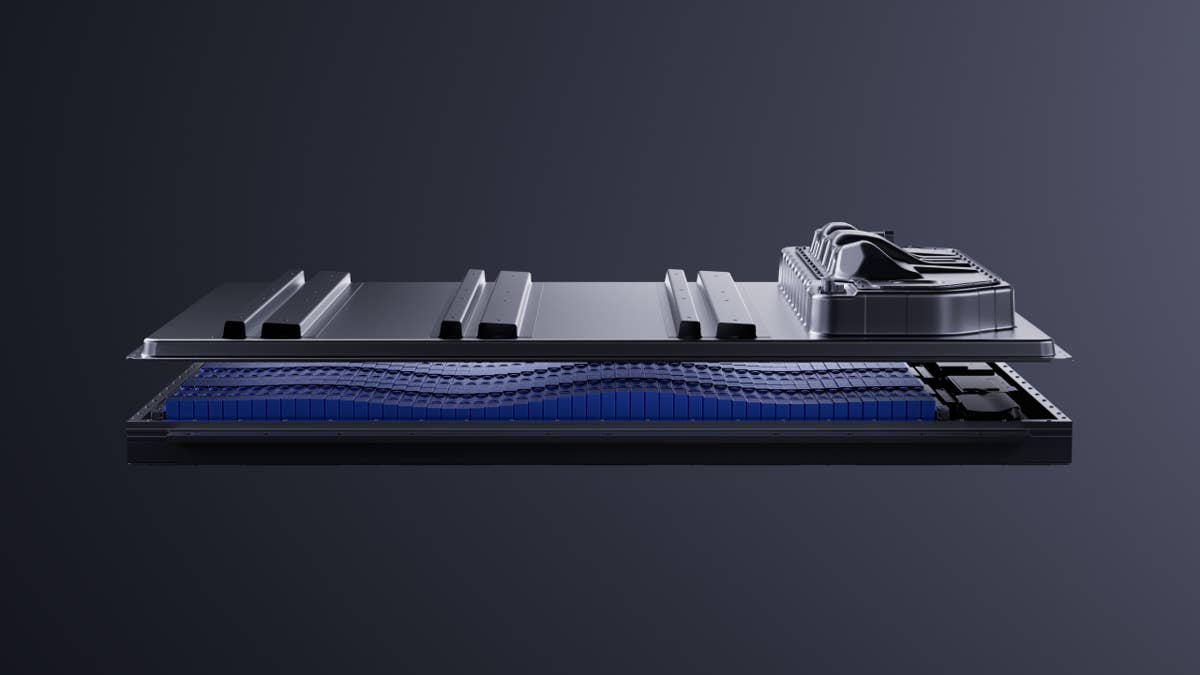
Automotive industries dominated by China include electric-vehicle battery manufacturing. CATL is one of the largest battery manufacturers in the world, and it said that U.S. automakers continued to turn to it even after tariffs.
Eliminating Chinese Parts
U.S. lawmakers have recently been considering eliminating Chinese parts from the supply chain. A U.S. Senate bill was filed that would ban Chinese-made cars and safety components, which include airbags and seatbelts.
The WSJ also reported that more than 50 House Republicans urged the Trump administration to “block Chinese automotive and battery companies from manufacturing in the U.S.” Doing so would put domestic industries at risk, prompting the U.S. government to urge automakers to de-emphasize the use of Chinese parts in their vehicles.
On top of that, the letter urges the current administration to “reject any attempts by China to establish vehicle and battery manufacturing facilities in the United States, or the broader North American market.”
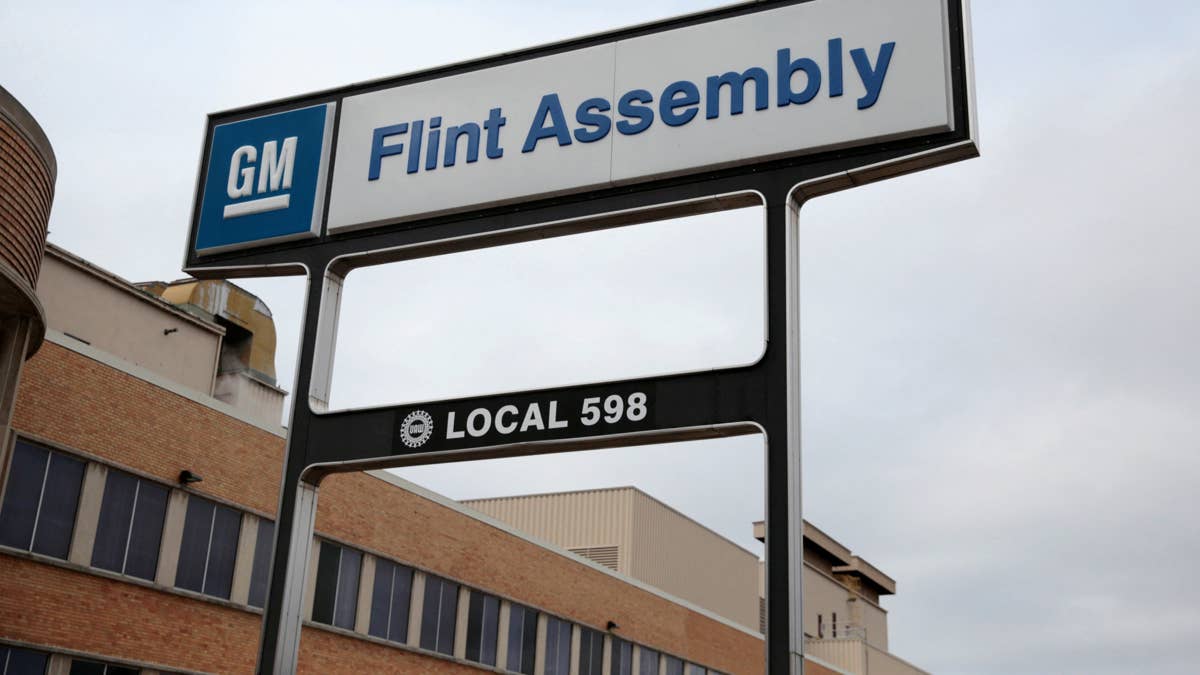
Brands like Tesla have started requiring their suppliers to exclude China-made parts and components in their U.S. manufacturing operations. Meanwhile, GM’s CEO, Mary Barra, stated that the company had reduced its direct spending on Chinese parts for U.S.-made cars to less than 3%. The result is that GM will source locally-sourced parts from the country in which it builds its cars.
MICHAEL MACOR/The San Francisco Chronicle via Getty Images
American Cars, Chinese Parts
While Ford‘s CEO is urging the U.S. Government to keep Chinese cars out, the Blue Oval remains open to the idea of allowing Chinese automakers to build cars in the United States, which could also help it compete in Europe. While the current collaborative landscape isn’t exactly cut-and-dry, the numbers the WSJ gathered tell a different story.
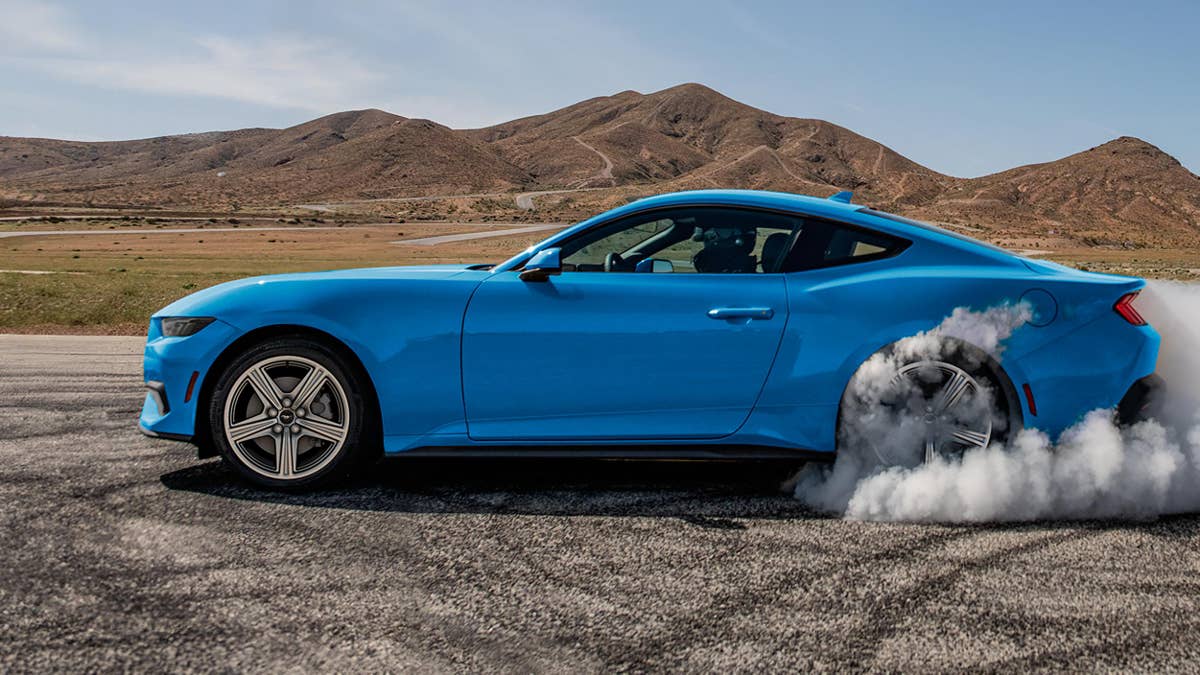
The latest Ford Mustang GT uses a six-speed manual transmission sourced from China. Even some American brands, such as General Motors, show up to 20% Chinese parts in some of their cars. Ford’s working with American lawmakers on the Chinese car bans, while GM reportedly declined to comment, according to the report. Given GM’s manufacturing operations in China and its several brands with Chinese backing, its decision to remain quiet on the topic is expected.
It’s crazy to think that a few decades ago, Chinese auto part makers weren’t taken that seriously. Once viewed as a cheaper, good-enough alternative, it now has established players trying to resist, while still buying parts from China for its cars.
Ford