The Push for Bulletproof Battery Safety
Electric vehicles are dominating global roads and bringing battery safety into the intense spotlight. Automakers are constantly engineering new physical solutions to protect battery packs from catastrophic damage. Toyota recently developed a highly protective method to mount electric vehicle batteries to shield them during severe crashes. Nissan is exploring similar innovations by patenting active battery mounts designed to dynamically absorb physical shocks and road vibrations.
According to a report from CarNewsChina, China is now accelerating this safety push with sweeping national regulations. Starting July 1, 2026, the country will enforce strict new safety standards across its massive electric vehicle market. The rules mandate a physical one-touch power-off switch to immediately disconnect high-voltage systems during a crash. Regulators are also upgrading thermal safety rules to demand absolutely zero fires or explosions during battery failures. Automakers must also pass brutal new underbody impact tests and prove their batteries remain perfectly stable after 300 rapid charging cycles.
Brian Iselin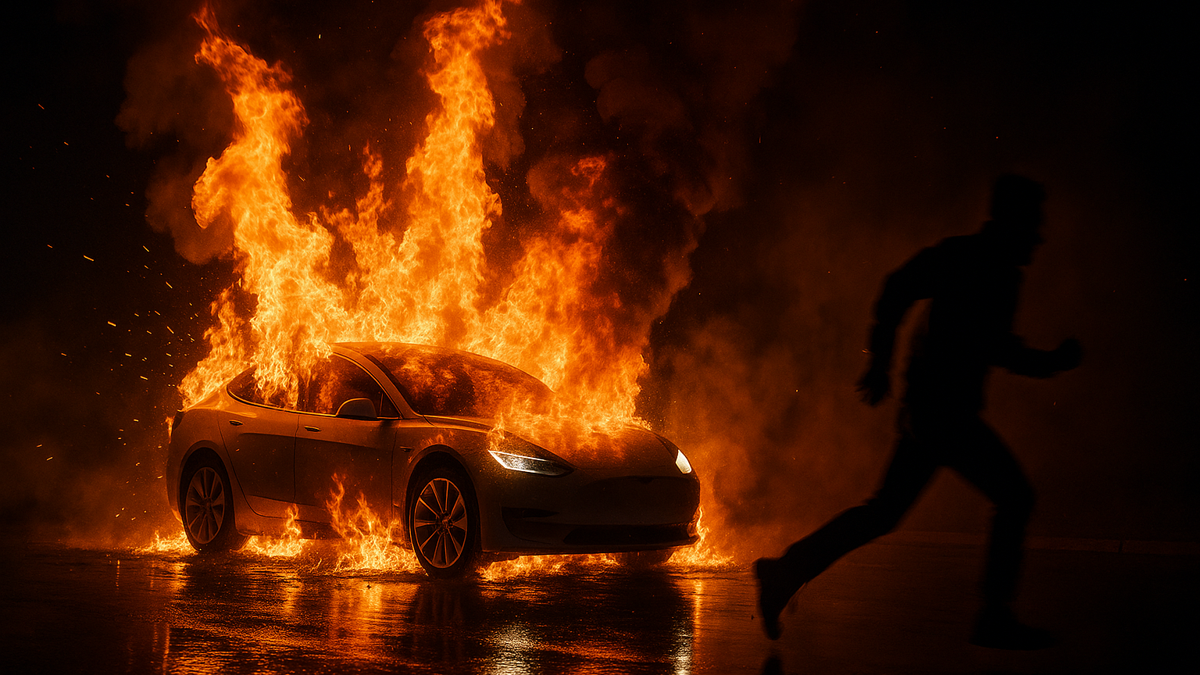
Industry Consolidation and Solid State Dreams
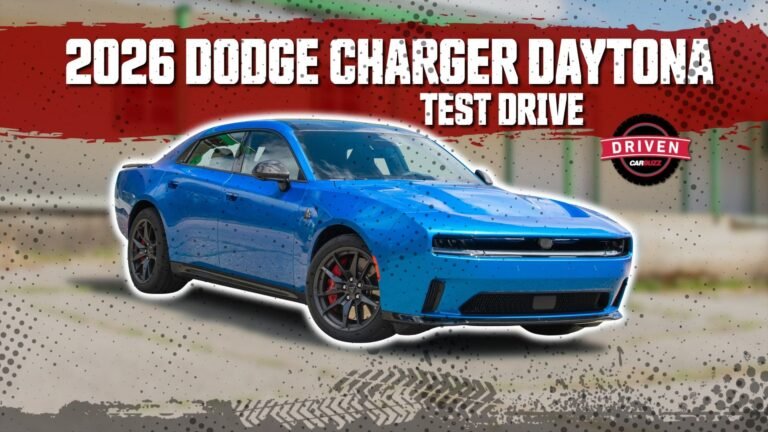
Solid-state batteries promise to eliminate thermal-runaway concerns through advanced, stable chemistry. Stellantis recently confirmed it will begin testing this next-generation technology in the new Dodge Charger Daytona. Despite this exciting progress, major automakers remain highly doubtful about when solid-state technology will actually reach affordable mass production. This delayed timeline makes aggressive government regulation of current battery designs absolutely necessary.
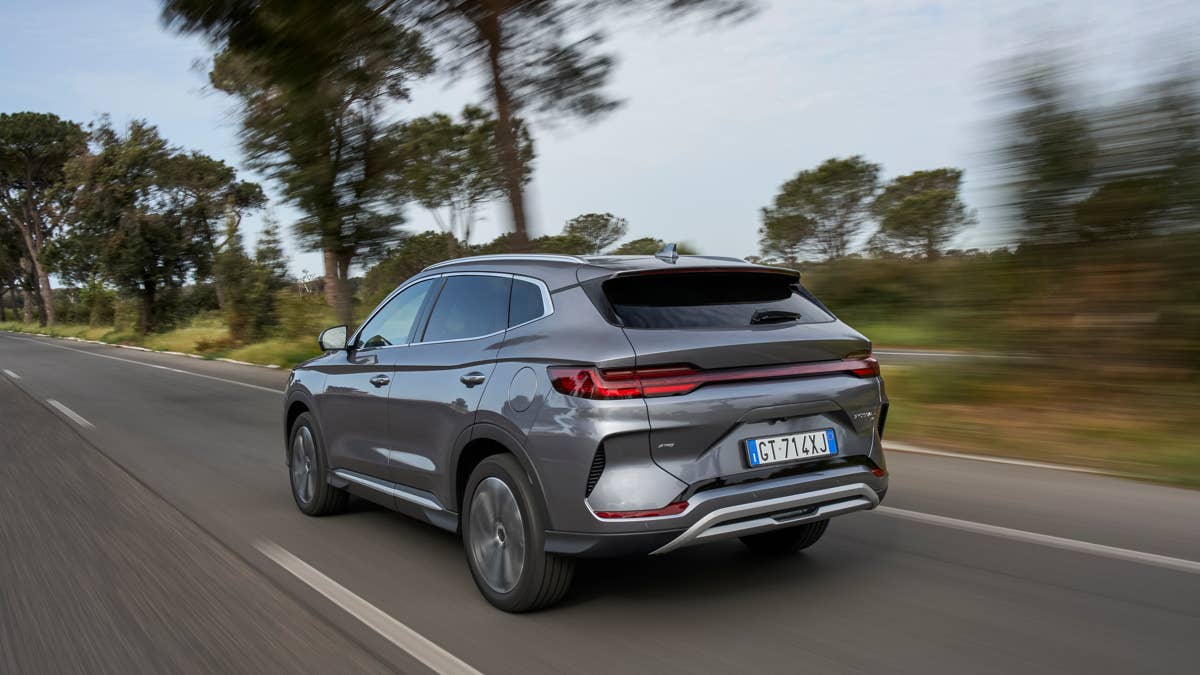
The new Chinese mandates are expected to heavily consolidate the domestic auto industry. Experts predict the strict rules will curb vicious competition from brands selling low-quality vehicles at cutthroat prices. Industry leaders like CATL and BYD have already confirmed that their current battery systems exceed the upcoming government requirements. While these new safety measures might slightly raise the upfront cost of building a car, they will stabilize the broader market. Standardized safety will improve used vehicle valuations and drastically reduce insurance premiums for owners.

The Lowdown: Engineering Consumer Confidence
Public perception regarding electric vehicle safety is completely distorted by sensationalized news coverage. Recent data and comprehensive studies clearly show that electric vehicles are far less likely to catch fire than traditional internal combustion cars. Gas-powered cars carry tanks of highly flammable liquid and rely on thousands of tiny explosions every minute. Despite this reality, the average buyer naturally fears unfamiliar technology and worries about rare chemical battery fires.
The upcoming regulations in China serve a massive psychological purpose beyond simple engineering improvements. These strict laws are carefully designed to create a sense of calm and reassure hesitant customers. Forcing automakers to build cars with zero fire guarantees proves that the technology is maturing rapidly. These rules reassure the public that electric vehicles are safe and reliable for daily family use. Ultimately, this regulatory pressure will force global manufacturers to further reinforce their technology and build fundamentally better cars.
BYD