BYD’s Rise Meets Resistance at Home
BYD has been one of the most formidable success stories to emerge from China’s auto industry. Its meteoric rise has been so pronounced that it has even been linked to a potential entry into Formula 1, while also forcing Tesla to rethink its software update strategy and competitive positioning.
For years, BYD’s vertical integration, aggressive pricing, and rapid model rollout gave it an edge both domestically and globally. But the latest numbers suggest that momentum is no longer as straightforward as it once seemed.
According to a report from Car News China, in April 2026, BYD sold 314,100 passenger vehicles, representing a 15.7 percent year-on-year decline. That marks the eighth consecutive month of contraction compared to the same period last year. While the figure improved by 6.2 percent compared to March, the broader trend points to sustained pressure in China’s domestic EV market. The post-Chinese New Year rebound helped stabilize monthly volume, but it has not reversed the longer downward trajectory that began in late 2025.
BYD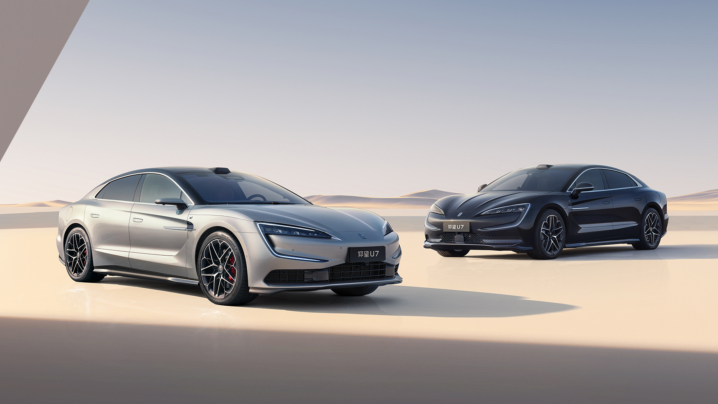
Exports Surge But Not Enough to Offset Decline
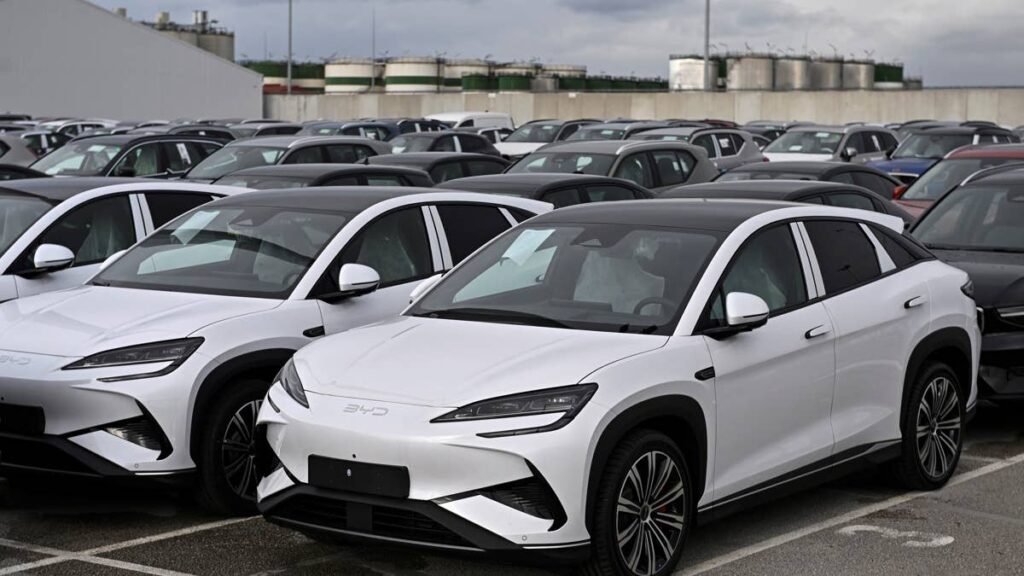
Despite weakening domestic demand, BYD’s overseas business continues to expand at a rapid pace. The company recorded 134,542 passenger vehicle exports in April alone, a 70.9 percent increase year-on-year. That figure now accounts for 42.8 percent of total monthly sales, underscoring how critical international markets have become to BYD’s growth strategy. The company is clearly relying on exports to offset weakness at home.
However, the gap remains significant. From January to April, BYD sold just over 1 million passenger vehicles, down 26.4 percent from the same period last year. Overseas deliveries reached 455,707 units, up nearly 60 percent, but still not enough to fully counterbalance domestic weakness. The company has set an ambitious target of 1.5 million overseas sales for 2026, signaling confidence in its global expansion. Whether that target is achievable will depend on how quickly new markets scale and how competitive BYD remains outside China.
Rachen Sageamsak/Xinhua via Getty Images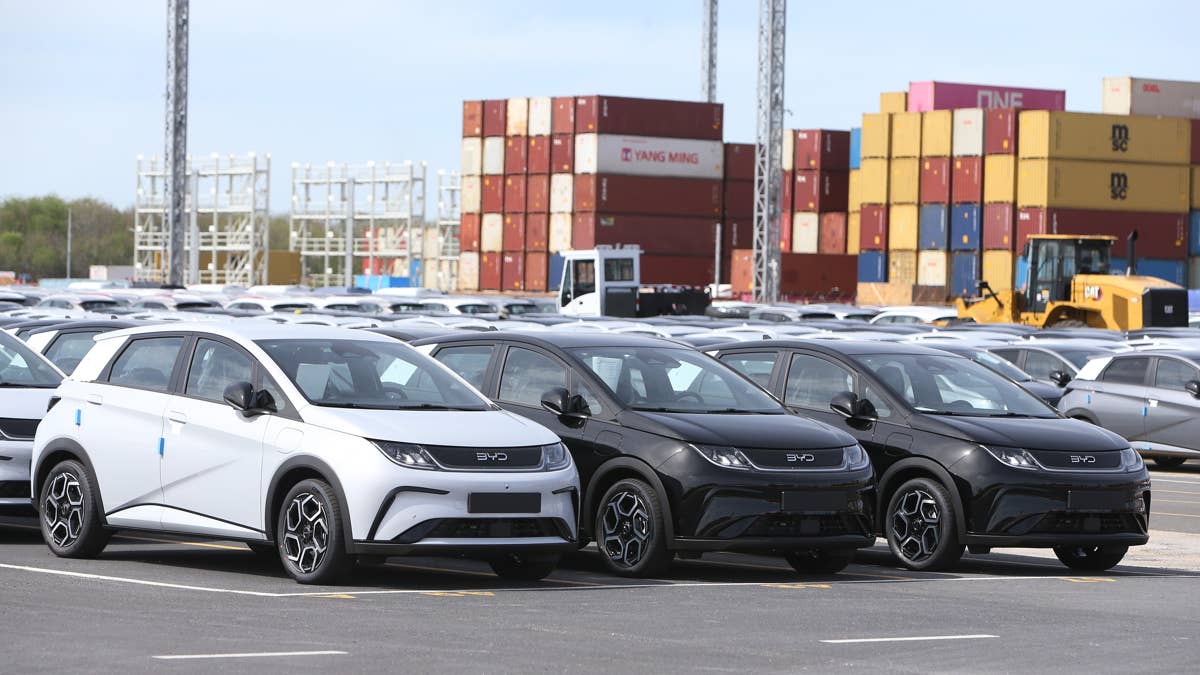
BYD Has Its Own Competition to Worry About
BYD is not the only Chinese car company on the up and up. Rival Chinese automakers like Geely and Chery have been gaining traction, not only in EVs but also in internal combustion and hybrid segments. China’s auto industry is evolving into a global powerhouse, with BYD still at the forefront, but the competitive landscape is becoming more complex. Domestic price wars and shifting consumer preferences are putting pressure on margins and volumes across the board.
The company is betting on technology to regain its edge. Its next-generation Blade battery and ultra-fast charging systems are positioned as key differentiators, and early indicators suggest strong market interest. One of its newest SUVs equipped with the technology reportedly secured 30,000 orders in a single day. That kind of response shows there is still significant demand for innovation-driven products. The question is whether these advancements can translate into sustained sales recovery. For now, BYD’s global push is buying it time, but the real test will be whether it can reignite growth in its home market.
BYD