Silence Isn’t Selling
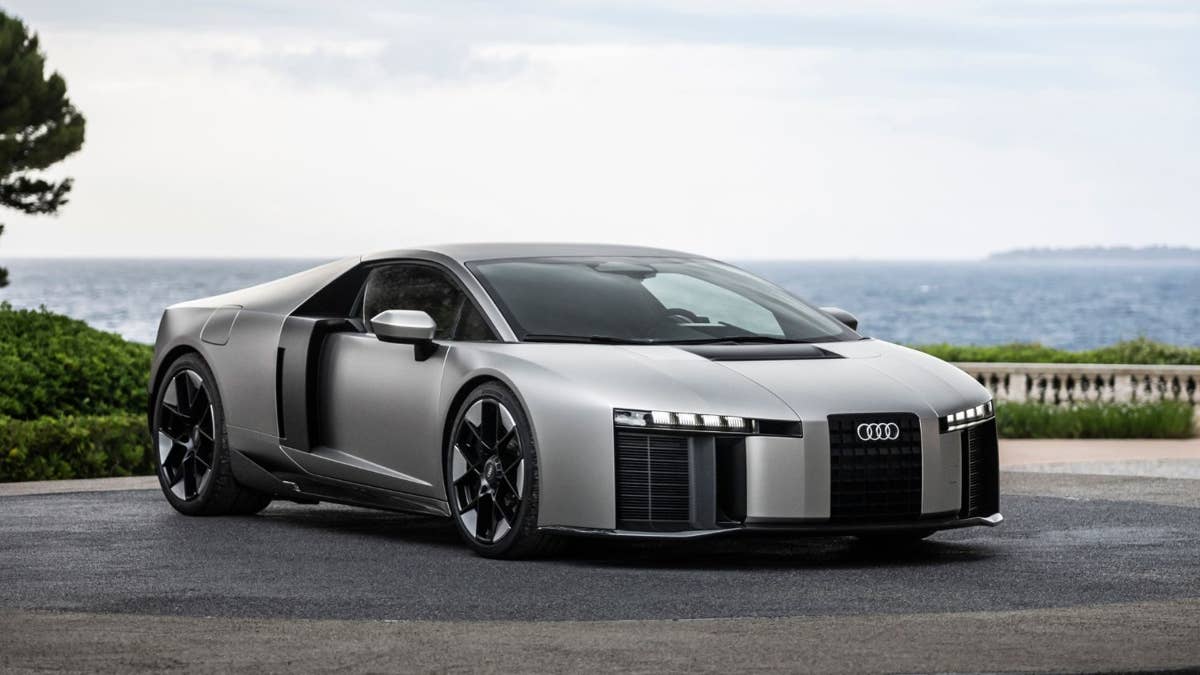
Because performance cars tend to have larger and more powerful engines than mass-market cars, they appeared particularly vulnerable amid the industry’s shift toward electrification to reduce emissions. However, as the electrification era progresses, the opposite is unfolding, as evidenced by Audi introducing the Nuvolari with a combustion engine.
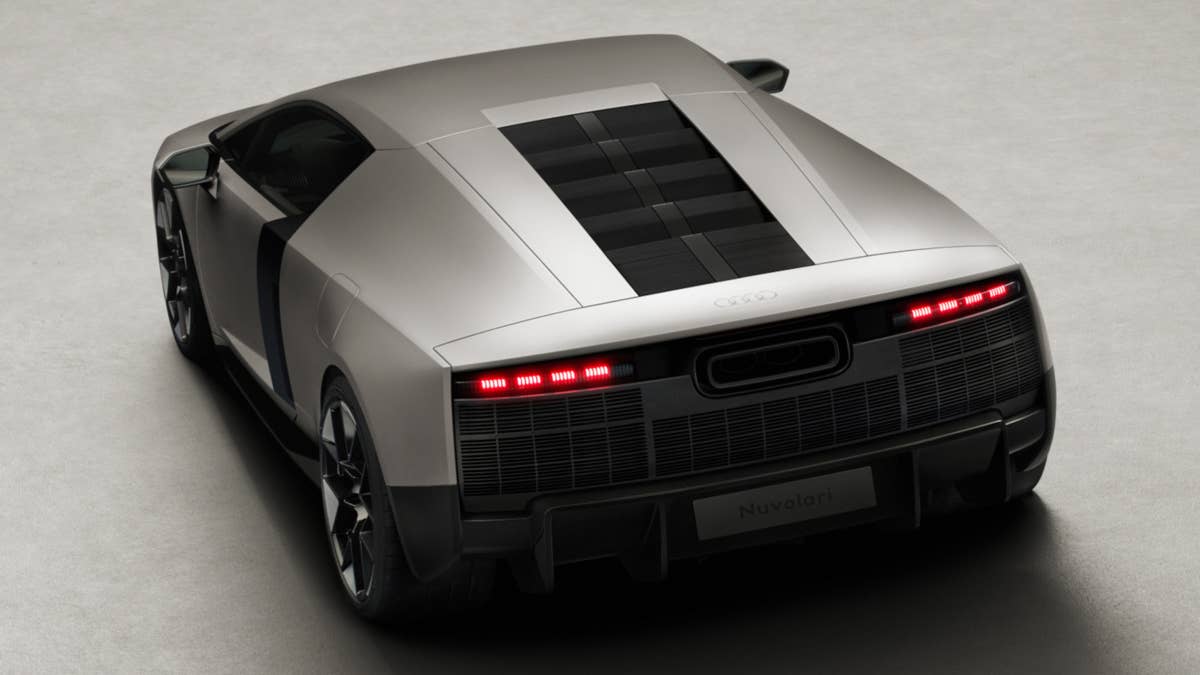
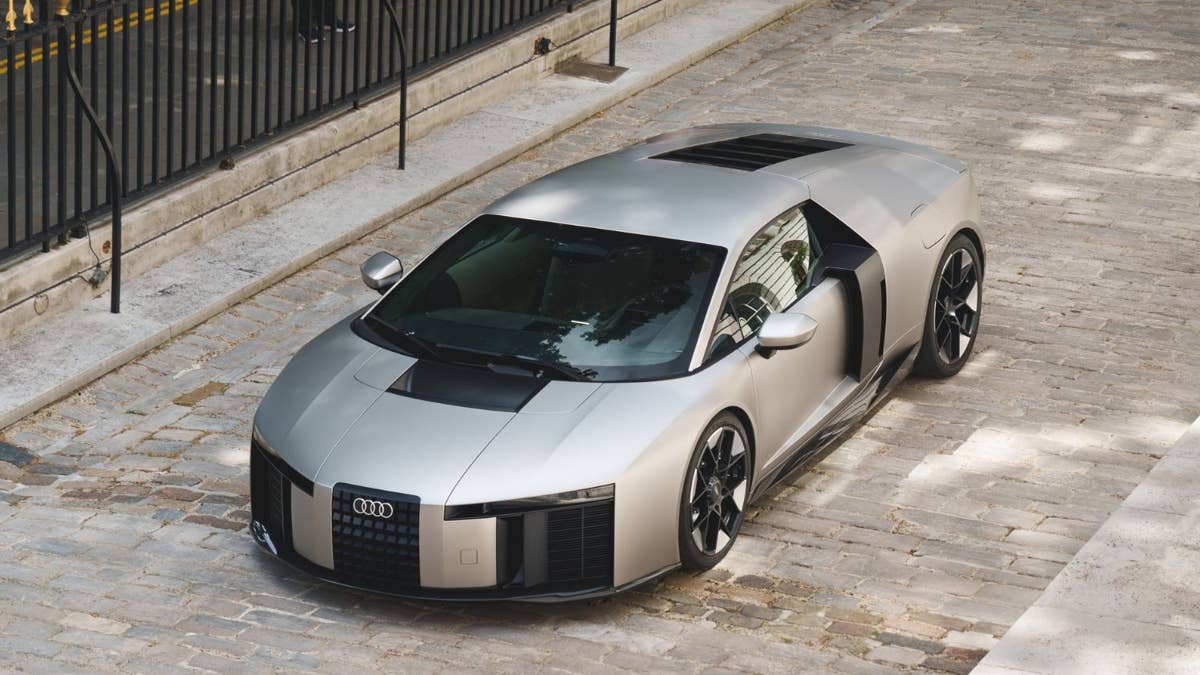
Instead of adopting an all-electric powertrain, the Nuvolari – which starts at around $700,000 – is equipped with a 4.0-liter twin-turbo V8 and three electric motors, delivering a combined 987 horsepower. It uses a plug-in hybrid architecture similar to that of the Lamborghini Temerario. Audi CEO Gernot Döllner, via Automotive News, offered an explanation for why supercars still get big, loud engines, saying, “The higher the segment is, the more the enthusiast still loves the combustion engine.”
Audi
The Rich Still Want Drama
Döllner went on to say that EVs tend to be more widely accepted in the mass market, adding, “The lower the segment is, the more battery electric is accepted.” Sure, the Nuvolari has a hybrid powertrain that can help reduce emissions, but unlike daily drivers such as the Toyota RAV4 Hybrid, electric motors in supercars tend to focus more on improving performance than maximizing efficiency.
With affluent buyers preferring combustion-powered supercars, it is not hard to see why legacy automakers have retained that type of powertrain in their flagship models. Ferrari offers the F80 with a twin-turbo hybrid V6, while the Lamborghini Revuelto boasts a 6.5-liter naturally aspirated V12 and three electric motors.
Another performance brand sharing that sentiment is Bugatti, whose latest model, the Tourbillon, was sold out immediately. Starting at $4.1 million, the Tourbillon comes with an 8.3-liter naturally aspirated Cosworth V16 and three electric motors, producing a combined 1,775 horsepower.
Bugatti and Audi have also used similar watch analogies to explain why wealthy buyers still choose combustion-powered supercars. Although digital watches offer more functions and greater practicality – much like EVs with their instant torque and blistering acceleration – the rich still spend fortunes on analog mechanical watches, which represent the theater and craftsmanship of combustion-powered supercars.
Supercars Are Still Loud
Given these latest entries in the supercar world, combustion engines appear likely to stick around at the highest end of the market, even as EVs continue to expand across mainstream segments. Only time will tell, but Italy has previously sought special treatment for low-volume supercar makers under emissions regulations, arguing that homegrown brands like Lamborghini have a relatively small environmental footprint. Synthetic fuels could also help extend the life of combustion engines, though they are not yet commercially viable at scale.
For now, the Nuvolari will be limited to 499 examples, with deliveries scheduled to begin in the first half of 2027. The German marque is also developing a separate all-electric sports car expected around 2028.
Audi