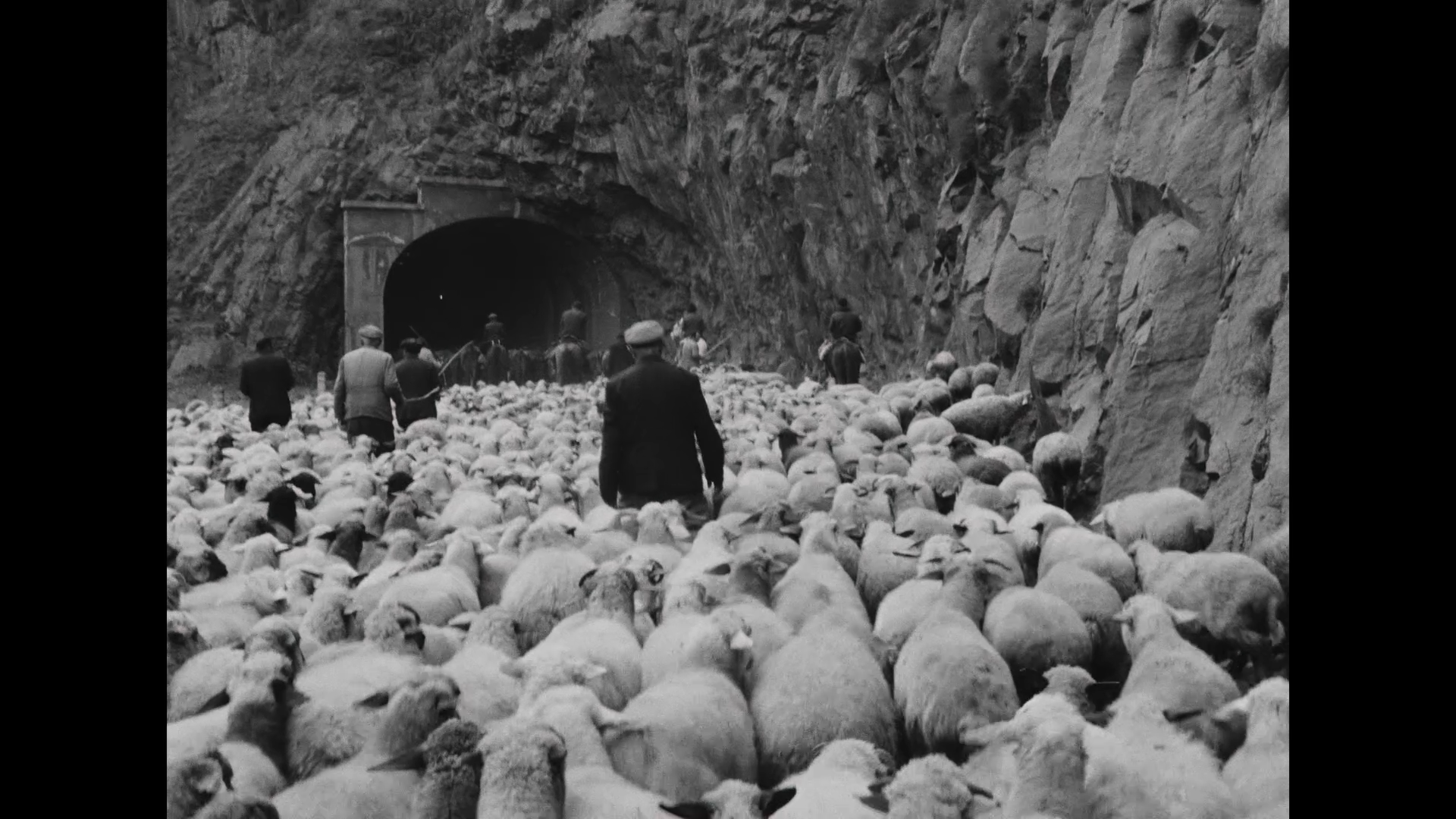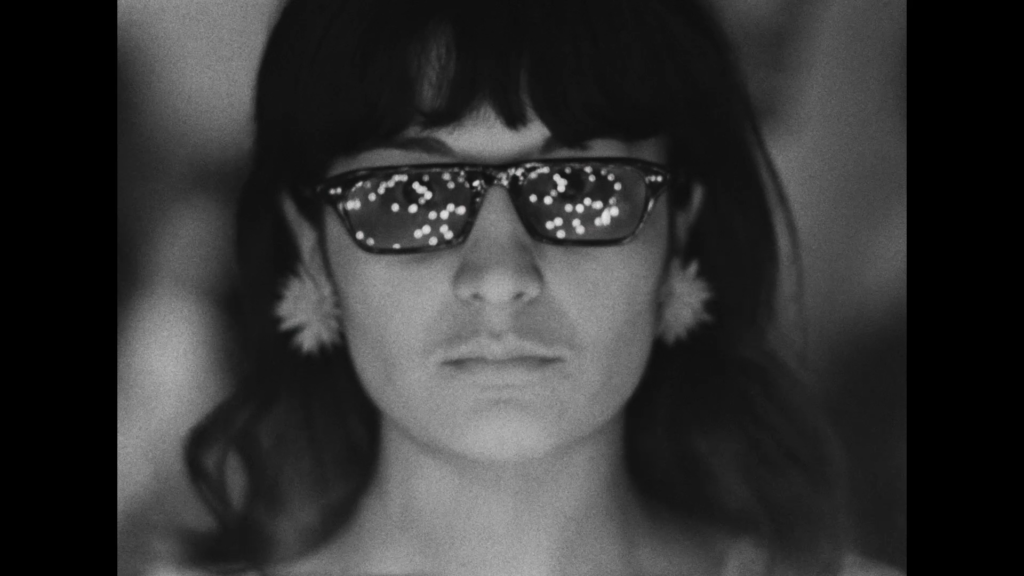
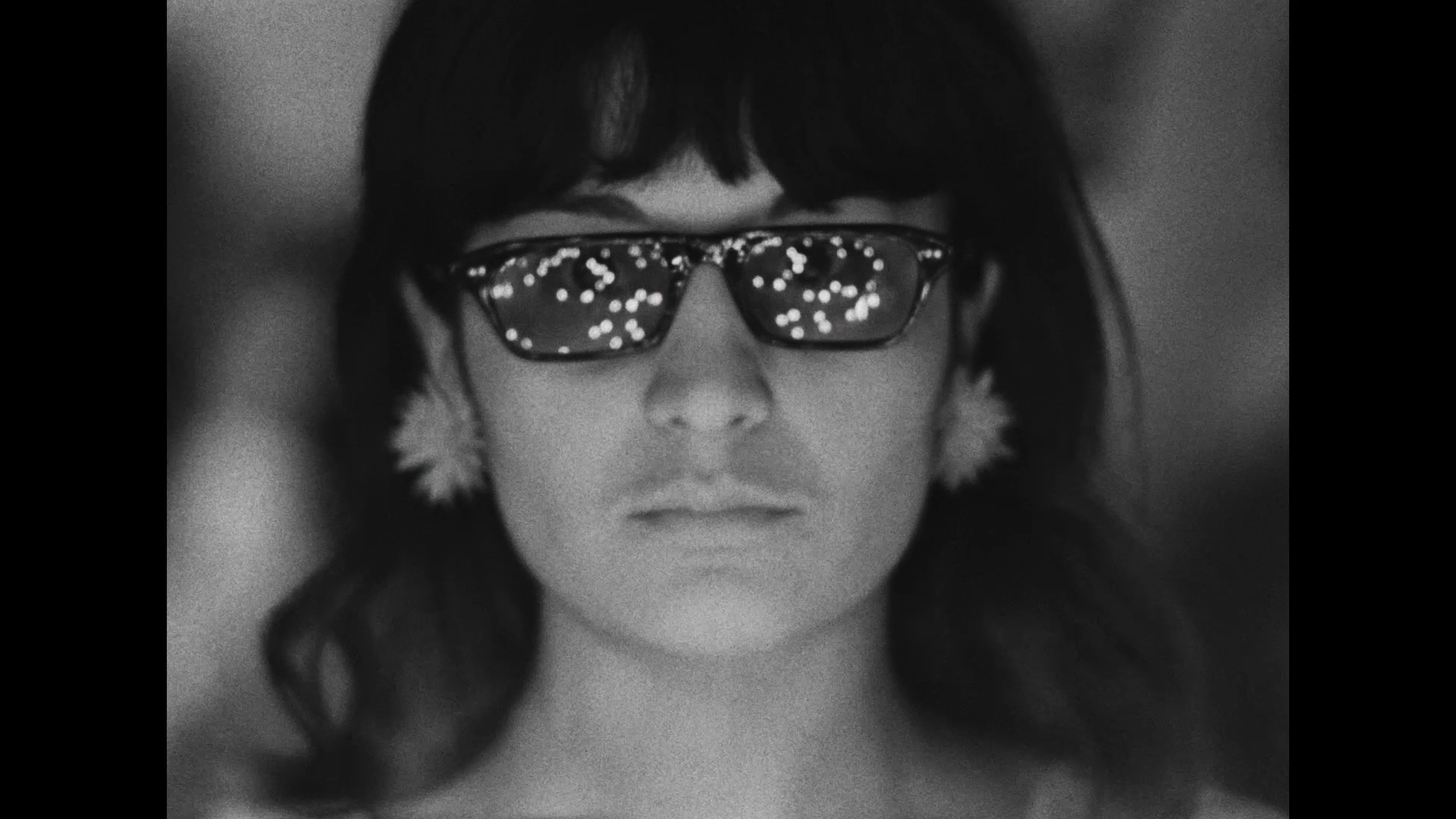
Artavazd Pelechian said his piece, and his admirers have waited decades for the world to take notice. The Armenian filmmaker, active primarily during the Soviet era, has a concise oeuvre: 13 works, mostly shorts, with two features that barely crack an hour. Aside from 2019’s Nature, he has not released anything since 1994. International recognition came gradually, but it has grown enough that many of his films have received 4K restorations that premiered at different festivals over 2026. Recently, the Pelechian Project was showcased at the New York Film Festival (NYFF), with eight of the director’s restored works in the program.
At the storied All-Union State Institute of Cinematography in Moscow in the 1960s, Pelechian and his peers studied the work of titanic Soviet directors like Sergei Eisenstein, Vsevolod Pudovkin, and Dziga Vertov, who shaped cinematography and editing in cinema’s early days. Pelechian deviated from their example, developing an approach he described as “distance montage.” All his movies are montage-based, with intricate shot assemblages unified by distinct themes. Speaking with Scott MacDonald in the 1990s, Pelechian explained the distinction between distance montage and the familiar notion of a montage:
In Eisenstein, every element means something. For me, the individual fragments don’t mean anything anymore. Only the whole film has the meaning. … Eisenstein saw editing as a means to get from here to there, [whereas] I see editing as a means for seeing where we are.