
Natural disasters typically strike without notice, leaving people with no time to react. However, a catastrophic double earthquake that recently ravaged the northern coast of Venezuela showed how the tech we carry in our pockets can help change that. Moments before the ground began to roll, millions of citizens received a sudden blaring alarm on their smartphones, giving them a precious window of time to escape collapsing structures. In related news, Apple has confirmed the shipment of aid to Venezuela.
According to reports, the region faced a devastating one-two punch: an initial magnitude 7.2 earthquake, followed by a massive 7.5 aftershock just 39 seconds later. While the disaster has tragically claimed hundreds of lives and left thousands injured, the casualty count could have been much higher if it weren’t for the massive network of Android devices operating silently in everyone’s pockets.
The world’s largest sensor network
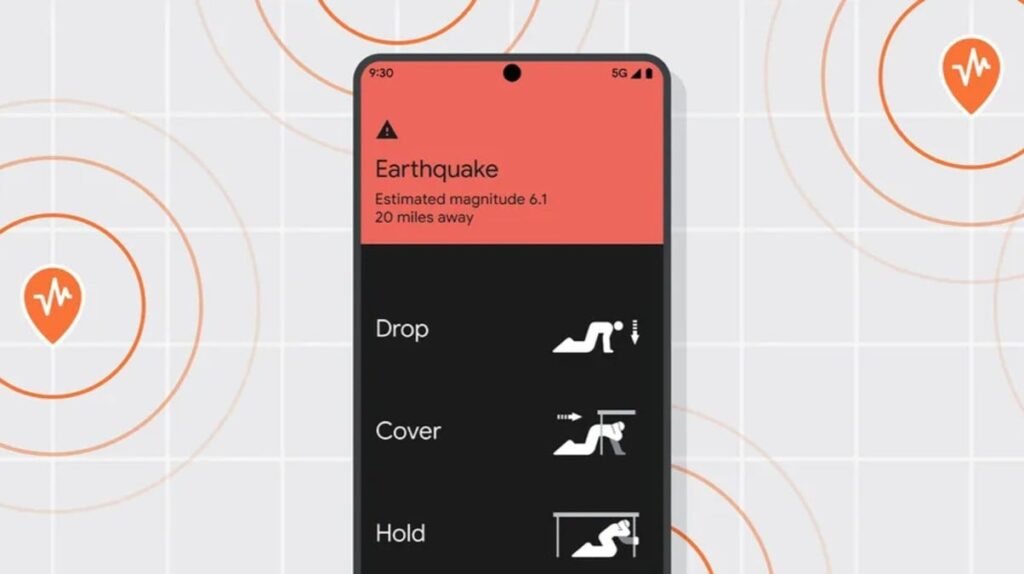
To be absolutely clear, Google did not predict the earthquake. Instead, its Android Earthquake Alerts System used the immense scale of its platform to act as a giant, crowdsourced seismometer network. Modern smartphones contain tiny accelerometers, which are the internal sensors responsible for rotating your screen when you turn your phone sideways.
As experts like Dr. Richard Allen and Dr. Lucy Jones have explained, these mini sensors are incredibly sensitive to tectonic movements. When an earthquake triggers, it releases fast-moving primary waves (P-waves) that travel through the earth quickly but cause no visible shaking. These are immediately followed by secondary waves (S-waves), which move much slower but bring the real structural destruction.
The moment a phone detects a P-wave, it shoots data to Google’s servers at nearly the speed of light. When thousands of nearby phones send the exact same signal simultaneously, the system instantly calculates the location and magnitude, firing out “Take Action” safety warnings to users before the destructive S-waves can even reach them. On social media platforms like X, survivors noted that this automated alert gave them just enough time to rush out into the streets.
Tech giants rally for recovery, Apple confirms emergency Aid for Venezuela
While Google’s automated infrastructure handled the immediate front-line warnings, fellow tech giant Apple is stepping up to deal with the challenging aftermath. The coastal city of La Guaira bore the brunt of the heavy structural damage, forcing rescue teams to scramble through debris.
In a public statement shared on Friday, Apple CEO Tim Cook confirmed that the company will send significant aid to support the relief efforts on the ground after the Venezuela earthquake. This kind of corporate response has become standard protocol for Apple, which frequently funds recovery operations following major global emergencies, such as the destructive trajectory of Hurricane Melissa last year.
A few seconds might not be much on paper. However, they really can make the difference to survival in cases like these.
The post Android Phones Warned Millions Before Venezuela’s Massive Earthquake; Apple CEO Confirms Aid Shipment appeared first on Android Headlines.