Longevity Wins
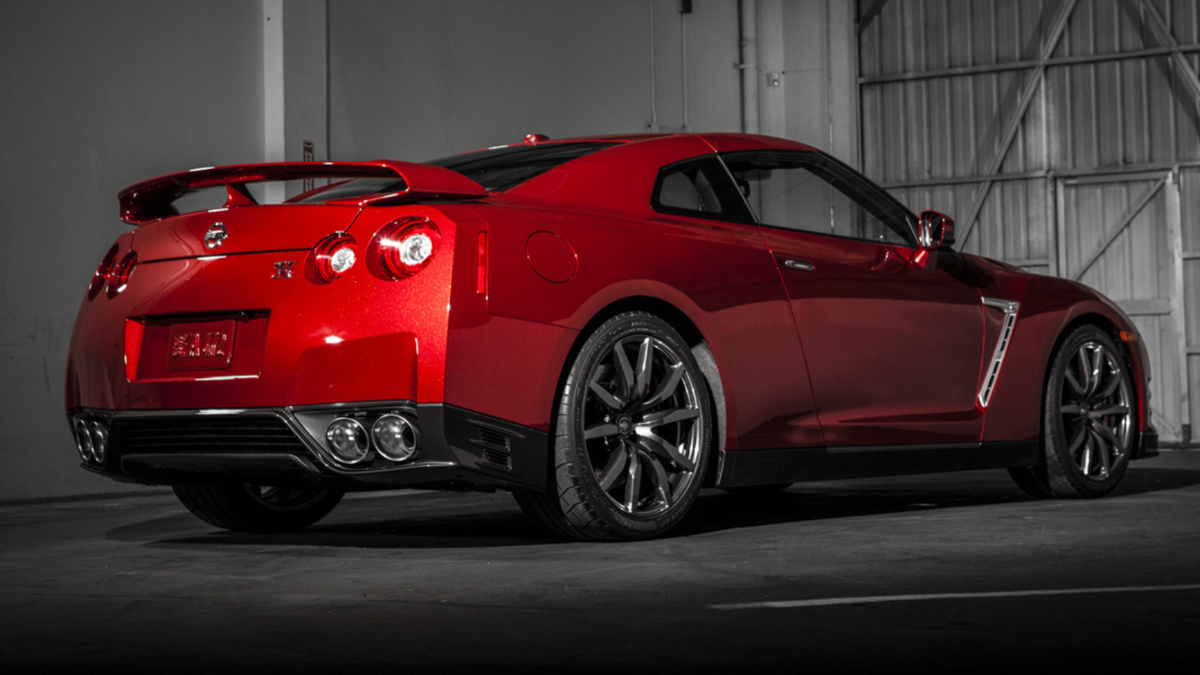
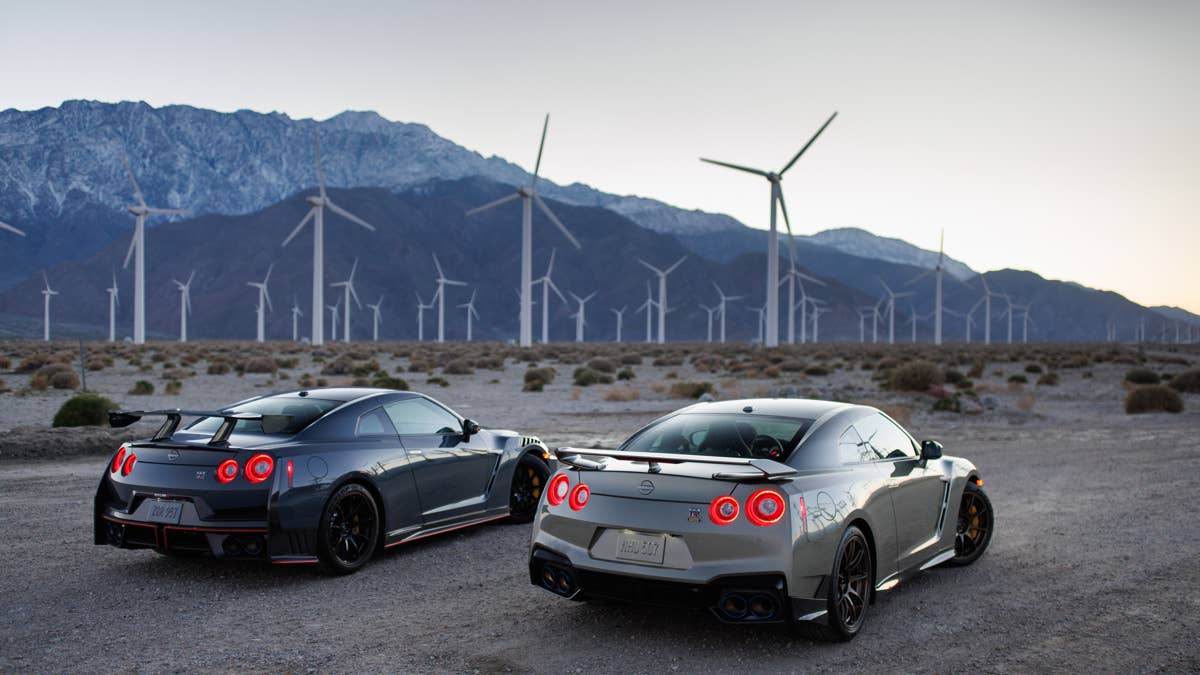
One of the saddest automotive deaths we’ve recently had to mourn was the R35 GT-Rs. Never did we envision a world without the GT-R, but sadly, it’s a reality. The R35 generation might not be the best for everyone, but it certainly marks a milestone as the longest-running GT-R model ever, having been in production in various shapes and specs for over 18 years.
Debuted in 2007 as the all-rounder supercar, it garnered praise for its incredible performance at a much lower price than European competitors. It’s definitely returning, that’s for sure, but at a snail’s pace, and we’re now finding out why.
Political Implications
Nissan‘s outspoken Senior Vice President and Chief Planning Officer for Nissan North America, Ponz Pandikuthira, went on The Drive’s podcast and dropped some shocking revelations about what is holding up the development of the next GT-R. Pandikuthira goes on at length to explain that the main reasons generally revolve around emissions, with a particular focus on American laws regulating them.
He started by saying that the R35 generation was hampered by the emissions standards that require cars to be less harmful to the environment. Considering the age of the R35’s engine, it would have significantly impacted the overall output and performance of the GT-R if they reworked the engine to pass the current emissions regulations. The idea of choking the powertrain would have negatively affected the R35 GT-R; thus, putting it out to pasture was the right move in the meantime.
Still banking on the same principle of keeping the next-generation GT-R in production for a long time, Pandikuthira says Nissan plans to make it future-proof by making it easy to continually evolve. Easier said than done, says the executive, because the biggest roadblock to that is the direction of where the emissions standards are headed. He acknowledges that the current administration has eased restrictions, allowing them to do a lot in the current climate, but isn’t sure whether that will continue come 2028 and 2032.
Dedicated Group
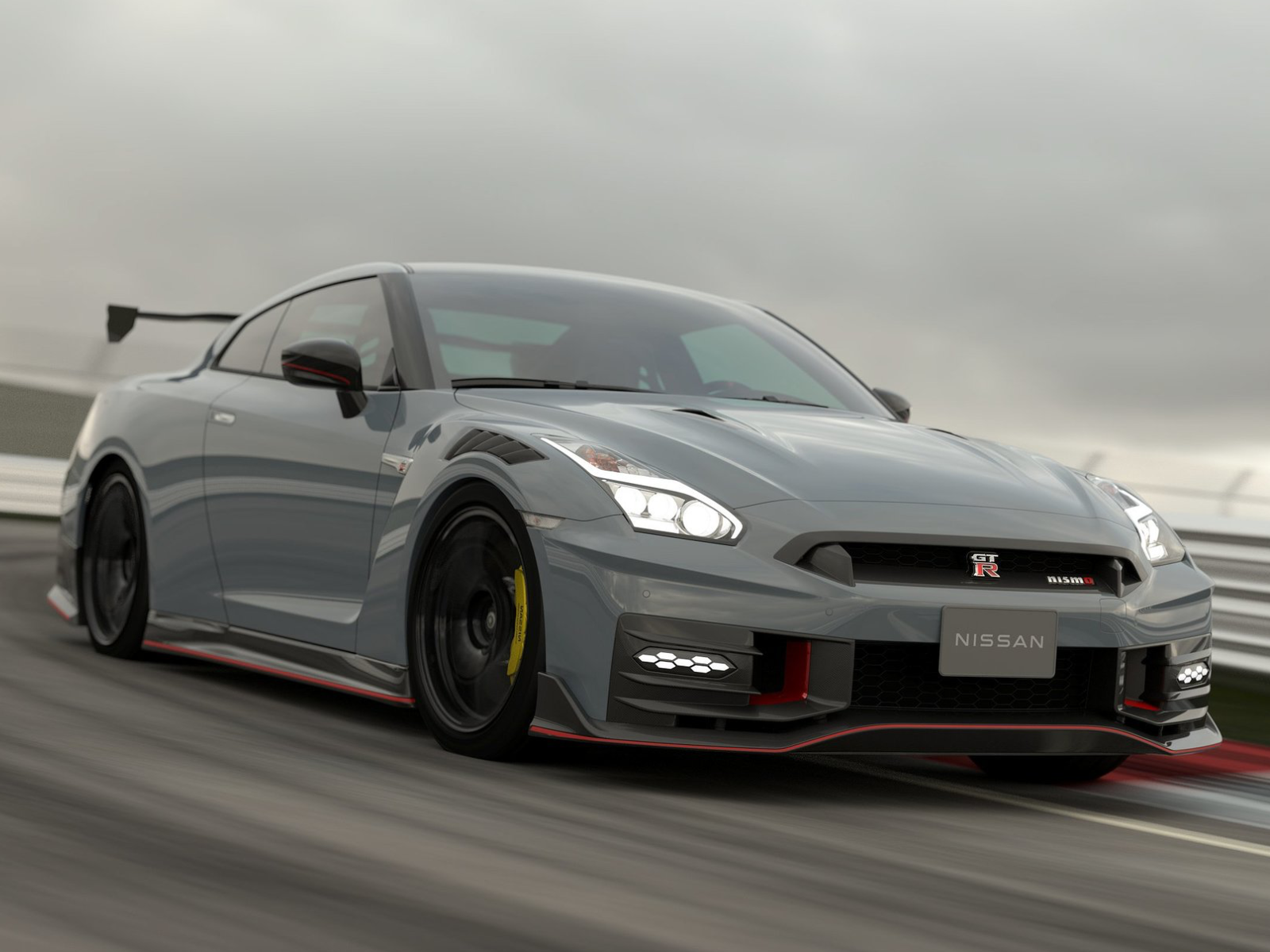
Those unknowns are the core reasons for slowing down the development of what Nissan wants the next-generation GT-R to be. However, it has also come to light that a dedicated group of Nissan people is working hard on bringing Godzilla back to production, who, according to Padikuthira, are “completely nuts about the car.”
More details about the new GT-R have been coming out in the past year and months. In 2025, it was announced that the new model would be a hybrid; then, more recently, they said that the current VR38 engine block will be retained as well.
Despite the delay and the uncertainty about regulation, I think it’s safe to say we’re all relieved that the next GT-R will still be powered by gasoline.
Nissan