My very first introduction to South African food was many years ago in Kuala Lumpur. This was an introduction to some new dishes and Cape Malay cuisine, like Bobotie. The flavours might have been catered to local Malaysian flavours, but it was all really flavourful with familiar flavours.
In London, where there is a sizeable South African population, we now have South African restaurants, butchers and grocery shops. Even then, this is still a little-known cuisine.
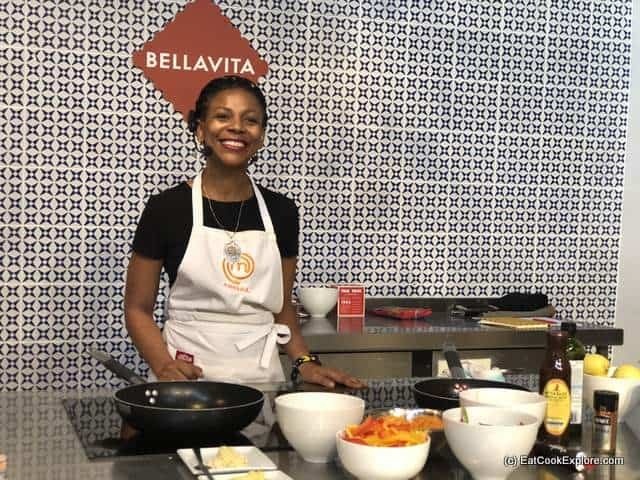
A few years ago, the South African tourist board hosted a Braai (a cultural gathering centred on food cooked over fire) party for the World Cup and that was my first ever Braai, which is as much a religion as the barbie is to Australians. They also hosted a cooking class with Abigail Mbalo, a Masterchef who owns a Xhosa inspired restaurnat in Khayelitsha in Cape Town. She is working with locals to promote guided visits to townships.

South African food does not always get the attention it deserves. It is a cuisine that has been influenced over the centuries and being on the geographically significant location on the route of the spice trade.
You will find flavours from indigenous Southern African cooking, Dutch and Afrikaner farmers, Cape Malay spice traders, Indian communities and British settlers. The most famous dishes that you need to try are bunny chow, bobotie, chakalaka and biltong.
Here are the South African foods you need to check out. Whether you are planning a trip, cooking at home or simply curious, start with these.
Biltong: the snack South Africans abroad are homesick for
Ask any South African living overseas what they miss most and biltong will be near the top of the list. It is air-dried, spiced beef: strips of good meat cured in salt, vinegar and coriander, then hung to dry for a week or more until they are firm, dark and intensely savoury. It is sometimes compared to jerky, but it is softer, made without sugar or smoke, and tastes far more of the beef itself.
Biltong is the everyday snack in South Africa, eaten in front of the rugby, packed for long drives and put out at every gathering. Once you start, it is genuinely hard to stop. The good news is you no longer need to be in South Africa to get it: makers like Bokkie’s Biltong now air-dry it the traditional way with locally raised beef and ship it nationwide.
Boerewors and the braai: more than a barbecue
A braai (say “br-eye”) is a South African barbecue, but calling it that undersells it. It is a social institution, a reason to gather and an afternoon-long event in its own right. Friends arrive, the fire is built properly from wood or coals, and nobody is in a hurry.
The star of the braai is boerewors, a fresh farmer’s sausage coiled into a tight spiral and grilled over the flames. Heavily spiced with coriander and a little clove, it is juicy, coarse and unmistakably South African. This is fresh sausage cooked on the day, not a dried or cured meat, and it is one of the great grilled sausages of the world.
Bobotie
If South Africa has a national dish, it is bobotie. Curry minced beef or lamb and topped with a savoury egg custard and usually served over turmeric-yellow rice and chutney. This is a Cape Malay fusion dish and tastes like a comforting, fragrant cousin of a curry. Funnily, there isn’t anything even close to this dish in Malay food. I guess it takes its inspiration from curry meat.
Pap and chakalaka: the sides that steal the show
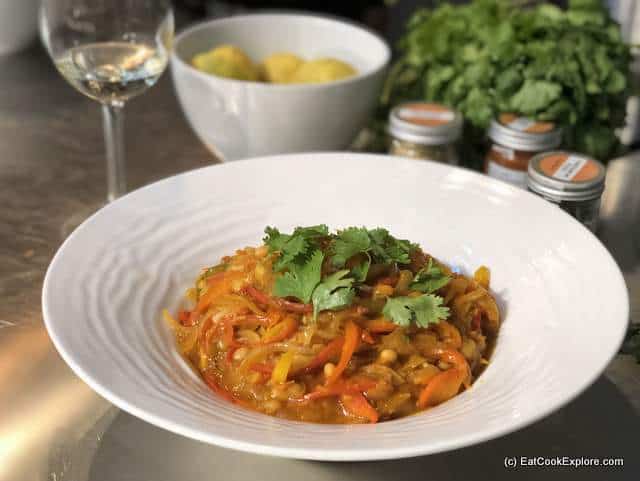
No braai is complete without pap and chakalaka. Pap is the staple carbohydrate, a smooth maize porridge, somewhere between polenta and mash, that soaks up the flavour of everything it is served with. Chakalaka is its perfect partner: a spicy, slightly sweet relish of onions, peppers, tomatoes, baked beans and curry spice. Here is a recipe for Chakalaka that we learnt to make with a South African Masterchef chef. A SA frined even brought me back a can from their last trip.

Mrs Ball’s Chutney: the bottle in every cupboard

There is one bottle you will find in practically every South African kitchen, Mrs Ball’s Chutney. Sweet, tangy and fruity, it goes on cheese, into sandwiches, the chakalaka recipe, alongside curry and into the bobotie itself. All SA expats stock up on this and you can find it on Amazon and at South African groceries.
Rooibos: the red tea you can drink all day
Rooibos (roy-boss) or red bush tea, grows in only one corner of the Western Cape. It is caffeine-free, rich in polyphenols, slightly sweet and earthy and packed with antioxidants. Its low in tannins and has a wealth of health benefits. One that is hardly mentioned is the topical application of a strong Rooibos tea for young kids with eczema. I made this for my niece’s bath when she was a tiny toddler and it really helped.
South African Wine
Most people would have probably tried South African wine at some point. They are now quite easily available in all supermarkets and there are many that are highly rated. Do you have a favourite one?
And something sweet to finish
South Africans have a serious sweet tooth. Look out for * melktert, a delicate milk tart dusted with cinnamon
- koeksisters, plaited doughnuts soaked in syrup
- and rusks, dense dried biscuits made for dunking in your morning coffee or rooibos. Rusks in particular are classic padkos, the Afrikaans word for food packed for a journey.
Famous South African dishes worth trying
For those unfamiliar with South African cuisine, try these first:
- biltong, the air-dried beef snack
- boerewors, the coiled farmer’s sausage grilled at a braai
- bobotie, the curried beef with savoury custard
- Mrs Ball’s Chutney
- Rooibos tea
You do not need to make a trip to South Africa to taste the food. Here are some restaurants in London
- Kudu Marylebone
- Vivat Bachus
- High Timber
Here are some grocery shops and butchers in London who make their own boerewors and biltong.
- Snoggy’s (supposedly the best biltong in London)
- The Savanna London Bridge
- South African Shop London
- St Marcus Fine Foods Roehampton