The Picasso had disappeared without a trace.
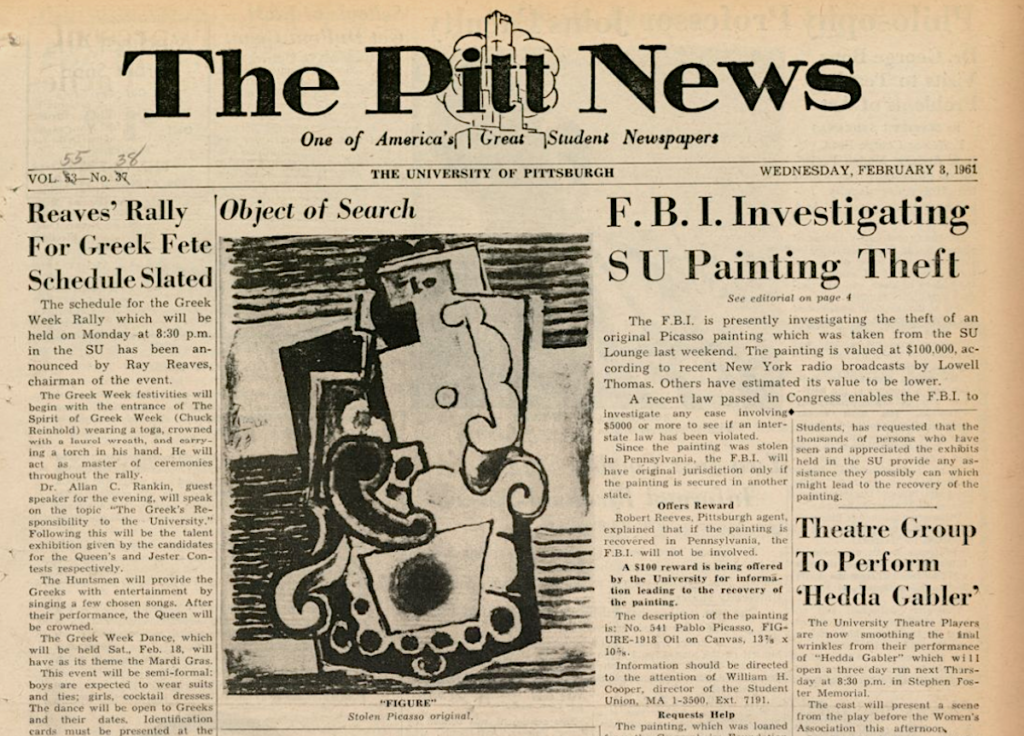
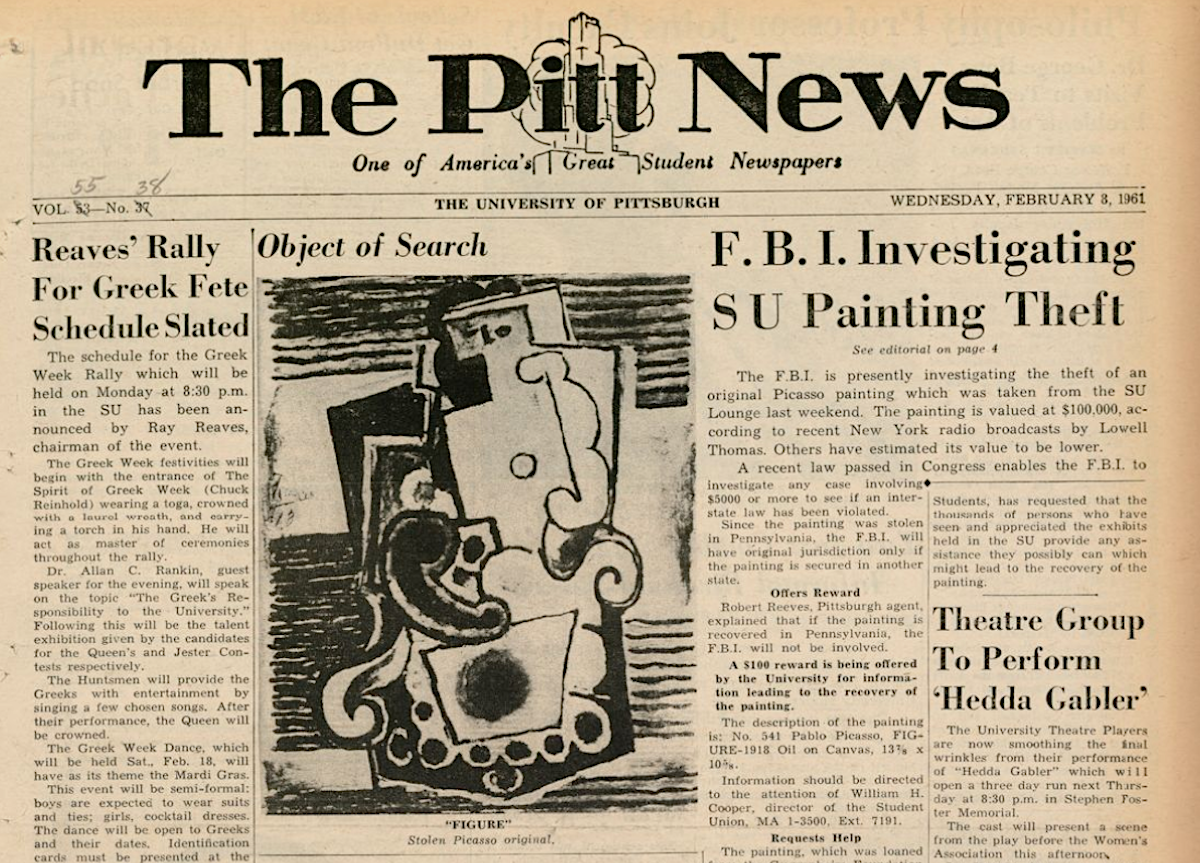
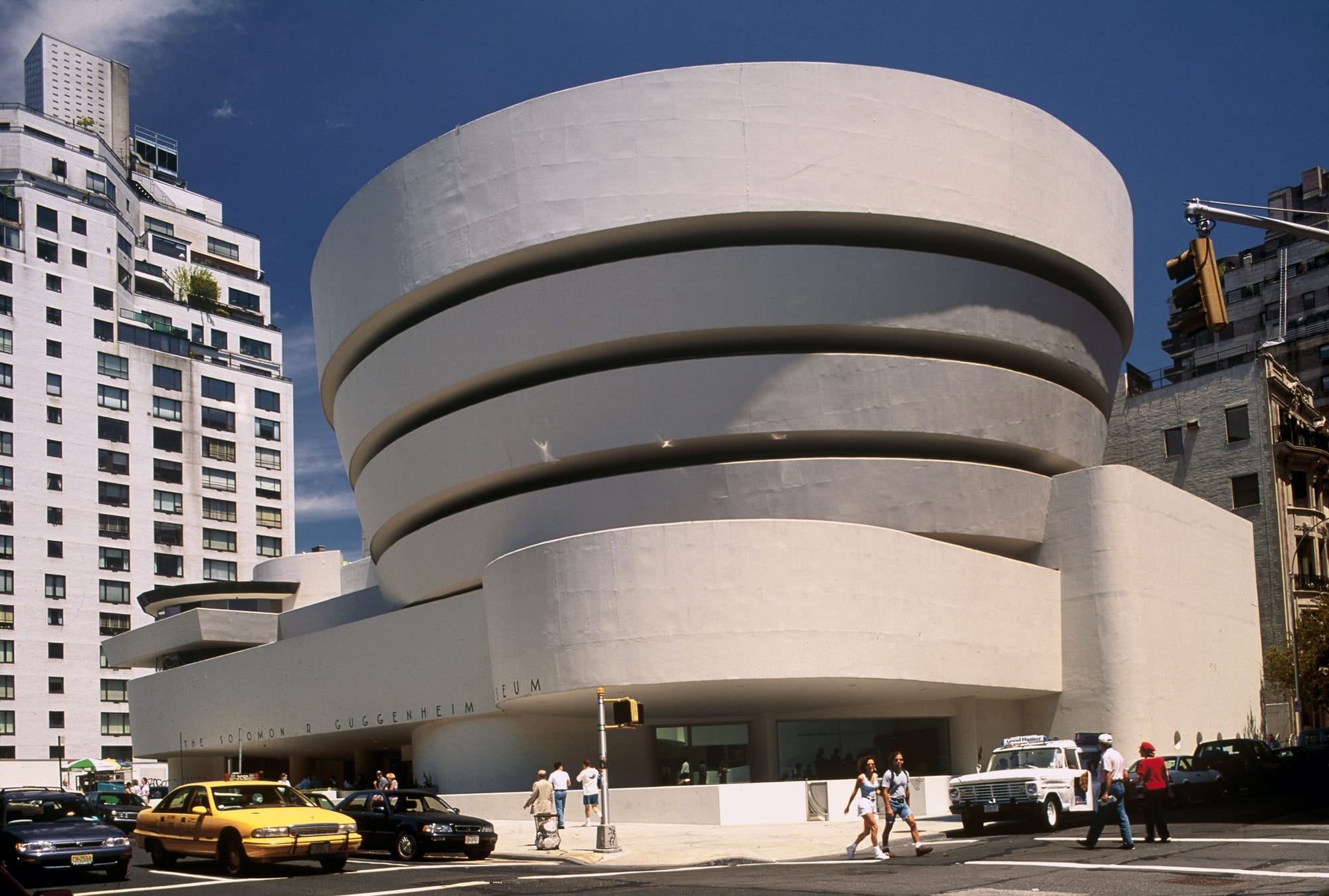
On the morning of February 6, 1961, a graduate student and dormitory aide at the University of Pittsburgh reported Picasso’s painting “Femme dans un fauteuil” (1918) missing from the Students Union building. The 13.5-by-10.5-inch oil had been on loan from the Solomon R. Guggenheim Foundation for an exhibition in the fall semester, and was due to be returned to the museum later that month. The school reported the theft to the Pittsburgh Police Department and the FBI was swiftly brought in to investigate, but despite a slew of news articles, notifications to institutions across North America, and a reward for information, the case went cold.
More than six decades later, the Guggenheim says the painting has turned up, and it is headed to court to get it back.
In a lawsuit filed in New York State Supreme Court this week, the Guggenheim Foundation accused Massachusetts residents Lawrence Jay Handler and Wendy Cohen Handler of unlawfully withholding the painting, disregarding the museum’s ownership rights, and unjustly benefiting from possessing stolen property.
According to court filings, the Handlers purchased “Femme dans un fauteuil” from Beadleston Fine Art in Manhattan in 1999, nearly 40 years after it went missing in Pittsburgh. But the Guggenheim learned of the painting’s reappearance only in July 2023, when a researcher at Christie’s who was looking into the work for a private sale consignment brought it to the museum’s attention. Collector and mining tycoon Solomon R. Guggenheim, the institution’s namesake founder, was listed in the provenance entry for the work in the “Zervos,” Picasso’s 1949 catalogue raisonné.
Picasso painted the abstract composition while honeymooning with his first wife, the ballerina Olga Khokhlova, near Biarritz. Guggenheim would acquire the work from London’s Gallery Zwemmer in 1936.
It’s unclear how the work made its way to the since-shuttered Beadleston gallery on Fifth Avenue, where the Handlers allegedly acquired it. Nor does the lawsuit say whether the Handlers or the gallery were aware of the artwork’s provenance. (The gallery’s founder, Bill Beadleston, was reportedly among the victims of a $50 million fraud scheme orchestrated by fugitive art dealer Michel Cohen in the early 2000s.)
As soon as it learned of the painting’s whereabouts, the Guggenheim moved quickly, sending the owners a formal letter demanding its return in August 2023. That demand was promptly refused, according to court filings. “Femme dans un fauteuil” has remained in limbo at Christie’s ever since.
A spokesperson for the Guggenheim told Hyperallergic that it had “attempted to settle the matter with the individuals holding the work.”
“This Picasso, titled ‘Femme dans un fauteuil (Woman in an armchair)’ (1918), was stolen in 1961 while on loan from the Guggenheim to a university,” the spokesperson said. “The Guggenheim is and always has been the painting’s rightful owner, and we look forward to its recovery.”
Hyperallergic has contacted the Handlers for comment via their attorney at Withers Art and Advisory. Lawrence Jay Handler practices internal medicine and Wendy Cohen Handler is the owner of the private art and jewelry brokerage Estate Treasures, according to the lawsuit. Two unnamed individuals, John Doe and Jane Doe, are also listed as defendants, representing any others who might claim an interest in the painting.
The compact canvas from Picasso’s Synthetic Cubist period was valued at $10,000 to $60,000 in 1961, according to the court documents, and is now believed to be worth millions. In filings, the museum requests $3.5 million in compensatory damages, excluding counsel fees, and a declaratory judgment from the court.
Though the Guggenheim received a $7,000 payment from its insurer, Chubb, after the theft in 1961, the museum says it repaid the proceeds in late 2023, following the Christie’s discovery, and that Chubb has confirmed the restoration of title to the Guggenheim.
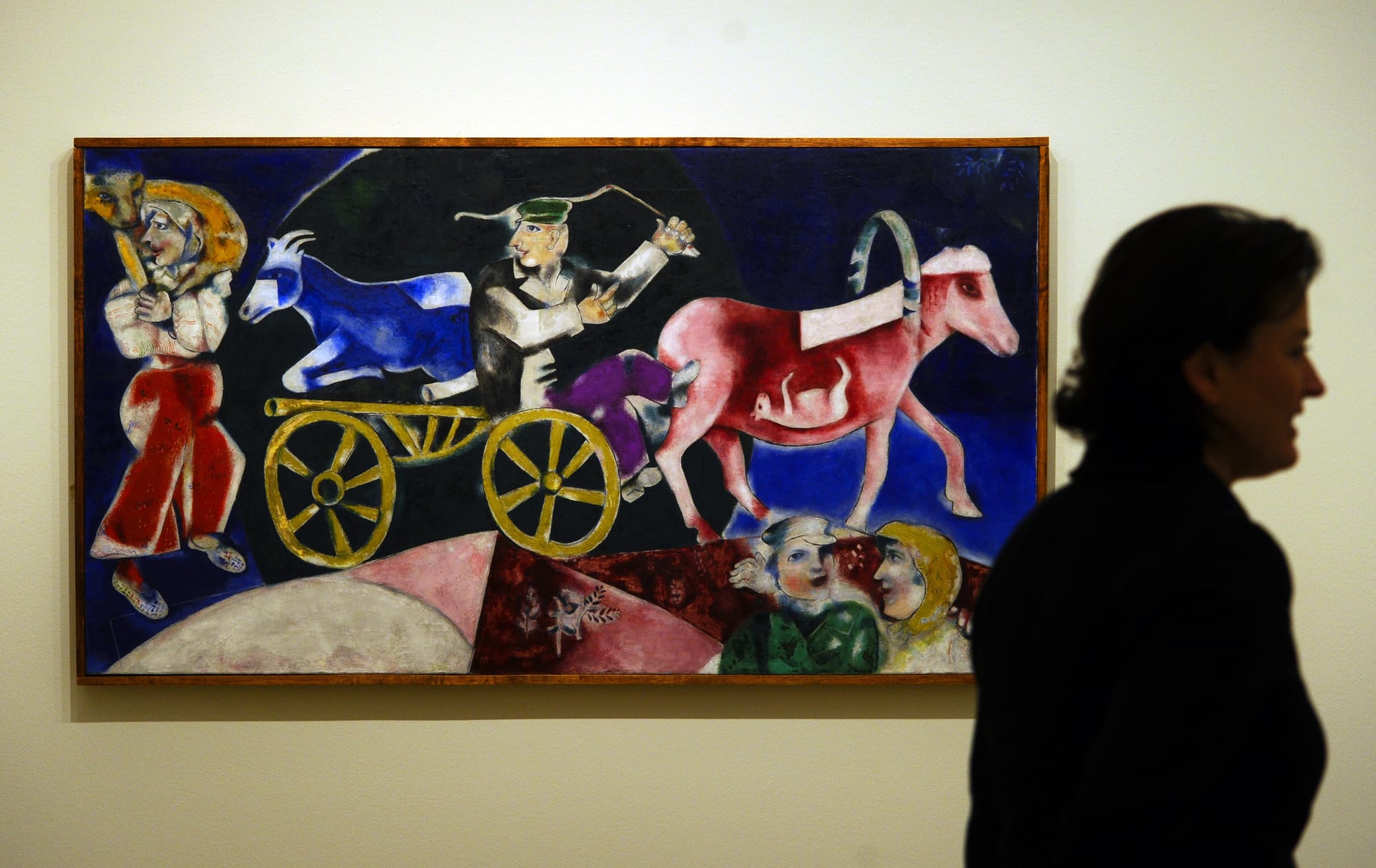
The Guggenheim was previously involved in a different, precedent-setting case over a stolen artwork. In the late 1980s, the museum sought to recover a Chagall gouache that it said was taken from its premises by a mailroom employee two decades earlier. The painting made its way to a Madison Avenue gallery, where it was sold to a couple who displayed it in their living room for years.
When the Guggenheim demanded its return, the defendants argued that they had purchased the gouache in good faith — that they had no reason to believe it had been stolen, and that the museum had waited too long before reporting it missing.
The court eventually ruled that the lawsuit could move forward, cementing New York State as a jurisdiction that tends to protect an artwork’s rightful owner, even when the property is acquired by a good-faith buyer. (The two parties eventually settled in 1993.)
“To place the burden of locating stolen artwork on the true owner and to foreclose the rights of that owner to recover its property if the burden is not met would, we believe, encourage illicit trafficking in stolen art,” wrote Chief Judge Solomon Wachtler in a 1991 opinion.