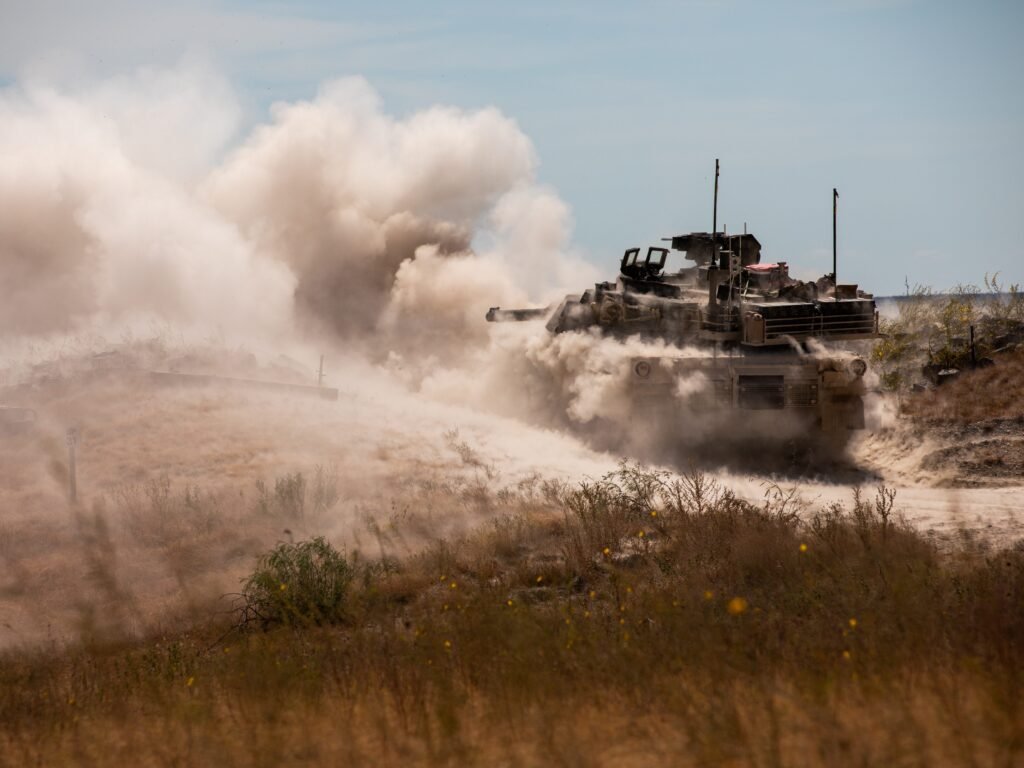
Spc. Nathan StarrUS Army
- The Army received just 180 of nearly 12,000 rounds of a new tank ammunition due by July.
- Production problems have delayed the new multipurpose ammunition for years.
- Despite delays, the Army has already ordered 10,000 more rounds from manufacturer Northrop Grumman.
The US Army has received just 180 of nearly 12,000 new tank rounds that were scheduled for delivery by this summer, as production problems delayed ammunition meant to give Abrams crews more flexibility in combat, a Pentagon watchdog has found.
The new 120mm Advanced Multi-Purpose round is designed to replace the capabilities of several types of older ammunition for Army tanks. The new round can be used against more targets, including anti-tank missile teams and reinforced concrete walls, and alleviates crews from having to carry different rounds for other uses.
But the Army only accepted its first rounds in December 2024, over three years after deliveries were originally due, according to a recently released Defense Department inspector general report.
As of late July, the contractor, which was not named in the report but has previously been identified as Northrop Grumman, had delivered just 180 of the nearly 12,000 rounds scheduled for delivery by that time, the report said. The Army has contracted for nearly 22,000 rounds in total, including rounds beyond those scheduled for delivery by the July cutoff.
The contractor encountered technical and production problems that contributed to years of delays, the report said. Among them was leaking primer material found during testing in 2025. The company paused production involving those parts and did not deliver rounds with leaking primers, the watchdog said.
Despite the delays, the Army awarded Northrop another contract this March for 10,000 more rounds. Officials told inspectors that switching contractors wouldn’t be practical because the company had already made progress developing the ammunition, despite believing that choosing another company might have reduced production risks.
The Army’s assessment reports rated the contractor’s performance as “marginal” or “unsatisfactory” in five of seven reviews since 2018, the watchdog found. Army officials said changes to improve performance could add costs, and potentially relieve the contractor of responsibility for its work.
Because of delays and technical challenges, the Pentagon may not even receive the full value from the nearly $224 million that has been obligated for the contract for over a decade, the report said.
The delays come as the Pentagon faces broader concerns about whether US manufacturers can produce enough ammunition for a major conflict. In a separate report released this month, the Government Accountability Office said the military has faced persistent munitions shortages, exacerbated by the war in Iran, and lacks plans linking production and funding to military requirements.
“DOD and the services are not well-positioned to address persistently low munitions inventories or risk, for example, investing in munitions that are projected to exceed the total munition requirement,” that previous report said.
Northrop Grumman did not respond to a request for comment.