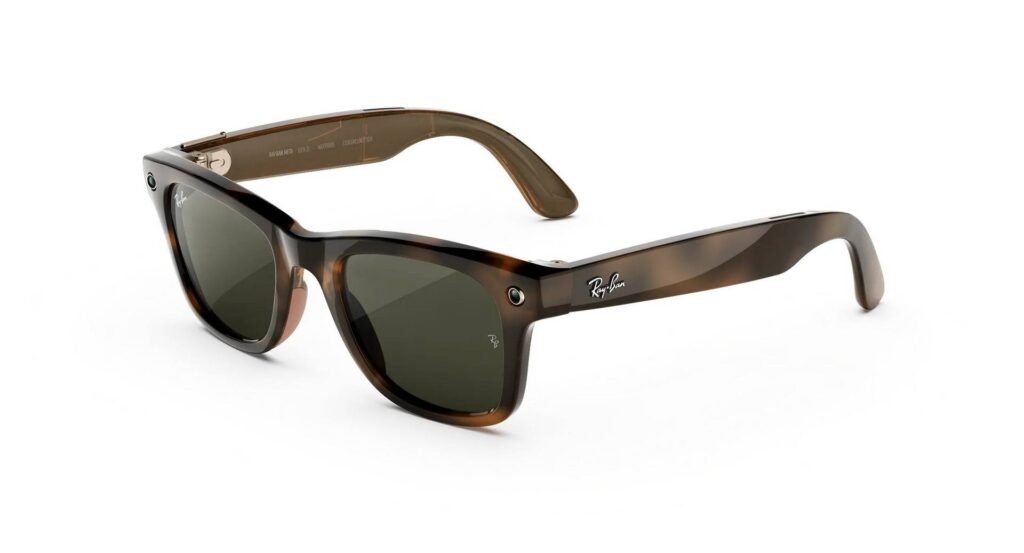

Meta’s smart glasses are facing growing scrutiny in Washington. Two US senators are demanding answers from Meta about what they call “serious privacy and safety risks” with its AI glasses. It’s a big moment for a category that’s quickly becoming one of the hottest accessories for Android phones and iPhones alike.
Senators Ron Wyden of Oregon and Edward Markey of Massachusetts sent a letter to Mark Zuckerberg this week, as Engadget reports. In it, they say Meta’s glasses have increasingly been tied to invasions of privacy, for both users and bystanders. They also say Meta launched the glasses even after identifying risks to bystander privacy.
The senators pointed to several incidents. Reports from 404 Media and the BBC described men secretly filming women with Meta’s glasses while harassing them, then posting the videos online. They also cited reports and a lawsuit claiming Meta’s AI contractors reviewed footage from the glasses showing people undressing and in intimate situations.
What the senators want Meta to explain
Wyden and Markey sent Meta a list of specific questions. They want to know how Meta handles accidental camera activation, and what it’s doing about people tampering with the recording indicator light. They also asked whether the glasses blur faces and license plates during certain AI interactions, like Meta already does on Facebook and Instagram.
The letter also asks when Meta employees or contractors can access footage from the glasses, and when it’s used to train AI models. Citing Meta’s own documents, the senators asked whether the company did detailed human rights reviews and safety testing before launching the glasses. Meta has until Thanksgiving, November 26, to respond.
This isn’t the only privacy concern around Meta’s glasses. Some users have reported that the glasses recorded conversations without consent after a firmware update. The glasses have also been spotted on ICE agents during raids. Earlier this month, California Governor Gavin Newsom vetoed a bill that would have banned the use of wearables to secretly record people in private areas of businesses.
I use my Ray-Ban Metas for content creation, so I see the appeal firsthand. They’re genuinely useful. But the small LED light is the only signal to people around you that you’re recording, and if that can be covered or tampered with, that’s a real problem. It’s probably not a coincidence that Meta just launched camera-free Ray-Ban Meta Audio glasses.
This scrutiny won’t stop with Meta, either. Google is preparing its own Android XR glasses with cameras and Gemini built in, and XREAL’s AURA also has cameras on board. How Meta answers these questions could set the tone for how lawmakers approach smart glasses across the entire industry.
The post Senators Are Demanding Answers From Meta Over Its Smart Glasses appeared first on Android Headlines.