
If you’ve ever had your map app freeze while driving between tall city buildings or lose signal inside a parking garage, you know standard satellite navigation has some annoying limits. That is exactly what California startup Xona Space Systems is trying to fix. The Xona team just launched six satellites aboard a SpaceX rocket to start beta testing Pulsar, a high-precision commercial alternative to traditional GPS.
Founded in 2019 by five Stanford aerospace engineering grads, Xona wants to build a full 258-satellite constellation in low Earth orbit. CEO Brian Manning pointed out to TechCrunch that while everyday GPS feels free, the real money sits in hardware. Millions of self-driving cars, delivery drones, and farming robots desperately need far better accuracy than traditional government satellites can deliver.
Stronger signals and clever software tweaks
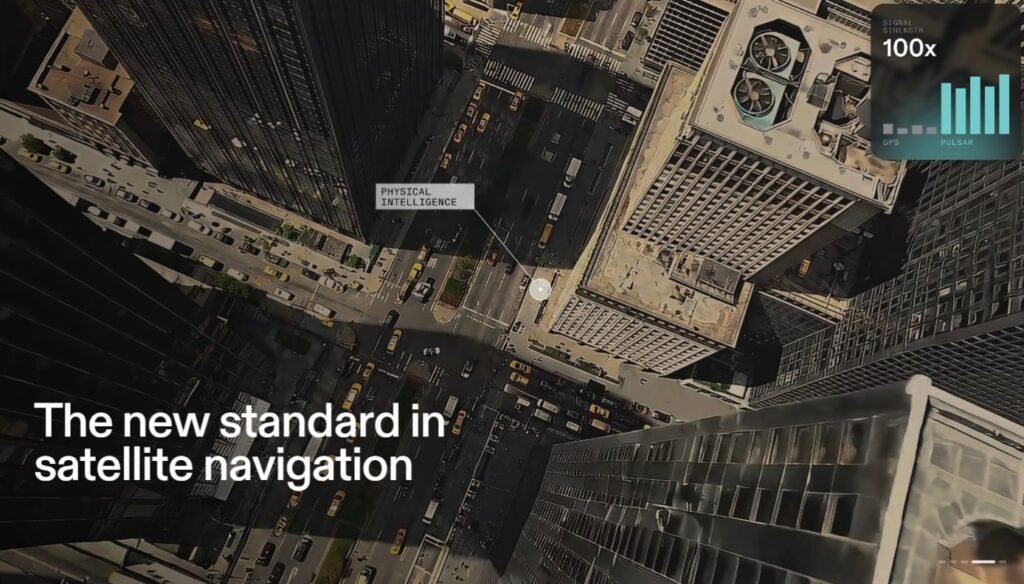
What makes Xona’s setup so clever is how close its satellites sit to Earth. Operating roughly 19,000 kilometers closer than traditional GPS platforms, Pulsar broadcasts signals that are 100 times stronger. That extra power lets positioning data cut straight through concrete walls and urban skyscrapers while blocking up to 95% of jamming and spoofing attempts. Even better, Xona skipped bulky atomic clocks onboard, using a distributed clock setup that syncs directly with ground stations.
The best part for gadget makers? No hardware replacement required. Most current GPS chips can pick up Pulsar’s centimeter-accurate signal with a quick software update. For this month’s launch, four satellites use Aerospace Labs platforms to test the core tech, while two built at Xona’s Burlingame headquarters form the official backbone of the upcoming Pulsar fleet.
Big backing and an ambitious timeline
Investors are clearly sold on the idea. Xona has pulled in over $320 million from backers like Samsung Next, ICONIQ, and a $20 million grant from SpaceWERX, the US Space Force’s innovation arm. Early pilot partners like electronic timing firm TimeBeat are already using satellite passes to calibrate timing systems around the world.
Commercial pilots kick off ahead of a planned 2027 commercial launch. However, Xona aims to bring full coverage to the US, Europe, Japan, and South Korea by 2028. The complete constellation is finishing after 2030. If all goes according to plan, taking your hands off the wheel in an autonomous car might soon feel just as safe as sitting back in an airliner.
The post Xona Space Aims to Replace Classic GPS with Its Own Satellite Fleet appeared first on Android Headlines.