
Leading Android makers like Xiaomi appear to be following in the footsteps of Apple’s latest efforts to unlock big upgrades in smartphone endurance. Apple’s rigid steel-cased battery architecture, paired with their own high-density cell technology, could allow Android brands to redefine battery life benchmarks.
If these engineering tests succeed, upcoming flagship phones could pack massive battery capacities between 9,000mAh and 10,000mAh without turning into bulky bricks.
Borrowing Apple’s rigid casing to recover wasted internal space
The idea comes straight from Apple’s recent hardware design shift. According to popular leaker Digital Chat Station on Weibo, a major Chinese brand—most likely Xiaomi—is testing Apple’s steel-encased battery architecture. Apple first introduced aluminum casings on the iPhone 16 Pro and improved to rigid steel cases on the iPhone 17 Pro series. The design continued on the iPhone 18 Pro Max to reach a reported 5,391mAh capacity (via Android Authority).
Traditional phones use soft-pouch batteries wrapped in aluminum-laminated film. These naturally swell over hundreds of charge cycles. Because of that swelling hazard, engineers have to leave empty clearance space inside the phone chassis, effectively wasting precious volume. A rigid steel shell solves that problem entirely by eliminating swelling buffers, improving passive heat dissipation, and allowing components to pack tightly together.
Combining steel shells with high-density stacked silicon-carbon cells
While Apple mastered rigid casing, Android brands already hold a massive lead in chemical energy density. Chinese manufacturers use stacked silicon-carbon cells, laminating cathode and anode layers in zig-zag sheets rather than rolling them like a traditional jelly roll. This structure drops internal resistance and replaces graphite with silicon, packing far more power into smaller physical footprints.
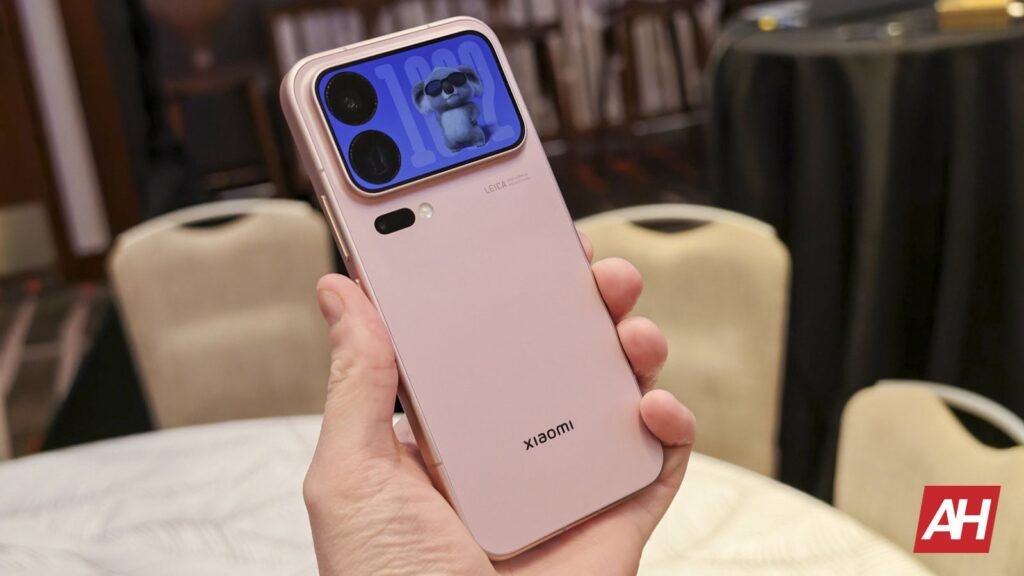
The recent Xiaomi 18 Pro Max already manages an impressive 8,500mAh capacity using this technology. All while accommodating complex camera modules and a rear display. Merging Apple’s space-saving steel casing with Android’s silicon chemistry gives both hardware approaches what they lack on their own, making a jump to 10,000mAh achievable.
Practical engineering challenges for future flagships
Reaching true multi-day battery life on a single charge will still require solving key design trade-offs. Steel adds physical weight compared to soft aluminum pouches, and fitting a cell that massive will test internal packaging tolerances, thermal stability, and overall weight distribution.
If manufacturers can balance those assembly constraints, users might soon see flagships that easily stretch across several days of heavy use while maintaining solid structural safety.
The post Apple’s iPhone Steel Battery Tech Could Unlock 10,000mAh Android Monsters appeared first on Android Headlines.