New-vehicle prices in the U.S. increased in July to an average transaction price (ATP) of $49,855, according to data from Kelley Blue Book. This represents a 1.9% year-over-year increase and marks the highest monthly figure recorded in 2026. Sales volume dropped 1.5% compared to July 2025, as higher vehicle costs continue to pressure car shoppers across the retail landscape.
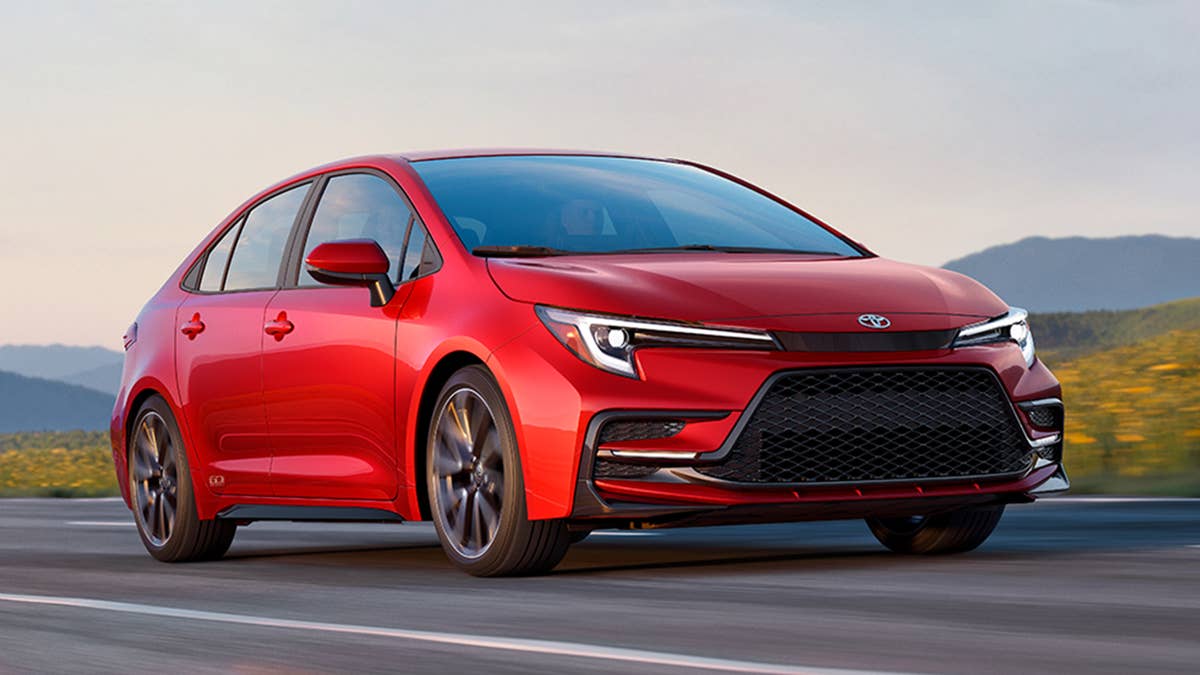
While overall transaction prices approached the $50,000 threshold, consumer migration toward lower-priced vehicle segments helped cap broader price growth. High-volume categories like compact cars and subcompact SUVs posted year-over-year sales gains, while sales of full-size trucks and luxury vehicles slowed. However, with fewer truly cheap cars left on dealer lots, buyer options at the lower end of the market remain limited.
Toyota
Jumps Across the Board
July’s ATP rose 0.2% from June’s $49,758 average, defying the historical long-term July trend of a 0.1% decline. This monthly increase was driven primarily by a reduction in manufacturer discounts, with incentive spending falling to 6.4% of ATP—the lowest level recorded since January. Meanwhile, the average manufacturer suggested retail price (MSRP) stood at $51,621, reflecting a 1.9% annual increase.
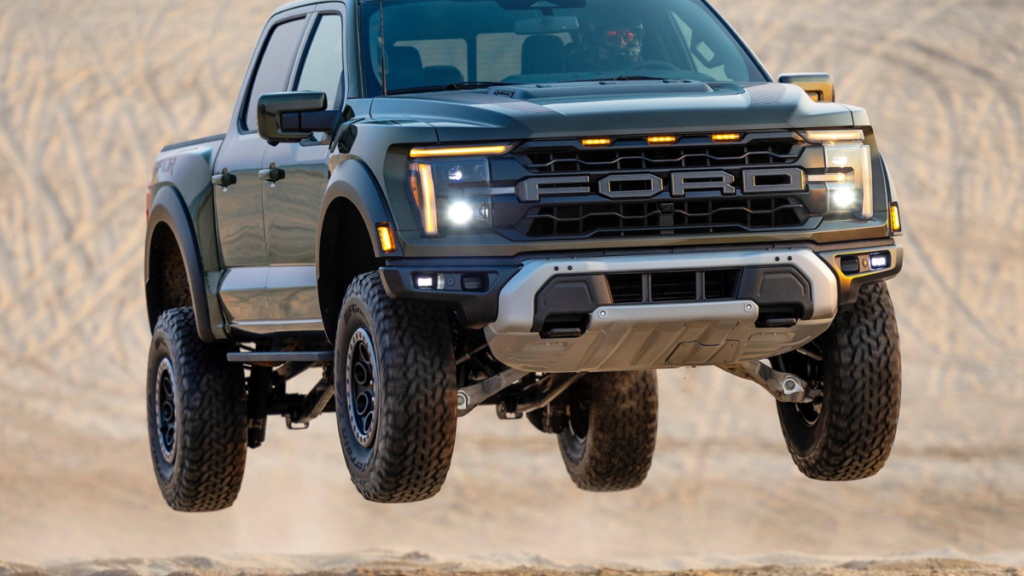
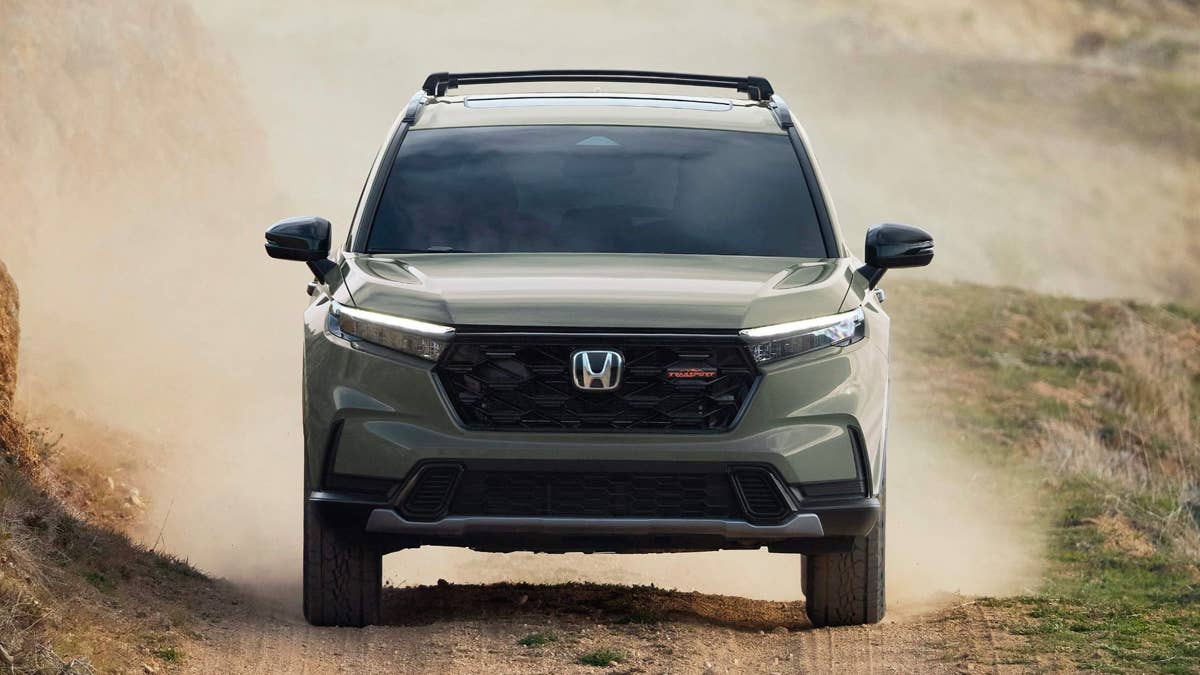
Key market segments continued to experience annual price growth across the board. Full-size pickup trucks averaged $66,980 (up 2.8%), midsize SUVs reached $50,144 (up 2.4%), and compact SUVs rose to $37,745 (up 2.7%). Subcompact SUVs and compact cars averaged $31,052 and $27,904, respectively. To manage these elevated prices, an increasing proportion of buyers selected base trims to keep monthly payments manageable.
Electric vehicle prices also reversed a six-month streak of annual declines, reaching an ATP of $56,126 in July, up 1.6% year over year and 1.2% from June. EV incentives dropped 9.1% month-over-month to $6,626, or 11.8% of ATP. Tesla mirrored this trend, with its ATP rising 1.5% from June to $53,891 as its incentive spending fell significantly.
Honda
Market Analysis and Consumer Outlook
The uptick in July pricing stems from a pull-back in automaker discounting alongside the arrival of 2027 model-year inventory. As Cox Automotive Executive Analyst Erin Keating noted, newer inventory brings updated features and higher baseline MSRPs into the market. This steady supply of fresh inventory provides upward pressure on transaction prices, even as consumer demand leans toward lower-priced segments.
For prospective buyers, the current market presents a persistent affordability challenge. While consumers are actively seeking lower-priced segments to manage costs, reduced incentives and higher baseline MSRPs continue to elevate final transaction prices. With used cars remaining expensive, shoppers face high transaction costs across both new and pre-owned markets heading into late 2026.

Jeep