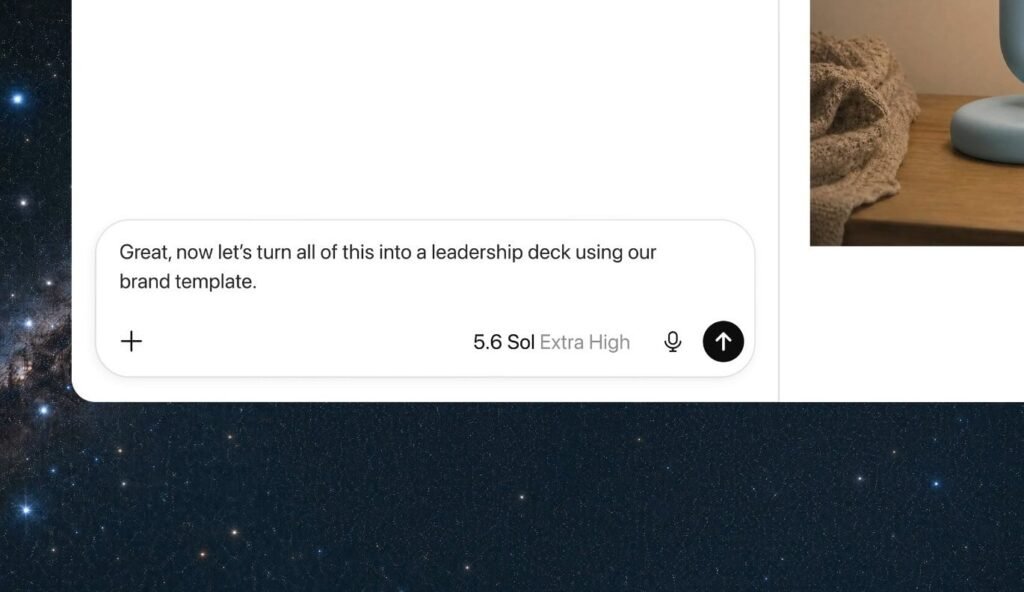

If you have used the ChatGPT desktop app recently and felt lost trying to find your chat history, you are not alone. The company recently announced the new GPT-5.6 models and advanced voice features. Plus, OpenAI updated its desktop software by combining ChatGPT with its coding tool, Codex, while introducing a new agentic mode called Work, all in a single “super app.” However, instead of making things easier with their AI, the redesign forced users to navigate confusing tabs and drop-down menus.
The changes brought plenty of frustration along the way, but the company is well aware of the criticism. Sitting down for an interview with tech journalist Joanna Stern on her YouTube channel New Things, OpenAI President Greg Brockman did not try to sugarcoat the situation, frankly agreeing with Stern’s assessment of the current desktop software (via 9to5Mac).
Iterative deployment behind the interface clutter
Addressing user complaints head-on, Brockman admitted that the team is currently working through a messy transitional phase. “It’s kind of a mess. We agree,” Brockman stated during the interview. “And so what you’re seeing is incremental progress towards the future. We were hoping to land with zero tabs, but this is… I think the way that we also view it is that we need to iteratively deploy, right? We need to get this out there, get feedback, and so this is the current state of where things are.”
Rather than sticking with the current multi-tab setup, Brockman teased a cleaner, tab-free future for the app. He explained that by the end of the year, the separate Work tab should disappear completely. This will allow its agentic capabilities to “seamlessly mold into ChatGPT.” The long-term goal is to strip away extra windows and side panels, creating a unified workspace where conversational AI, coding tools, and autonomous agent tasks live side by side without clutter.
Codex adoption surges despite software friction
Problems aside, the rollout delivered massive user growth where OpenAI wanted it most. Brockman revealed that merging Codex directly into the desktop app helped the coding tool jump from 5 million to 10 million users in just a matter of days.
Stern pressed him on whether that big rise came from simply forcing Codex onto people who just wanted basic ChatGPT. In response, Brockman admitted there was truth to that but defended the overall strategy. He argued that millions of everyday users could be getting far more value from AI, making it essential to introduce agentic tools at a mass consumer scale—even if the initial rollout came with some interface growing pains.
You can watch the full interview here.
The post OpenAI Plans Major ChatGPT Desktop App Redesign Following User Backlash: “It’s Kind of a Mess” appeared first on Android Headlines.