Courtesy of Detoorp
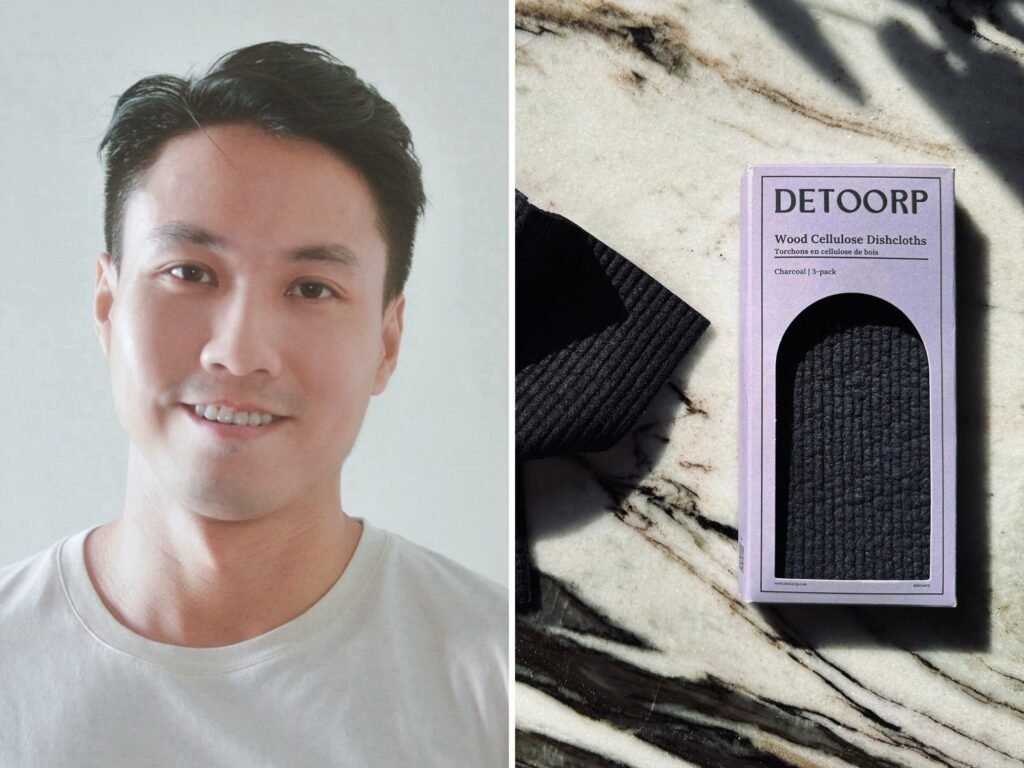
- Danny Leung founded Detoorp, an eco-friendly product marketplace, as a creative side hustle.
- Detoorp offers aesthetically pleasing, plant-based household products to make chores more enjoyable.
- Leung manages Detoorp’s operations, optimizes for Google traffic, and plans to expand product lines.
This as-told-to essay is based on a conversation with Danny Leung, an interior designer and the founder of Detoorp, based in London, United Kingdom. The following has been edited for length and clarity.
I work full time as an interior designer for a UK architecture practice, and I’ve been in the industry for about 10 years. I’m a creative person, but I found myself “repeating life” a bit. I start a project, design it, coordinate with clients, go on-site to complete it, and then do it again.
I felt like I needed a change of scenery. I wanted a side hustle that was a little bit different without starting over entirely. I primarily wanted something that could give me more autonomy in my career and allow me to expand my creativity, while earning extra income. It was also important to me that my side hustle be eco-friendly and have a positive impact on the environment.
I started Detoorp, an online marketplace specializing in aesthetic, eco-friendly household and self-care products, in 2023, and at its peak, it generated £2,000 a month, or about $2,650, in sales.
I started my side hustle after seeing a gap in the market
I had been gaining greater financial stability in my corporate role and started investing in self-care products like hand soap that smelled great and complemented my home’s interior design.
As I was doing routine chores, I also started to notice how depressing the cupboard looked with boring, artificial-smelling laundry detergent and other cleaning products. I did more research and came across small businesses that create eco-friendly, plant-based products using essential oils.
I thought I might start a platform or marketplace featuring a curated collection of aesthetically pleasing, great-smelling products that are also good for the environment — making chores a more enjoyable, uplifting experience.
That’s how Detoorp came about. The name is a combination of words: Detox your environment, make a detour from using harsh chemicals, and purify the planet.
For the first few years, I worked on it for four hours after work, and the whole weekend
I lost my free time, but I really enjoyed it. It’s my own project, and I have 100% control over it. I don’t have to do as people say, or get approval from my boss. I can do my own thing, which feels great.
I can also follow my gut. I’m not even that concerned about the money since I’m still employed full-time, which I think is best for the business.
I did everything myself
Given my background, I designed the logo and the website. I handle digital marketing, take photos, post on Instagram, and order stock. I purchase wholesale products from platforms like Faire and other retailers.
I stockpiled the initial inventory in my bedroom. I essentially had a mini-warehouse. Thank goodness it smelled good! My flatmate was quite supportive of me making a mess in the living room, folding cardboard, and printing postage labels. I shipped all the orders myself at the start.
I found it quite therapeutic
I didn’t really need to think about anything. I saw the orders, packed them up, and then went to the post office to send them. It’s a really fun job for me.
As with any business, sales fluctuate month to month. The first couple of years, I ran Google ads. They did help bring people to the site to make a purchase, but they were very expensive.
The highest sales during that time were £2,000 a month, but 45-50% of that went to ads costs. The cost of goods is already 40-50% of the order value, plus there are other expenses like shipping.
After two years, I decided to pause the ads. Seeing those bills coming in was starting to wear on my mental health.
I now rely on organic traffic from Google and ChatGPT
People use ChatGPT to search for product recommendations, and Deetorp comes up organically. I’m optimizing the website to increase the chances of showing up in those search results. I have about 50% returning customers, with a subset of those subscribing to the products.
Once I stopped the ads, I started making around £500-£800, or around $660- $1,000, in sales a month, with £100- £200, or around $130- $260, in profit a month. I’m really happy with this.
I’ll start ads again when the business has higher organic traffic and sales. It might be the wrong business strategy, but running ads was painful and stressful.
I only spend around 6-10 hours working on the business
Sometimes I don’t work on it at all. There isn’t a lot I need to do besides maintain it.
I don’t pack the orders myself anymore. I send all the stock to a company with a warehouse, and its team fulfills all the orders. I can batch my social media posts and sometimes be off for a week or two.
We now also have three of our own-label dishwashing products. I plan to expand our catalog in the near future.
One of the best, unexpected things is connecting with the customers
Sometimes there’s an issue with delivery, and I try to keep the conversation more personal, then offer a solution or discounts for their next purchase. People have been so appreciative and understanding that this is a small business.
I really enjoy the process and the state of my side hustle. Turning it into a full time business is my long-term goal.