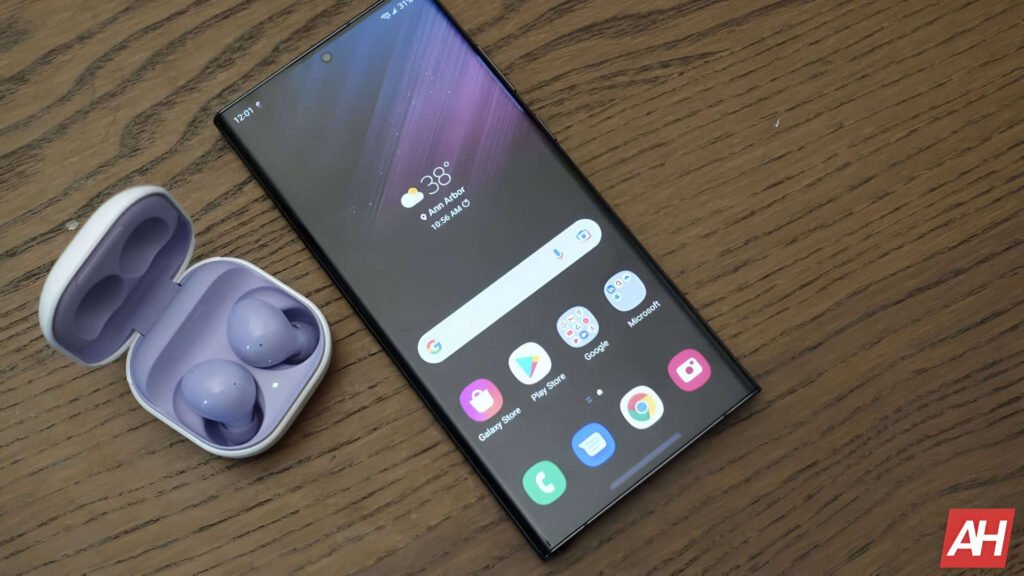

Samsung recently kicked off its official stable One UI 8.5 rollout. Since then, the company has been deploying the software to a massive lineup of premium and budget-friendly devices. However, a closer look at the release schedule reveals a disappointing pattern for owners of older hardware. If you are still holding onto a flagship like the Galaxy S22, Galaxy Z Fold/Flip 4, or a mid-range favorite like the Galaxy A53, your Samsung phone might miss the One UI 8.5 features entirely.
Samsung apparently halts One UI 8.5 update progress for the Galaxy S22 and other phones
Historically, Samsung built a reputation for delivering mid-cycle point updates as a final parting gift to devices reaching the end of their software lifecycles. For instance, if a phone received Android 14 as its final major operating system upgrade, it usually still got the subsequent fractional One UI adjustments before support wrapped up.
This year, the old playbook seems to be changing. Technical analysis of Samsung’s test servers shows that the company actually started developing One UI 8.5 builds for the Galaxy S22 lineup earlier this year. However, tracking data reveals that these internal test builds completely vanished after the first week of April. The company replaced them solely by standard monthly security patches (via SamMobile). Adding fuel to the fire, official launch announcements from Samsung Germany completely omitted pre-2023 devices. The firm targeted the Galaxy S23 series and newer hardware instead.
Blame the underlying Android code
This sudden shift comes down to structural changes in how Google builds Android. In previous years, porting a mid-cycle skin like One UI 6.1 over to an older device was relatively simple. After all, it shared the identical core platform foundation as the initial baseline release.
One UI 8.5 breaks that tradition. Instead of sitting on the original version of Android 16, this fresh interface relies on Google‘s newer Android 16 QPR2 framework. QPR2 introduces entirely fresh platform tools, updated APIs, and deeper structural modifications. So, One UI 8.5 behaves less like a minor feature patch and much more like a completely separate operating system upgrade. Optimizing this complex build for aging processors requires massive engineering resources. On the other hand, Samsung is understandably shifting these resources toward maintaining its newer seven-year update commitments.
Keeping the original promise
It is important to note that Samsung isn’t breaking its word to consumers. When the brand launched its 2022 roster, it contractually promised four generations of major Android operating system upgrades. The South Korean giant has already delivered Android 16 via One UI 8.0 to the Galaxy S22 and A53. So, they fully honored their commitment.
Going forward, point updates based on interim Android releases will likely serve as a dividing line for software eligibility. If you want a simple way to check if your current phone will see the upgrade, look at its long-term roadmap. If Android 16 marks the absolute end of the line for your device, it is highly probable that you will sit out the One UI 8.5 rollout.
The post The Galaxy S22 and Other 2022 Samsung Phones Might Miss One UI 8.5, Here’s Why appeared first on Android Headlines.