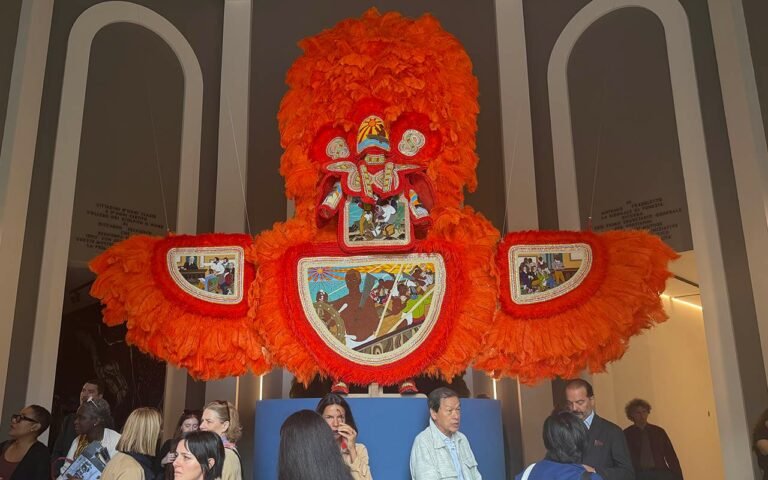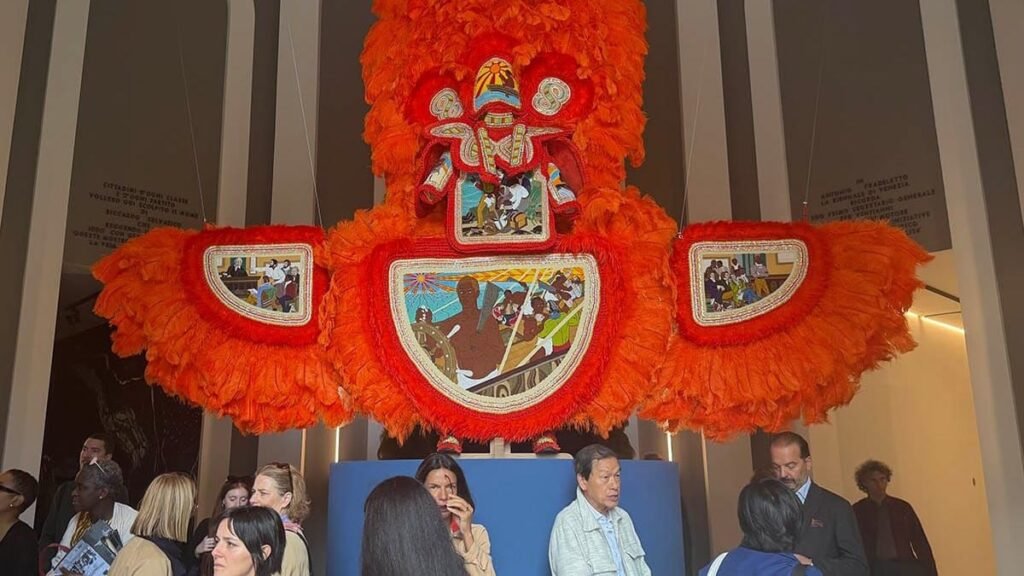
Unveiled against the din of protest chants and on the brink of a historic cultural labor strike, In Minor Keys at the Venice Biennale is “a solid hymn to the billions who carry melancholy and riotous joy in the same heart,” writes Hyperallergic’s Editor-in-Chief Hakim Bishara. In a review of the exhibition, Bishara touts the ways in which this exhibition elevates the unseen and the unsung. (And if you didn’t like it, “it might be partly about you,” he writes.)
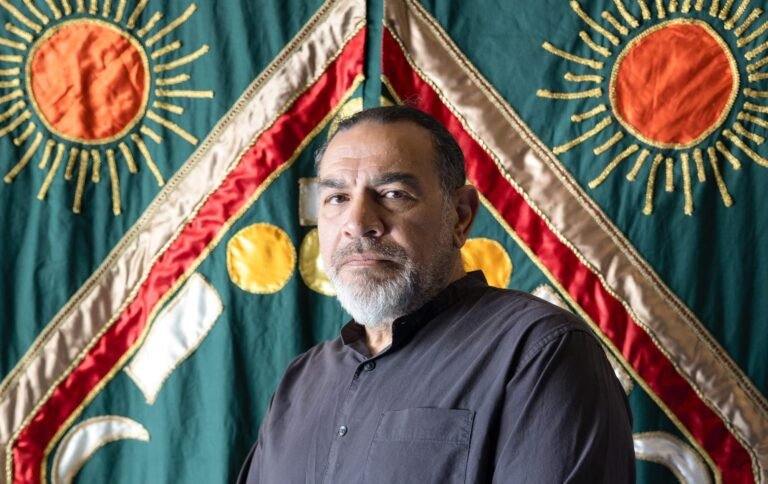
Among the artists in that show is Khaled Sabsabi, whom the late curator Koyo Kouoh invited to participate after he was temporarily removed as the Australian pavilion’s pick due to pressure from pro-Israel groups. (He was ultimately reinstated.) Today, Aruna d’Souza interviews the Lebanese-born, Sydney-based artist about “khalil,” his major piece at the Arsenale; his pavilion vision, and “the multitude of beings within yourself.”
—Valentina Di Liscia, senior editor
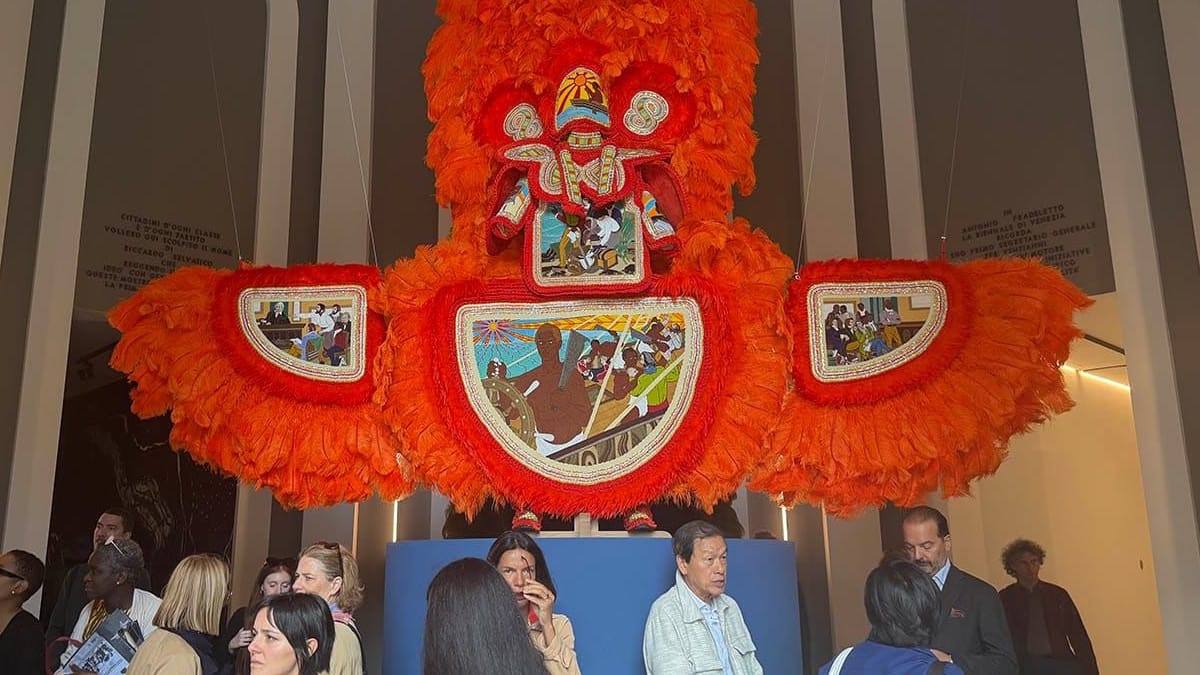
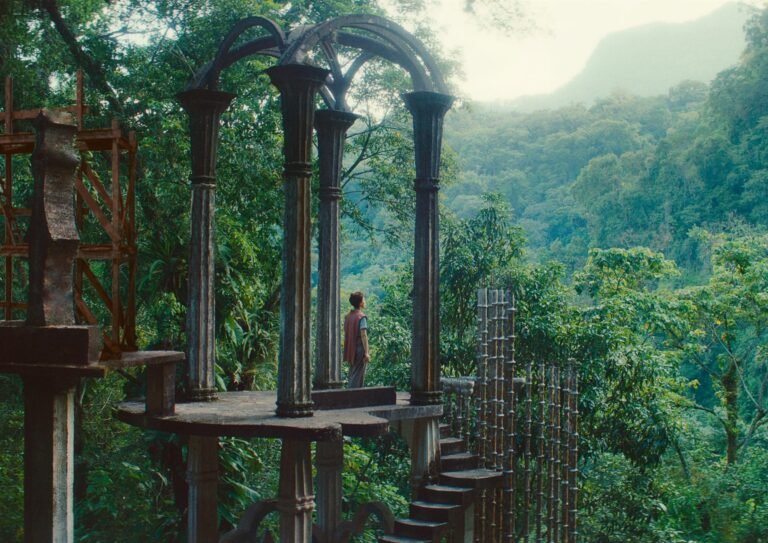
Centuries of Endurance Undergird “In Minor Keys”
The main exhibition of the 2026 Venice Biennale sets rage and retribution aside, relaxing the oppressed’s clenched fist for a moment of calm, centeredness, and self-forgiveness.
Boasting work by 111 international artists, the posthumous exhibition “In Minor Keys” is the crown jewel of a momentous biennale. It is a triumph of the historically dispossessed and overlooked, the proud, and beautiful “wretched of the earth.” | Hakim Bishara
Interview
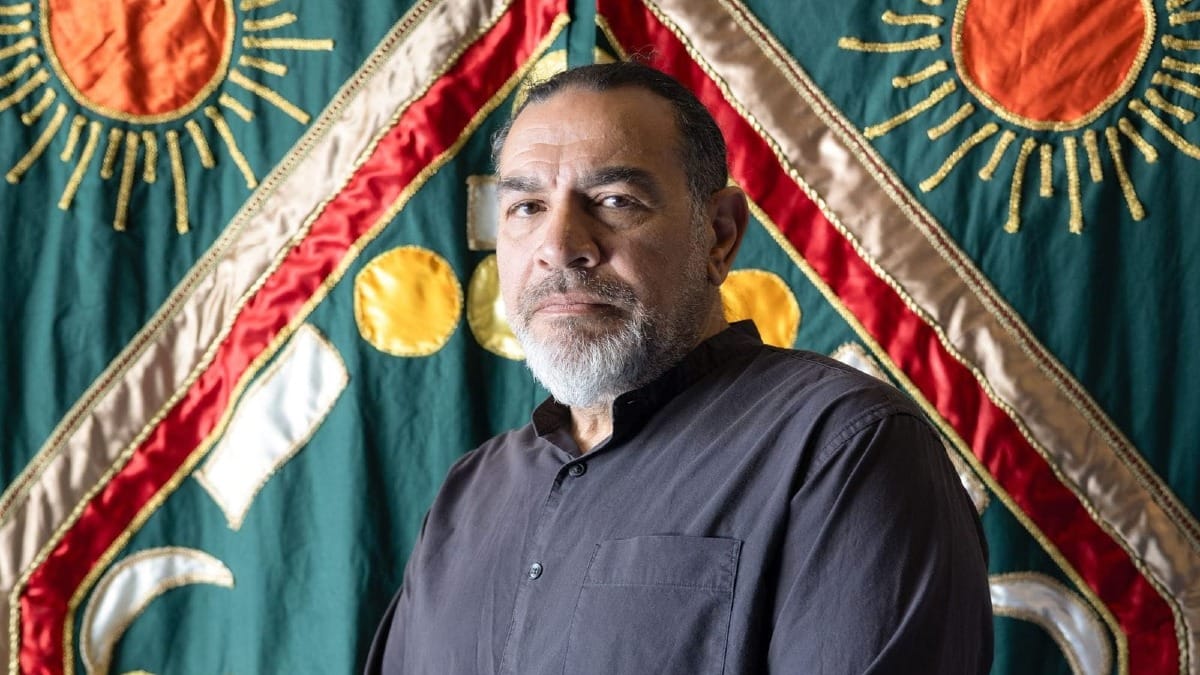
Khaled Sabsabi’s Art of Collective Becoming
Lebanese-born, Sydney-based artist Khaled Sabsabi was chosen to represent Australia at the 2026 Venice Biennale. Within a week, the government intervened to override that decision — to which Koyo Kouoh, the curator of the biennale’s main exhibition, stepped in and invited Sabsabi to the show.
Here, we speak to Sabsabi about his work. | Aruna D’Souza
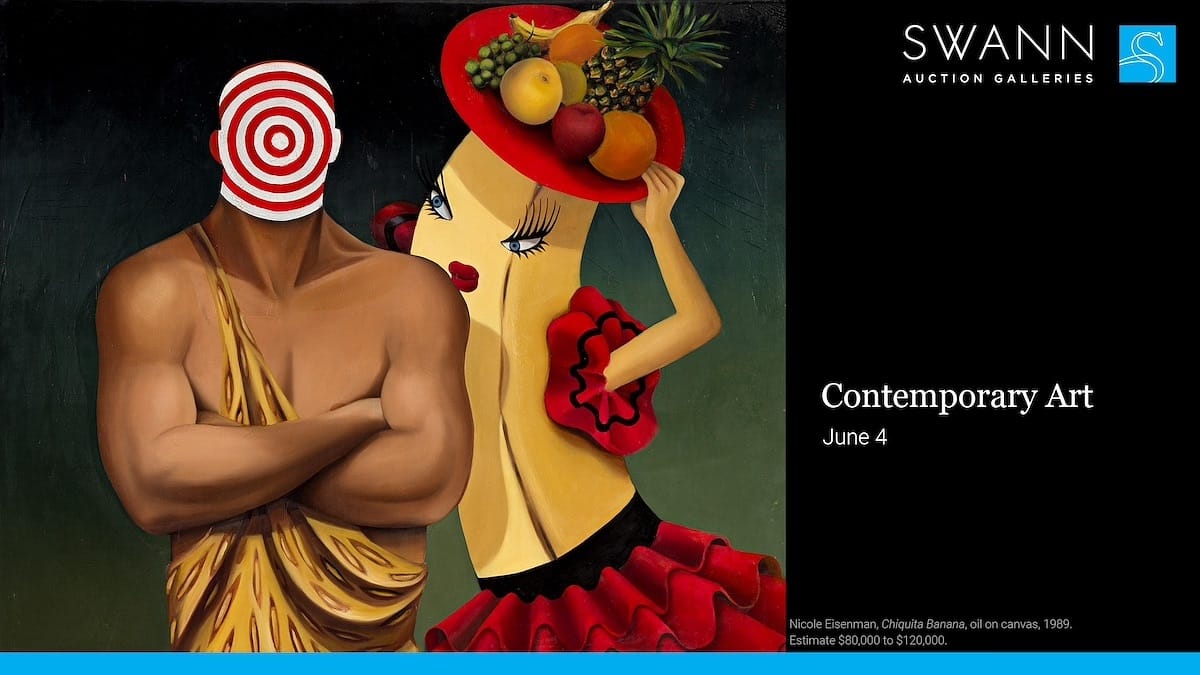
At auction on June 4, Swann’s Contemporary Art sale offers works from living artists like Banksy, Simone Leigh, and Nicole Eisenman alongside Pop, Post Modern, and Minimalist icons.
News
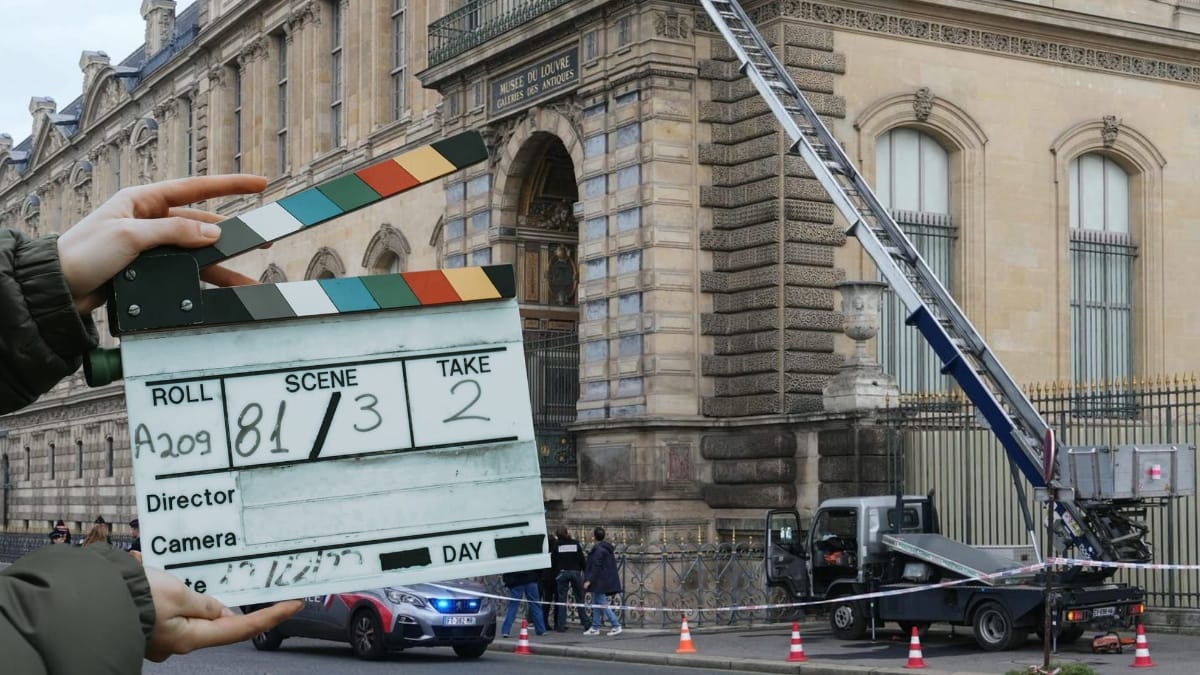
- Last year’s infamous jewel heist at the Louvre Museum, during which a brazen group of thieves made off with France’s crown jewels in broad daylight, is set for a film adaptation amid the ongoing investigation.
- Taking photographs, perusing cultural heritage sites, and visiting art museums could slow aging, according to a new study published earlier this month in the journal Innovation in Aging.
Opinion
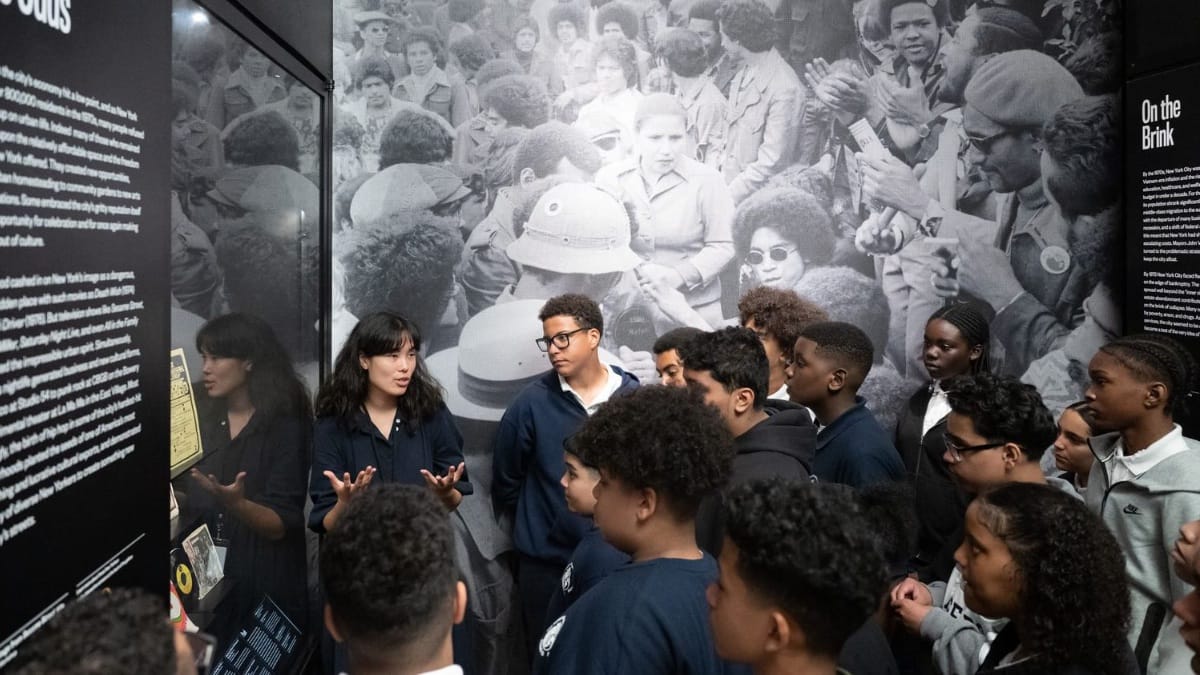
Fixing the Potholes in NYC’s Cultural Infrastructure
If “pothole politics” is about fixing what people experience in their daily lives, then cultural funding should follow the same logic: steady, predictable, and built to last. | Stephanie Hill Wilchfort
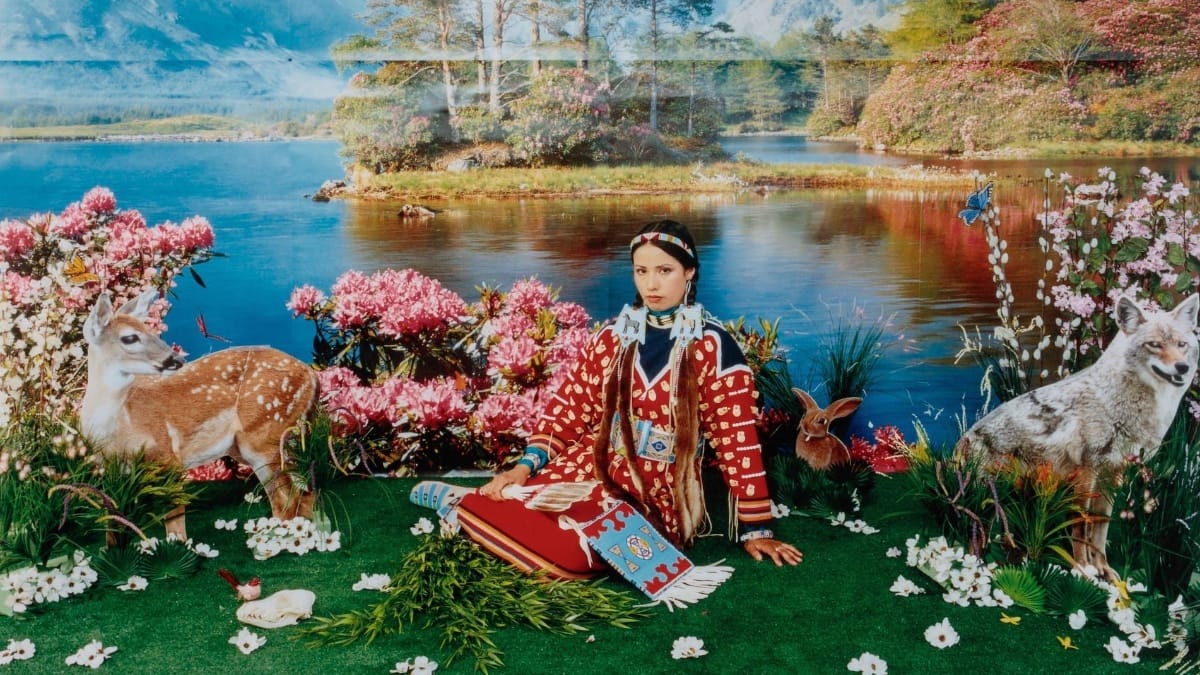
A Kind of Paradise: Reclaiming Colonial-Era Photography Through Contemporary Art
At Museum Rietberg, 20 global artists transform colonial photographs into new narratives of memory, identity, and resistance.
Community
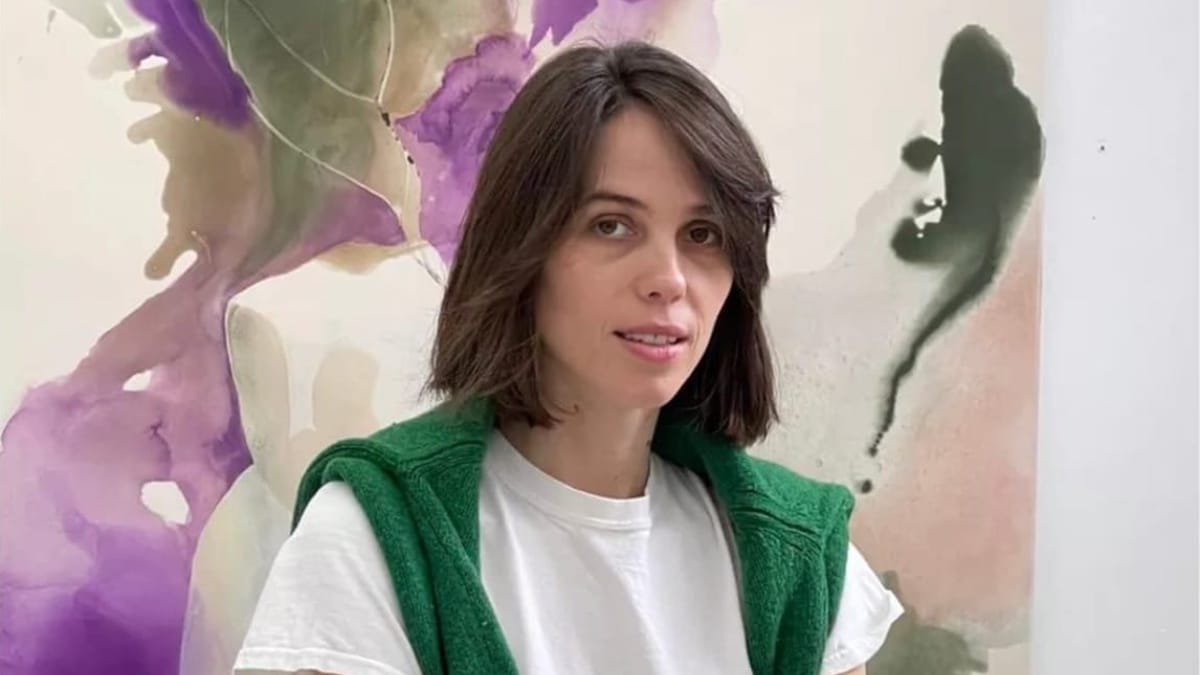
Paula Kamps, Painter of Rare Sensitivity, Dies at 36
This week, we also honor Tess Jaray, luminary of abstraction, and Ben Morea, counterculture icon.
From the Archive
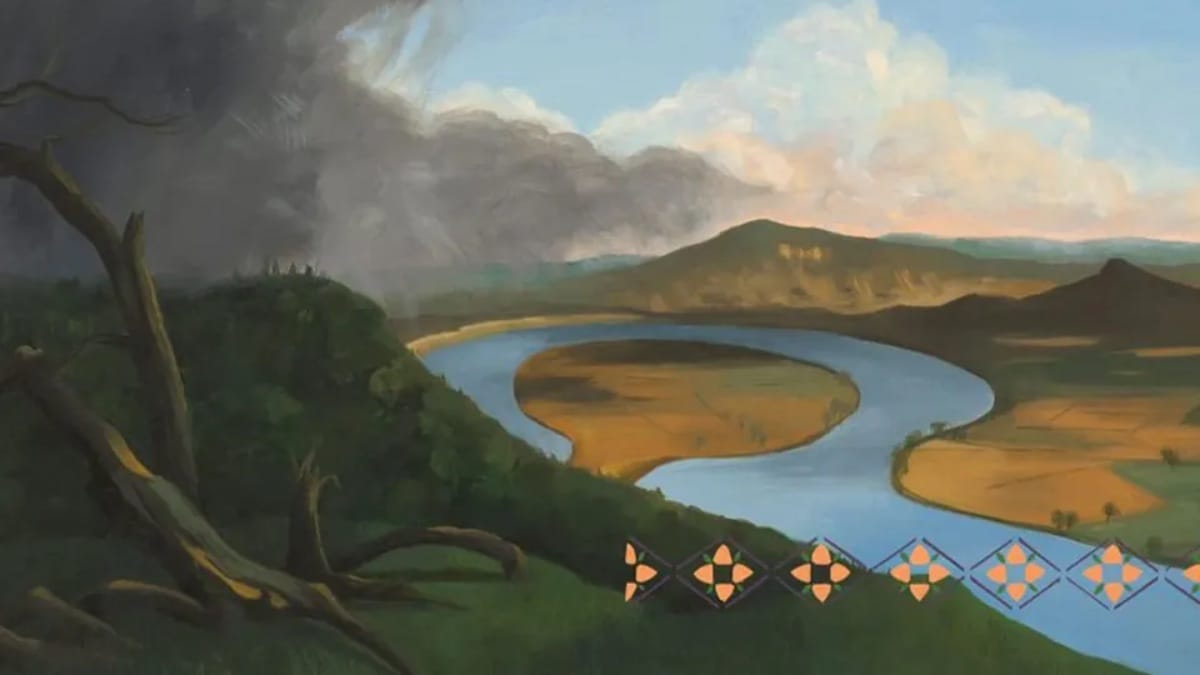
Indigenous Artists Make Themselves Seen at the Thomas Cole Site
An exhibition curated by Scott Manning Stevens moves Native peoples to the forefront of historical depictions of the Hudson Valley and elsewhere. | Steven Weinberg