Honda Motor is staring down a financial hole it has not seen in nearly seven decades. The company is set to report an operating loss of around 400 billion yen ($2.55 billion) for the fiscal year ended March 2026, as per Reuters. It will mark its first operating loss since going public in 1957. To put that in perspective, the previous fiscal year delivered an operating profit of 1.2 trillion yen. The size of Honda’s operating loss would be the second largest among Japanese automakers, trailing only Toyota‘s 461 billion yen loss during the 2008 to 2009 global financial crisis. Honda bet heavily on electric vehicles, and that bet went badly wrong.
Honda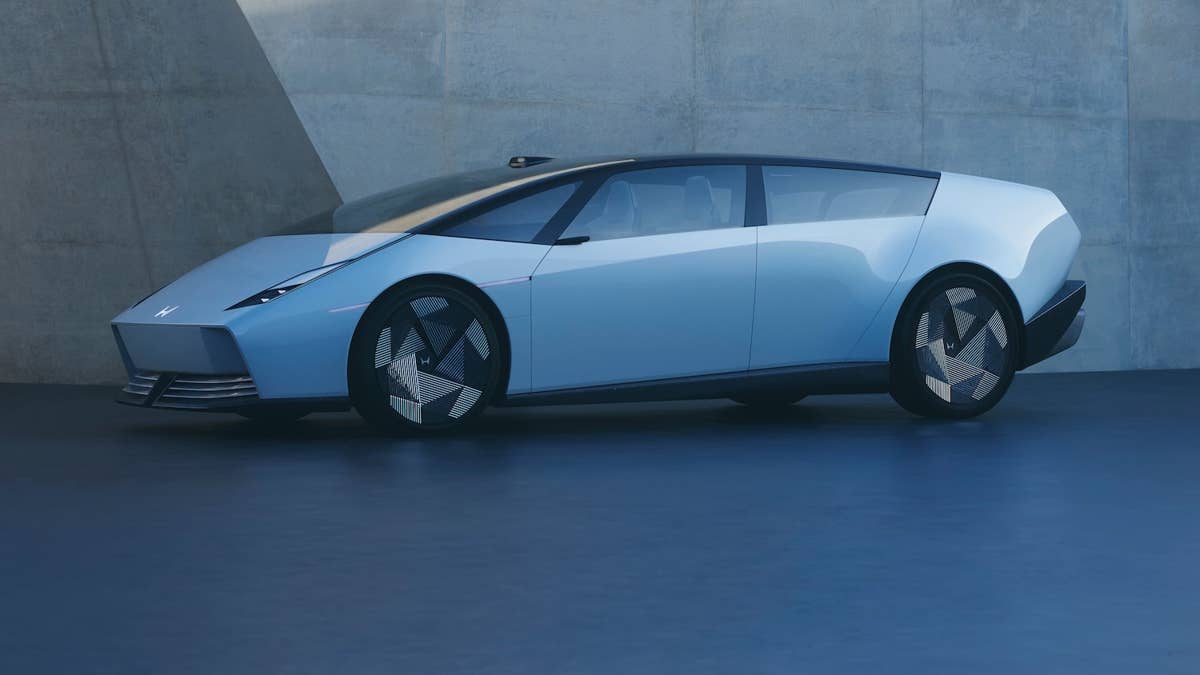
The EV Pivot That Backfired
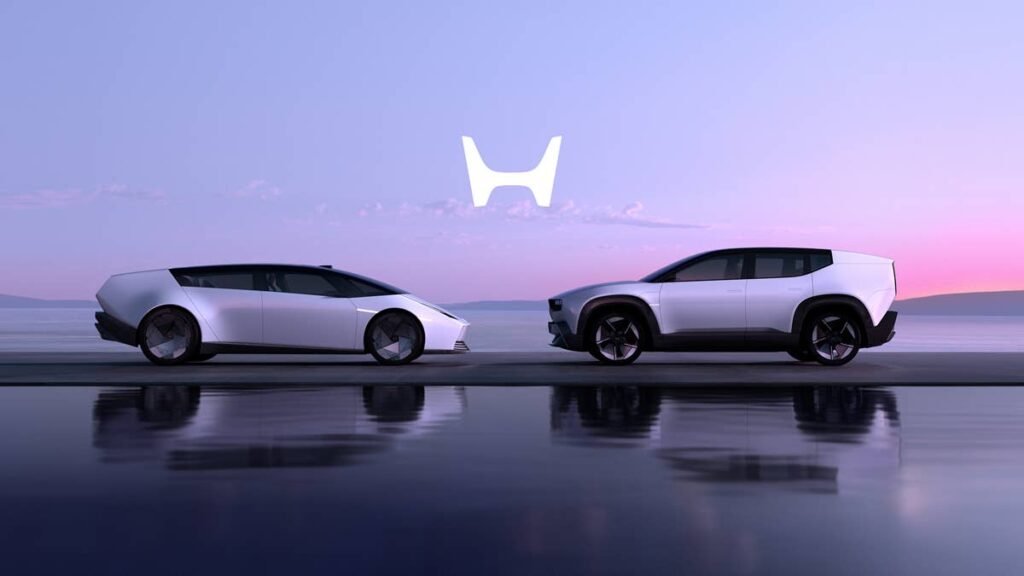
Honda cancelled its entire North American EV programme and 0 Series rollout, triggering up to 2.5 trillion yen ($15.7 billion) in losses. The cancelled programme included multiple near-production EV models and retooled Ohio facilities already ramping for launch. In China, newer EV manufacturers with faster development cycles and stronger software capabilities outcompeted Honda, which was unable to deliver products that offered comparable value for money. Combined with Ford‘s $19.5 billion write-down and General Motors’ $7.6 billion in EV-related charges, the industry’s collective retreat from battery-electric vehicles now totals roughly $67 billion.
Honda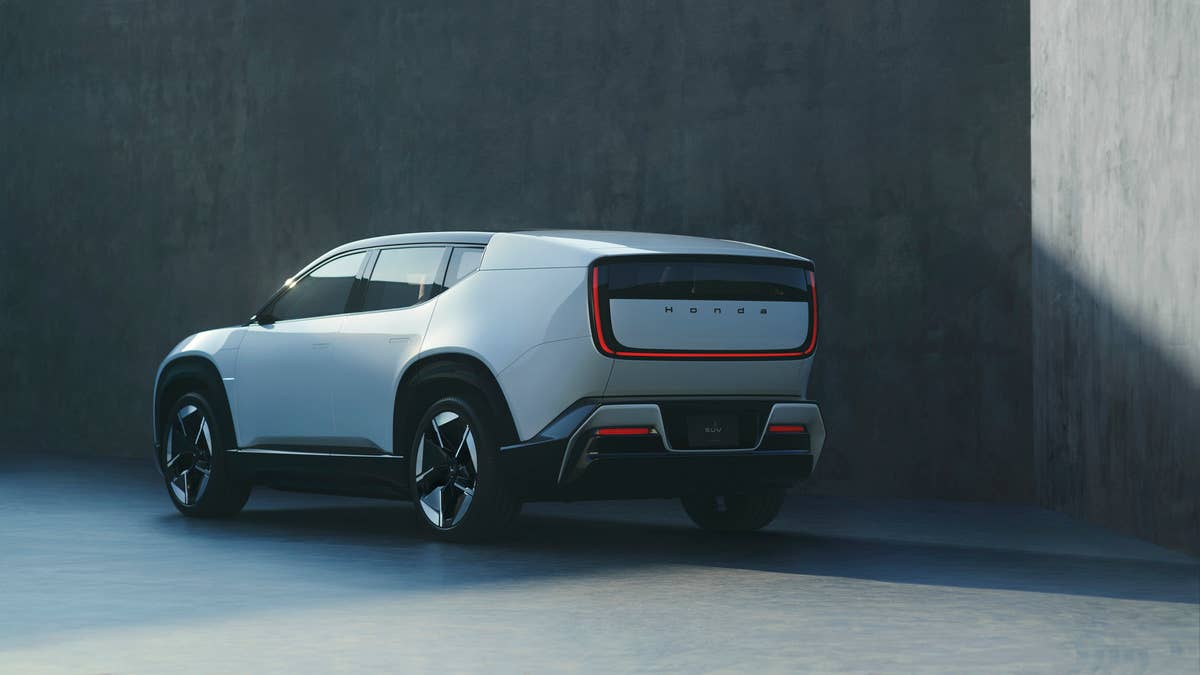
What Comes Next
Honda is not abandoning electrification, but it is dramatically slowing the pace. Instead, hybrids are getting the resources that were once earmarked for pure EVs. Honda plans to launch 13 next-generation hybrid models globally over a four-year span starting in 2027. In the US, where hybrid sales have been a genuine bright spot, Honda’s electrified lineup represented nearly a quarter of Honda’s American auto sales in 2024. That number is only expected to grow. Honda’s full strategy will be laid out at its May 14 earnings briefing, but the direction is already clear. Hybrids now. EVs, eventually, and on Honda’s terms.