The 61st Venice Biennale may be marked by various protests as artists hum through the exhibitions, hundreds gather in front of the temporary Israeli pavilion in the Arsenale, and Pussy Riot makes their presence known in front of the Russian pavilion in the Giardini. More actions are planned for tomorrow, May 8, but the heart of the biennial art olympics — the international exhibition — beats on.
Led by artistic director Koyo Kouoh, who died last May at age 57, and her handpicked team of collaborators, In Minor Keys opened for today’s preview with a somber curatorial press conference. Advisor Rasha Salti remarked that it was “not only an unusual biennale because the artistic director is not physically present … it is a biennale we were left with her absence, looking for her presence.” Research Assistant Rory Tsapayi said that the exhibition reflected Kouoh’s curatorial process and methodology of the “work of listening to artists,” adding that this Biennale is about “attunement and attention.” In Minor Keys was fine-tuned to meet that challenge; work by the 110 invited participants filled the main halls of the Arsenale and Giardini, asking us to look closer at new forms of representation, consider innovative models of measuring the world, and take time to ponder what may otherwise be overlooked.
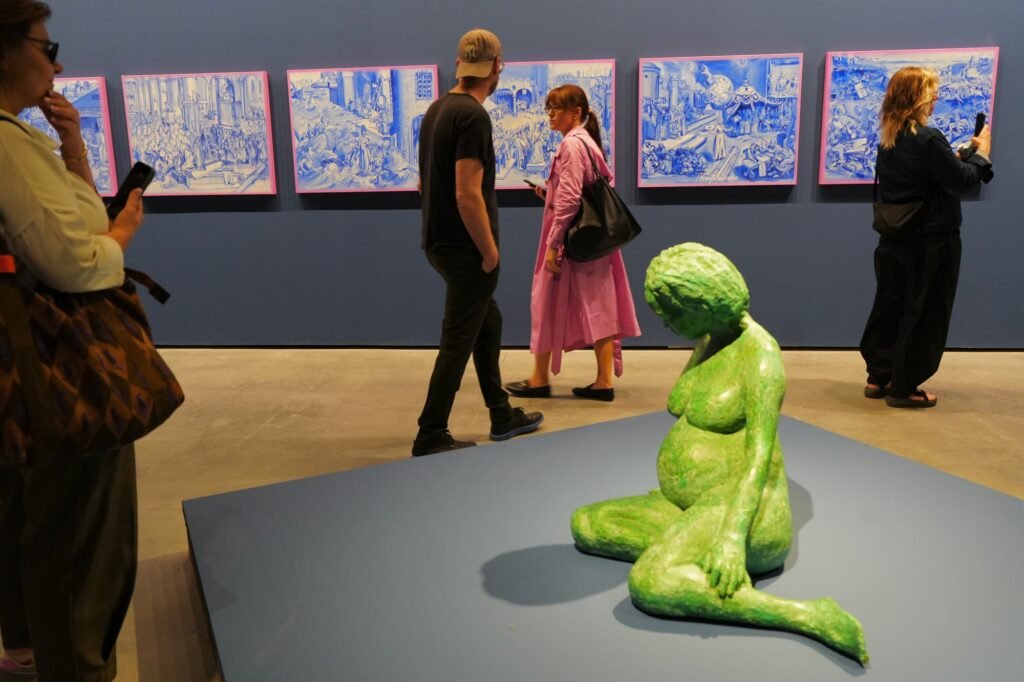
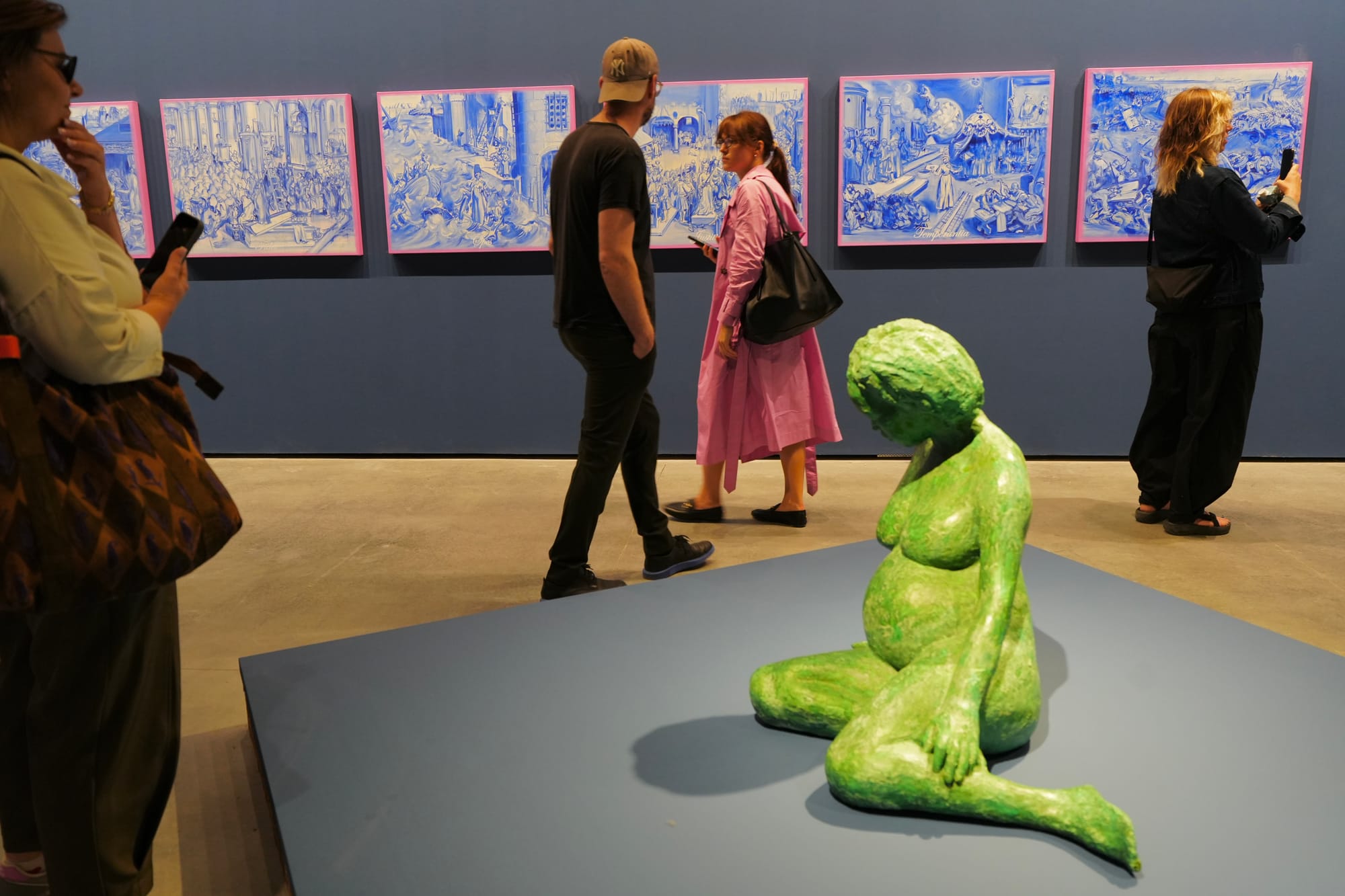
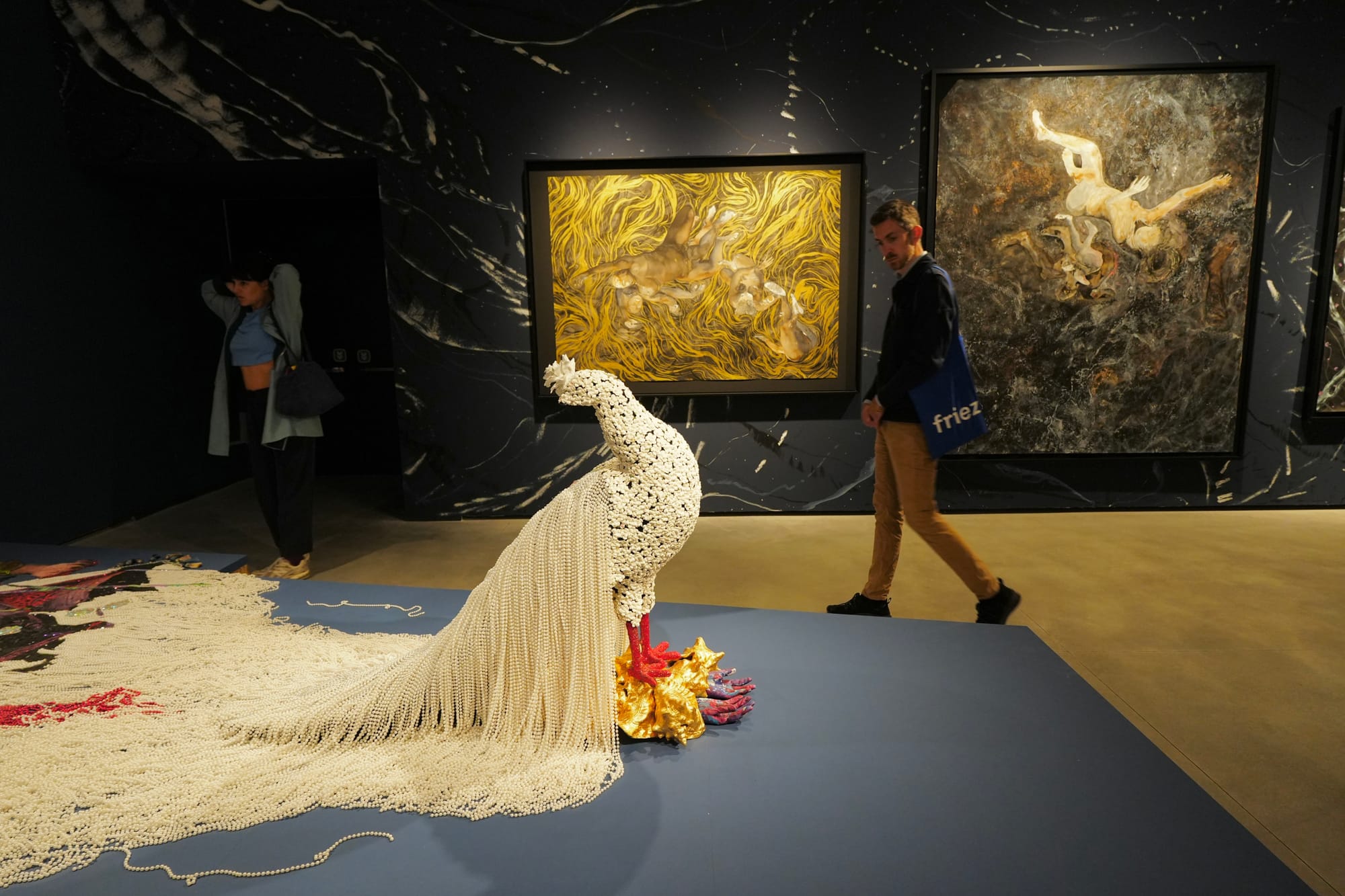
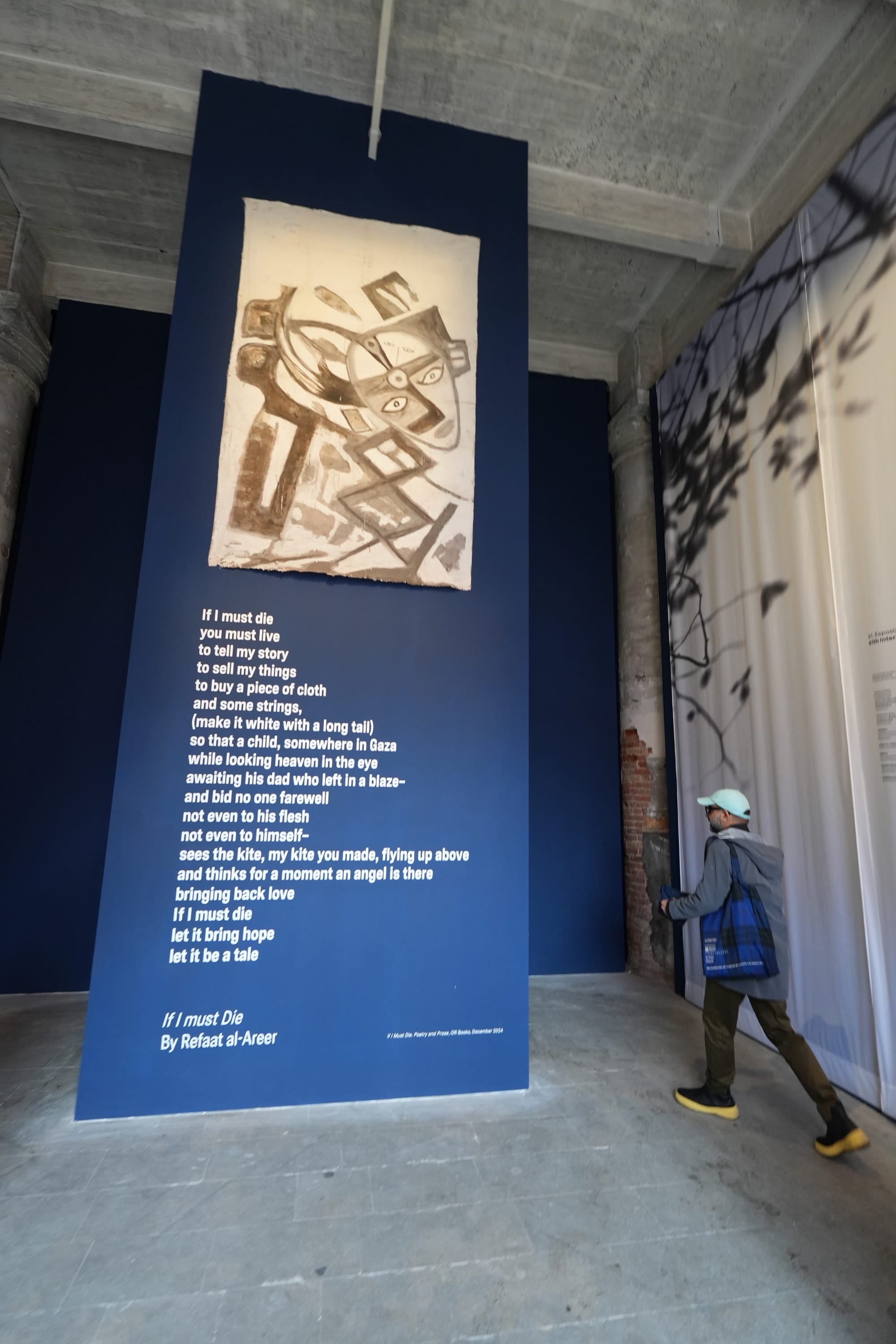
Wangechi Mutu’s installations in the Giardini and the Arsenale are major achievements, while curatorial juxtapositions, like Ebony G. Patterson’s elaborate peacock with Kambui Olujimi’s North Star watercolors, are inspired. Throughout the exhibition hang banners with quotes from some of the most moving writers and poets of our time, from Refaat al-Areer to Toni Morrison and Ben Okri, that complement the sensitivity of the art all around. Together, they perform an unexpected symphony.
Here is a first look at the massive exhibition that celebrates those tunes that artists may have once sung only to themselves, and now sing for the world to hear.
Giardini
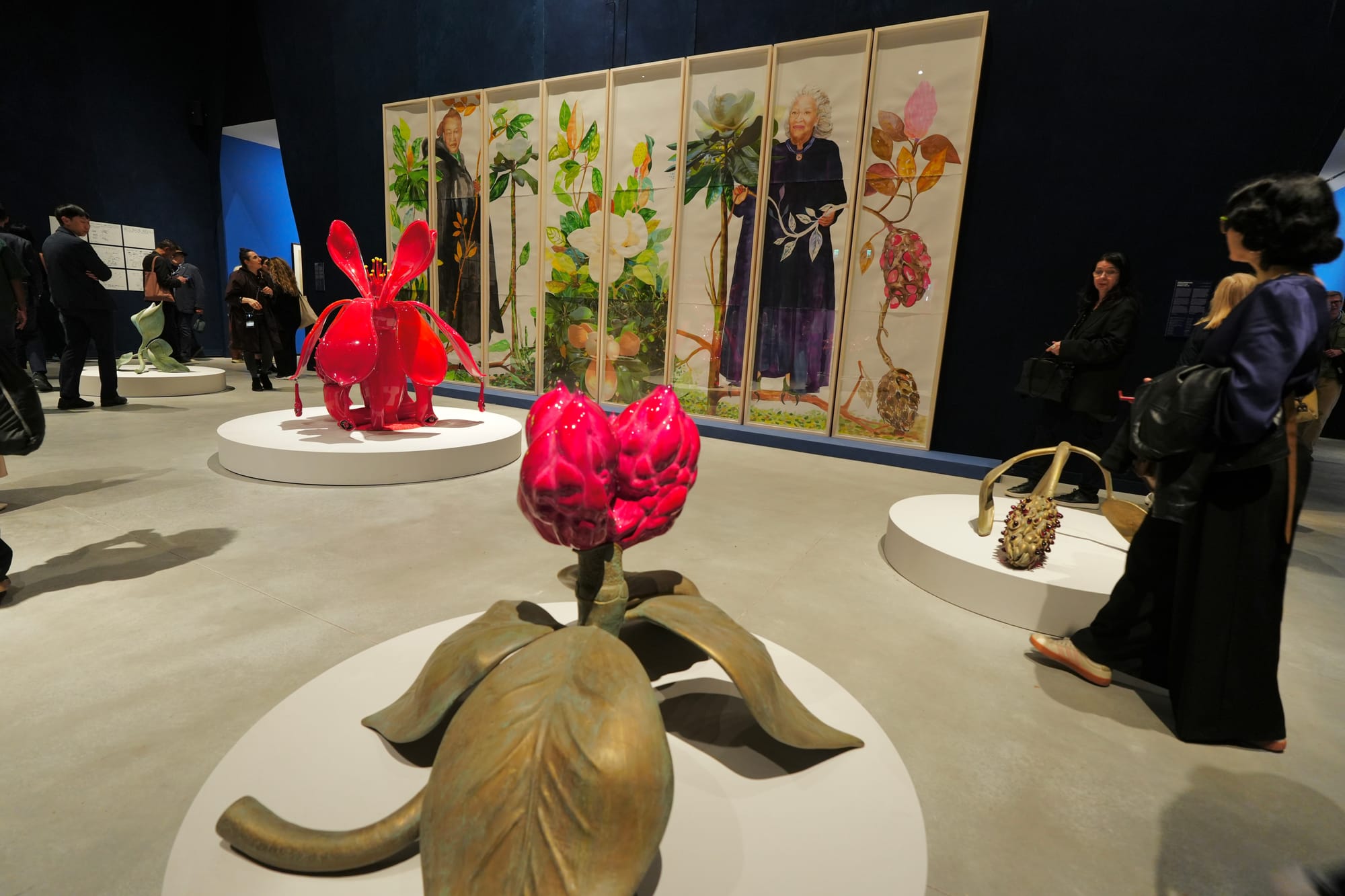
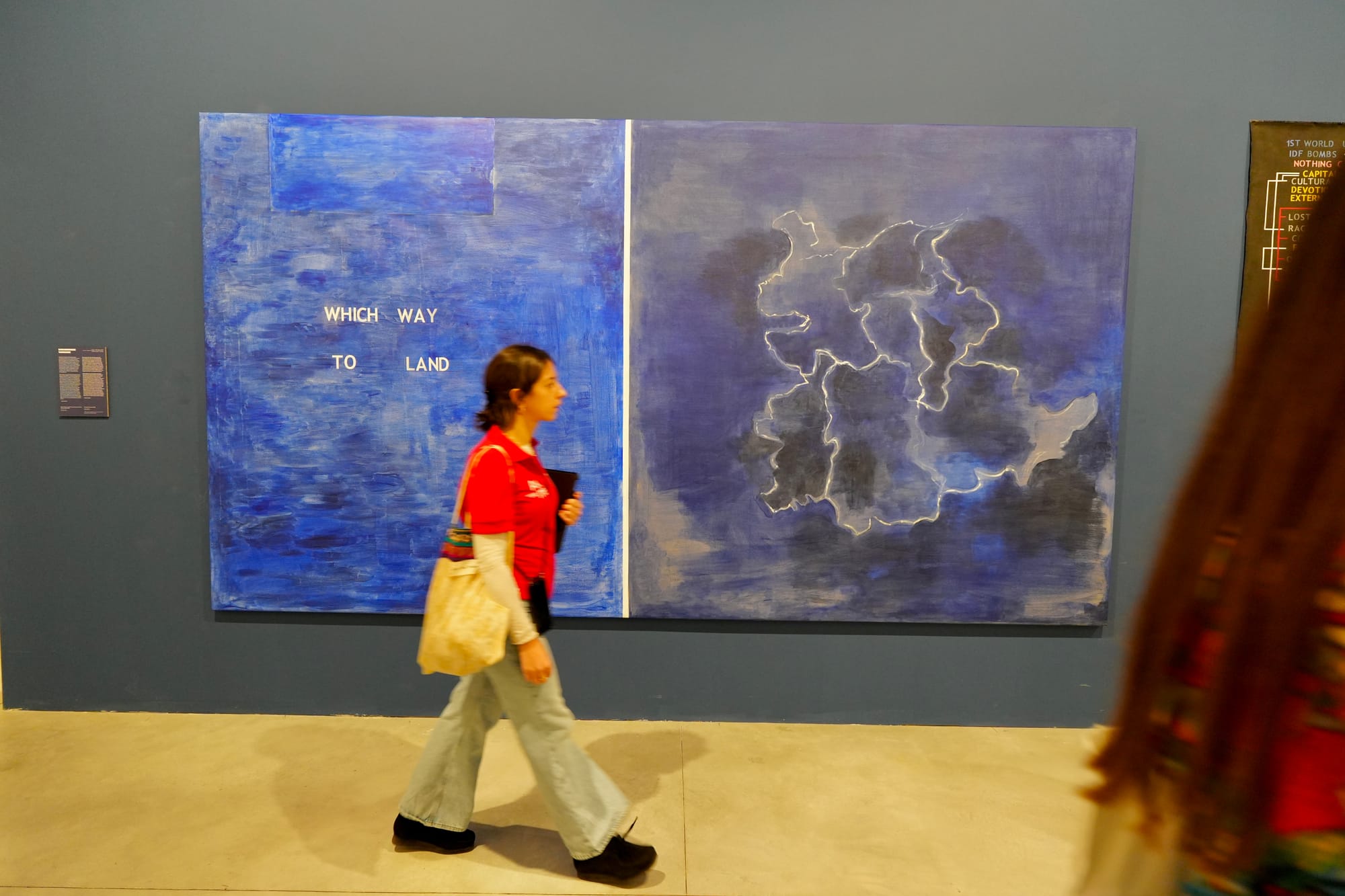
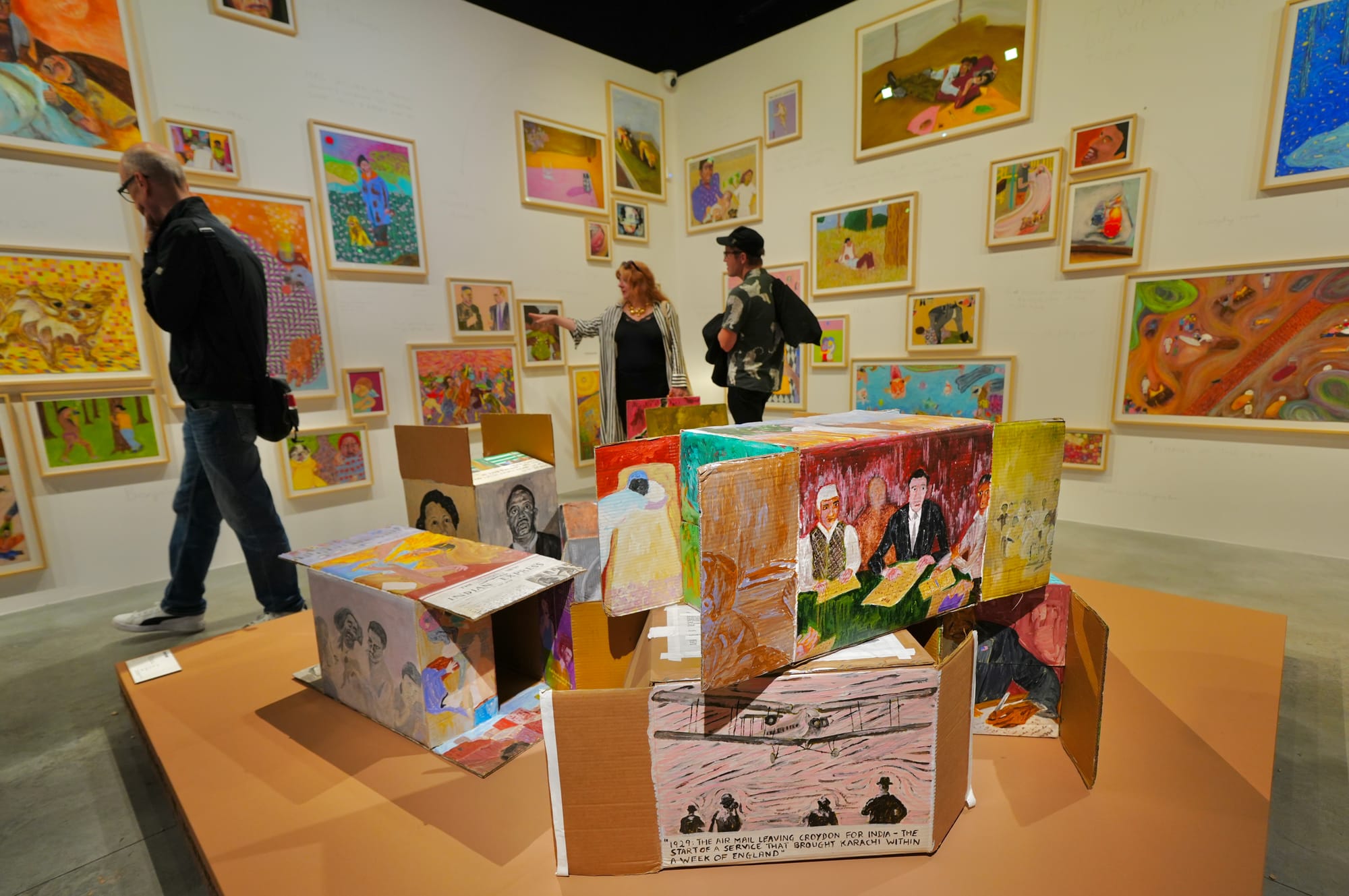
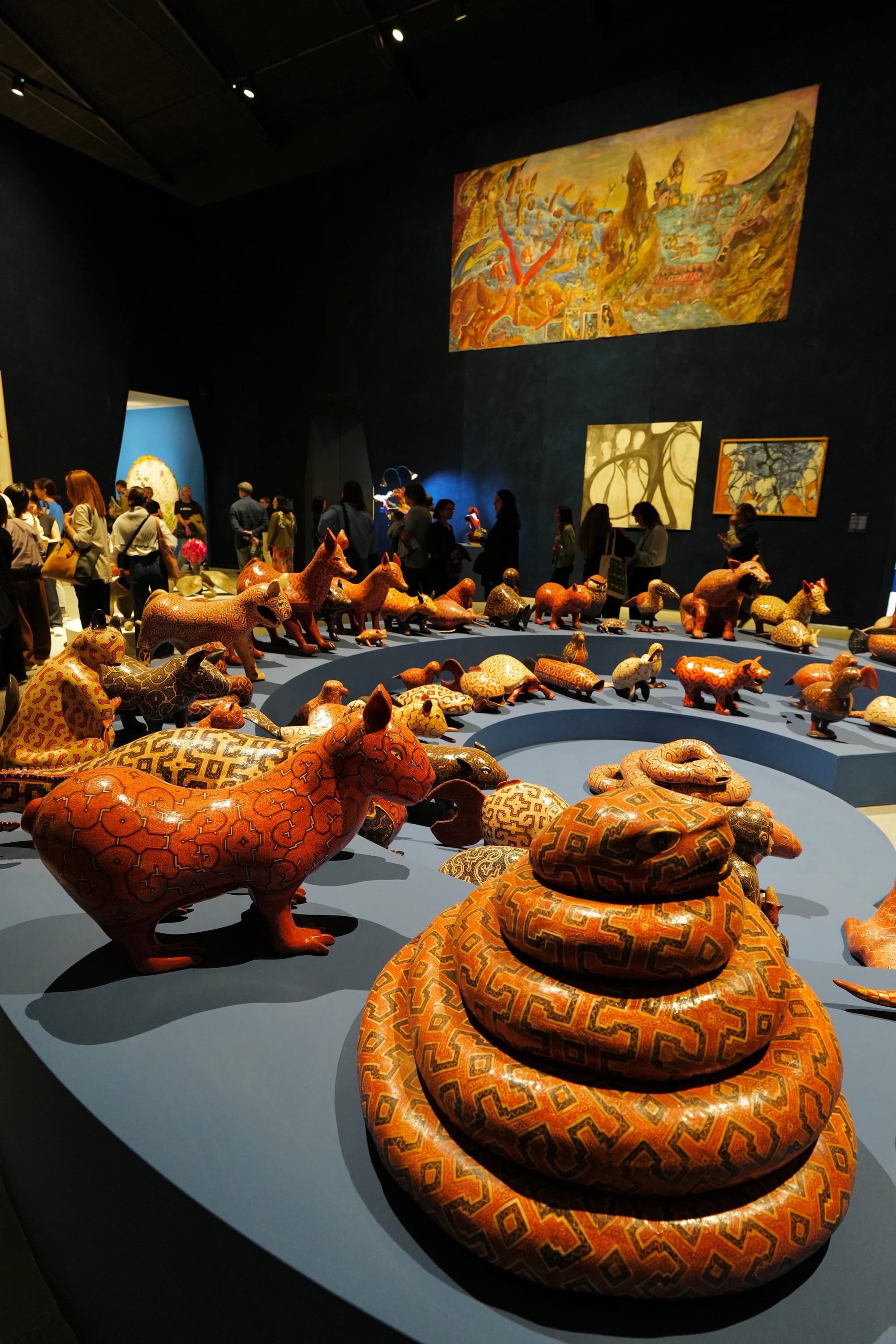
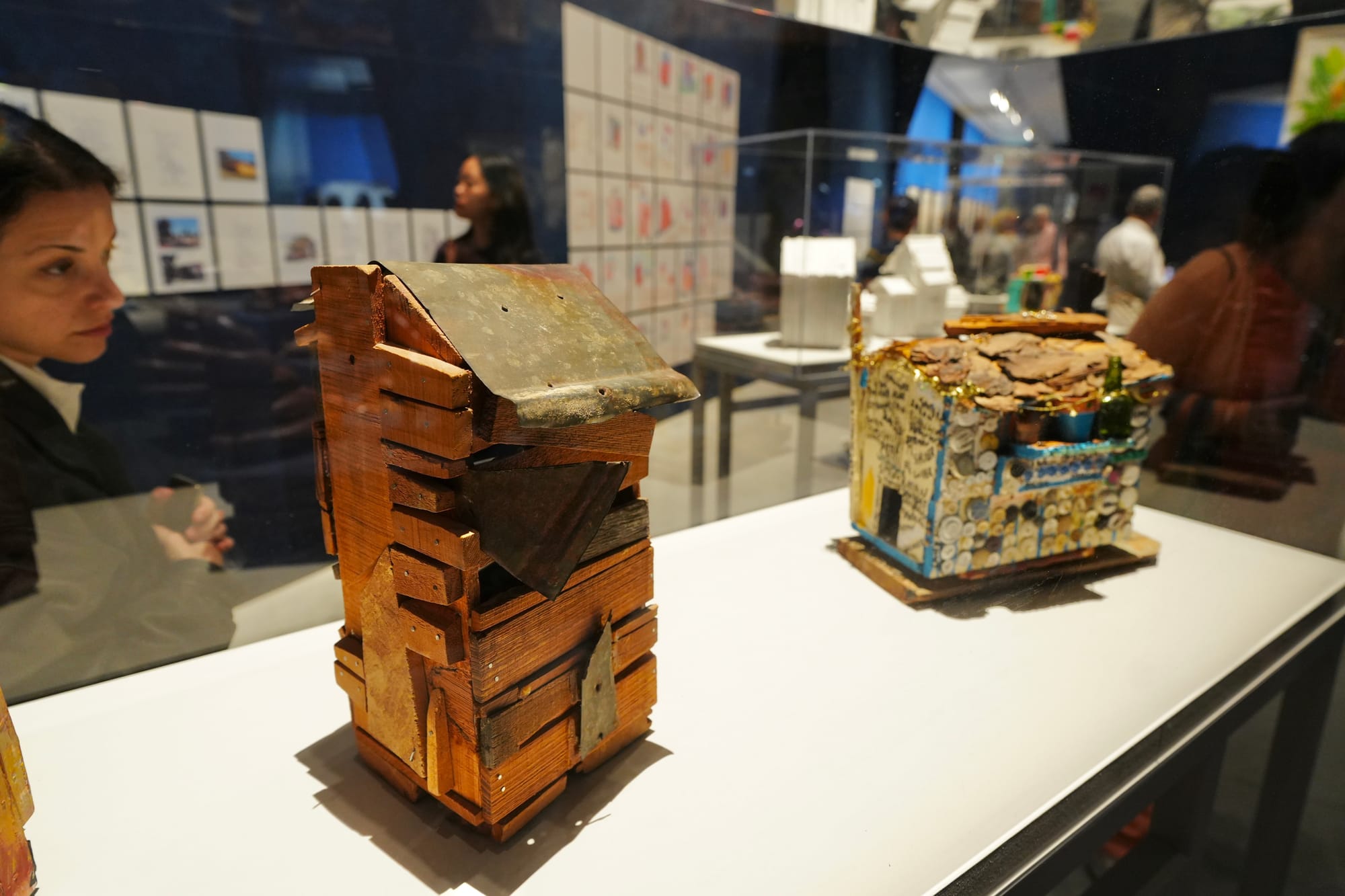
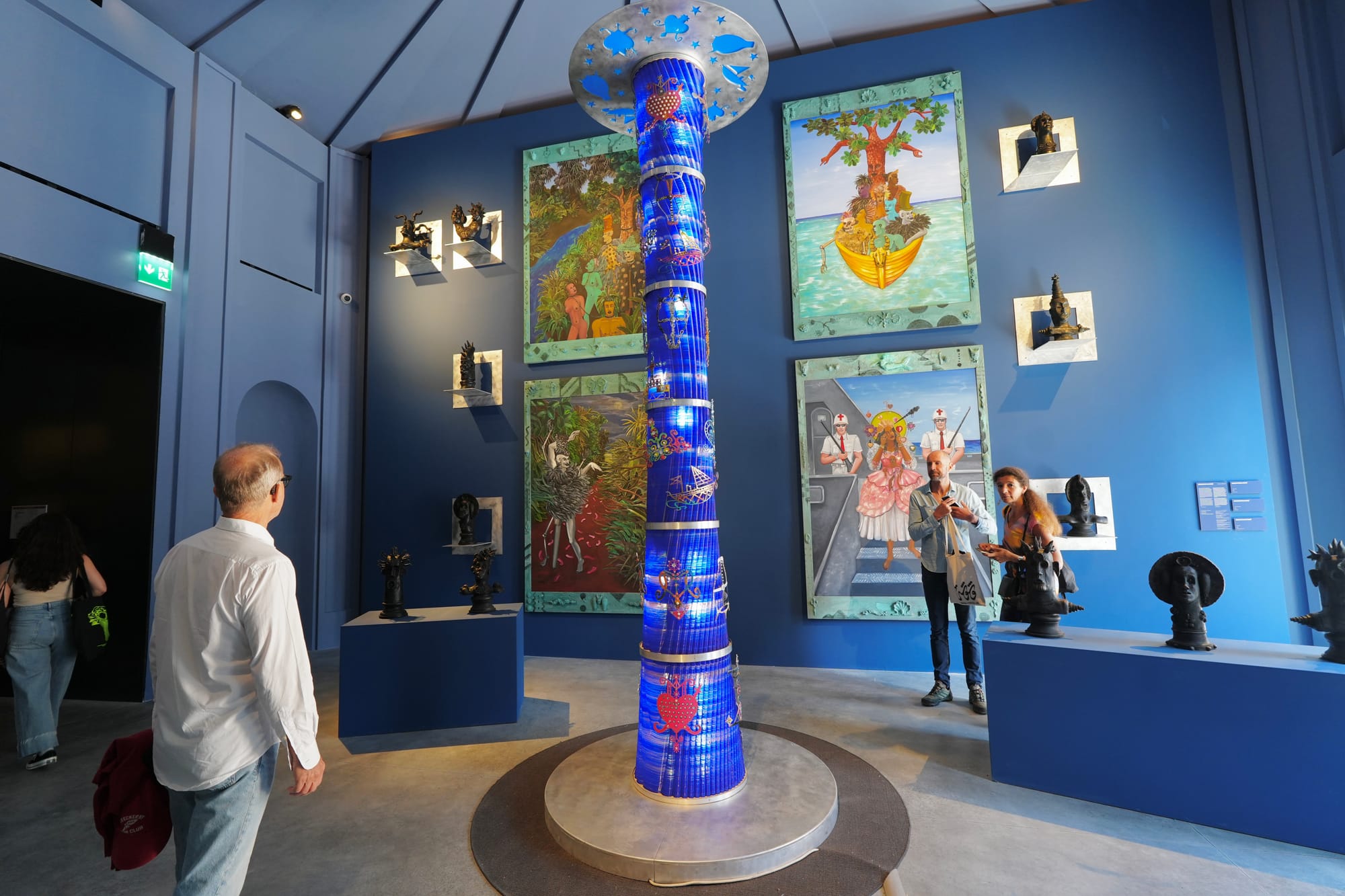
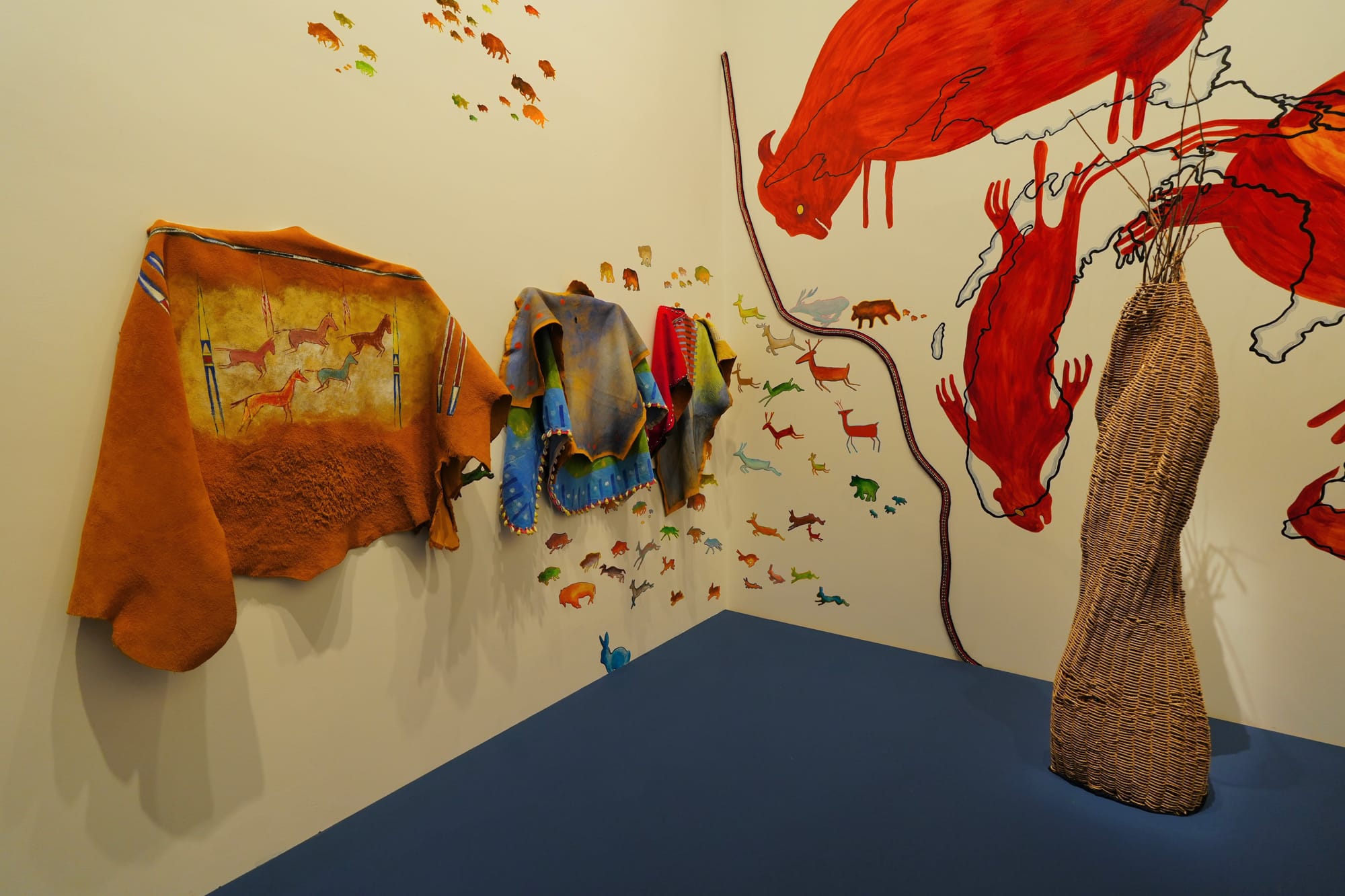
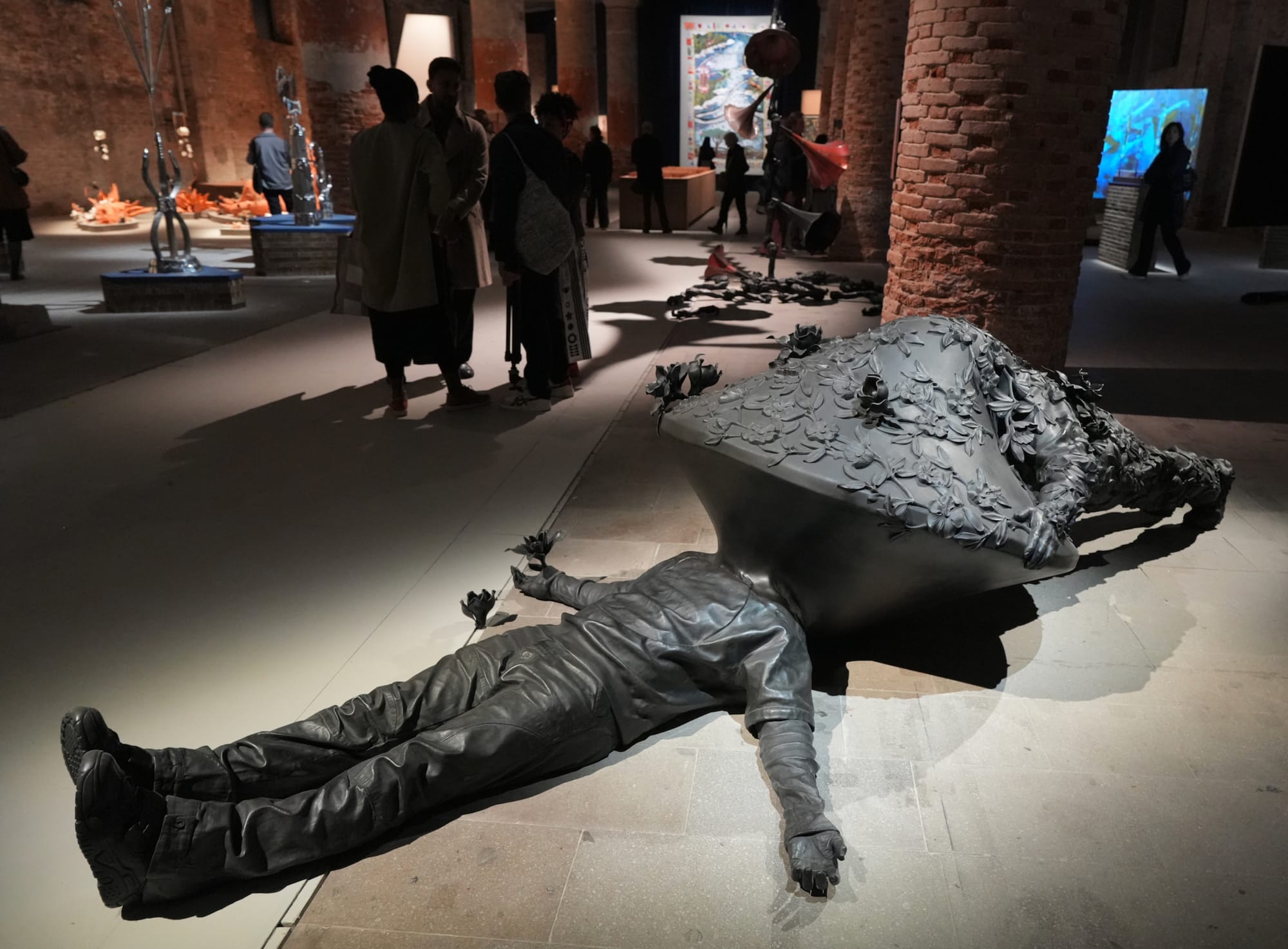
An elaborate sculpture by Ebony Patterson is surrounded by Kambui Olujimi’s lusciously painted North Star watercolors.An installation by María Magdalena Campos-Pons and Kamaal Malak features a large work, “Anatomy of the Magnolia Tree for Koyo Kouoh” (2026), and a series of flower sculptures made of resin and PLA filamentSawangwongse Yawnghwe’s “Which Way to Land? An Open Question About Burma’s Fate” (2023) considers the realities of the Rohingya Genocide and its relationship to colonial maps.Sohrab Hura’s soft pastel drawings began during the 2020 pandemic and have since evolved into snapshots of her quotidian world in India and its familiar and quirky moments.“The Council of the Mother Spirits of the Animals” (2020–23) is a sculptural installation by Celia Vásquez Yui made with coil-built pre-fire slip-painted clay and vegetal resins. The work offers a spiritual understanding of ecology.A visitor looking at some of Beverly Buchanan’s distinctive shack sculpturesEdouard Duval-Carrié created a large pillar, “Poto Mitan” (2026), to complement some older work, including paintings and bronze sculptures, that highlight the rich spiritual traditions of Haiti, where he was born, and retell the histories central to the country’s self-image.Serpent River Ojibwa artist Bonnie Devine uses her art to imagine a decolonized world while honoring the trauma that the colonial realities created.
Arsenale
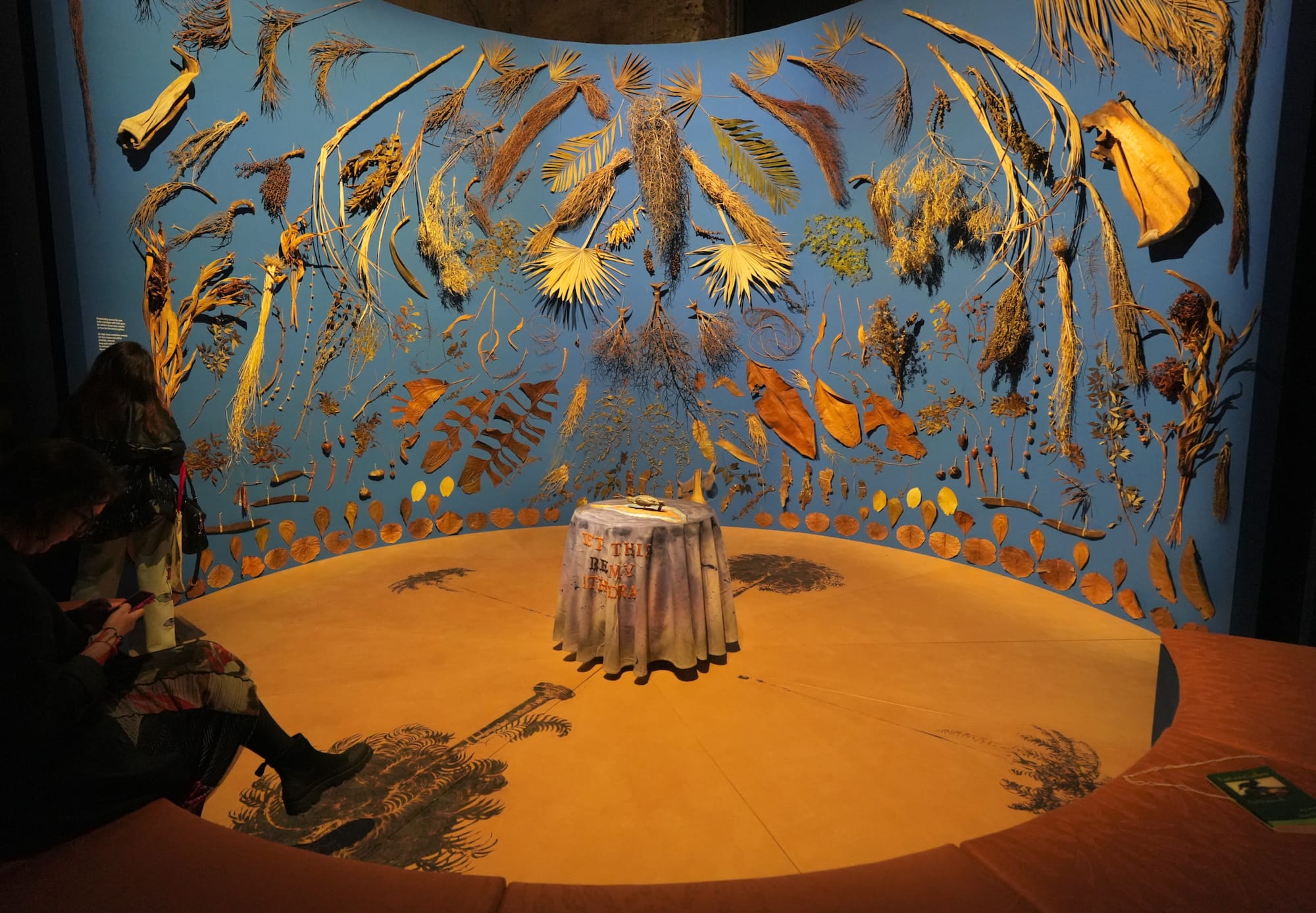
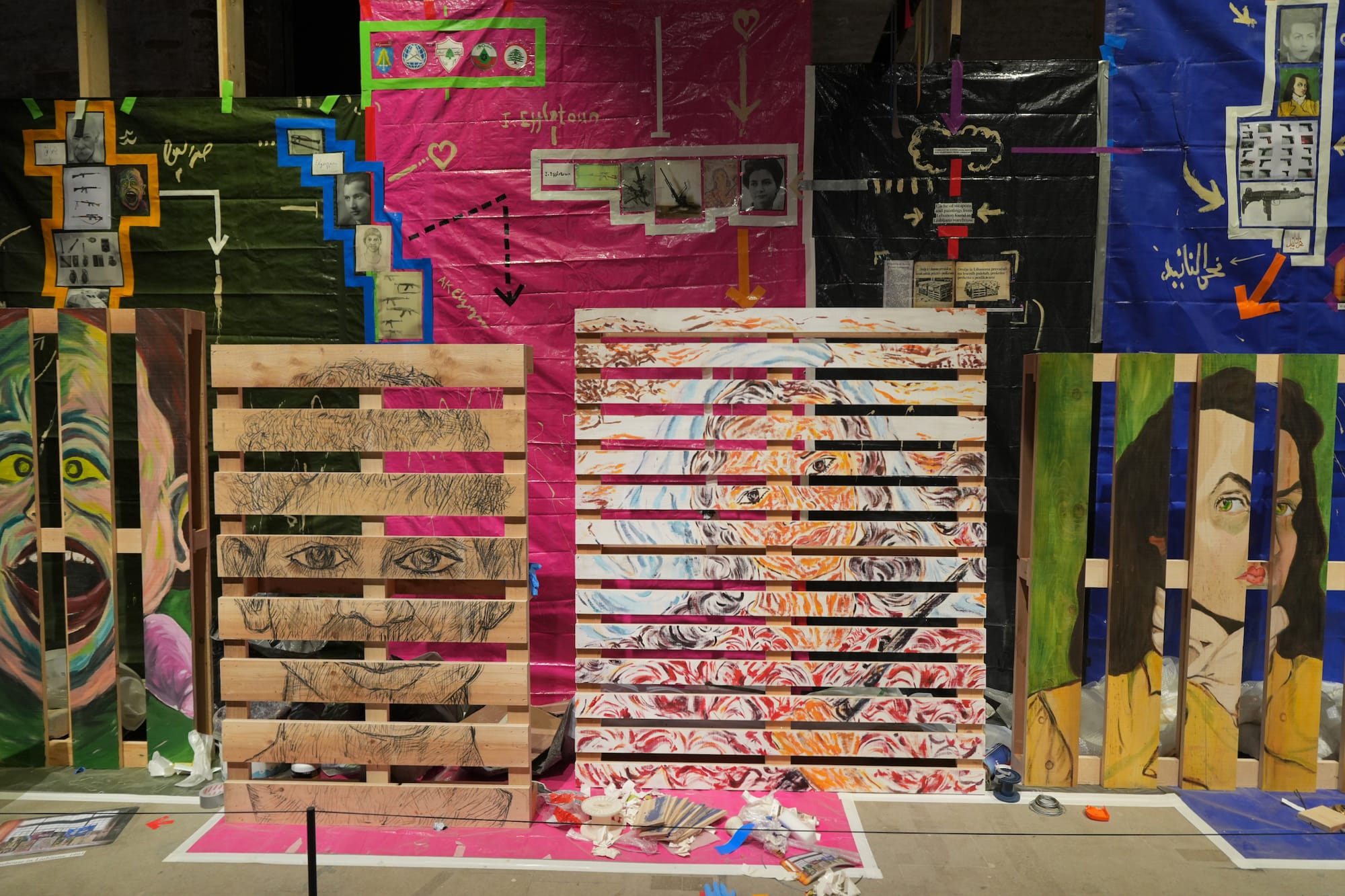
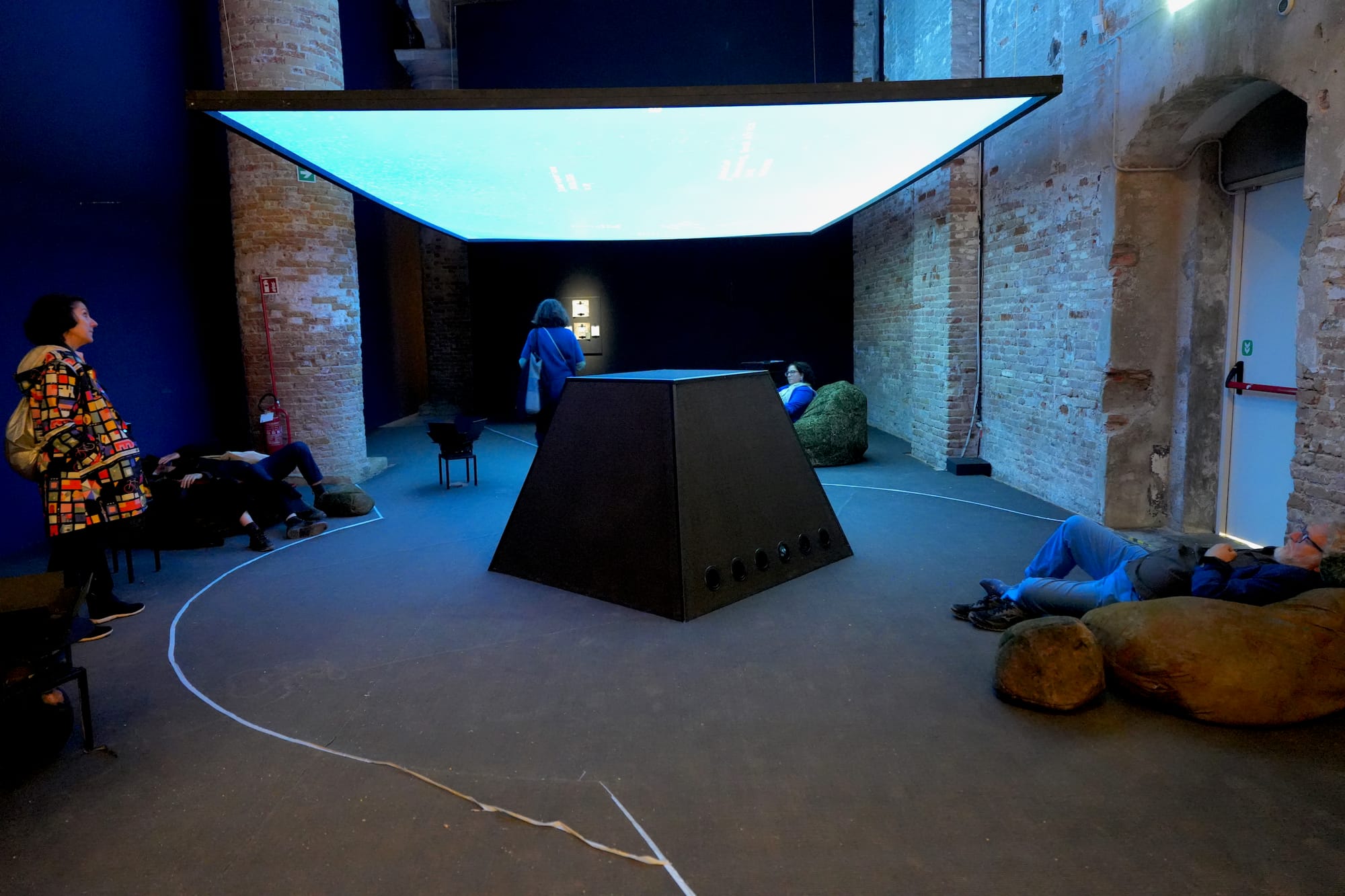
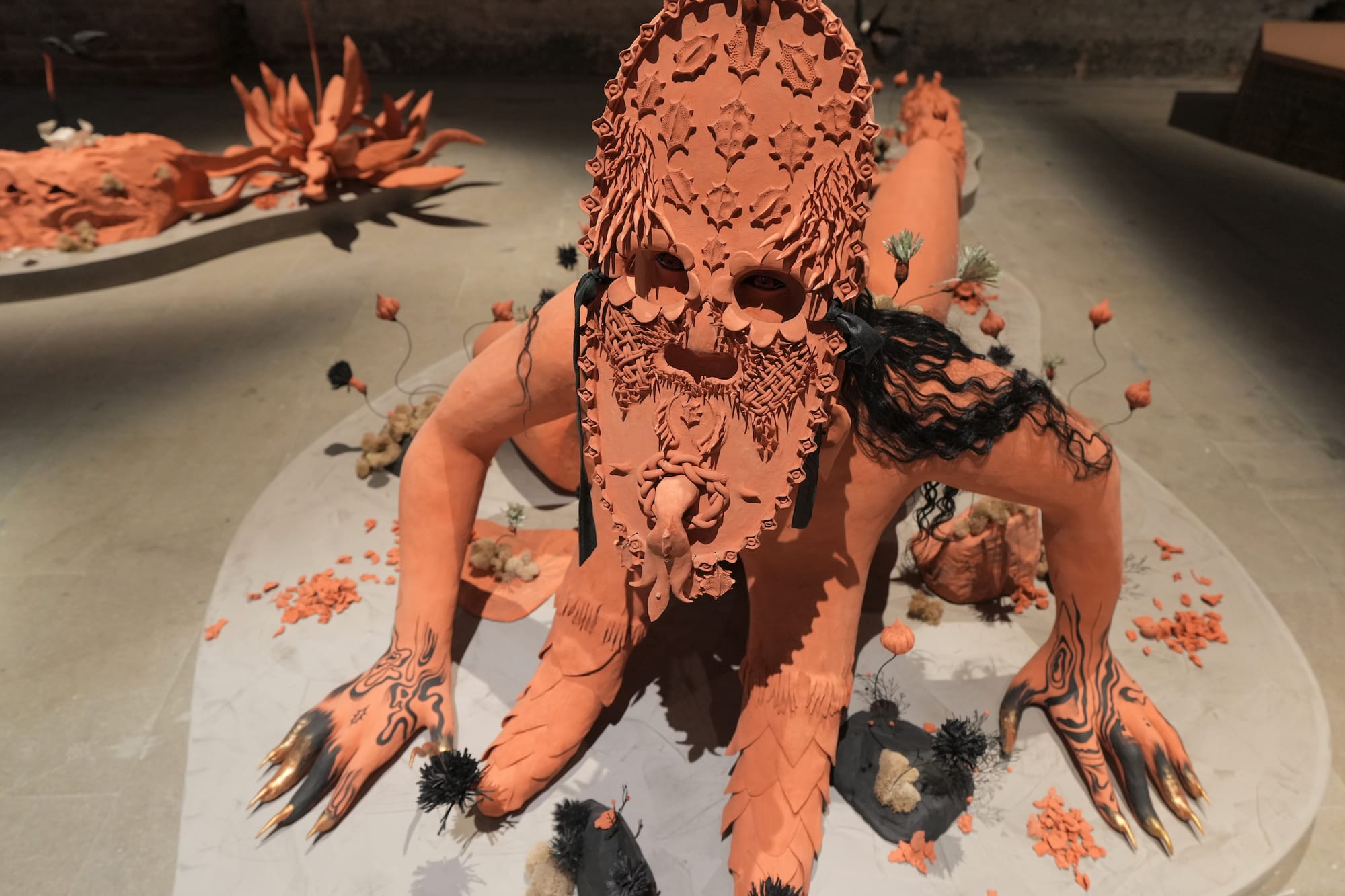
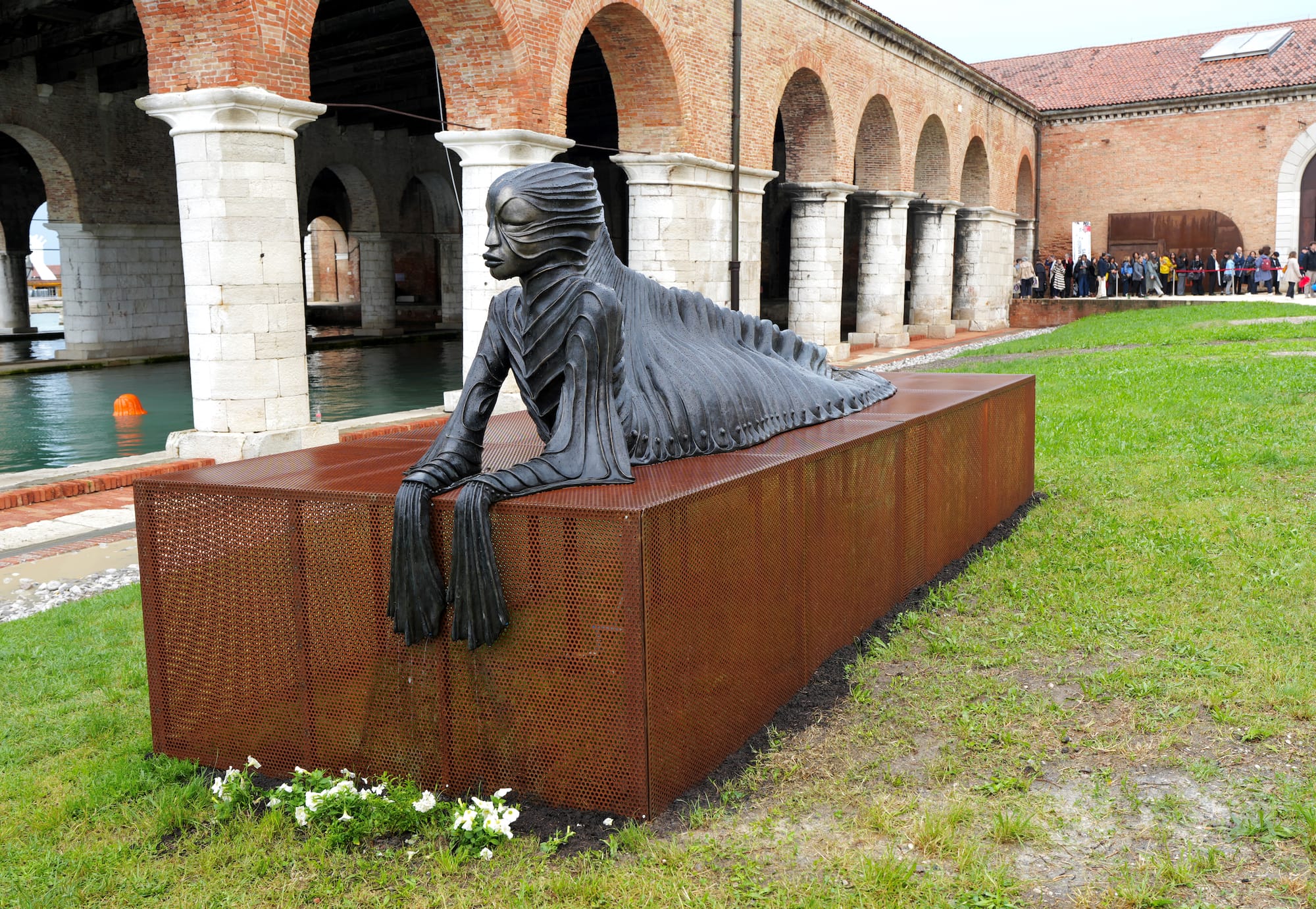
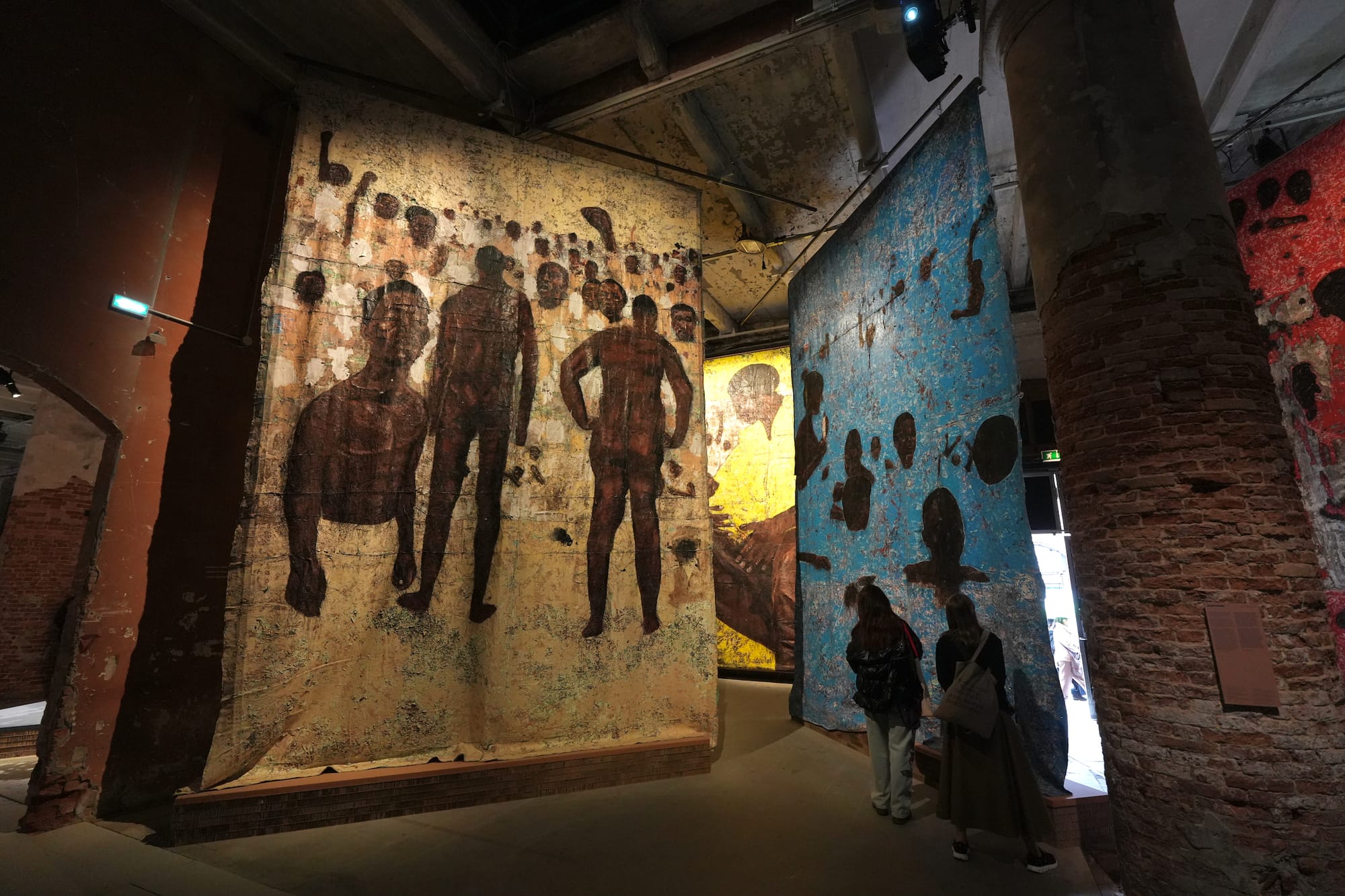
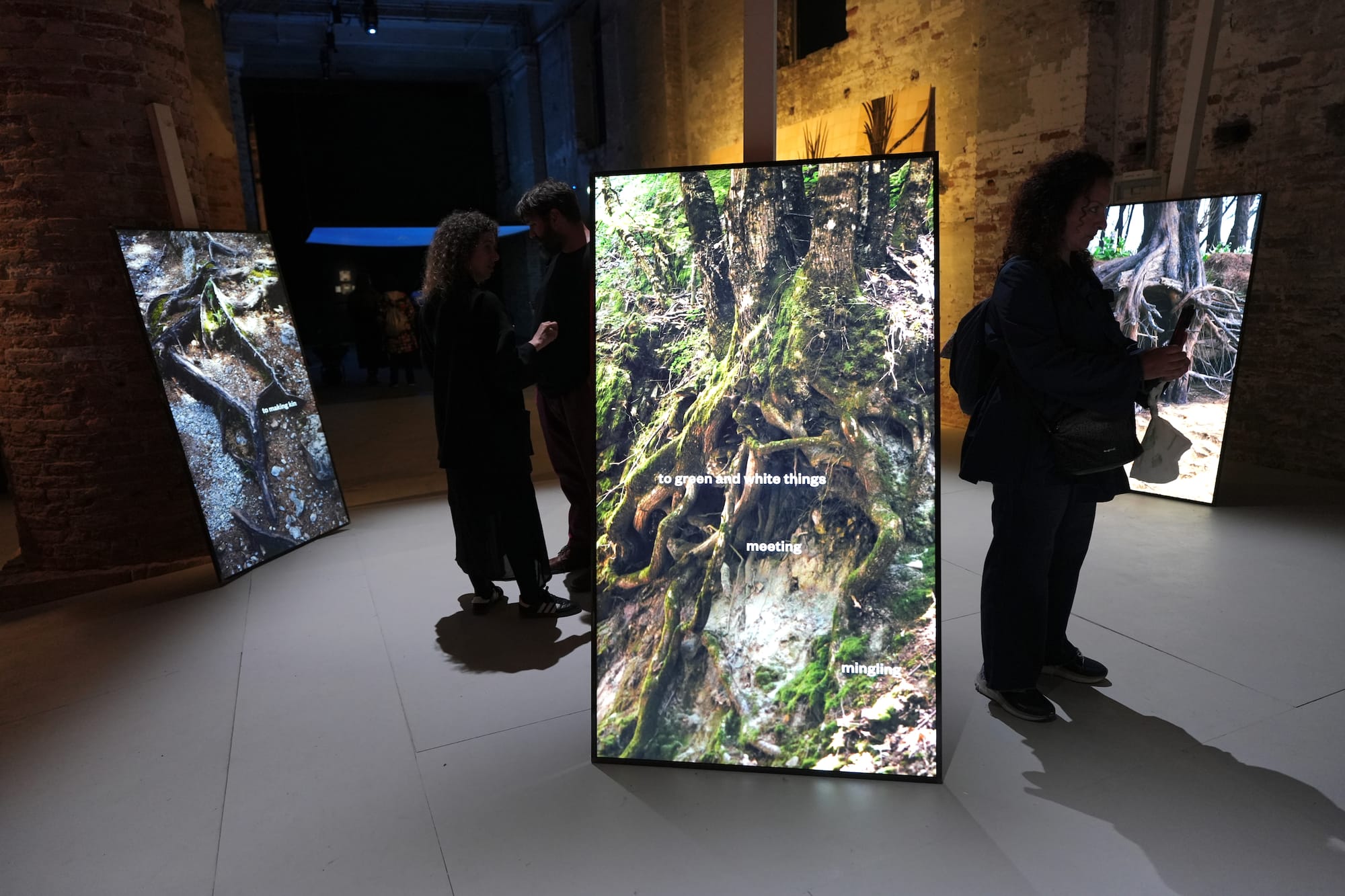
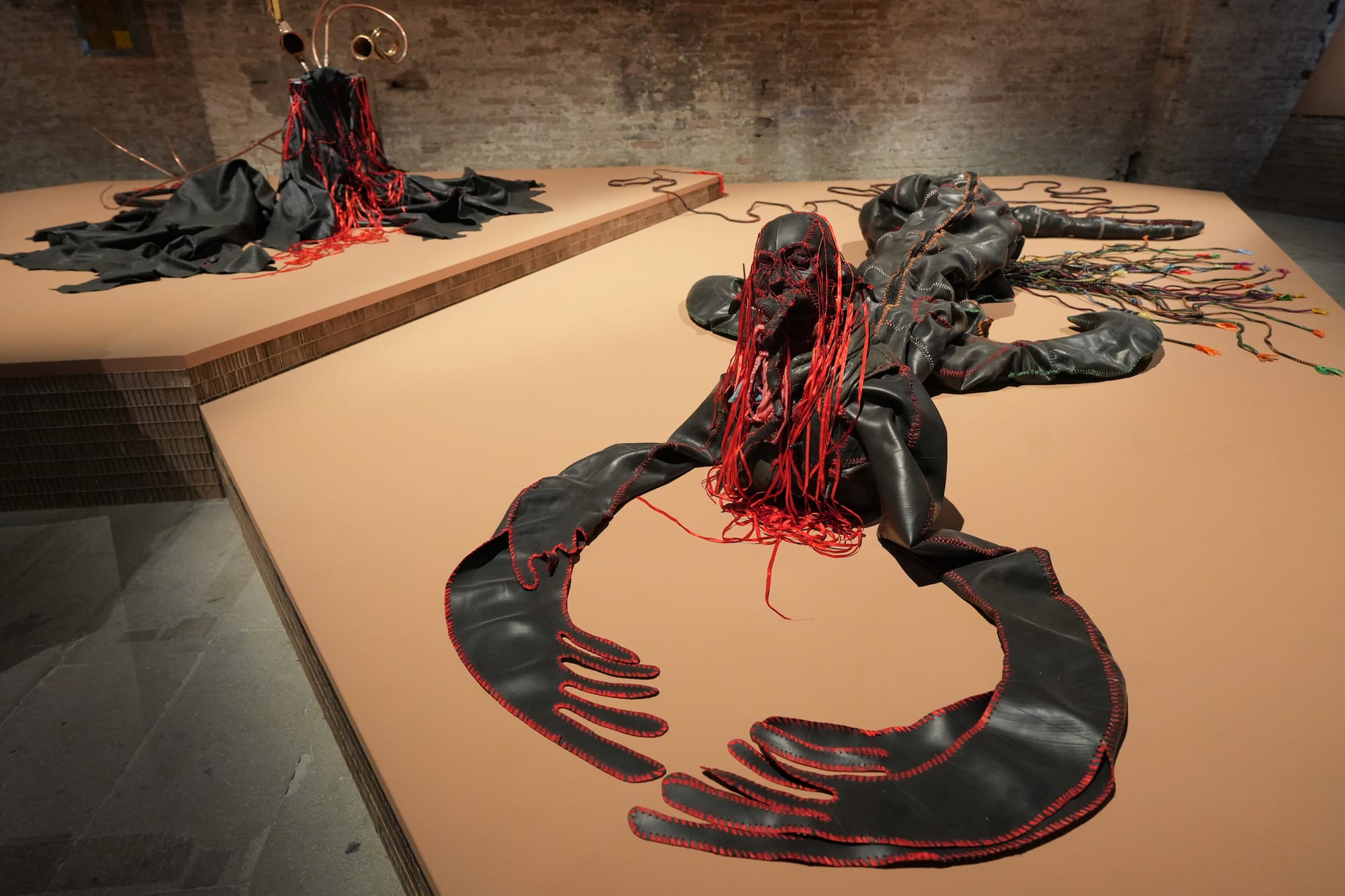
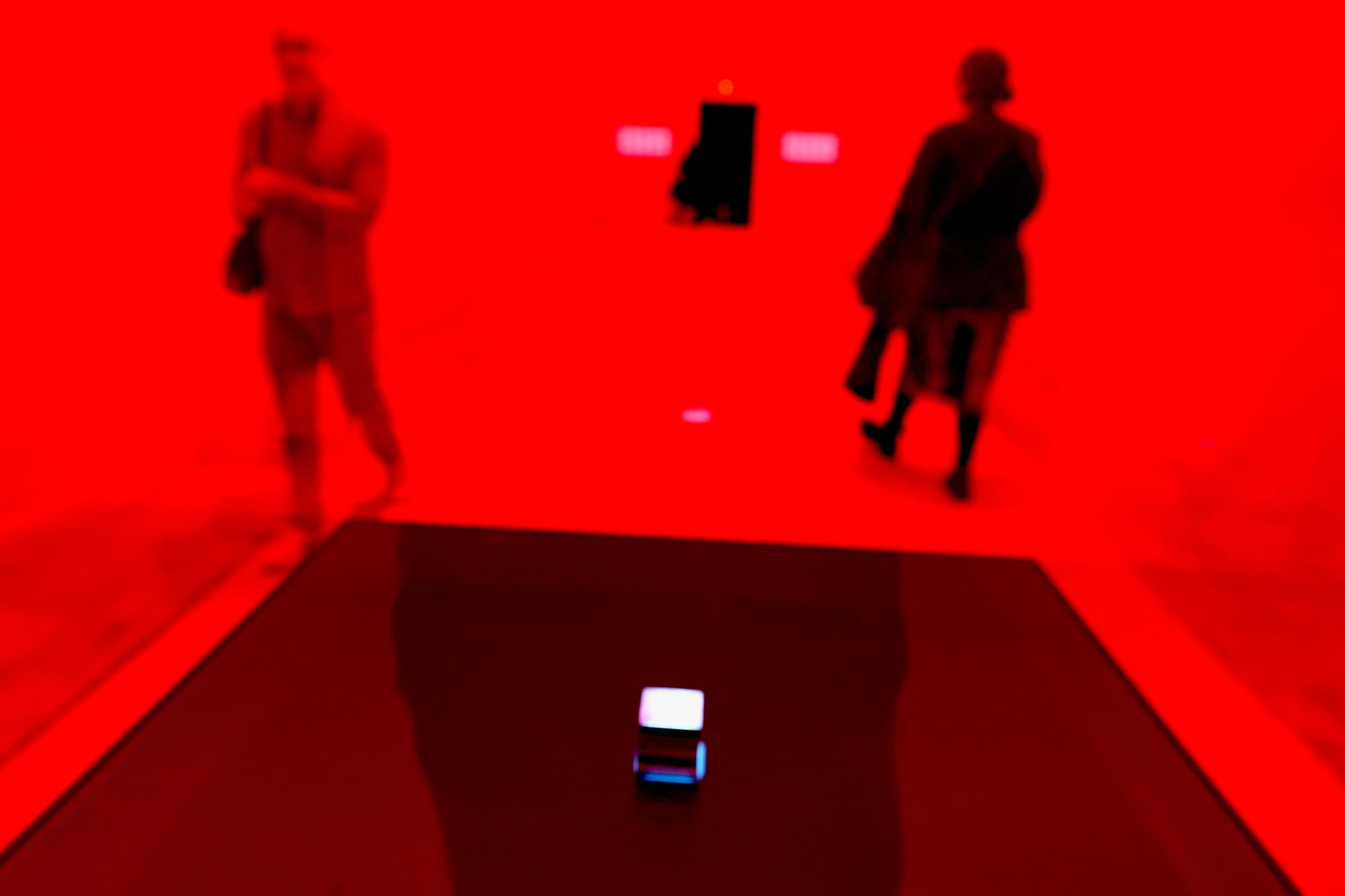
A poem by Refaat al-Areer greets visitors at the entrance of In Minor Keys at the Arsenale.A sculpture by Nick Cave on display at the ArsenaleAnnalee Davis’s “Let This Be My Cathedral” (2026) consists of a wall-based herbarium sourced from plants from her home garden on a former plantation in Barbados. Designed as a haven, it imagines a space for introspection and considering the role of ethics in our botanical ecologies.Walid Raad’s “Postscript to the Arabic Edition” (1938–2025) imagines the impact of war on art objects and the lingering histories and connections that hide in plain sight.Visitors lounge to watch Nolan Oswald Dennis’s “Black Earth Calendar” (2023) at the Arsenale. The work uses the earth and elements as “co-conspirators” in re-imagining the world beyond established categories and taxonomies.Rajni Perera and Marigold Santos’s “Efforescence/The Way We Wake” (2023) features a riveting female humanoid that peers through a mask while her legs branch out and her body is placed in a fantastical position.Wangechi Mutu’s elegant bronze “Simbi Siren” (2026) reimagines the Garden of Eden using an eco-feminist, African diasporic lens. She lounges majestically on a metal box, as water trickles from her fingertips to the flowers below.Kenyan artist Kaloki Nyamai’s massive paintings “register after-effects” as the scenes teeter on the verge of abstraction.Uriel Orlow’s “Dedication II” (2021/26) focuses on the need for cross-species collaboration in these video haikus that suggest we listen far more closely than we already do.Nicholas Hlobo’s “Umrhubuluzi” (2010) is a humanoid figure sewn out of rubber, ribbon, and leather, and represents the artist’s interest in the multiple meanings of materials that speak to personal and social perspectives.Alfredo Jaar’s red installation compacts rare earth and minerals into a cubic form that we visit in an ethereal space, suggesting an otherness to the materials that help the daily function of contemporary life.