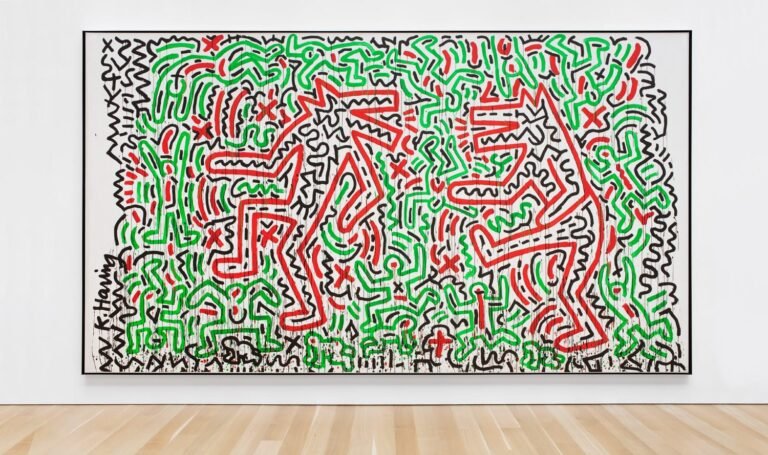
Strangers are constantly photographing my ass. Not on purpose, though — I’m sure they would much rather my backside not be in the frame as I stand contemplating some artwork in front of which they’re trying to pose. They fix their gaze on the camera, ignoring both me and the art itself.
I’ve spent much of my life as a marathon looker. A morning in front of Théodore Géricault’s “Raft of the Medusa” (1818–19), an ecstatic afternoon in the frescoed garden room from the Villa of Livia. Marcel Duchamp’s 1918 piece titled “To Be Looked at (from the Other Side of the Glass) with One Eye, Close to, for Almost an Hour”? I’ve done just that.
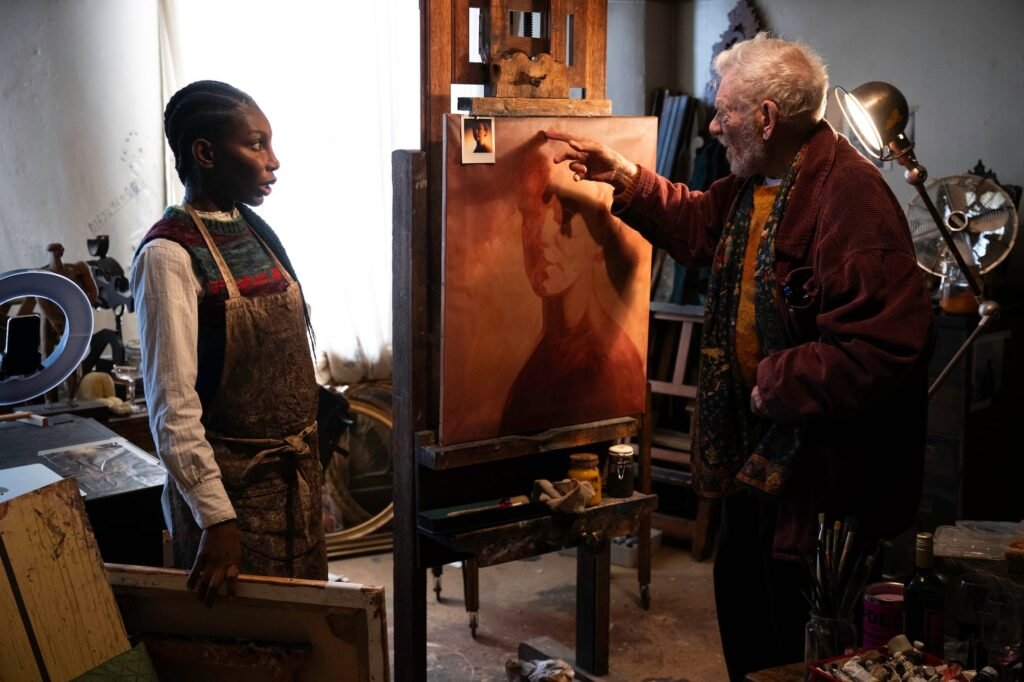
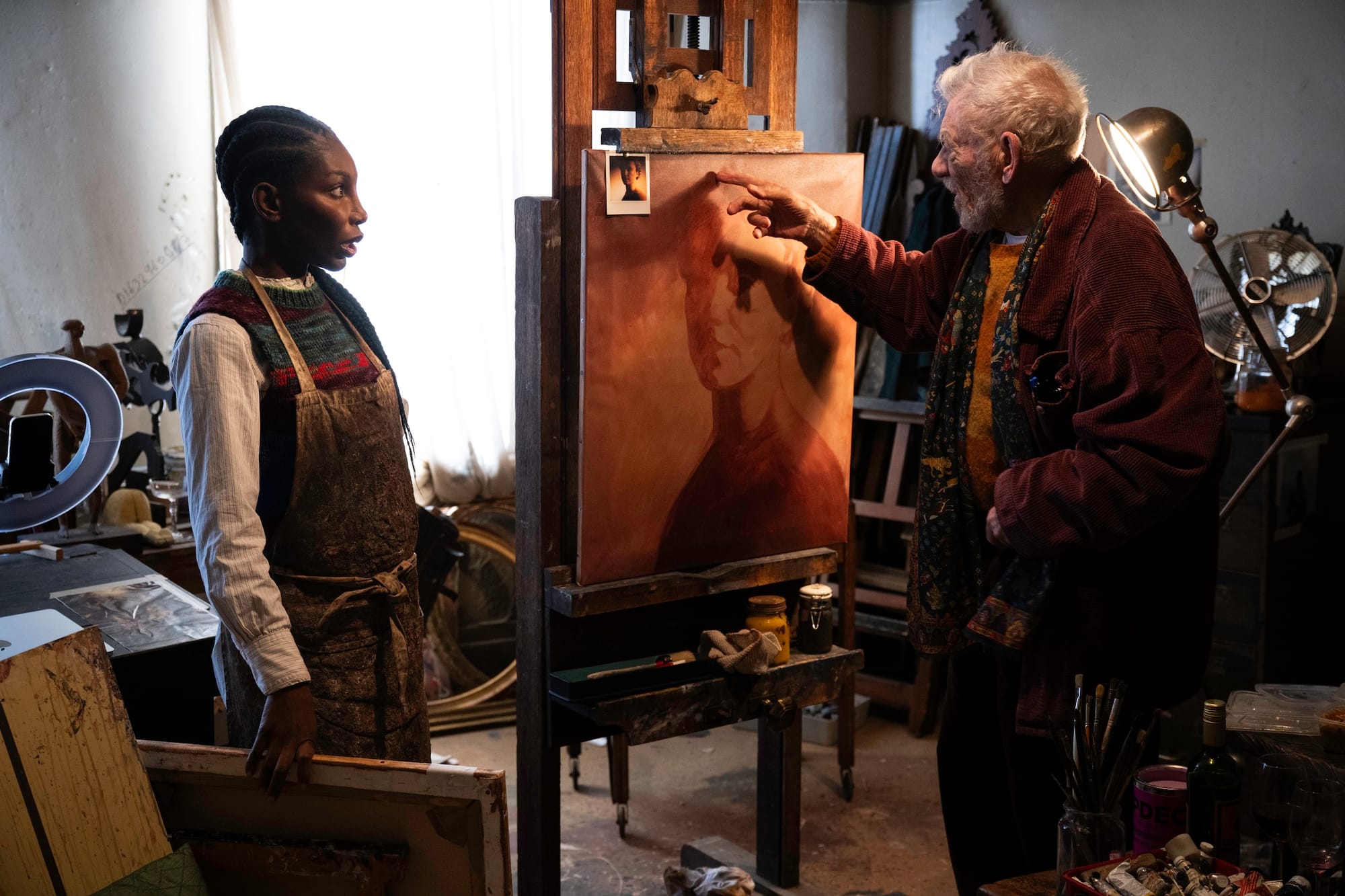
I used to feel a sense of sneaking guilt after one of these reveries, since they didn’t result in any measurable product. I rarely emerged with material for teaching or writing; I rarely experienced much coherent thought at all. The Christophers (2026), a Steven Soderbergh-directed film about an encounter between two painters in modern-day London, Julian Sklar (Ian McKellen) and Lori Butler (Michaela Coel), makes the argument that courting and paying attention is precisely the point of art.
I admit to an initial reluctance to see the film. Its poster, which sets Sklar and Butler glowering at each other, suggests that the story will be a Tár (2022) of the visual arts, rife with cancel culture battles between protagonists of different races, classes, sexes, and ages.
True, The Christophers poses similar questions about why we make art, and at what cost. But where Tár is a gloomy, tendentious horror film, The Christophers is a twisty, delightful yet profound comedy. It might just be the best yet in the line of confections that raise deep questions whipped up by its writer, Ed Solomon, who also wrote Men in Black (1997), with its meditations on memory and xenophobia, and Bill and Ted’s Excellent Adventure (1989), which asks what we should retain from the past as well as what we should get from the food court.
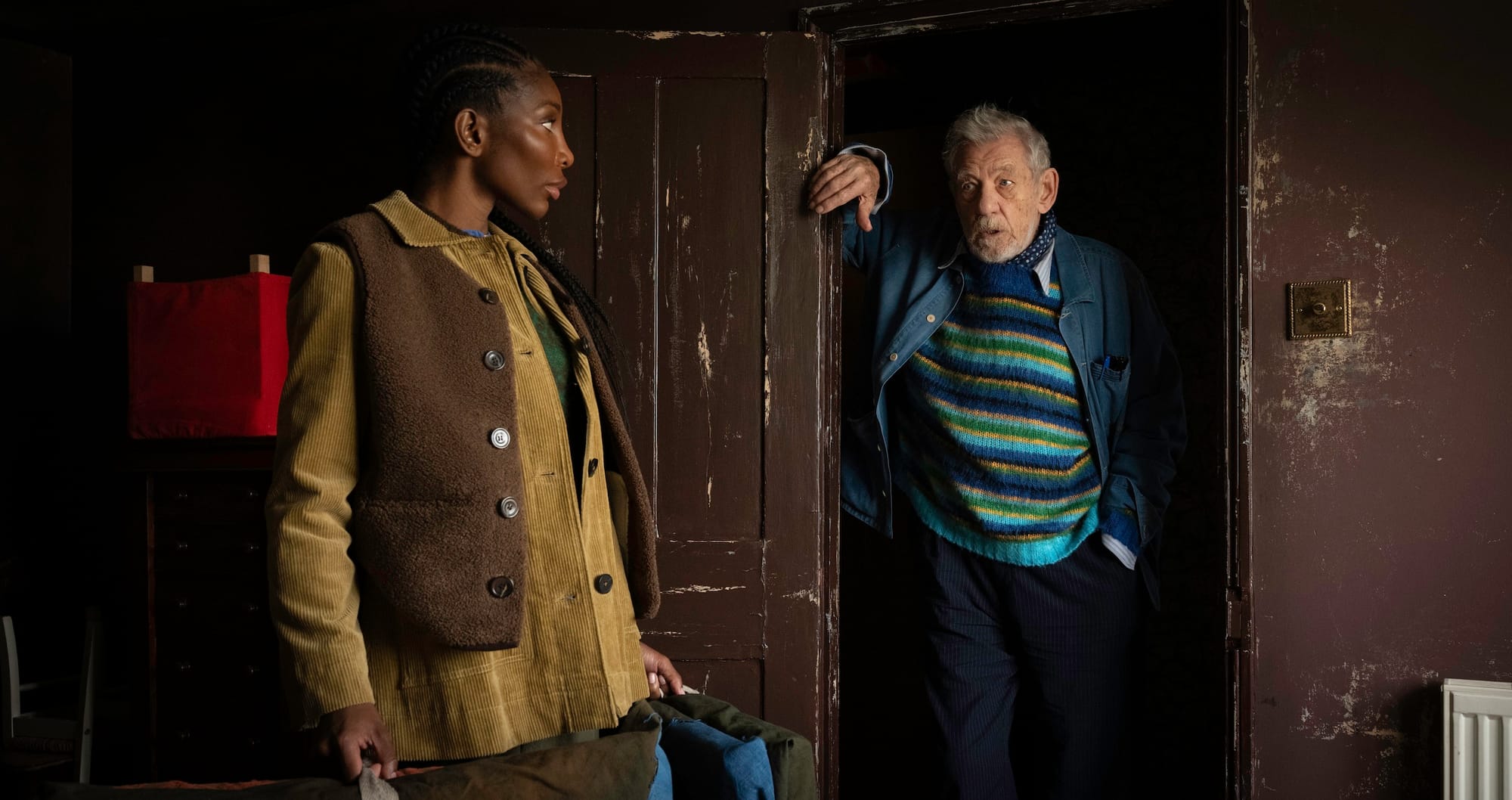
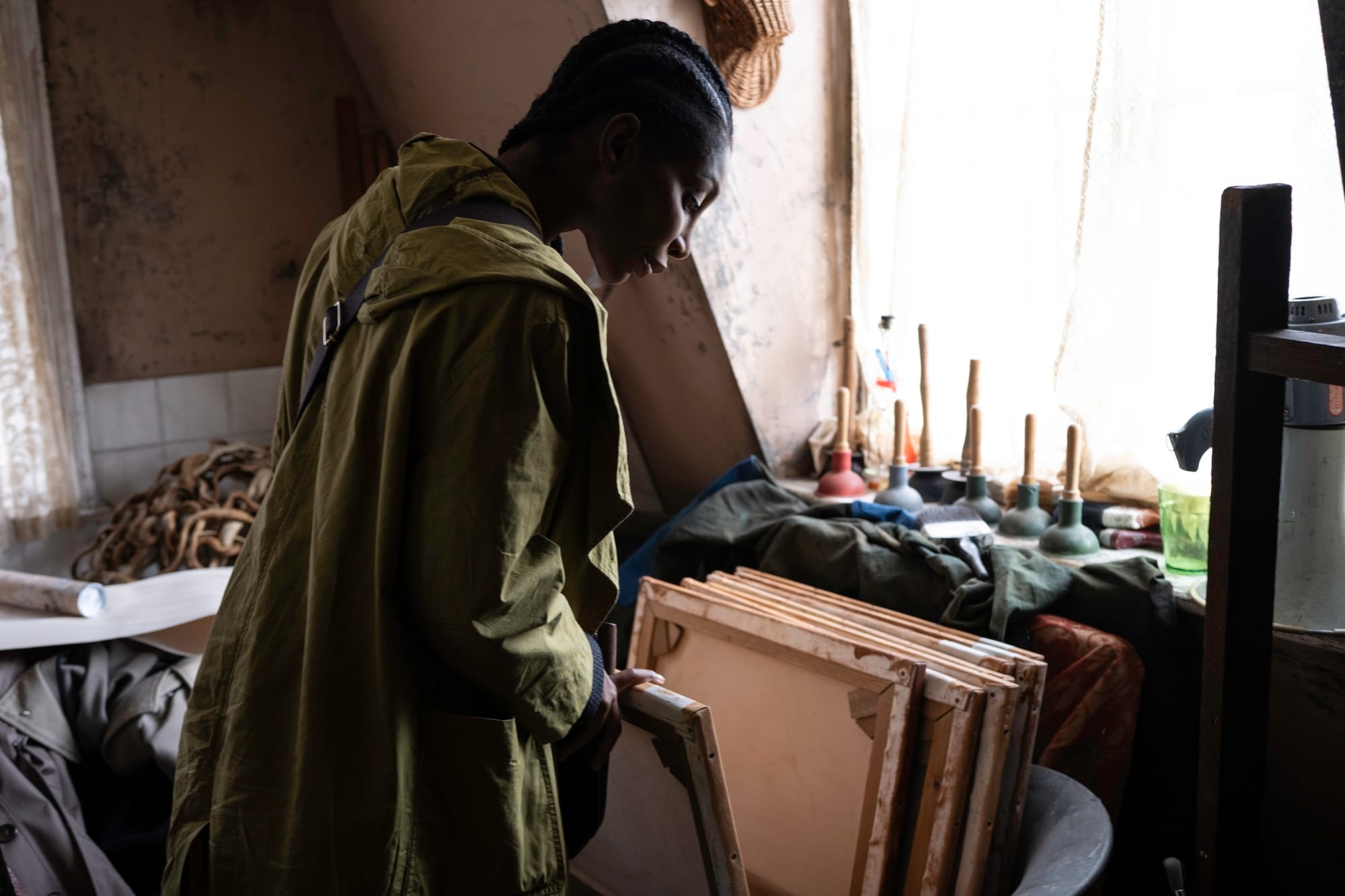
Butler, the young painter, pays careful attention to everything: the landscapes she sketches, the customers at the food truck where she labors, and the work of long-dead artists she restores and sometimes forges. She rarely reveals her true feelings. Coel spends most of the film with a studiously blank face and her body muffled in layers of clothing.
Sklar, the old painter, does nothing but express himself. He, too, is dressed in layers — all the better to shuck them off. (“Ian McKellen!” I thought at one point. “Put your belly button away!”) McKellen tumbles through facial expressions as his character indulges in every possible reaction to the unfolding plot. His “heirs abhorrent,” as he calls his children (played, marvelously, by Jessica Gunning and James Corden), have hired Butler to complete a series of portraits of a model named Christopher that Sklar left unfinished at the height of his fame. Sklar’s multiplicity of conflicting reactions to this attempt to pad out his legacy makes him, in the end, just as hard to read as Butler.
Early in the film, Sklar performatively confesses that he has been “canceled.” In what is either the film’s greatest weakness or a special bit of cleverness — I can’t decide which — the precise reason for this cancellation is never detailed. The closest we get is hearing Sklar ask why, if the vast majority of art students are women, the same isn’t true of artists represented in museum collections. Depending on how you interpret the question, this might be a misogynistic crack against the idea that women cannot be great artists or something the Guerrilla Girls might print on a poster to protest the patriarchal art world.
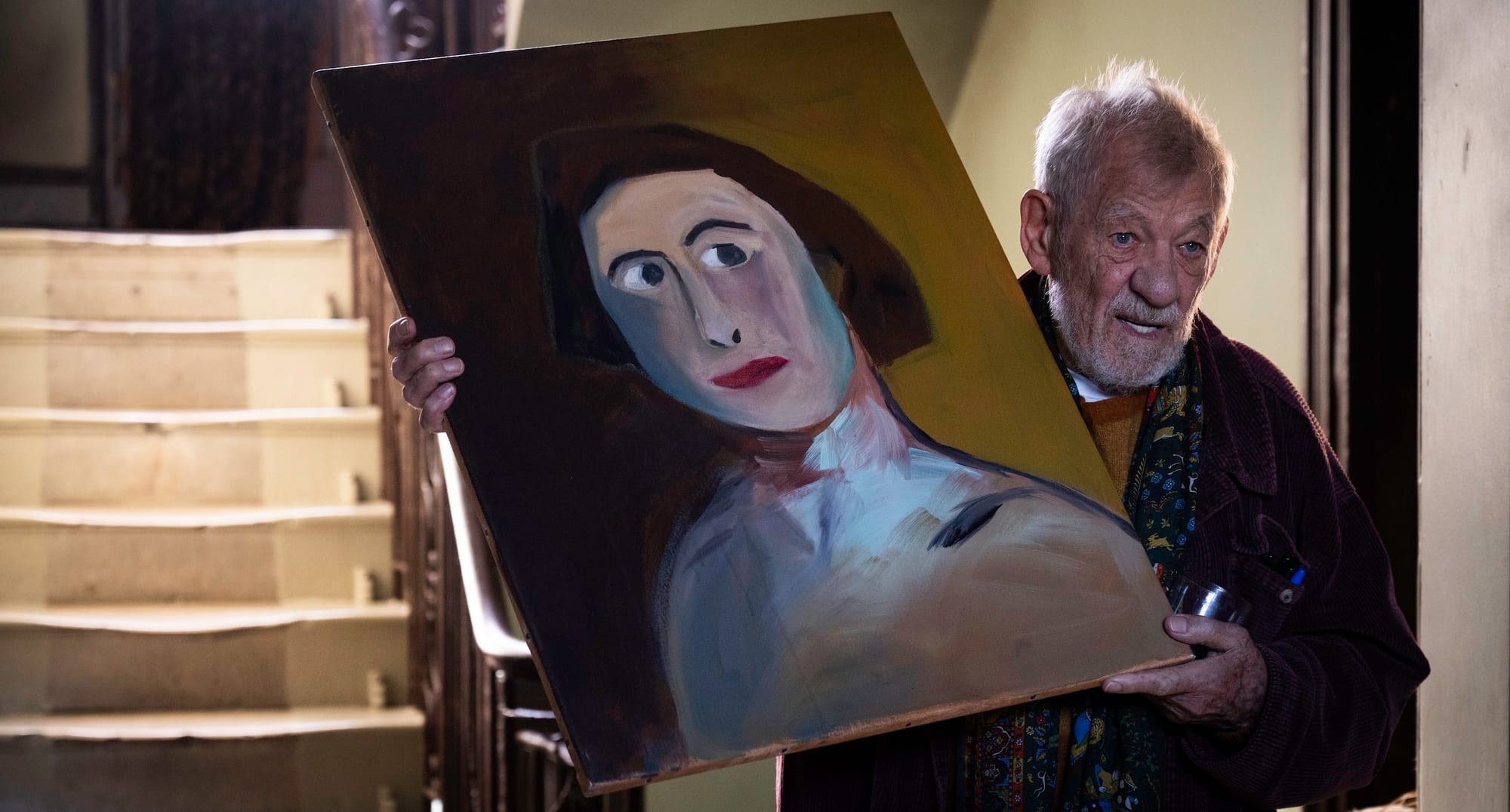
Sklar’s larger problem is that he has stopped making art. He is full of self-expression but can no longer feel the freedom he insists comes from setting and solving one’s own artistic problems. Bitter, he has stopped paying attention to the art of others.
You might think this is a problem stemming from a long career, especially since both Soderbergh and Solomon are also men of a certain age. But by the end of the film, we see that Sklar has been fighting the same fight since he was a boy, while Butler is mired in equal but opposite problems. She pays so much attention to others that she tries to inhabit their skin rather than ever expressing herself. She, too, is failing to find real connections.
The film has a surprisingly clear-eyed view of the realities of art forgery; namely, that it happens fairly regularly and that no one — not forgers, not galleries, and certainly not buyers — wants it to be uncovered. The only unrealistic touch comes when Butler spends a night whipping up a batch of fakes that fool their intended audience the very next morning, though they surely must still have smelled like fresh paint.
When I finished my hour of looking through the distorting lens stuck into Duchamp’s sculpture with the commanding title, I started giggling in the gallery. Spending so much time with the piece (currently in a fantastic Duchamp retrospective at the Museum of Modern Art in New York) hadn’t changed what I saw. But asking myself why I had bothered made me realize how silly it was to follow orders just because they came from a famous artist. By trolling me from beyond the grave, Duchamp prodded me to come up with my own answers to the question of what exactly the point of looking at art is.
I’ve decided that I love to pay sustained attention to art because of the resulting feeling of a profound sense of connection with the artist. It’s as if I’m standing with Géricault as he puzzles out how to twist so many figures together into a heap of despair, or handing pigments to the ancient Roman painter who layers on shades of green to imitate leaves shaking in a summer breeze.
Like Duchamp, The Christophers will leave you with impish questions rather than answers. You’re just going to have to come up with those for yourself.
The Christophers (2026), directed by Steven Soderbergh, is screening in select theaters in the United States. It will be released in the United Kingdom and the Republic of Ireland on May 15.