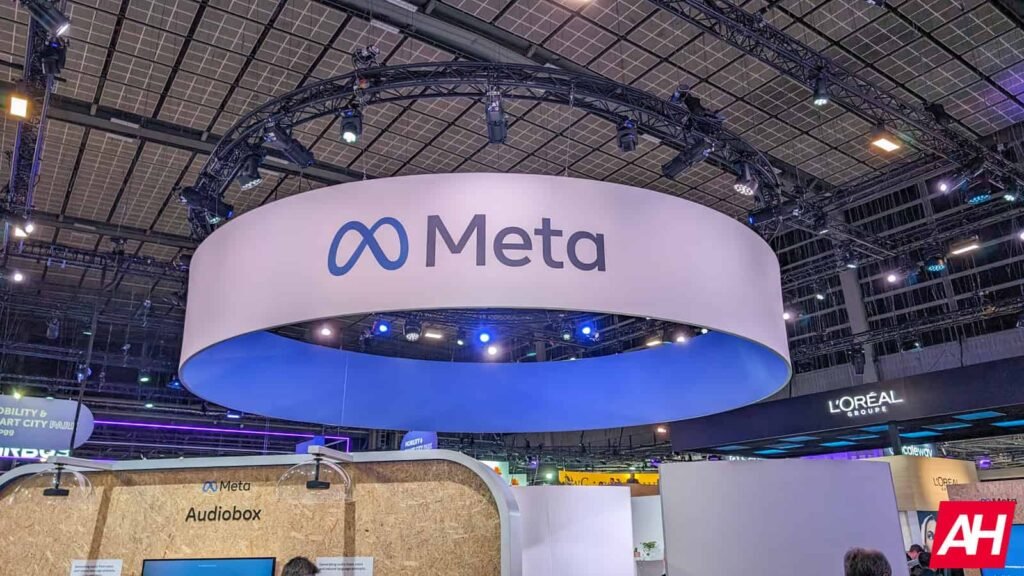

The tense relations between China and the United States across all sectors are no secret. This can manifest in potential collaborations or mergers involving companies from both countries. In a recent move, Chinese regulators have ordered Meta to reverse its $2 billion acquisition of Manus, the Chinese AI startup. The decision from China’s National Development and Reform Commission (NDRC) comes months after the deal appeared to have been finalized.
Manus is an AI startup known for developing autonomous agents. The company had recently relocated its headquarters from China to Singapore. Many people thought this move was an attempt to avoid regulatory scrutiny from both Washington and Beijing. This is often called “Singapore-washing.” However, this latest order proves that changing your address doesn’t necessarily change who has jurisdiction over your technology.
China orders Meta to unwind $2 billion acquisition of AI startup Manus
The order to “unwind” the deal is particularly messy because the integration is already well underway. According to reports from Reuters and TechCrunch, around 100 Manus employees have already moved into Meta’s offices in Singapore. The startup’s leadership has also taken on executive roles within Meta’s AI division.
The situation is even more personal for the company’s founders. While their team is working in Singapore, founders Xiao Hong and Ji Yichao are reportedly facing exit bans that prevent them from leaving mainland China. It seems Beijing views startups’ intellectual property as a national asset, regardless of where they are legally incorporated.
New strategy of the Chinese government?
Analysts suggest that, regulation-wise, China is no longer just looking at where a company is registered. Authorities are now focusing on the origin of the technology, the nationality of the creators, and where the core research and development actually happened.
For Meta, Manus was supposed to be a key piece in the race to build “AI agents.” Manus provides powerful tools that can automate complex tasks like coding or market research. Losing this acquisition could be a big hurdle for the company in its goal of catching up with big names like Microsoft and Google.
A warning for tech founders
The decision sends a message to other AI startups with Chinese roots. Simply moving operations offshore may no longer be enough to secure a clean exit to a U.S. buyer. As AI becomes a central pillar of national security for both the U.S. and China, the rules for cross-border acquisitions are becoming much stricter.
Meta has stated that the transaction fully complied with applicable laws and expects a resolution to the inquiry. However, with staff already integrated and capital already transferred, “un-buying” Manus will be anything but simple.
The post China Blocks Meta’s $2B Manus Acquisition: Why Beijing is Forcing an ‘Un-Buy’ Order appeared first on Android Headlines.