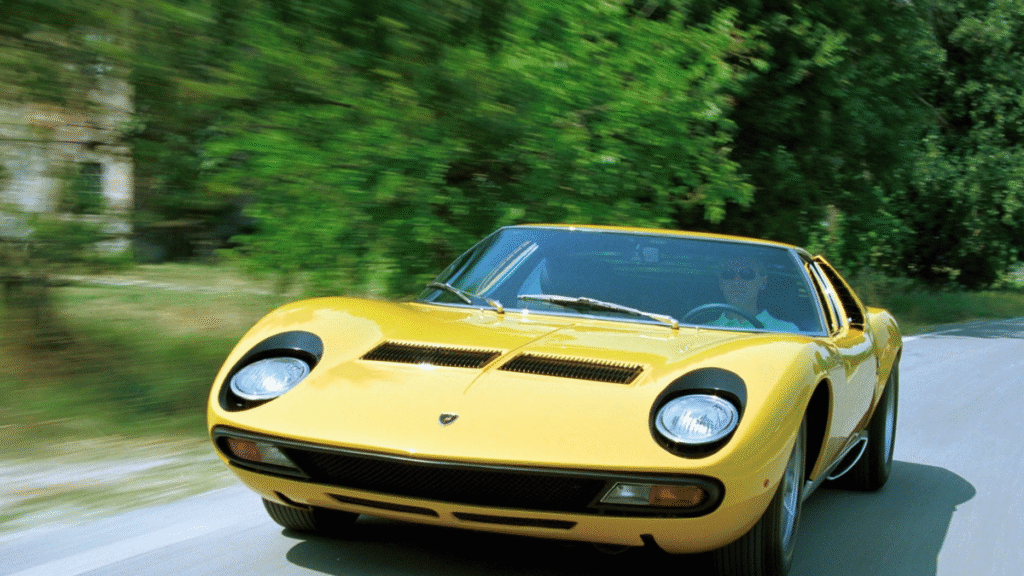
Lamborghini at 63
Lamborghini celebrated its 60th anniversary, er, three years ago. Still, we think it’s a brand worth talking about. While it seems that Lamborghini is at an all-time high, it wasn’t always that way. Those well aware of the brand’s history would know that it went through a period of uncertainty, and it took a while to achieve lasting stability.
With that, we’re listing down the cars that got things started for Lamborghini, brought it back from the brink, and made it as strong as it is today.
Kyle Edward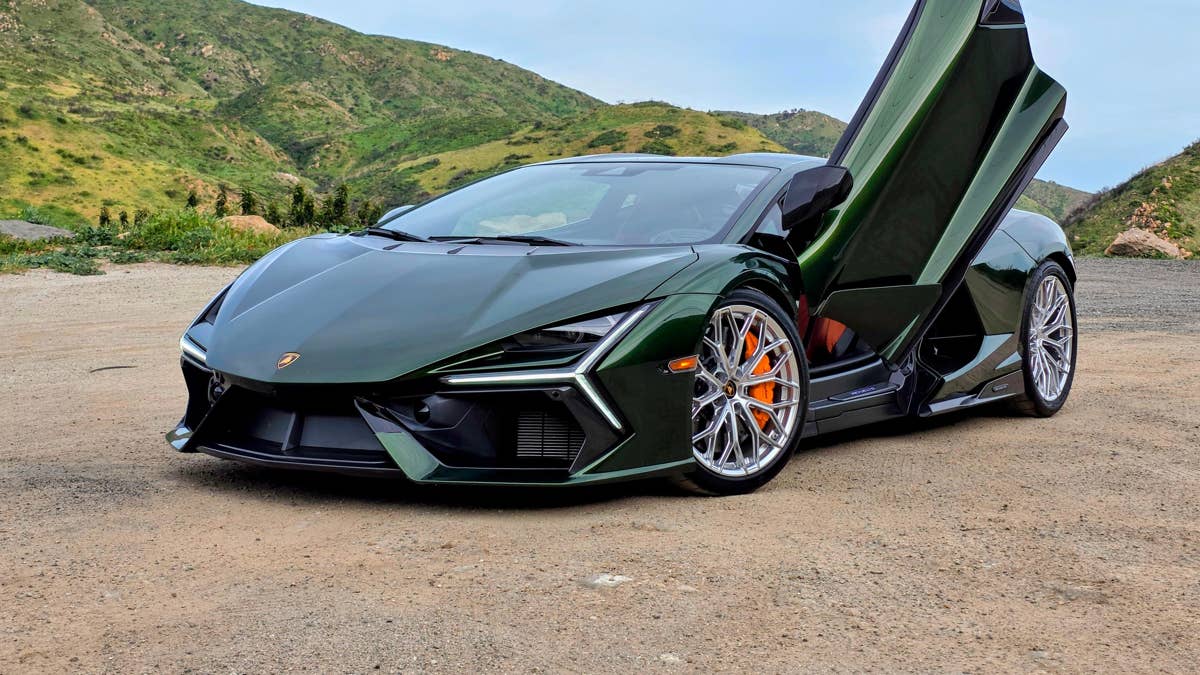
1. Lamborghini Miura
What? No 350GT? Yes, it’s a significant car, and without it, Lamborghini wouldn’t even exist. But while the 350GT started it all, it’s the Miura that effectively sealed the company’s fate as builders of supercars. Heck, it practically defined the genre in the first place. Had it not been made, Lamborghini might have been makers of GTs instead.
And to think Ferruccio was initially skeptical about the whole idea of the Miura in the first place. Thankfully, he relented and let Giampaolo Dallara, Paolo Stanzani, and test driver Bob Wallace work on project L105. Placing that Bizzarini V12 in the middle, rather than at the front, would prove crucial, and the body draped over its lightweight chassis was a stunner. The rest, they say, is history.
Lamborghini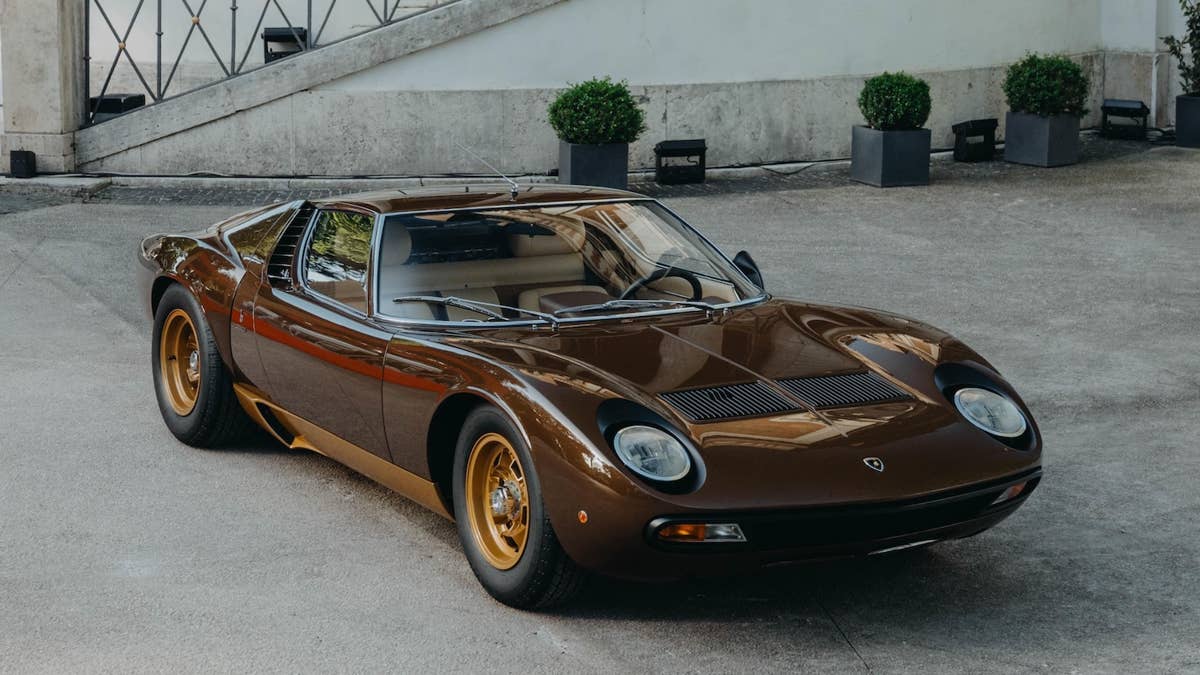
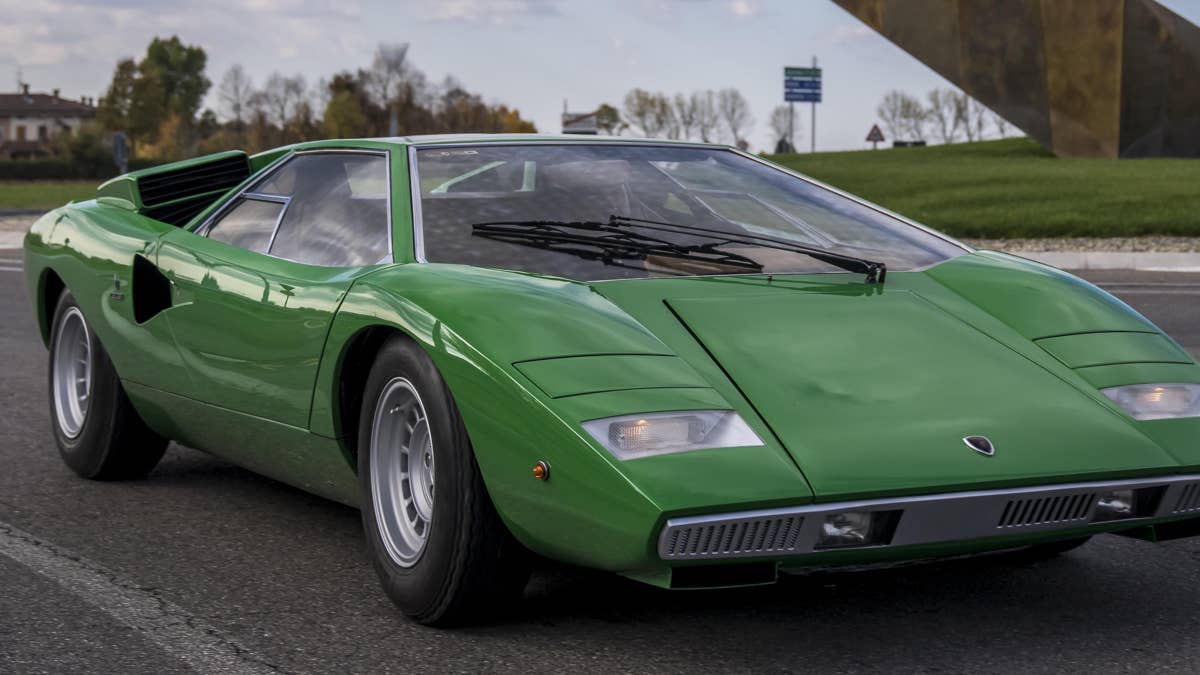
2. Lamborghini Countach
Admittedly, another obvious answer, but no ‘Greatest Lamborghinis’ list wouldn’t be complete without it. Making a follow-up to the Miura was always going to be a tough ask, but if there was one man up for the task, it’s Marcello Gandini. Besides, he already did the Miura, and in one fell swoop, he again defined the supercar for a new decade.
Whether you like the clean lines of the original 1974 model or the kitted-up one from the ’80s, the Countach grabbed attention wherever it went. Never mind the fact that it was also the ultimate form-over-function car; its shape would eventually define Lamborghini’s succeeding flagship supercars. From the Diablo that succeeded it, to the current Revuelto, we can still see some elements that first appeared in the Countach.
3. Lamborghini Diablo
The Countach was a grand representation of the hedonistic ’80s, but the reality was that Lamborghini wasn’t in rude financial health. It had already survived bankruptcy in 1978, and the company did just enough to stay alive. However, by 1987, the company was sold to Chrysler to keep the lights on.
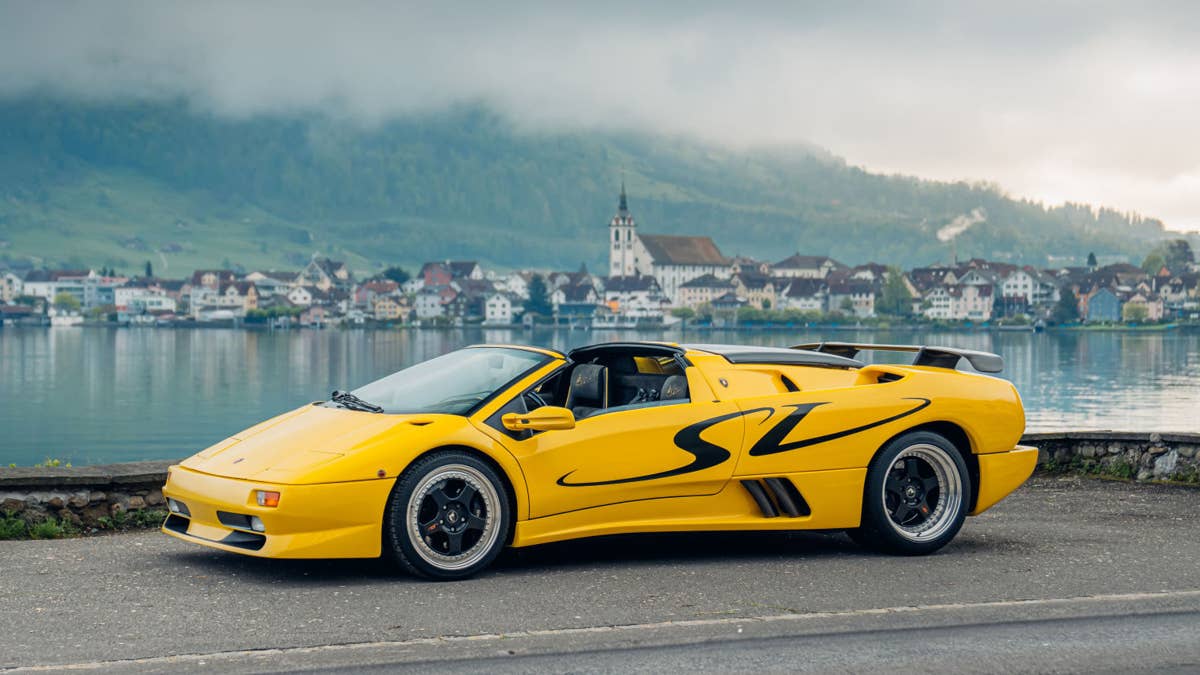
With that, the Diablo did a massive part in keeping Lamborghini afloat in the ’90s. Despite not having the financial security, the company still managed to make the Diablo a truly wild ride that would make its predecessors proud. The name was fitting, too, as early models didn’t get anti-lock brakes or all-wheel drive.
Lamborghini was then sold by Chrysler to a Southeast Asian consortium in 1994, but the Asian Financial Crisis dashed any hopes of further developments. But despite all of that going on in the background, the Diablo helped Lamborghini soldier on long enough for it to be bought by Audi, bringing us neatly to our next car.
4. Lamborghini Murciélago
Audi purchased Lamborghini for a mere $110 million. With an influx of cash, the Diablo received even more updates to keep it afloat until its successor launched. There were initially worries that it would be toned down, but by the standards of the 2000s, the Murcielago wasn’t as diluted as those fears suggested.
If anything, it was the bridge between the classic and modern Lamborghinis of today. It was the first model without any input from Marcello Gandini, but designer Luc Donckerwolke drew enough inspiration from the legendary designer’s work. He effectively brought the brand into the new millennium, and its design reflected the company’s newfound confidence under new ownership.
The recipe remained the same under the new management, and it’s great that Audi didn’t try to mess with it. With 12-cylinders, lots of horsepower, neck-craning looks, and unashamedly attention-grabbing, the Murcielago made its ancestors proud. Oh, and it’s the last flagship Lambo you could still get with a manual.
Cars & Bids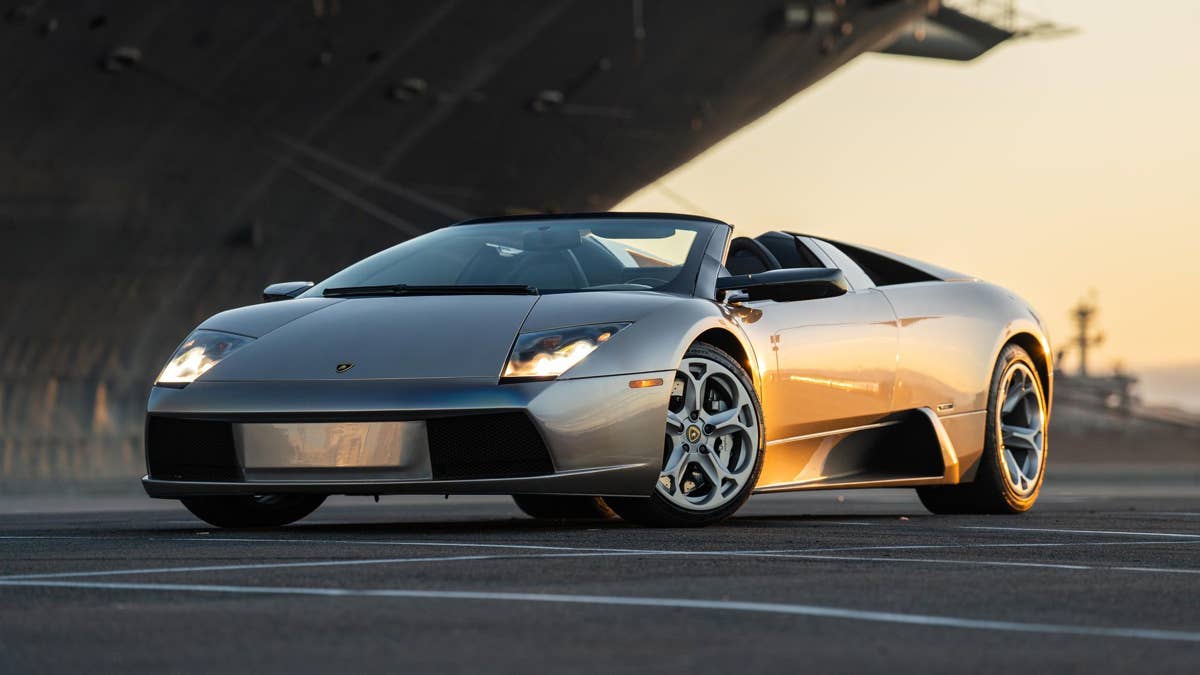
5. Lamborghini Gallardo
Lamborghini tried for the longest time to make junior models to complement its 12-cylinder supercars. Many have failed, and the company has paid dearly. Unless you’re deep into the company’s history or old enough to remember, models like the Islero, Jarama, and Silhouette will likely draw blank stares from casual observers.
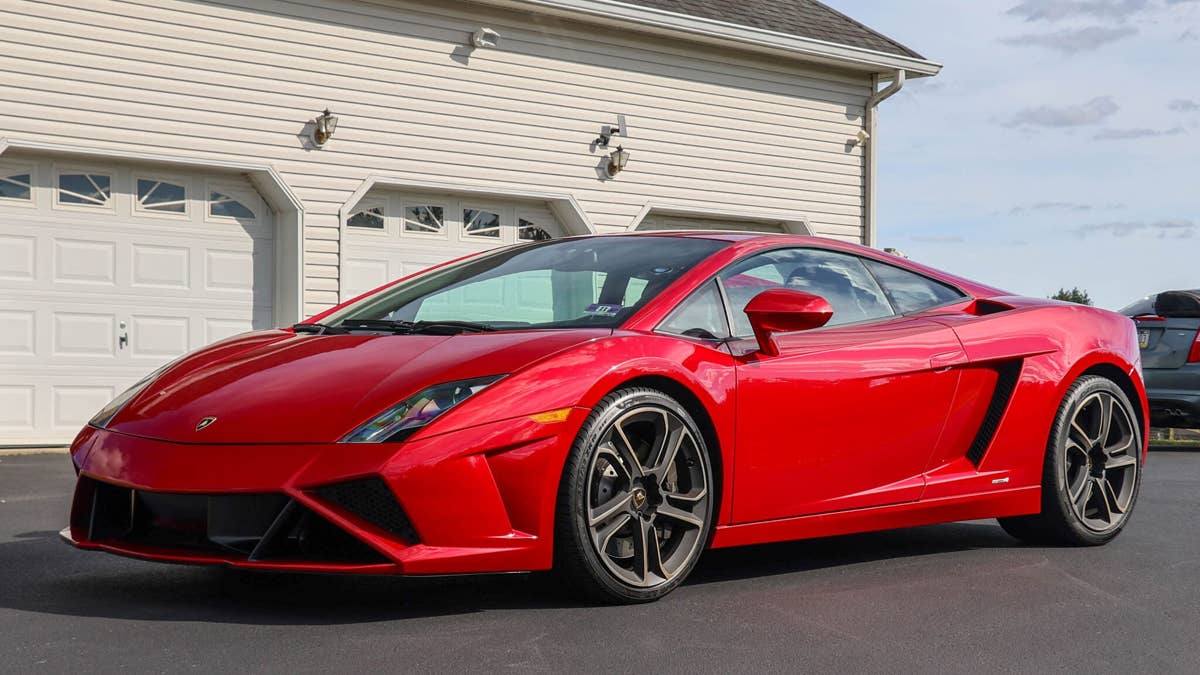
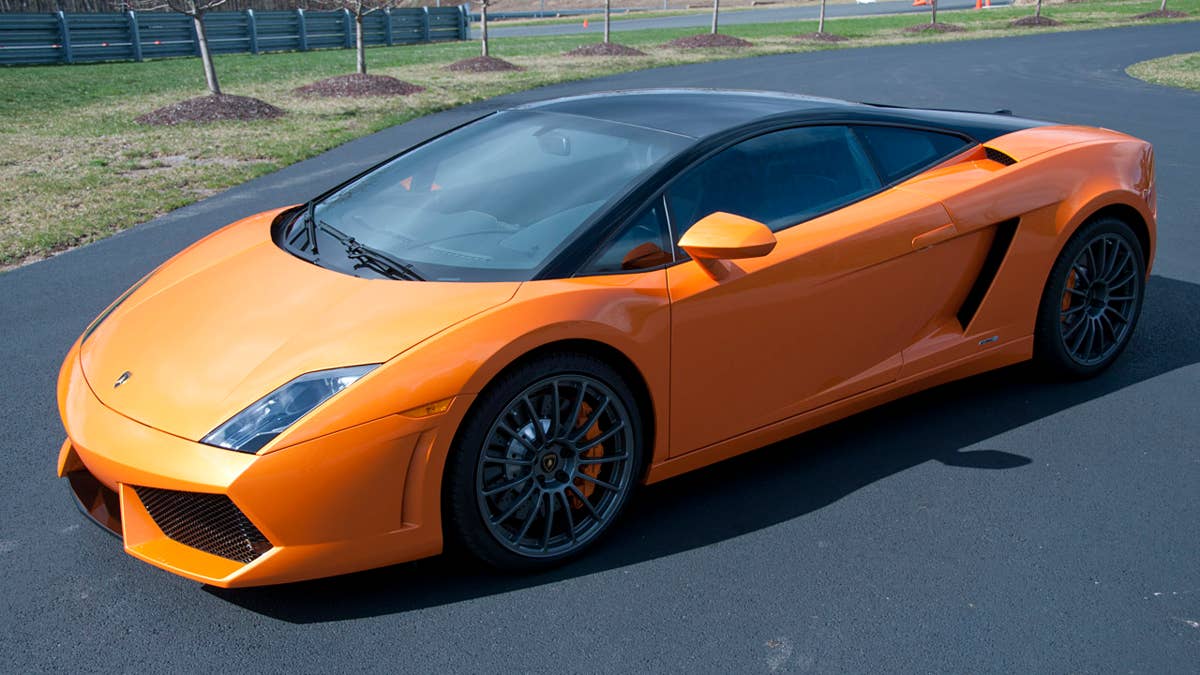
But that all changed in 2003 with the introduction of the Gallardo. Initially penned by Fabrizio Giugiaro through the Cala concept, the final design was executed by, you guessed it, Luc Donckerwolke. While it follows the form of its big brother, the Gallardo looks unique enough to stand on its own.
With its 5.0-liter (later, 5.2-liter) V10, it was the first non-V12 Lamborghini product after 15 years. The lower entry price drew crowds (relatively speaking) to Lamborghini showrooms and finally proved that the company can successfully make two cars at the same time.
The Hot Take Nobody Asked For
Despite trials and tribulations, it’s the V12 supercars that stayed strong for Lamborghini. The world wouldn’t be the same without these, and Sant’Agata Bolognese wouldn’t be a tourist destination for car lovers everywhere. Of course, we should also credit the Gallardo and its successors for the company’s success.
That said, Lamborghini achieved even greater financial security the moment it rolled out the Urus. Like it or not, it pumps money for the brand, although admittedly at the cost of some identity. Without it, though, the Italian automaker might not be able to continue building the supercars we love thanks to the piles of cash it brings in. Does it deserve to be one of the greatest Lamborghinis of all time? That’s hugely debatable, but we can’t ignore its sales.
Exotic Car Trader