The age-old question, “Can a car be an investment?” The answer, of course, is yes, it can be, if you choose well and time it right. Having mentioned the timing, we take a look at five modern classics that have appreciated over five years, and we predict that they will continue to appreciate in the foreseeable future.
Explaining the Market
The market for classic cars, specifically, and used cars in general, has seen record performance in recent years, and one could argue that this is due to the homogeneity of newer cars. Within the American automobile market today, the sheer volume of bloated, overly complex, and electronically numb appliances masquerading as cars is staggering. Automakers are spending more of their R&D budgets on infotainment screens, emissions compliance, and autonomous lane-keep assists than they are on driving dynamics. Leaving enthusiasts with no optimism for the future, making them look backward, modern classics are the darling segment of investment-class cars in 2026, combining visceral charm with modern usability.
As the supply of clean and original examples of modern classics dries up across the United States, the value curves on select cars haven’t just flattened—they are moving significantly upward. We aren’t talking about million-dollar garage queens. We are talking about accessible classics you can buy today, experience, and sell for a profit in five years.
Here are five future classics currently trading in the American market that are primed for a steady appreciation – all valuation data is from Bring A Trailer.
Mazda MX-5 / Miata – NA Generation
Mazda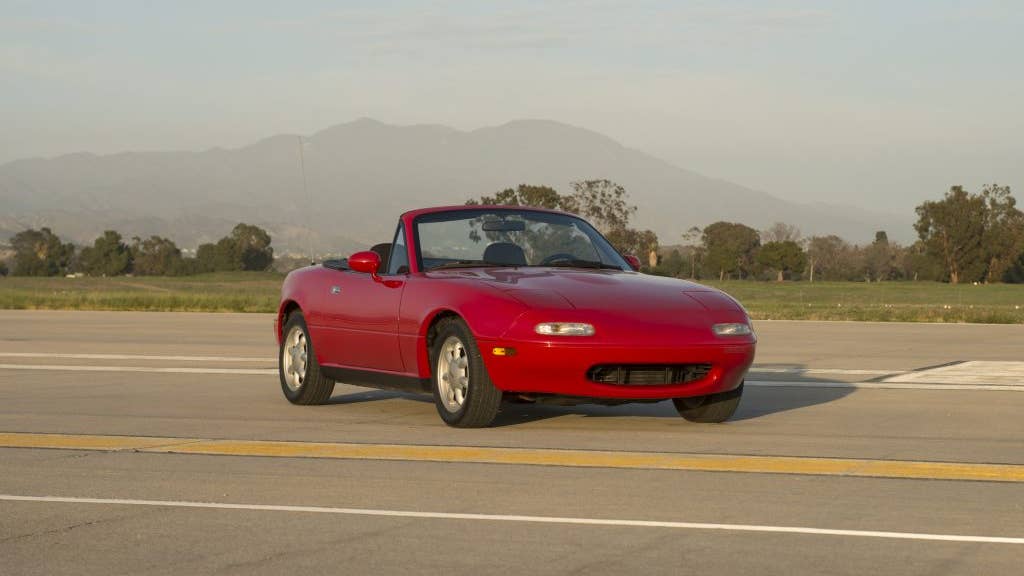
Five years ago, clean examples of the first-generation NA Mazda Miata (1989-1997) could be had for around the $5,000 mark. Between then and now, prices have almost doubled, now stable around the $10,000 level for stock clean examples, while fully built cars, including LS-swapped projects, trade at over $30,000. Hardly surprising considering the overall investment return on popular JDM sportscars such as Mk4 Toyota Supras or really any generation of Nissan GT-R.
The Miata offers the kind of distilled and pure driving experience that no modern vehicle, aside from its great-grandchild, the Mazda MX-5 ND, can match. From its agile dynamics to its reputation for being reliable and well built, the NA Mazda Miata is sure to continue this upward trajectory simply due to the fact that there will always be demand for an honest driver’s car.
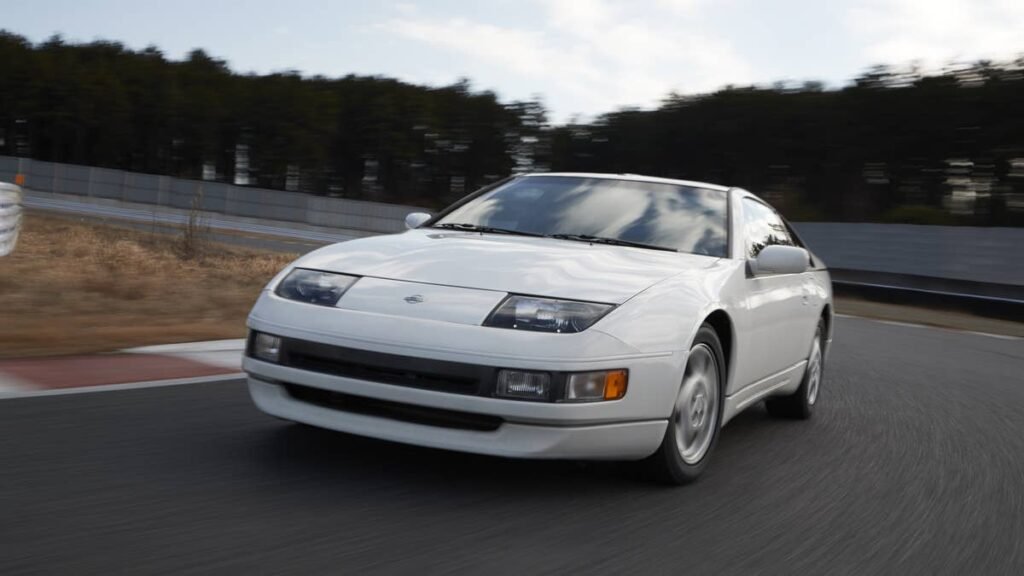
Nissan Z32 300ZX
Nissan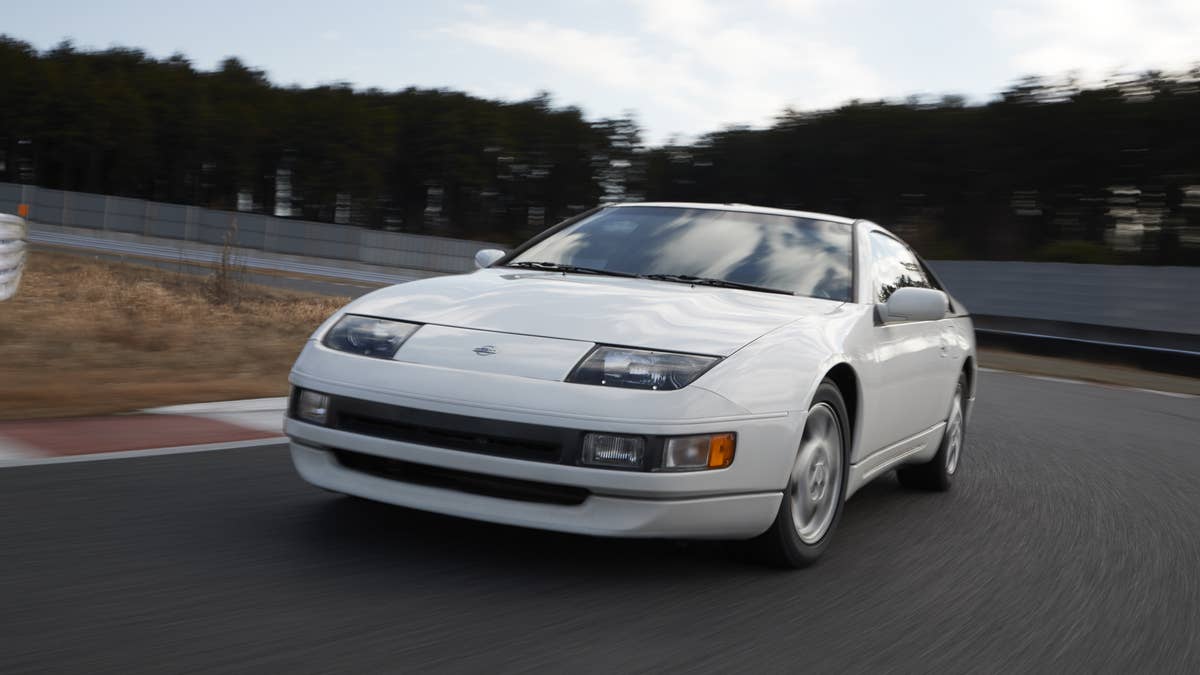
The Nissan Z32 300ZX seems to have missed out on the hype that gripped cars like its cousin, the Nissan GT-R, the Toyota Supra, and other JDM icons. For no good reason though, because with its VG30 6-cylinder architecture, assisted by cutting edge (for the time) electronics, dual overhead cams and a twin-turbo variant, the 300ZX was way ahead of its time, making 300 hp in the USDM variants, and 283 lb-ft of torque, even being offered from the factory with limited-slip differentials, produced between 1989 and 2000.
Prices for the Z32 300ZX have doubled in the last five years, with clean twin-turbo examples going from a benchmark of $15,000 – $20,000 to now trading at around $40,000 for similar examples. Being that it is still possible to find a good deal in the mid-to-high $20,000s, and with upward potential for the foreseeable future, the 300ZX may not be the easiest to work on and maintain, with its cramped engine bay and being from the era of early electronics, however it offers an incredibly rewarding driving experience, and it shares its headlights with the Lamborghini Diablo, which is always cool.
BMW E36 3-Series
BMW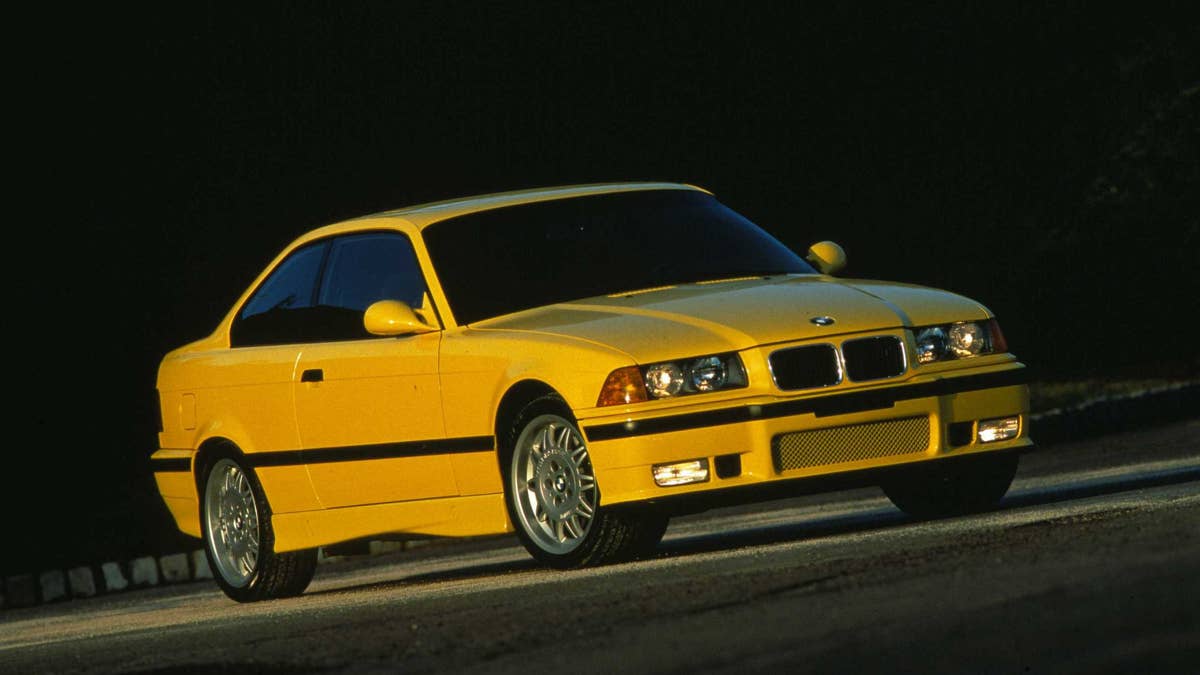
When we assess the market for more mainstream vehicles, which were produced in larger numbers, the ones to look out for are the higher power, higher spec, and more unique variants of these cars. Older BMW 3-Series models, specifically the E36 generation, is the poster child of the modern-classic movement. Models like the M3, the 328is, and the 325is offer precision engineering and immense driver involvement at friendly prices.
Five years ago, an E36 BMW six-cylinder variant would sell for comfortably under the $7,500 mark. Today, however, clean examples of sedan E36 six-cylinder models are trading at over $10,000. With the E36 fanbase growing and E30-generation BMWs getting expensive, the E36 may take a while to significantly appreciate. They make for enjoyable cars that are not difficult to take care of, by German car standards.
Jeep Cherokee XJ
Stellantis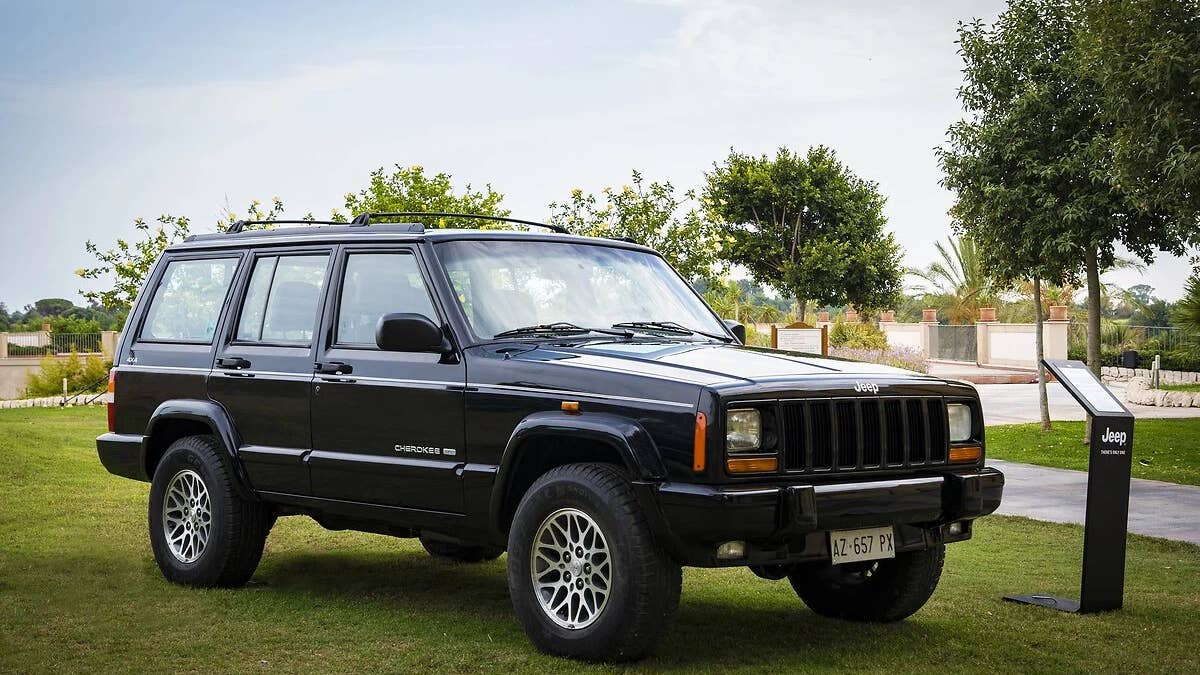
Off-roading and overlanding are two of the fastest-growing subcultures in the car world. A direct consequence of this is the increasing values of popular SUVs like Land-Cruisers and classic G-wagens. However, those cars now cost a pretty penny, and if we are trying to identify a good deal on a capable 4×4, we settle on the Jeep Cherokee XJ.
Unlike other 4x4s of the time, the XJ utilized a unibody construction with integrated frame rails. This made it incredibly light—weighing between 3,000 and 3,400 pounds—giving it an excellent power-to-weight ratio and making it highly maneuverable on the trail.
Offered with four and six-cylinder motors, the one to get is the legendary 4.0-liter Straight 6, known to be reliable and torquey. Prices for like-for-like variants of the Jeep Cherokee XJ have approximately doubled in the last 5 years, and being that they can still regularly be had for well under $10,000, they make for quite the bargain if you’re looking for a capable, reliable, and cool 4×4.
Porsche 928
Porsche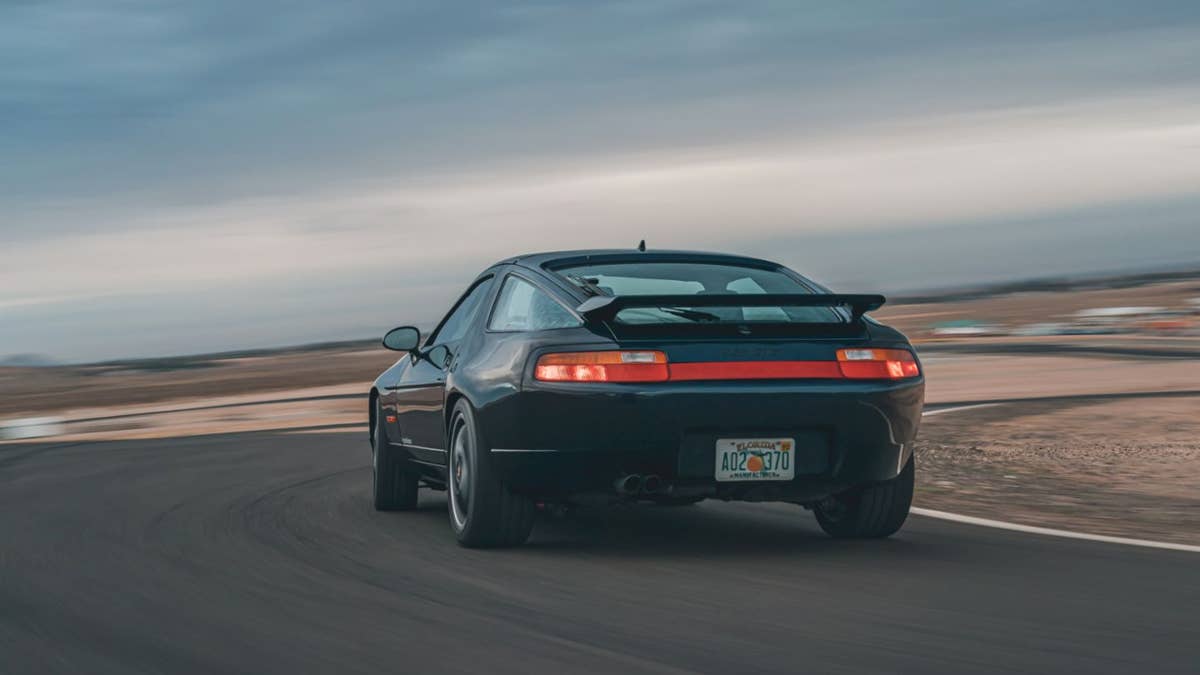
Everybody knows that the 911 is the most recognizable Porsche, but for people who were around when the 928 and 968 were launched, they remember them as being some of the most iconic, futuristic cars of their time. For the purpose of this article, we will only consider the 928.
The all-aluminium SOHC 4.5-liter M28, Porsche’s first V8 engine, built in 1978, made 219 horsepower in the US models when the 928 was introduced. When the M28 eventually ended its service in the 928 in 1995, it was also available as a 5.7-liter DOHC V8.
The desirable 5-speed manual examples used to sell for well under $20,000 in 2021; today, equivalent examples sell for around $40,000, double the price. Designed to replace the 911, as a powerful grand tourer, the 928 may have failed at creating a niche, but it is now set for significant appreciation.
The era of accessible fun cars may be closing its doors, but it hasn’t shut completely. The automotive market is loudly telegraphing what it values: repairability, engagement, and a true mechanical heartbeat. The question isn’t whether these five cars will appreciate; the question is whether you’ll buy one before you’re completely priced out.