An Extra Charge
Earlier this year, the 2026 Chevrolet Blazer EV received a slight MSRP bump of $100, bringing its starting price to $44,700, excluding destination charges. Interestingly, Chevy carried over that pricing to the 2027 model year, despite introducing a few updates, including a NACS charging port. But only a few months later, the EV received another round of price increases.
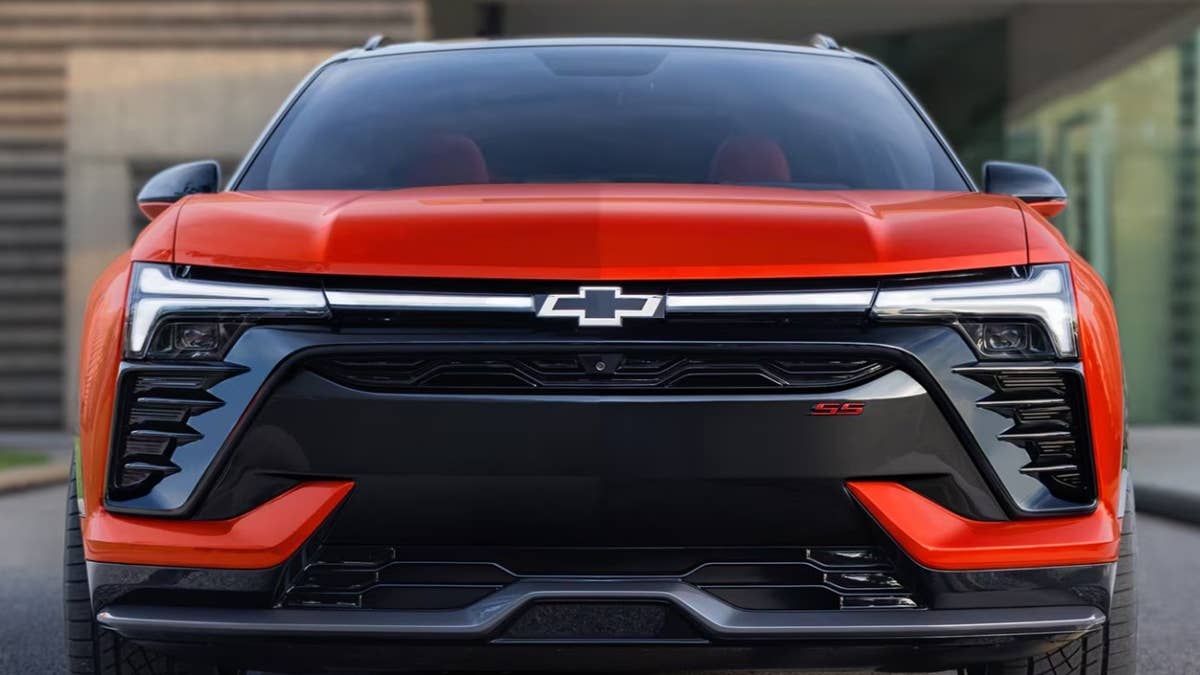
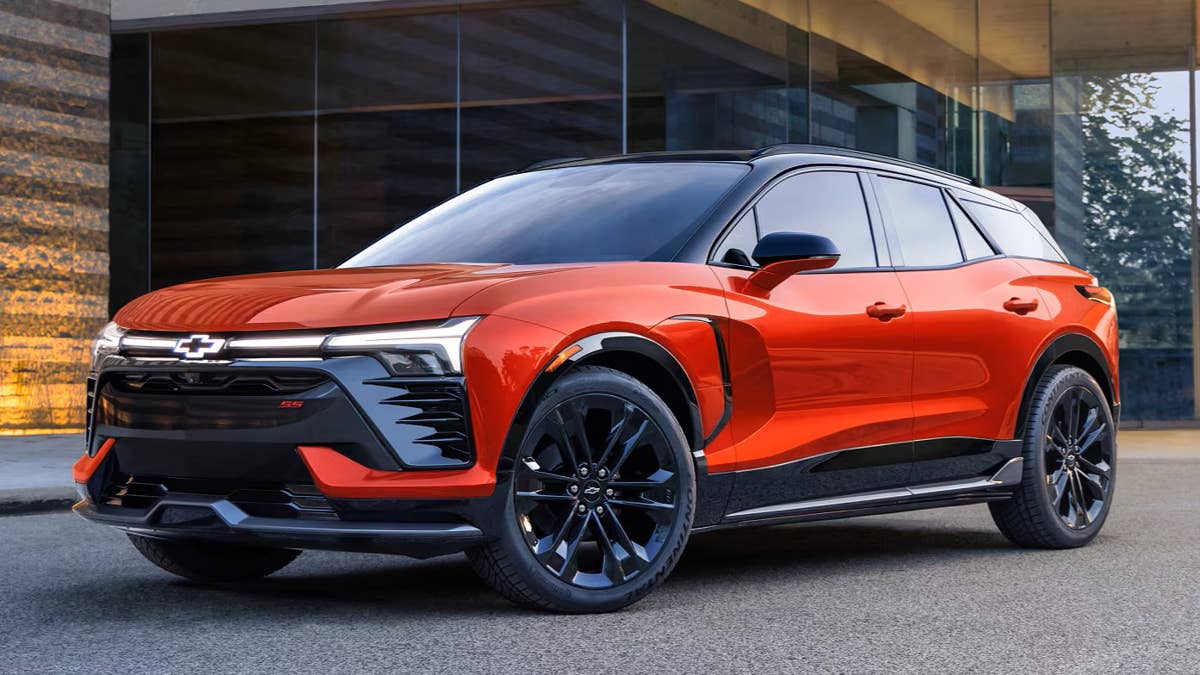
According to the brand’s customer-facing website, the 2027 Blazer EV LT now starts at $45,000, reflecting a $300 price increase. The mid-spec Blazer EV RS also received a $300 increase, bringing its starting price to $50,800. The range-topping Blazer EV SS, however, was spared the increase, retaining its $60,700 starting price.
Making Cents of It
We reached out to General Motors regarding the changes, and we’ll update the story once we receive a response. For now, the automaker hasn’t explained why it implemented the price increases.
One possible reason could be to protect profit margins, especially after a massive sales dip in the third quarter of this year. The Blazer EV sold only 1,261 units in Q3 2026, an 84.4% drop from the same period last year. Year-to-date sales were also down by 78.7% to 4,427 units. To be fair, last year’s third quarter saw a surge in EV demand, as buyers rushed to purchase electric vehicles before the expiration of the $7,500 federal tax credit. Still, the sales decline reflects the broader EV market slowdown in the U.S., where demand for hybrids has been growing.
In addition, the Blazer EV is exposed to U.S. import tariffs, as it is manufactured at GM’s Ramos Arizpe plant in Mexico alongside the Equinox EV and Cadillac Optiq. This could put additional pressure on profit margins, making pricing decisions particularly important.
No Major Shake-Up
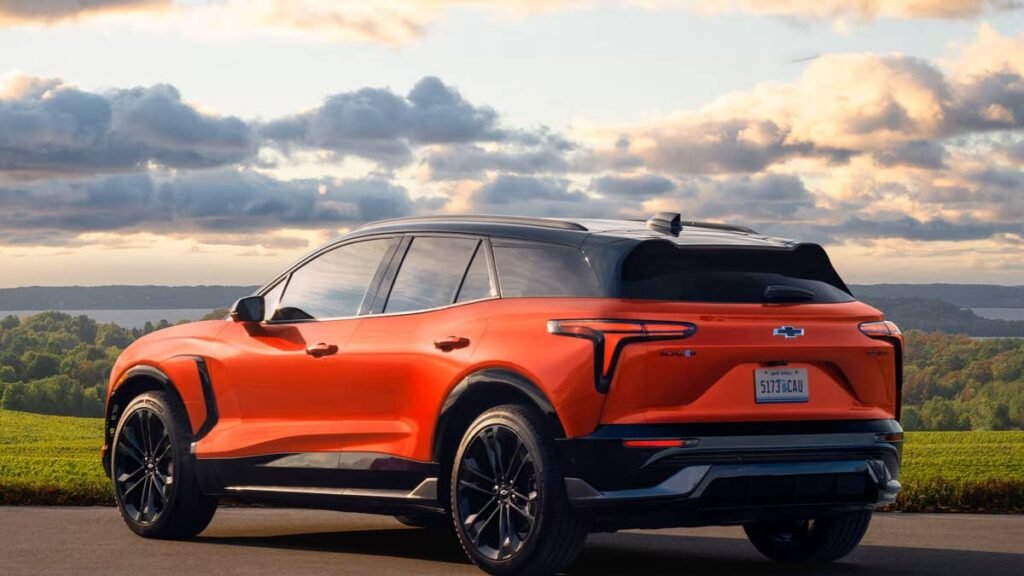
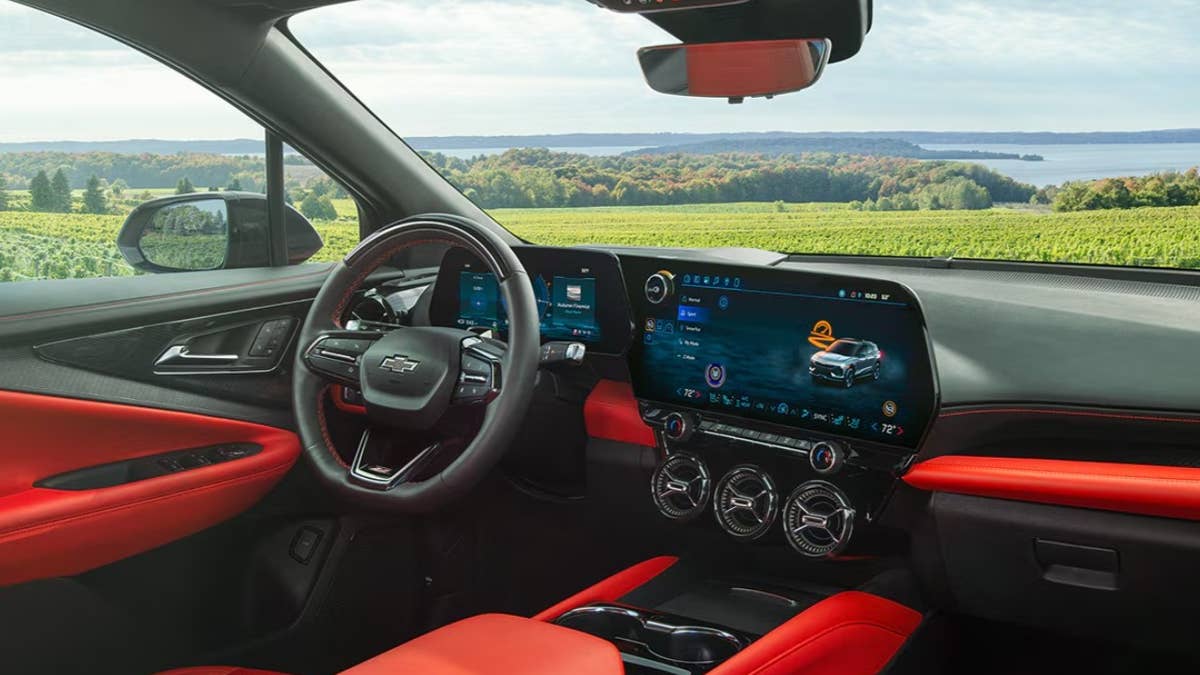
Beyond the switch to a NACS charging port, the 2027 Blazer EV also gained updated paint options, minor exterior styling changes, and wider availability of the Bose sound system. However, the EV retains the same powertrain options, including the dual-motor setup paired with a 102-kWh battery in the Blazer EV SS, producing 615 horsepower and 650 lb-ft of torque. The maximum range of 312 miles is available in the LT and RS FWD trims, which instead use a smaller 85-kWh battery.
The Blazer EV is typically cross-shopped with models such as the Tesla Model Y, Ford Mustang Mach-E, and Kia EV6.