This summer, the Los Angeles art scene is doing what it does best: challenging, complicating, and questioning the status quo. Oxy Arts will convert into a workshop for radical thought on race and resilience; Joan art center’s exhibition on Ulises Carrión highlights how the Mexican-born artist expanded the book into its own art form. Meanwhile, influential publisher Semiotext(e) fuses theory and vernacular culture in a showcase at the ICA LA. A show of punk ephemera and memorabilia at the Skirball recaptures some of the nascent movement’s raucous energy, and at the Huntington, an exhibition coinciding with the 250th anniversary of the Declaration of Independence asks how the promises of that founding document have been fulfilled or forsaken.
National Museum of the Aftermath
Oxy Arts, 4757 York Boulevard, Highland Park, Los Angeles
June 8–August 8
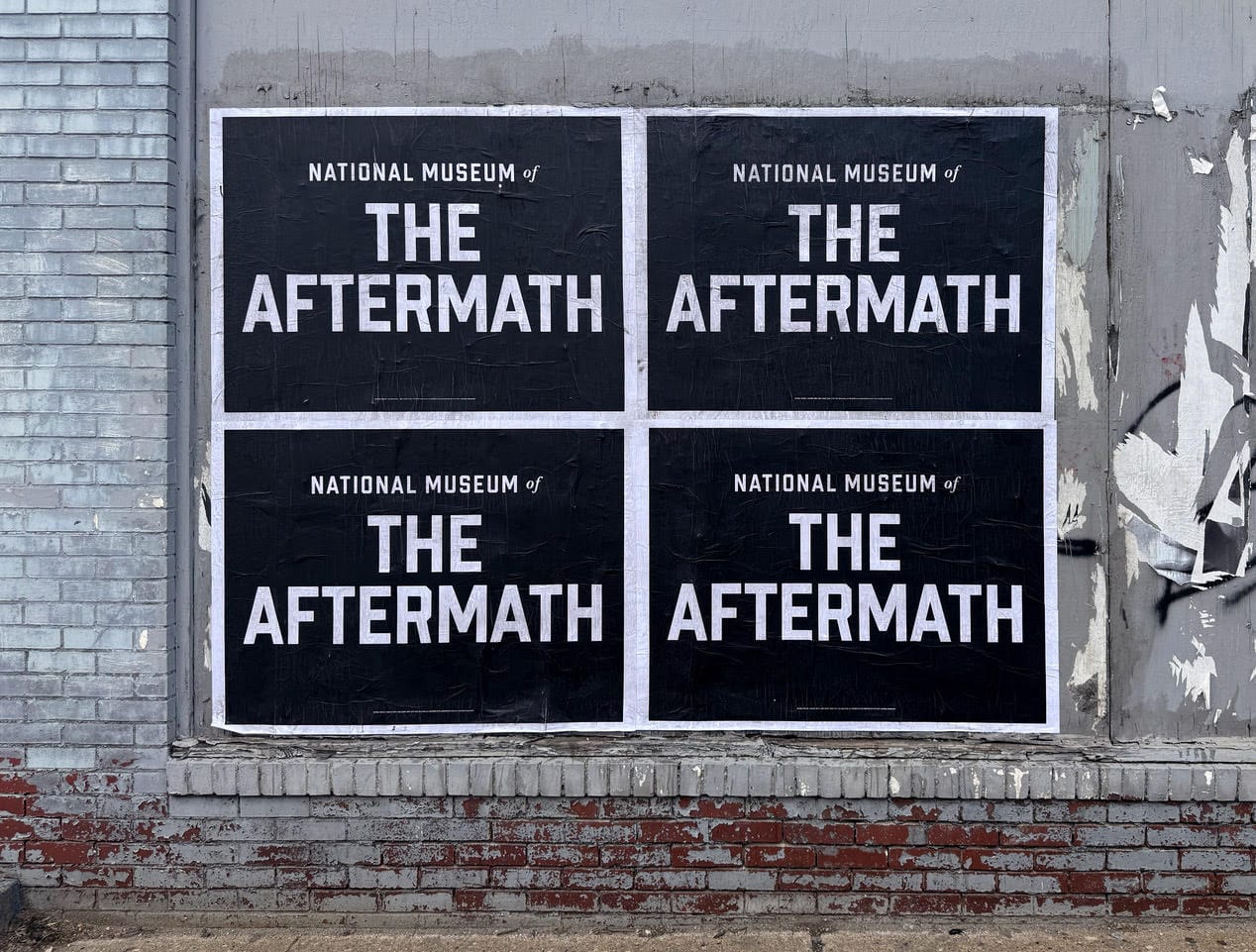
This summer, Oxy Arts will be transformed into the National Museum of the Aftermath. It’s the latest iteration of artist Jon Rubin’s peripatetic National Museum, which examines historical narratives and erasures, changing its title and specific inquiries in each location. Curated by Rubin and Harrison Kinnane Smith and conceived by artist Cauleen Smith, this version will focus on America’s racial reckoning and the possibility of collective resistance given the weight of our past. Smith will film scenes of speculative acts of solidarity in the gallery, which will also host public talks, a film series, a reading group, and other events.
Ulises Carrión, a bookwork in many places
JOAN, 1206 Maple Avenue, Suite 715, Downtown, Los Angeles
Through August 9
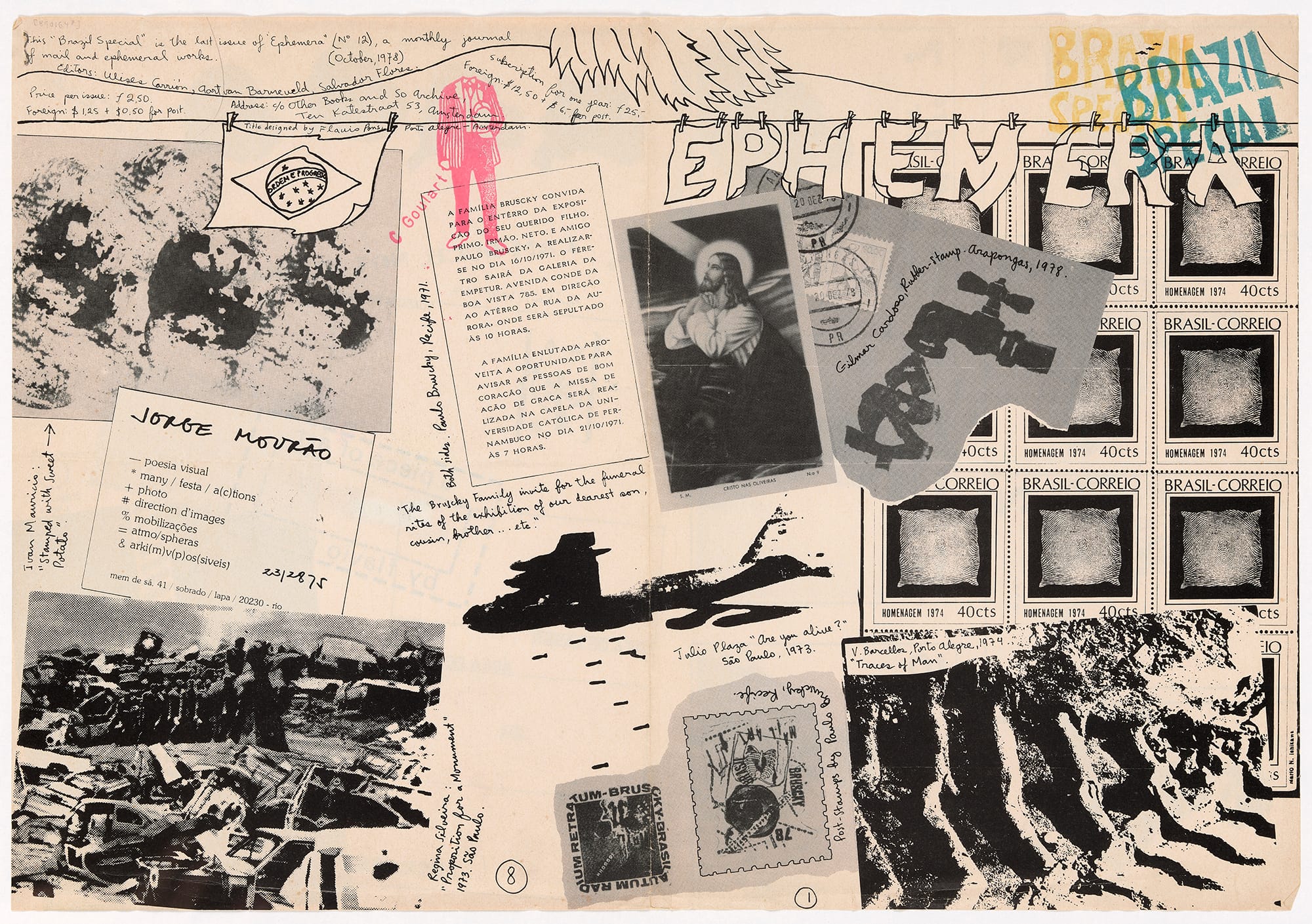
Ulises Carrión was a pioneer in the emergence of printed matter as an art form in its own right. In 1972, he moved to Amsterdam, where he and Aart van Barneveld founded the gallery and bookstore Other Books and So, which became an important node for an international community of experimental publishing made possible by economical production and distribution. a bookwork in many places focuses on the creative networks he fostered, especially in Southern California, showcasing his own works and those made in collaboration or kinship with artists including Sylvia Salazar Simpson, Suzanne Lacy, and Ed Ruscha, alongside contemporary examples of Carrión’s enduring legacy.
Scott Carrillo Azevedo, The American Home—The Broken Promise
Long Beach Museum of Art Downtown, 356 East 3rd Street, Long Beach, California
Through August 9
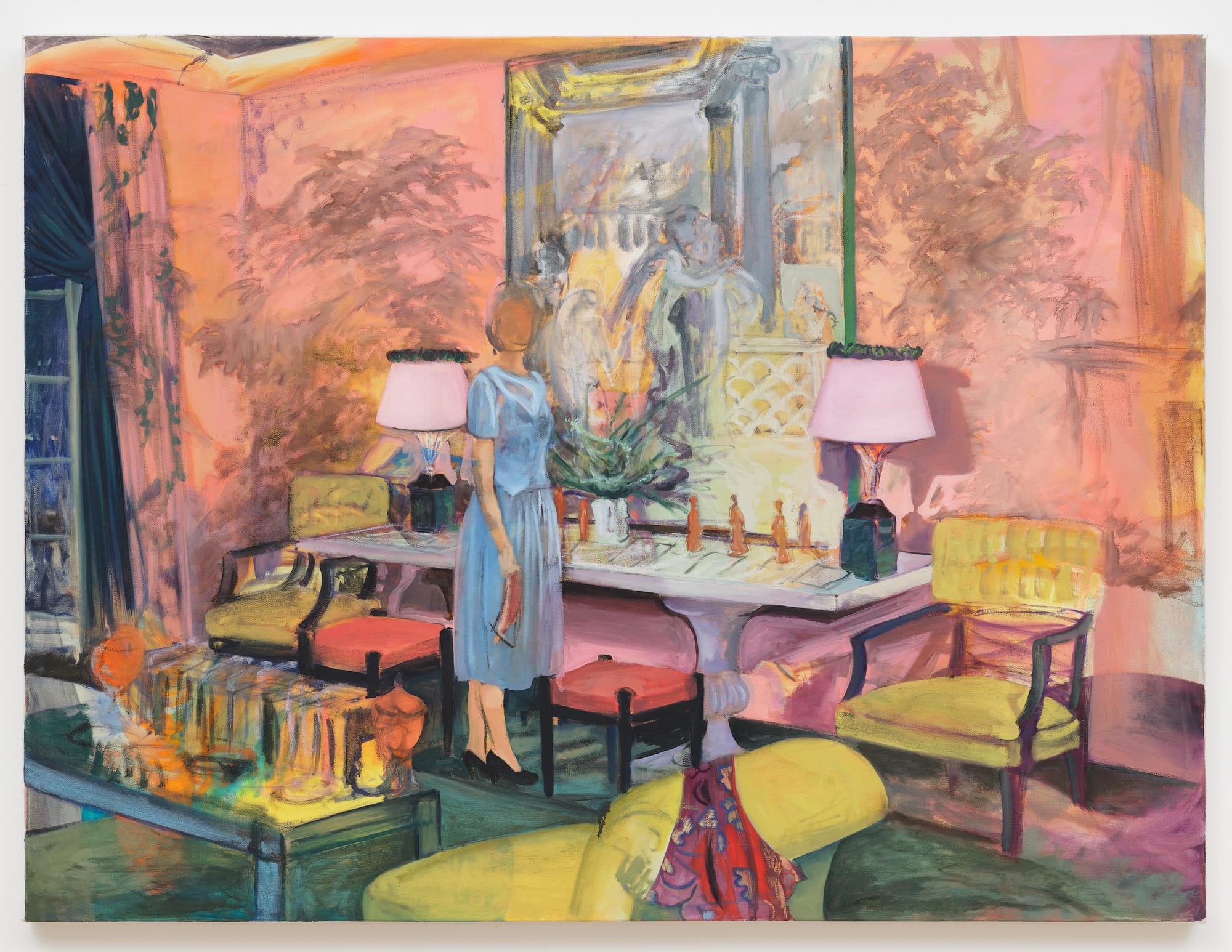
Scott Carrillo Azevedo’s captivating canvases depict the American home as a site torn between community and belonging, displacement and rupture. Incorporating images of domestic interiors from vintage magazines alongside portraits of family members, he delves into painful histories of racism and economic precarity, such as redlining, as well as personal losses and trauma. Beneath his deft brushwork and vivid palette lay complex, fraught narratives about American identity and its fractures.
Semiotext(e): Desert Islands
Institute of Contemporary Art, Los Angeles, 1717 East 7th Street, Downtown, Los Angeles
Through August 23
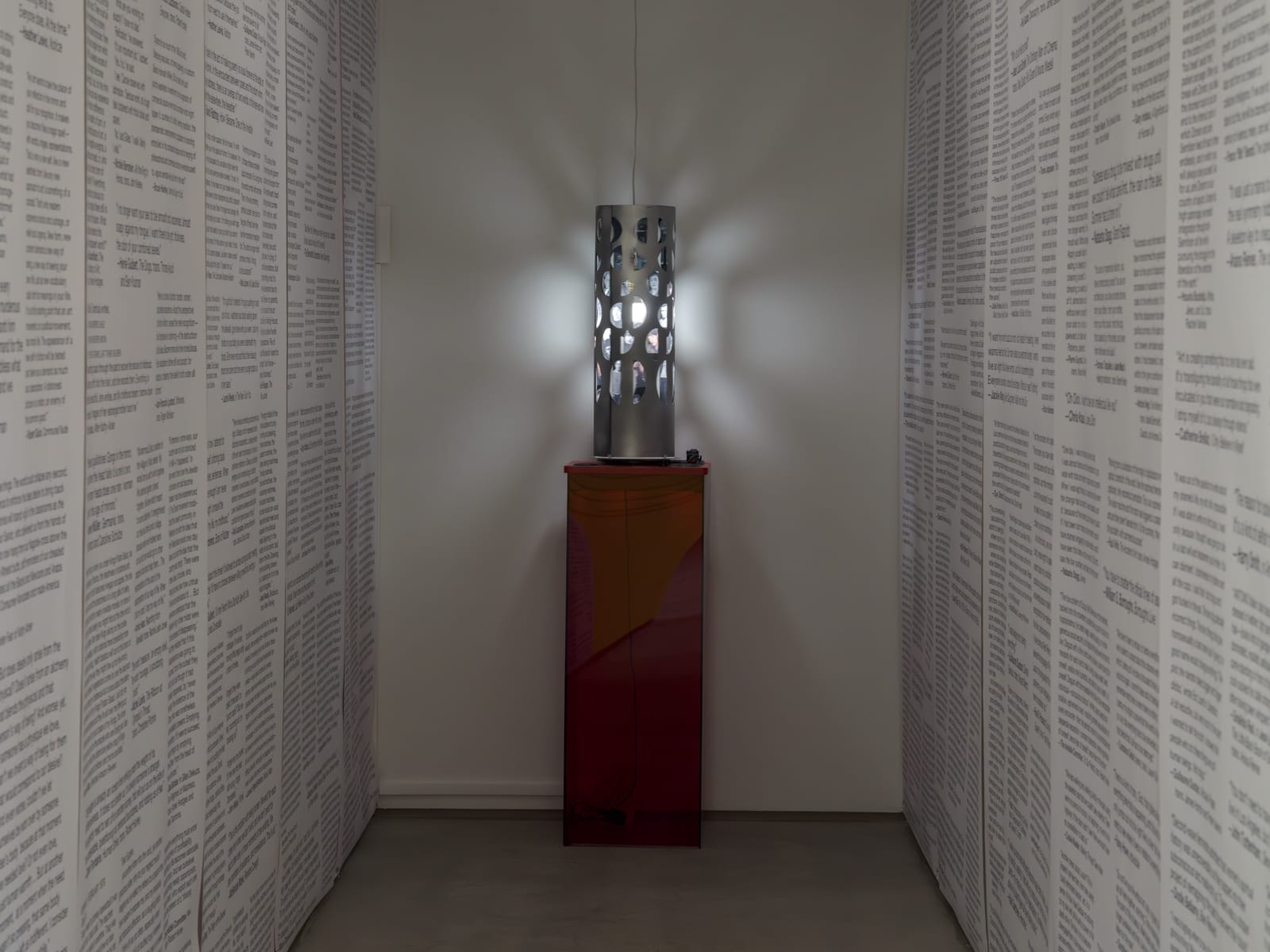
Semiotext(e) was founded as a journal in 1974 by Sylvère Lotringer, distinguished for its introduction of French theorists to American readers and for its fusion of academic theory and everyday culture. In the ensuing decades, it has emerged as a seminal independent publishing house, now co-edited by Hedi El Kholti and Chris Kraus. Desert Islands transforms the ICA LA’s Annex Gallery into a textual cavern, plastering the walls with quotations from Semiotext(e)’s writers. In the center is “Dream Machine” (2026), El Kholti’s homage to artist Brion Gysin’s stroboscopic 1960s light sculpture. The ICA LA’s bookshop is filled with an accompanying selection of titles published by Semiotext(e), featuring such authors as Jean Baudrillard, Eileen Myles, David Wojnarowicz, Félix Guattari, Dodie Bellamy, and Gary Indiana.
SPACE IS THE PLACE
Hammer Museum, 10899 Wilshire Boulevard, Westwood, Los Angeles
Through September 6
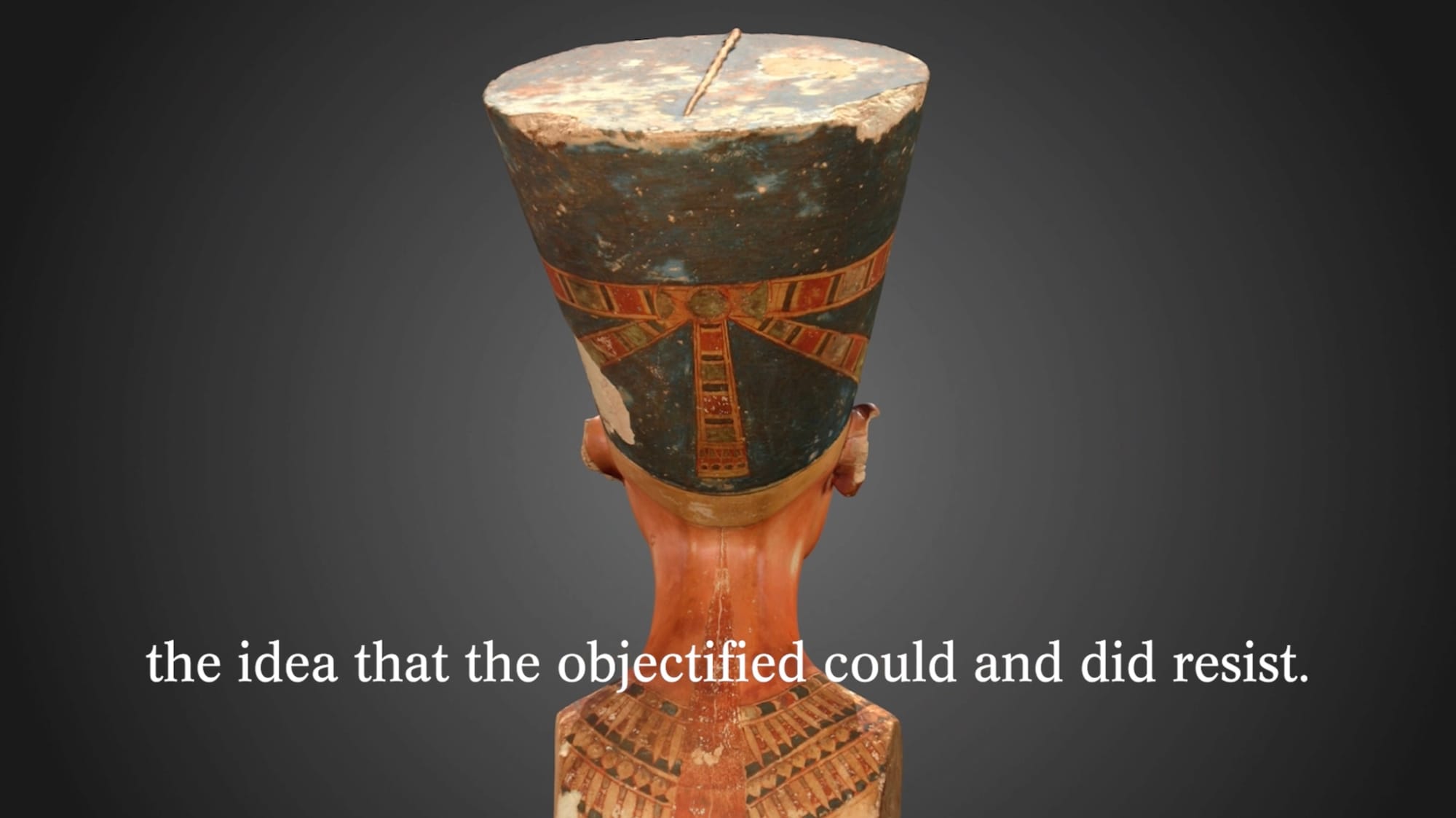
Experimental jazz artist Sun Ra was a pivotal figure in Afrofuturism whose cosmic vision of Black liberation pulled from Ancient Egypt, extraterrestrial life, and improvisational music. Taking its title from Sun Ra’s 1972 album and subsequent film, this exhibition riffs on the theme of space, bringing together almost 30 artists who explore not just its astronomical references but notions of community, representation, and site. Participating artists include Fred Eversley, Brenna Youngblood, Nayland Blake, and Danielle Dean.
Mythical Creatures: The Stories We Carry
USC Pacific Asia Museum, 46 North Los Robles Avenue, Pasadena, California
Through September 6
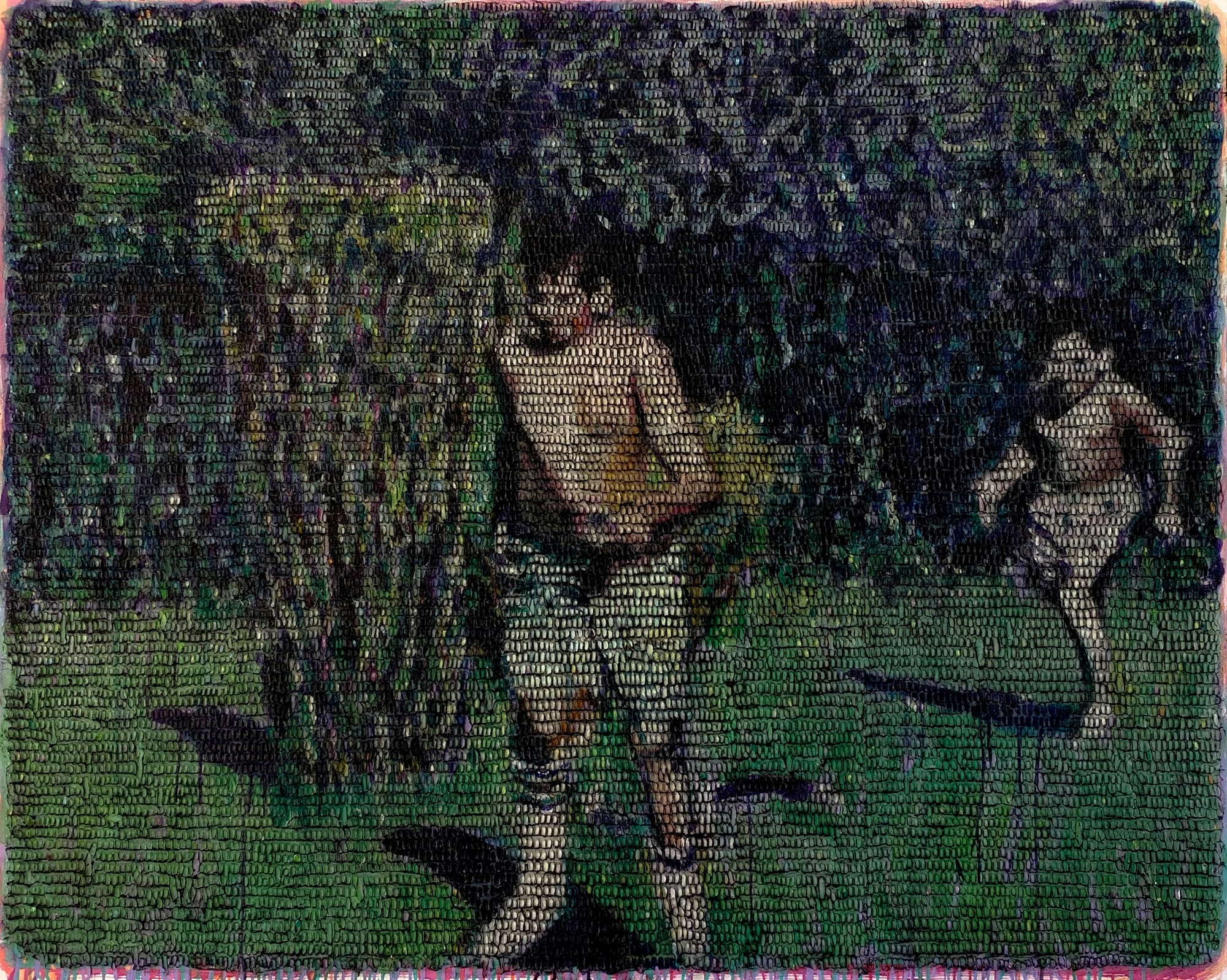
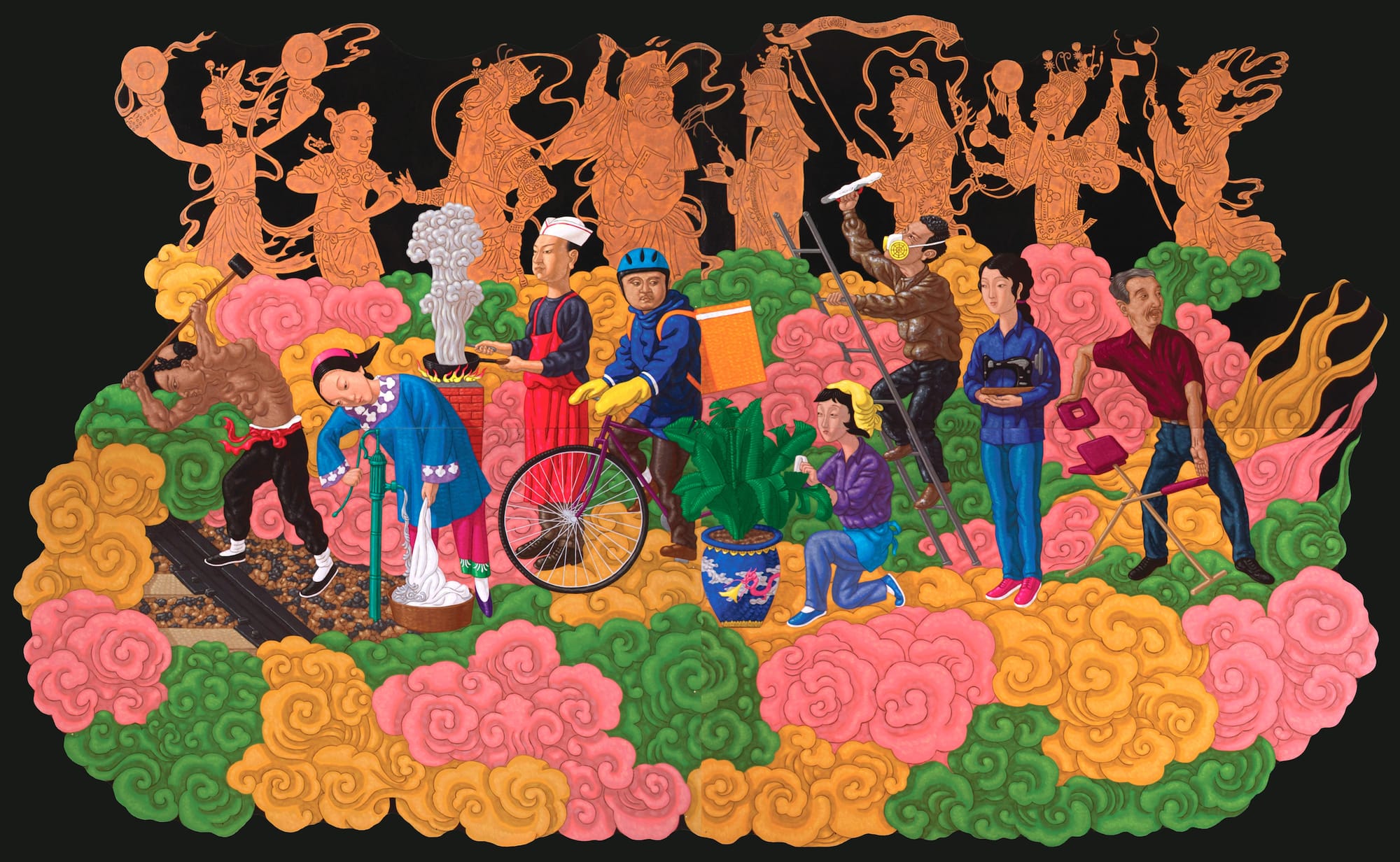
This exhibition explores mythologies from across Asia through 100 objects from the museum’s collection spanning 5,000 years, alongside works by 24 contemporary artists, many specially commissioned. Curated by LA-based artist Dave Young Kim, the show unfolds through several immersive environments that update traditional stories with elements of modern technology, including a video installation in a reconstructed airplane cabin. Highlights include Greg Ito’s dream-like installation “My Memories of You Are an Island” (2025), Gautam Rangan’s projection on black velvet “Four Guardians” (2025), and “Portrait of the Palace, Vietnam” (2017), a woven photo collage by the late artist Dinh Q. Lê.
We’re Very Well Read, It’s Well Known
Mural Conservancy of Los Angeles, 260 South Main Street, Downtown, Los Angeles
Through September 6
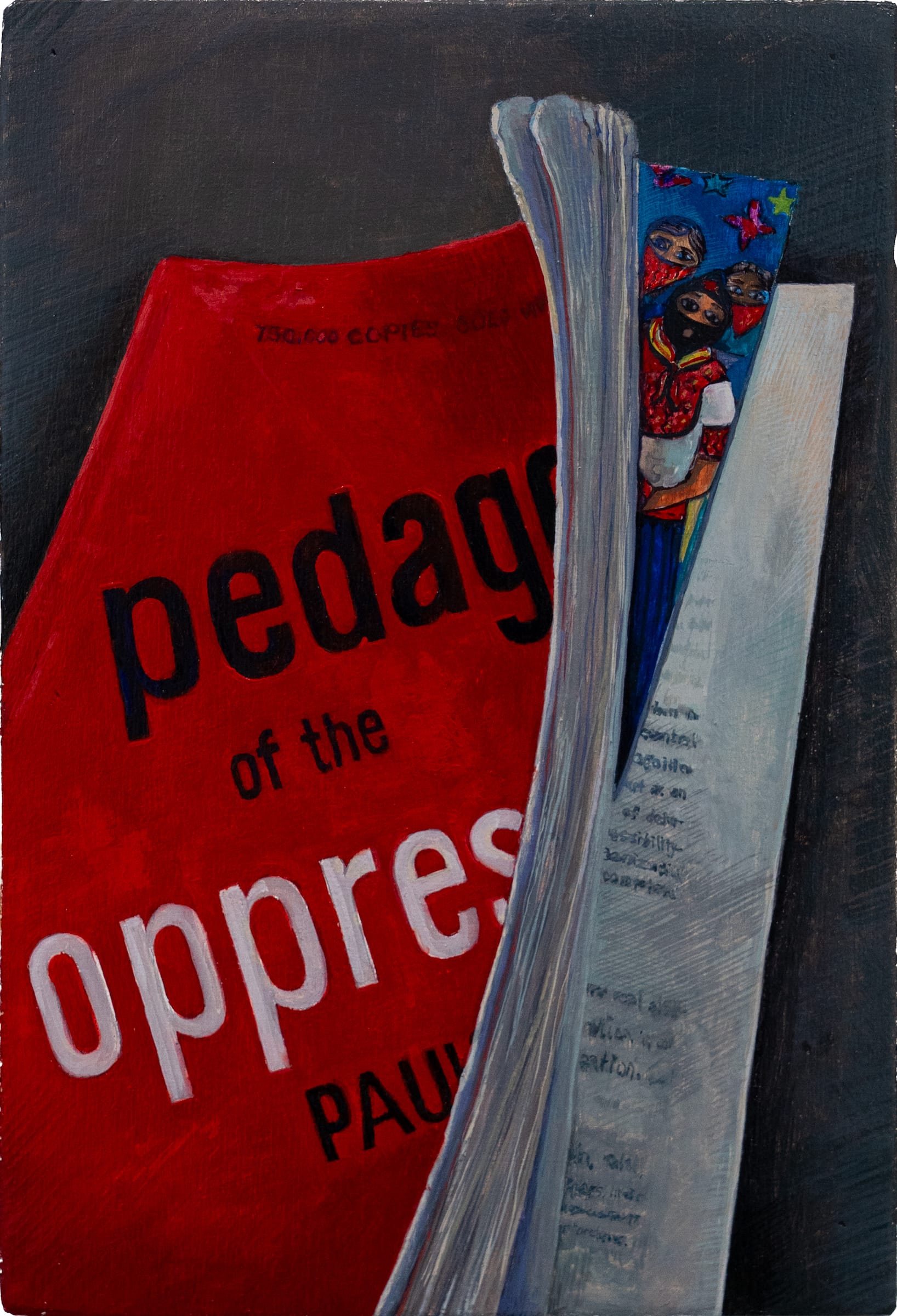
For this abundant group show, curator and writer Mat Gleason invited 474 artists to reinterpret their favorite books on a nine-by-six-inch art board, emulating the standard size of a trade paperback. The results are decidedly diverse, ranging from Jorge R. Gutierrez’s painting of a manic matador for Ernest Hemingway’s Death in the Afternoon (1932) and Jessicka Addams’s poignant depiction of The Velveteen Rabbit (1922) by Margery Williams to Man One’s gilded graffiti rendition of Gabriel García Márquez’s One Hundred Years of Solitude (1967). Sometimes illustrative, sometimes enigmatic, each painting balances the literary text itself with the artist’s individual relationship to it.
Outsiders, Outcasts, Rebels + Weirdos: Punk Culture 1976–86
Skirball Cultural Center, 2701 North Sepulveda Boulevard, Brentwood, Los Angeles
Through September 30
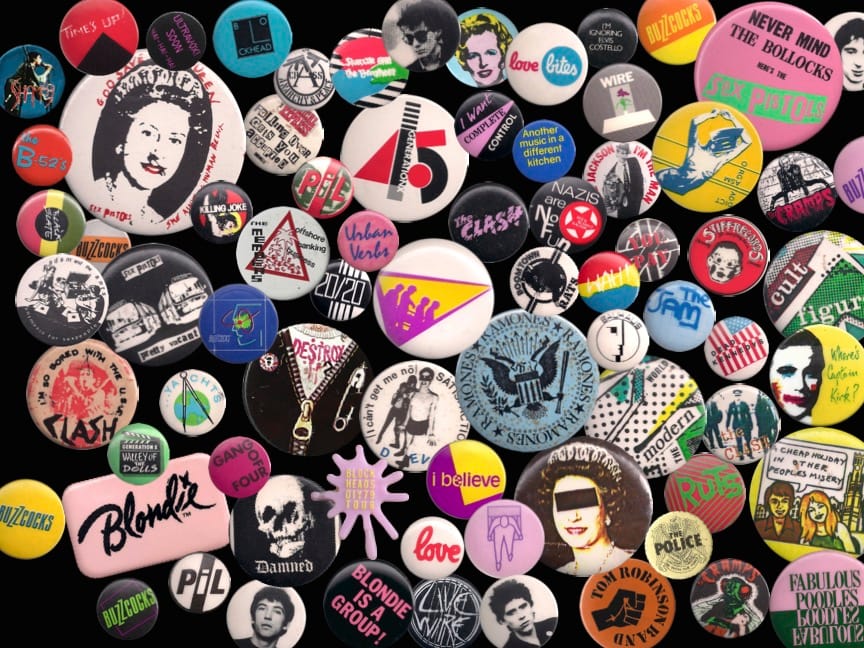
This exhibition is a rambunctious romp through the early years of punk, with show flyers, publications, photos, and fashion highlighting key foundational figures such as the Ramones and Malcolm McLaren, alongside influential but lesser-known bands like Pure Hell and the Plugz. Focusing on four key epicenters of punk — London, New York, Los Angeles, and Washington, DC — it charts the distinctive characteristics and convergences in each scene. The show also looks at the role that Jewish musicians and executives played in the emergence of punk, including Lou Reed and Joey Ramone, CBGB club owner Hilly Kristal, and Sire Records co-founder Seymour Stein.
Anton Roland Laub: Mobile Churches in Ceaușescu’s Bucharest
Wende Museum, 10808 Culver Boulevard, Culver City, California
Through October 11
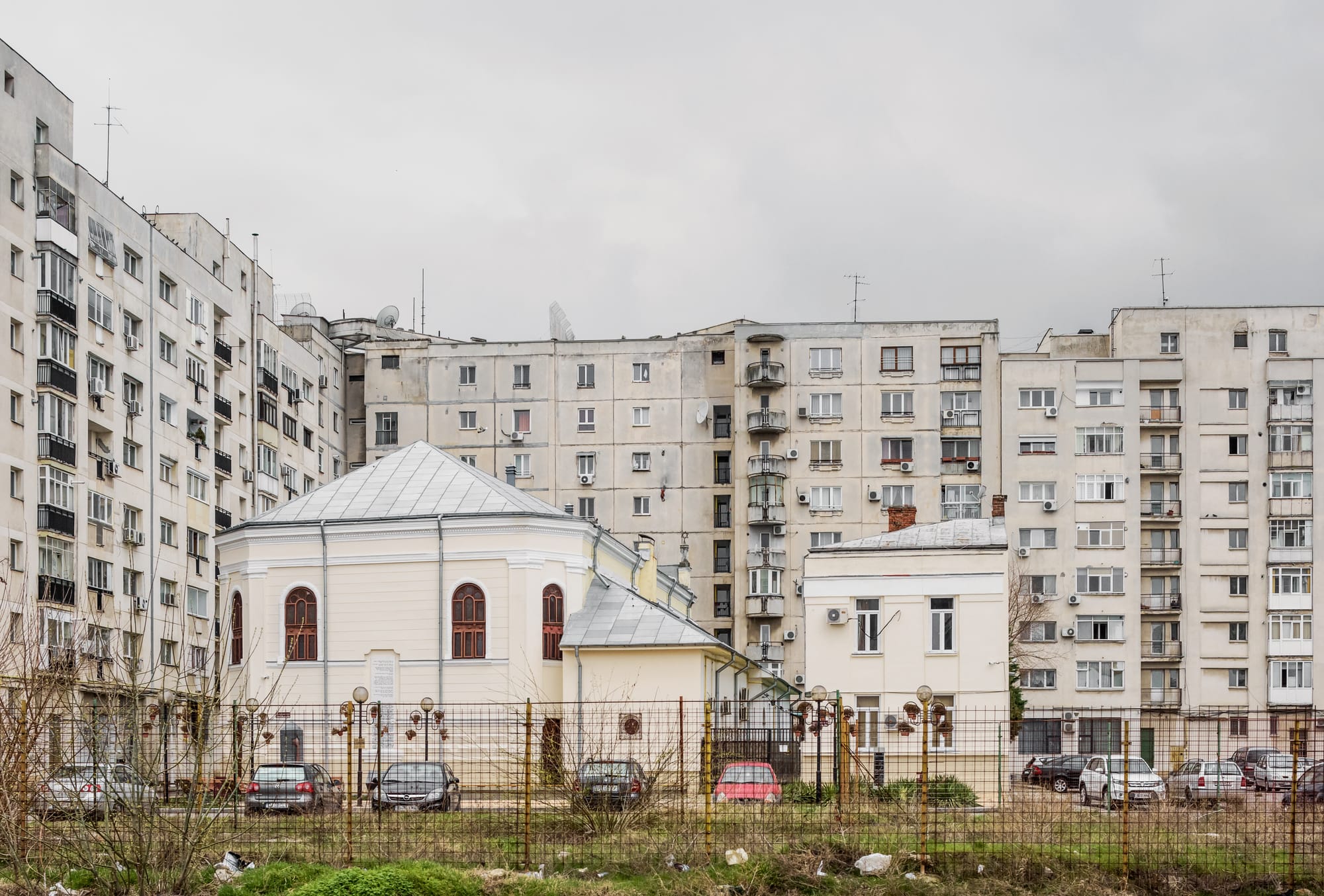
During the 1980s, Bucharest underwent a major transformation under the orders of Romanian dictator Nicolae Ceaușescu, who razed a third of the city’s historic core to construct a massive parliament building and grand avenues wide enough to host parades in his honor. Despite this program of destruction, seven churches were saved, mounted on rails, and hidden behind socialist apartment blocks. The exhibition revisits this little-known episode of Eastern Bloc history, pairing archival materials with Anton Roland Laub’s contemporary photographs.
Lost. Found. Returned.
Getty Center, 1200 Getty Center Drive, Brentwood, Los Angeles
June 23–October 18
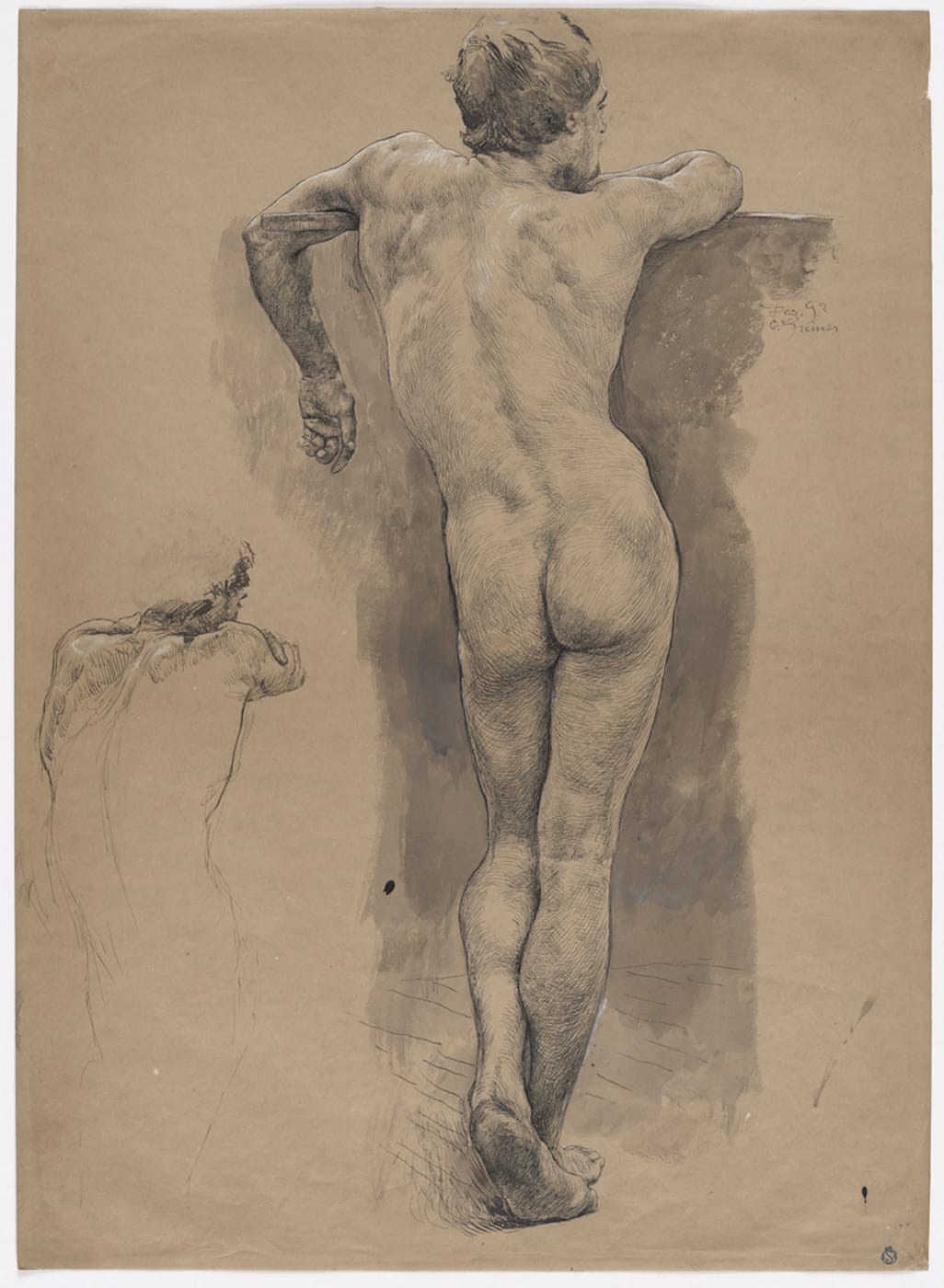
Countless European works of art were stolen, lost, or destroyed during World War II, and this exhibition tells the fascinating story of one such piece. At the end of the 19th century, the Kupferstich-Kabinett in Dresden acquired a drawing by German Symbolist Otto Greiner. After the war, it was presumed lost but eventually wound up at the Getty Research Institute. This exhibition chronicles its history and the research that led to its identification and restitution.
Odilon Redon: Otherworldly Visions
Getty Center, 1200 Getty Center Drive, Brentwood, Los Angeles
July 14–October 18
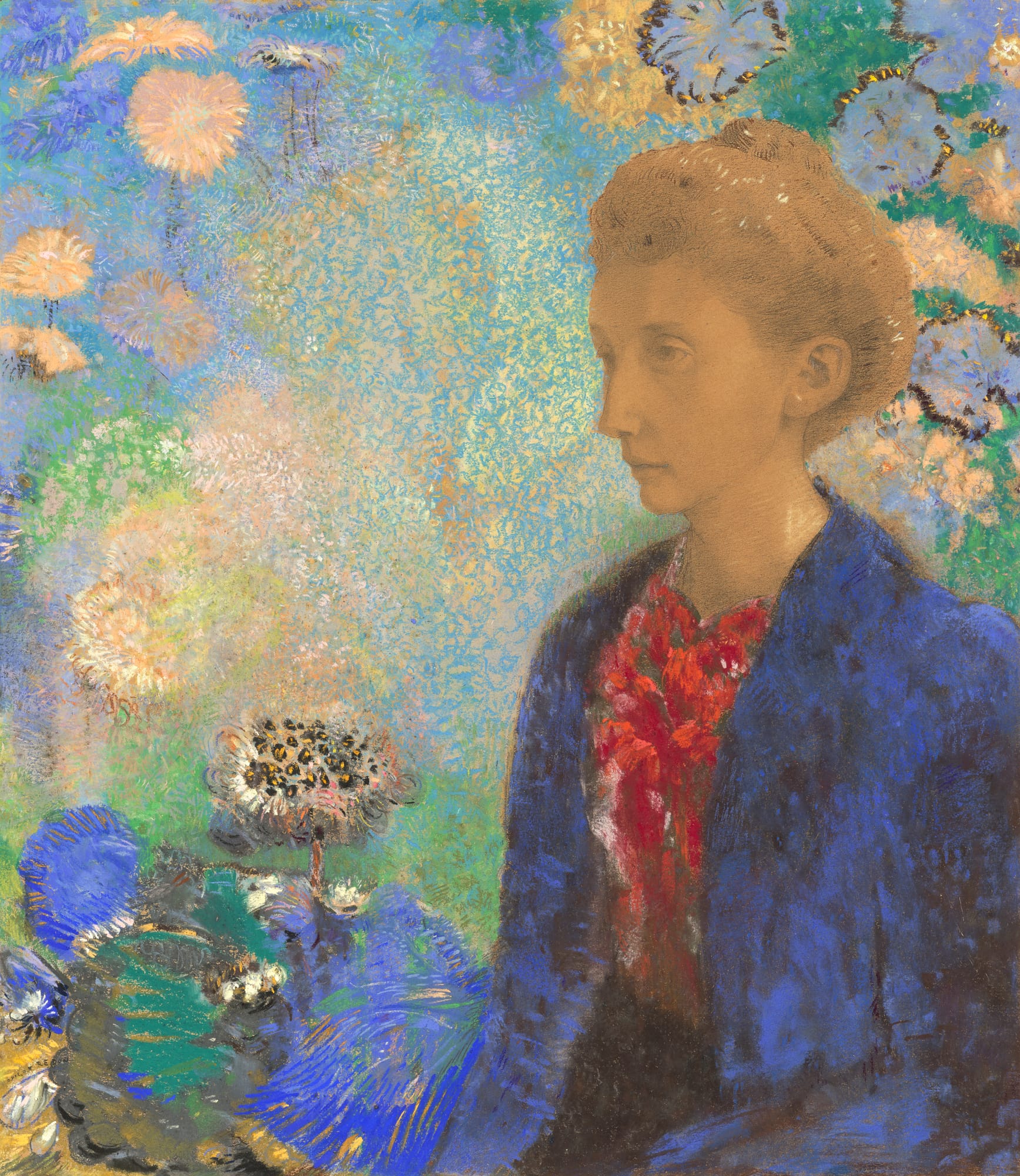
French artist Odilon Redon was a key figure in the Symbolist movement, whose fantastical, haunting images are considered forerunners to Surrealism. Otherworldly Visions assembles a selection of his works from the Getty collection that reflect his interest in spirituality, literature, and science. The works range from his dark and moody charcoal drawings and lithographs of the 1880s and ’90s — dubbed noirs — to his later pastels characterized by exuberant color and a keen focus on the natural world.
Willie Birch: Stories to Tell
California African-American Museum, 600 State Drive, Exposition Park, Los Angeles
Through October 21
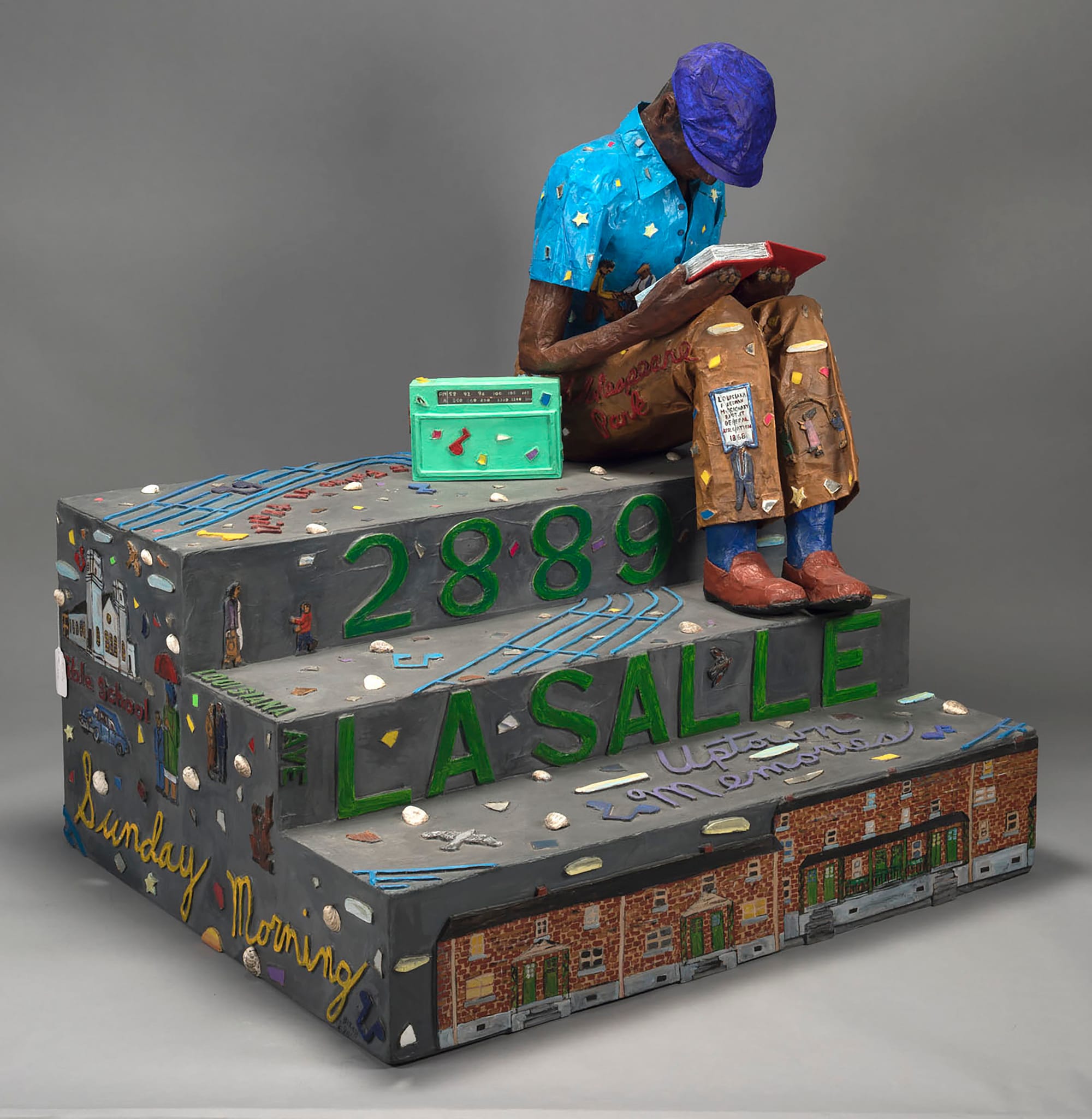
Throughout his six-decade career, Willie Birch has explored the vibrancy and resilience of Black culture and identity, with a specific focus on his hometown of New Orleans. Stories to Tell is the artist’s first retrospective, beginning in the 1970s with paintings of street scenes, religious worship, and jubilant abstractions and continuing through to his papier-mâché sculptures of the 1980s. His more recent large-scale works on paper feature a predominantly black-and-white palette but retain the expressive energy of his earlier work.
Samella! Black as Lacquer and Iron
Claremont Lewis Museum of Art, 200 West First Street, Claremont, California
August 15–November 15
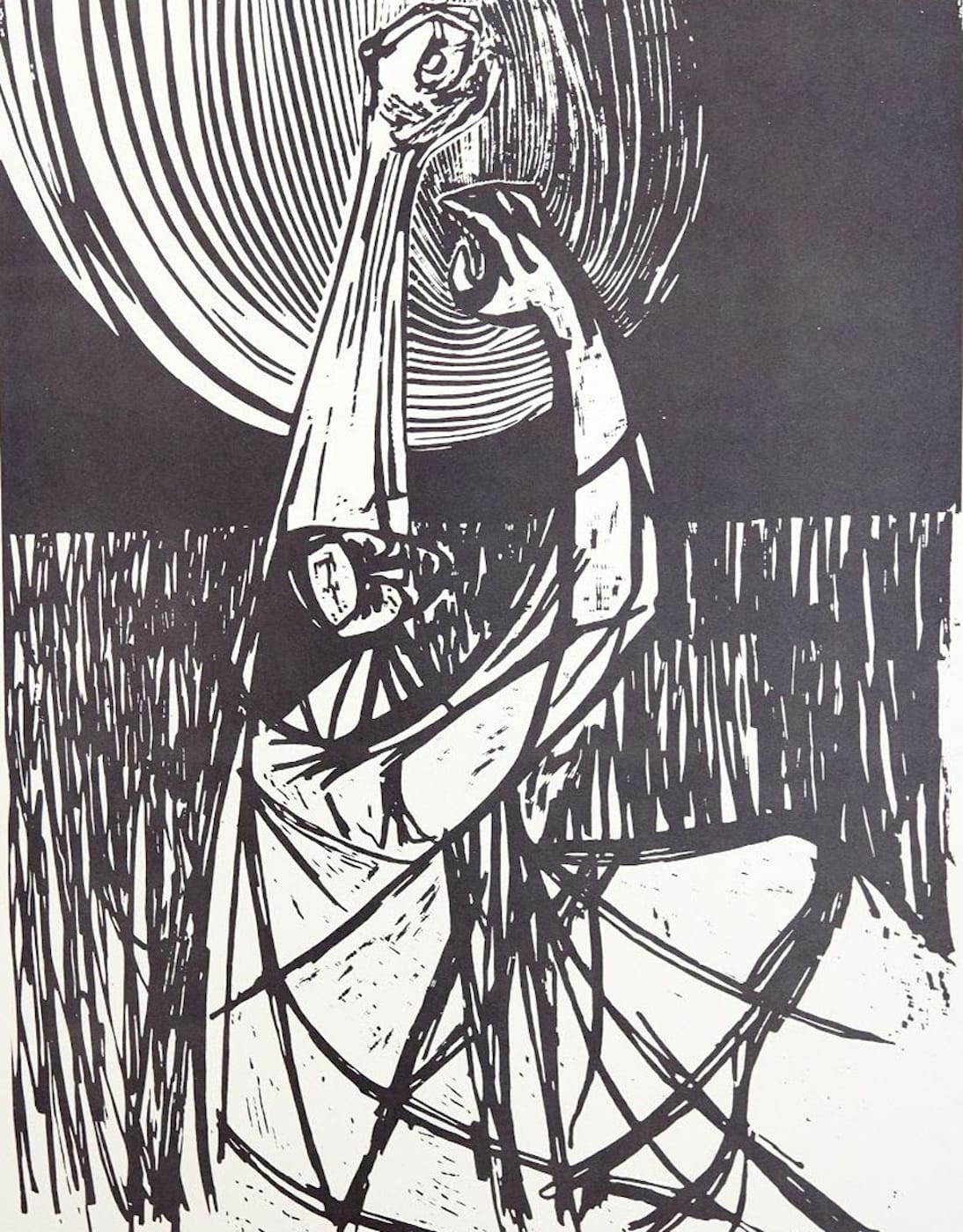
Samella Lewis was a pioneering figure in 20th-century American art, not just as a practicing artist but also as an educator, advocate, and art historian. Dubbed the “Godmother of African American Art,” she founded the International Review of African American Art in 1975, co-founded the Museum of African American Art, Los Angeles, in 1976, was the first Black woman to receive doctorates in Fine Art and Art History, and taught at Scripps College from 1970 to ’84, where she was the first Black professor to receive tenure. Curated by Francine Farr, who studied with Lewis at Scripps, Black as Lacquer and Iron looks at her artistic output as well as her outsized influence on subsequent generations of artists.
Raymond Saunders: Flowers from a Black Garden
UC Irvine Langson Orange County Museum of Art, 3333 Avenue of the Arts, Costa Mesa, California
June 26–January 3, 2027
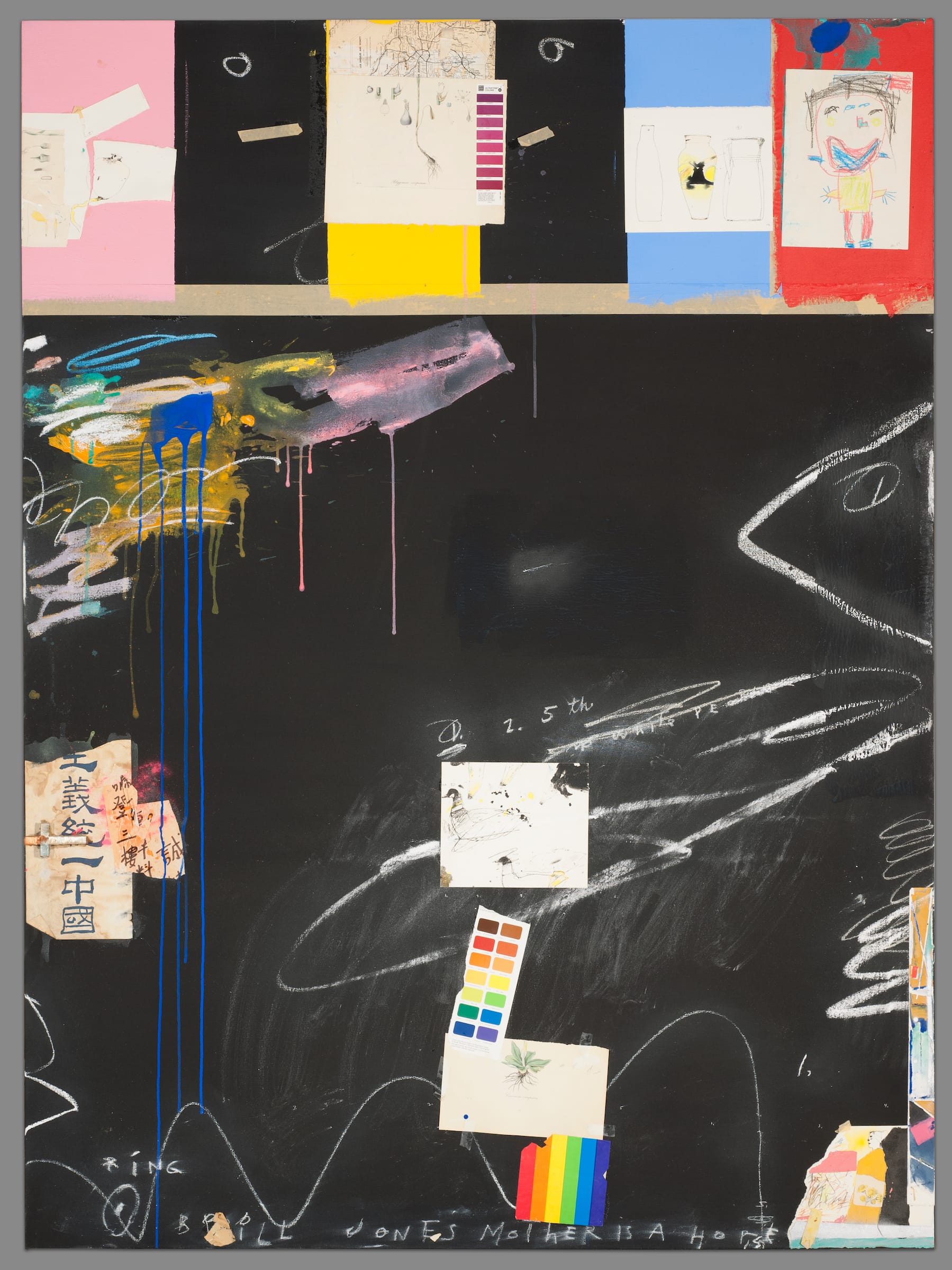
Raymond Saunders, who passed away last year at the age of 90, was an enigmatic artist best known for his blackboard assemblages that combined found objects, text, and improvisational abstraction, drawing from a broad range of sources, including Dada, expressionism, Fluxus, and Pop art. His work was grounded in his experiences and explored racial identity and the complexities of US history with poetic frankness. His first major museum retrospective, Flowers From a Black Garden (originally mounted at the Carnegie Museum of Art), features over 30 artworks that showcase his expansive and liberatory practice.
This Land Is…
The Huntington, 1151 Oxford Road, San Marino, California
June 14–January 11, 2027
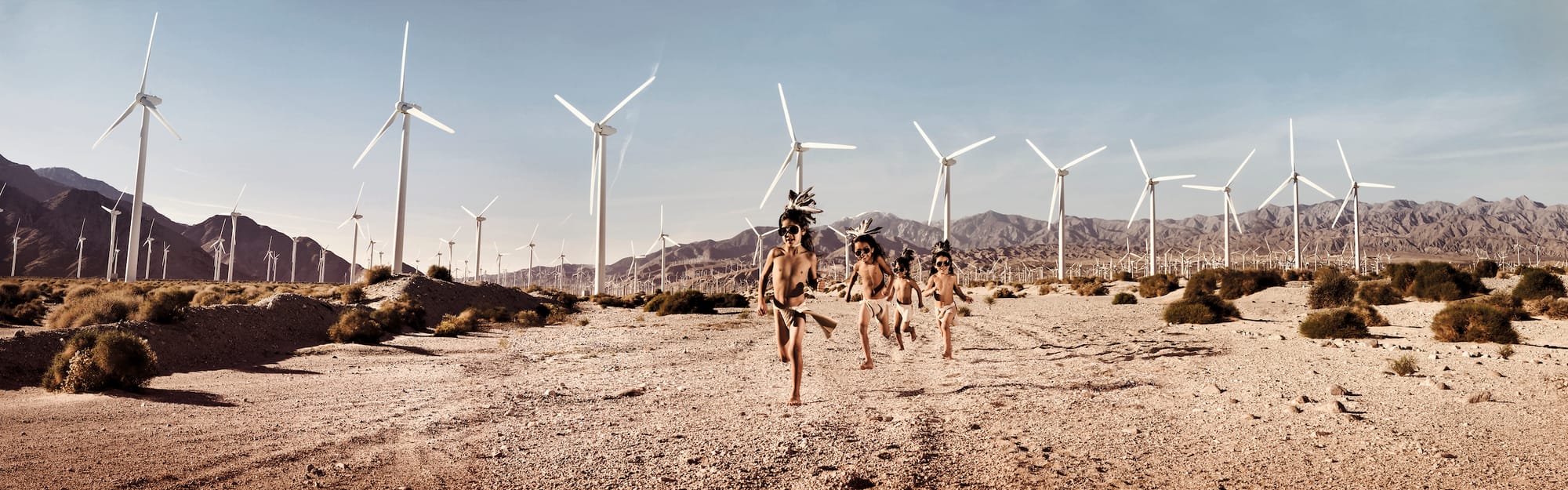
Coinciding with the 250th anniversary of the Declaration of Independence, This Land Is… examines how the promises of “life, liberty, and the pursuit of happiness” have been fulfilled or undermined. The exhibition brings together an array of historical documents, archival materials, and artworks to tell intertwining narratives of opportunity and exploitation, bounty and betrayal, from colonial times through the present. Highlights include two original copies of the Declaration of Independence; manuscripts by Walt Whitman, Langston Hughes, and Octavia E. Butler; Woody Guthrie’s acoustic guitar inscribed with the words “This Machine Kills Fascists”; and contemporary artworks by William Camargo, Cara Romero (Chemehuevi), Noni Olabisi, and others.