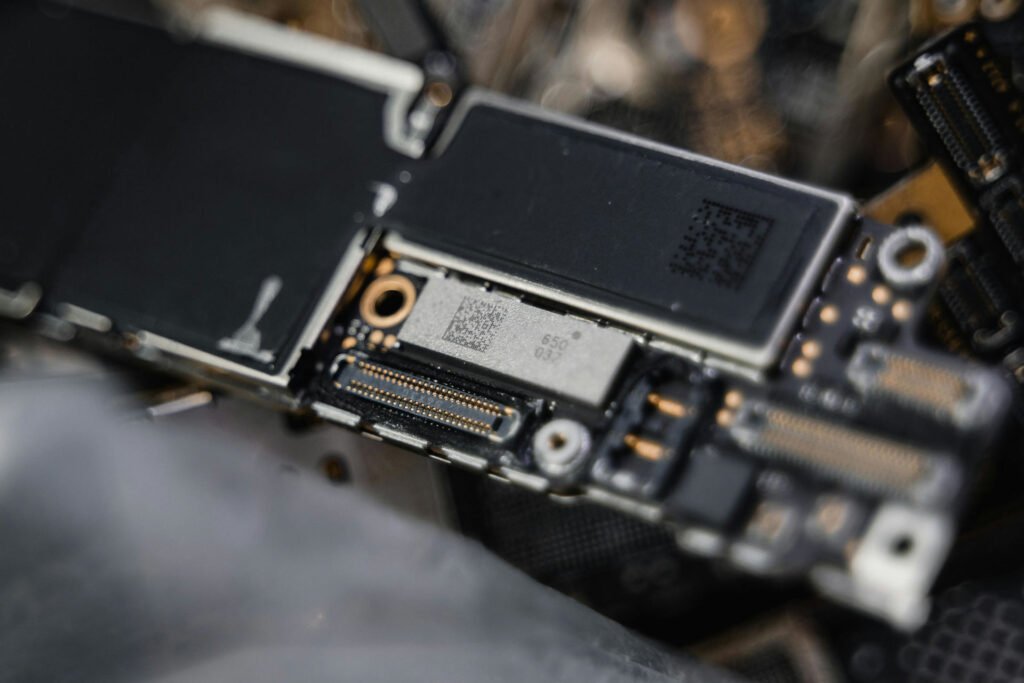

When it comes to the cost of smartphone components, the chipset is probably one of the most expensive parts, if not the most expensive. This is because the process to make these chips uses a lot of advanced tech involving expensive equipment and decades of research. Plus, it’s essentially the brains of the phone. However, it seems that the cost of our phone’s smartphone chips could be eclipsed by LPDDR6 RAM and UFS 5.0 storage this 2026.
LPDDR6 RAM, UFS 5.0 storage could cost more than chipsets
In a post on Weibo, tipster Digital Chat Station has revealed that a combo of 16GB LPDDR6 RAM and 1TB of UFS 5.0 storage is undergoing testing. They note that this combo might be exclusive to top-of-the-line models because the cost of it is apparently higher than the SM8975 chip, which refers to Qualcomm’s upcoming Snapdragon 8 Elite Gen 6 Pro.
Now, the good news is that Qualcomm probably won’t force phone makers to adopt this combo. Phone makers who wish to use older memory can still do so. But at the same time, the option is there for those who are willing to pay for it.
Also, according to earlier rumors, Qualcomm will launch two versions of its chipset. One will be the “standard” Snapdragon 8 Elite Gen 6, while the other is the Pro version. Recent reports claim that the base model will have a higher volume, presumably due to the difference in costs.
Why is it so expensive?
So, why is memory so expensive? It used to be that RAM and storage were relatively affordable. This is true for both smartphones and PCs. In case you haven’t heard, we’re facing a memory shortage right now.
As the demand for AI grows, so does the demand for AI data centers. These data centers run on servers that require the use of HBM. As a result, memory makers like Samsung, SK Hynix, and Micron are shifting their priorities to these types of memory. The consequence is that production of more consumer-grade memory has dropped.
This has led to supply being unable to meet demand, thus driving prices up. Some expect this to last for the next few years, with the potential to cause smartphone shipments to fall. This is because if memory prices are too high, smartphone makers are faced with a choice. Either factor those costs into their final prices, or absorb them.
If phones are too expensive, customers won’t buy. But if they absorb the costs, then their profits are lower. Tough choice.
The post Your Next Flagship Phone’s RAM & Storage Could Cost More Than Its Chip appeared first on Android Headlines.