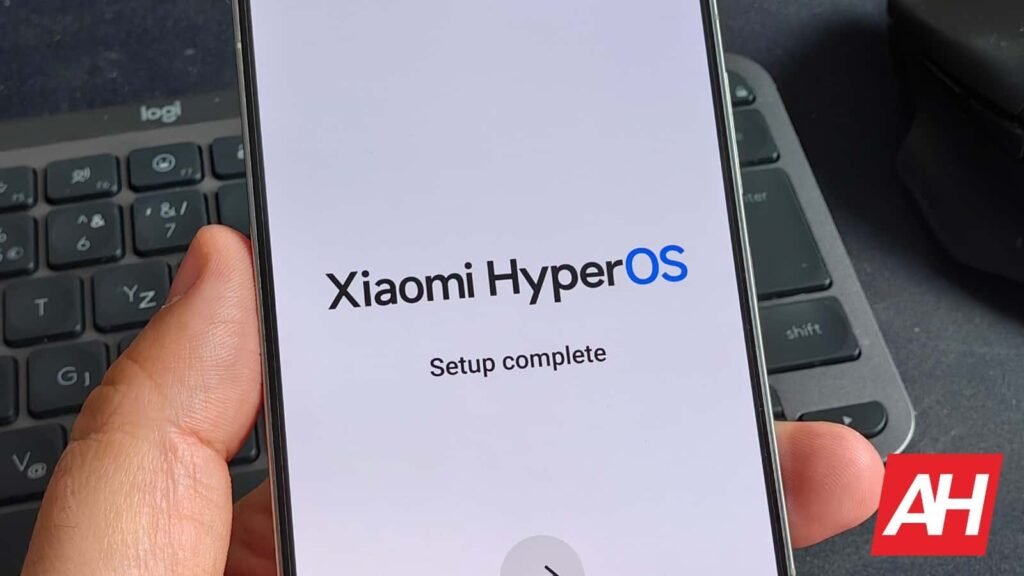

Xiaomi’s CEO, Lei Jun, had recently announced the company’s plan to move toward an independent operating system for its devices. Now, a new report reveals that Xiaomi is replacing the long-standing MIUI code with a self-developed architecture on HyperOS 4. This will give the company tighter and better control over the system and might improve its efficiency as well. However, the native Android services are expected to remain.
HyperOS 4 will feature Xiaomi’s self-developed system architecture
As per a leak from a known tipster, Digital Chat Station, Xiaomi plans to replace parts of the underlying system framework with a native solution built internally by the company. The change will gradually remove legacy elements inherited from MIUI. Moreover, it will reduce the “technical debt” accumulated over the years of updates. Once the transition is completed, the firm will have more control over the performance and security of the software without breaking existing user experience across its portfolio of devices.
However, the move doesn’t yet make HyperOS a completely independent operating system. It will continue to retain native Android services to avoid compatibility issues with third-party applications. This will ensure that developers do not have to rewrite the code to ensure their app’s compatibility with the newer version of HyperOS. Users will be able to access familiar services seamlessly.
It’s a step towards a zero legacy future
Apart from architectural changes, Xiaomi is also planning to integrate its own AI model at the system level. The strategy reflects the company’s aim to achieve a zero legacy future. It has already begun this transition behind the scenes. Reports indicate that selected HyperOS 3.1 system modules, such as Weather and Photo Album, are already removing older MIUI-era components.
A complete integration of the new architecture module and AI model is expected to take place in the coming HyperOS 4. Further, the software skin is expected to debut later this year and could be described as a zero legacy release.
The post Xiaomi HyperOS 4 Prepares a Zero Legacy Future Through Self-Developed Architecture appeared first on Android Headlines.