The founder and chairman of CATL, the world’s largest EV battery manufacturer, believes the protectionist measures the US has taken in recent years to prevent Chinese EVs and batteries from penetrating the market will hurt the US auto industry more in the long term.
In an interview with The Wall Street Journal, Robin Zeng, who is China’s fourth richest man, said the American EV market is doomed without CATL. While the Biden and Trump administrations have imposed prohibitive tariffs on Chinese-made EVs and batteries, treating CATL as a national security threat, Zeng is confident the tide will turn.
CATL, which stands for Contemporary Amperex Technology Co. Limited, posted a record profit of more than $10 billion in 2025 as an estimated one in three electric vehicles sold globally is powered by its batteries. What makes this even more remarkable is the fact the Chinese company achieved this milestone without the US market, where EV adoption lags behind that in China and Europe, and where CATL’s presence is limited.
US Automakers Already Turning to CATL Despite Prohibitive Import Tariffs
Zeng believes that won’t last, though. He expects the US EV market to remain small for several years. “But after that, it’ll have to be booming, because it is the trend. It is the future,” CATL’s boss told WSJ. And it can’t do that without CATL’s batteries. Attempting to accomplish that “is difficult and the cost too high,” he added.
There are signs automakers are already turning to CATL in the United States. Ford recently dropped South Korea’s SK Group as a joint-venture partner for battery projects, focusing on a plan to build CATL-designed lithium-iron-phosphate (LFP) batteries at a new plant in Michigan. To make it happen, Ford is paying CATL intellectual property royalties, which is something the US allows as it builds legal and political hurdles to prevent the Chinese battery giant from setting foot into the market.
While LFP technology was invented in the US, the Chinese perfected it and figured out how to make it work in cars. Lisa Drake, a Ford executive on the Michigan battery plant, said last year that without CATL “it probably would’ve taken us a decade to catch up and have LFP technology on our own.” In addition, Ford turned to CATL technology to build utility-scale stationary batteries at a new $5.8 billion Kentucky factory where it shut down EV-battery production recently.
General Motors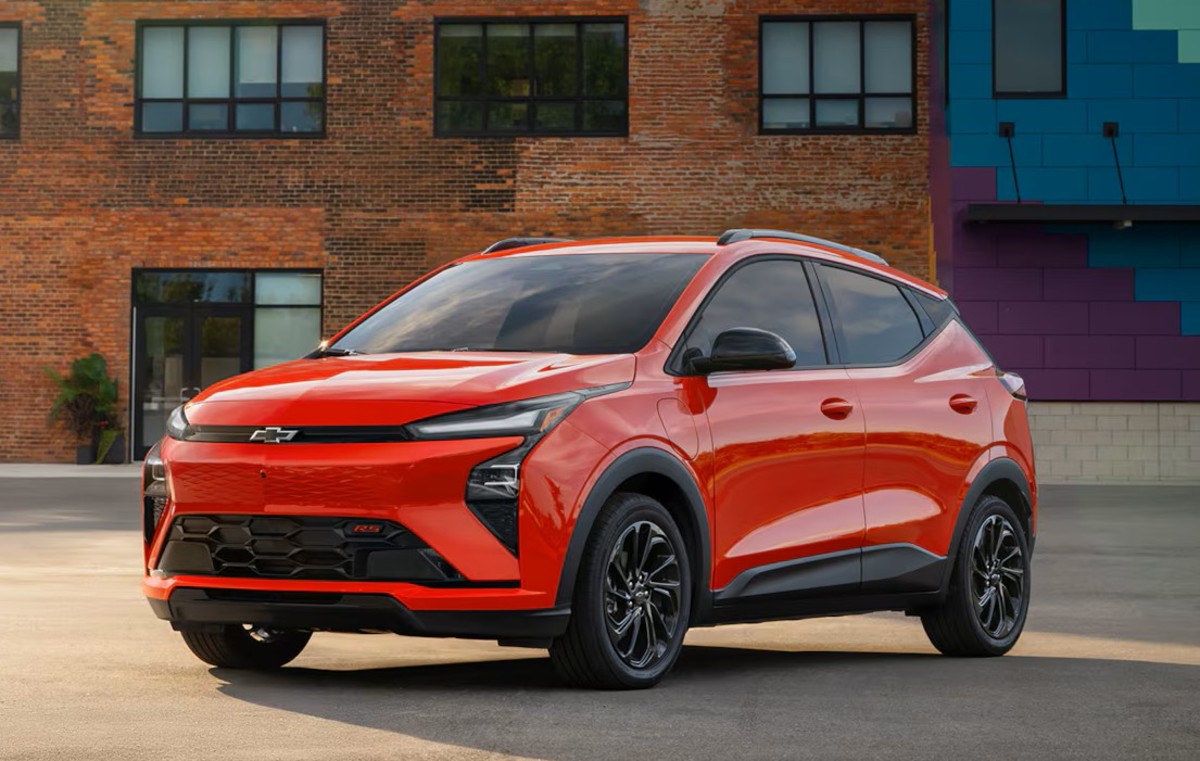
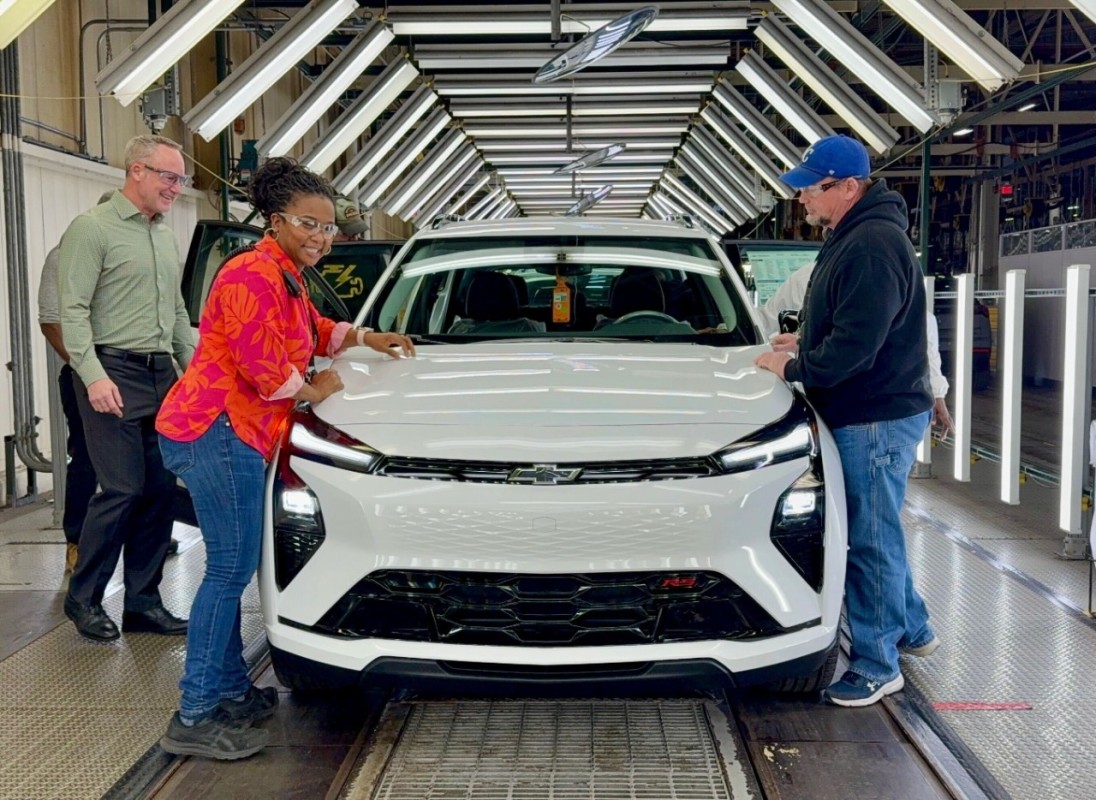
General Motors is also using CATL-sourced LFP batteries in the 2027 Chevrolet Bolt, but unlike Ford, it imports them from China under a temporary arrangement that is designed to maintain a low purchase price for its entry-level EV before it shifts to domestic LFP cell production. GM is importing the China-made batteries legally, but it does so while paying a 60% tariff. The fact that GM does this while its two billion-dollar US battery plants are idle highlights its inability to produce cheaper batteries.
Tesla is another US company using CATL technology for a battery plant in Nevada that makes energy-storage systems.
CATL Boss Says America May Change Its Tune Come 2028

While critics of China argue that CATL’s presence in the US supply chain would allow the battery giant to rule the battery market in America and prevent domestic battery companies from catching up, those who advocate for cooperation with CATL believe the company is key to make cheaper batteries and affordable EVs possible in the US. Shutting the door may result in the US failing to ever catch up to China, according to the latter group.
For now, CATL founder Robin Zeng is adamant Americans need CATL because it can supply them with the latest battery tech at lower costs. This is critical for high-end EVs and robotaxis, for example, almost all of which are EVs. If Americans abandon EVs, they would automatically lag behind in the autonomous driving race.
Zeng said CATL is willing to invest in the US, but currently it’s not allowed to build factories in the country. That said, he told WSJ that things may change come 2028—the last full year of US President Donald Trump’s second term—“because business relationships are always stronger and longer-lasting than politicians.”