More Than Just Gears
From traditional manual gearboxes to hydrodynamic torque converter automatics, seamless CVTs, and even computer-controlled dual-clutch transmissions, we are spoiled for choice when it comes to how engine power is delivered to the wheels. Each design offers a unique blend of performance, efficiency, and driving feel, while some are better suited to certain conditions and applications than others.
Deciding on the right transmission for your car is a matter of understanding the strengths and weaknesses of each, acknowledging your own personal preferences and use case, and accepting that there is no perfect option for every driver and every vehicle.
The Simple and Involving Manual
The obvious choice for the driving enthusiast, traditional manual transmissions have been around in various forms since the beginning of the 20th century. They are relatively cheap to produce, offer a strong sense of driver involvement, and are usually the most preferred for sporty driving. Since manual transmissions are completely controlled by the driver, they offer an extremely direct and tangible human-machine connection, but do demand a certain level of mastery and skill to get the best out of them.
The major downside with manual transmissions is the cumulative wear to the friction surfaces, primarily clutch plates and flywheels, over time. This wear can be exacerbated by improper driving habits, stop-and-go traffic, pulling a heavy trailer, or simply doing one too many starts on steep inclines where it becomes necessary to slip the clutch to get going. This is where automatics come in.
BWM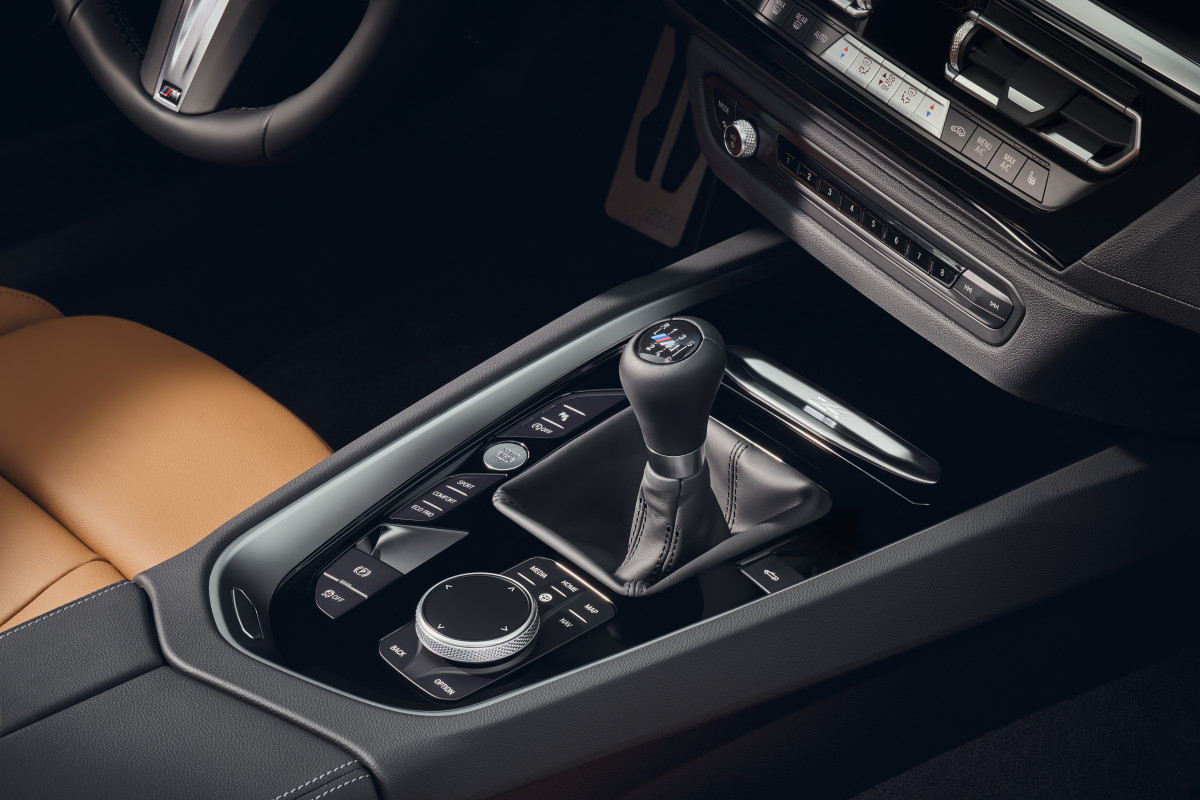
The Ubiquitous Automatic
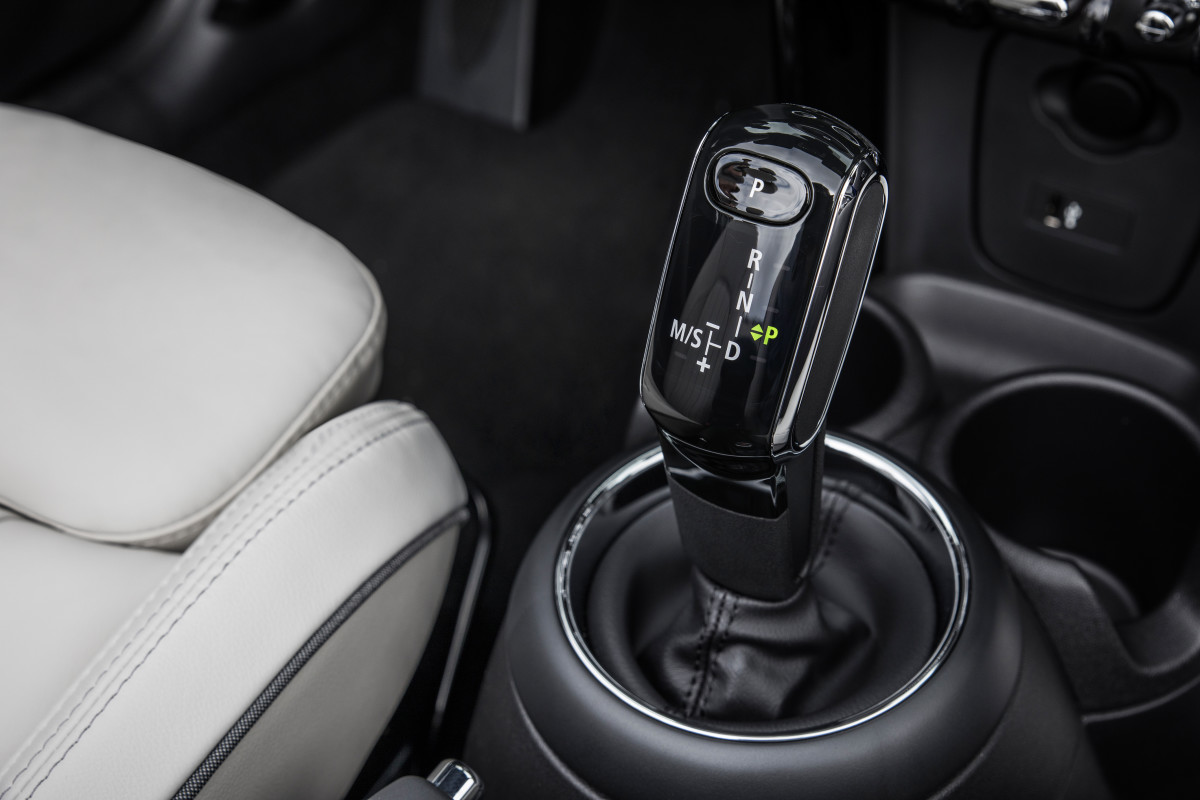
Since the 1950s, the overwhelming majority of cars sold in the U.S. have been automatics, with most of them being conventional torque-converter automatics. These rely on a fluid coupling and the power of hydrodynamics to transfer power to the wheels. The engine turns an impeller, which forces hydraulic fluid towards the blades of a turbine connected to the transmission’s input shaft, forcing it to spin. The engine’s power is hence transferred to the gearbox without a mechanical connection, and there are no friction surfaces to wear down. This makes torque converter automatics the ideal choice for harsh conditions, such as pulling heavy loads or crawling through stop-and-go traffic for extended periods.
Downsides include longer shift times and higher mechanical losses, leading to increased fuel consumption and emissions when compared with manuals. They also aren’t as involving to drive, but do offer a greater level of comfort by eliminating human error during shifting.
BMW
The High-Tech DCT
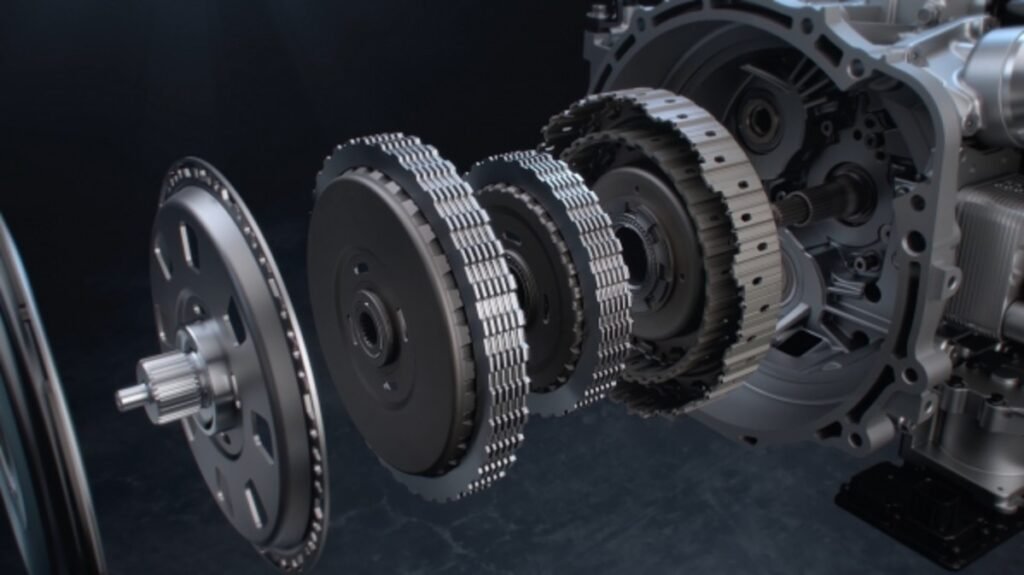
Dual clutch transmissions combine lightning-fast shifts with the comfort of an automatic, while also keeping mechanical losses to a minimum. As the name suggests, DCTs feature two separate clutches and two input shafts, with the even-numbered gears on one and the odd-numbered gears on the other. While a gear is engaged on one of the input shafts, the next gear is preselected on the other, and a control unit alternates between them by disengaging one clutch and engaging the other. The result is almost instantaneous, seamless gear shifts that offer a sportier driving experience than a torque converter, but with the ease of use of an automatic.
Of course, since this system features mechanical clutches rather than a fluid coupling, it does incorporate friction surfaces that will wear out over time. It is also more expensive to produce than a manual or torque converter transmission.
Porsche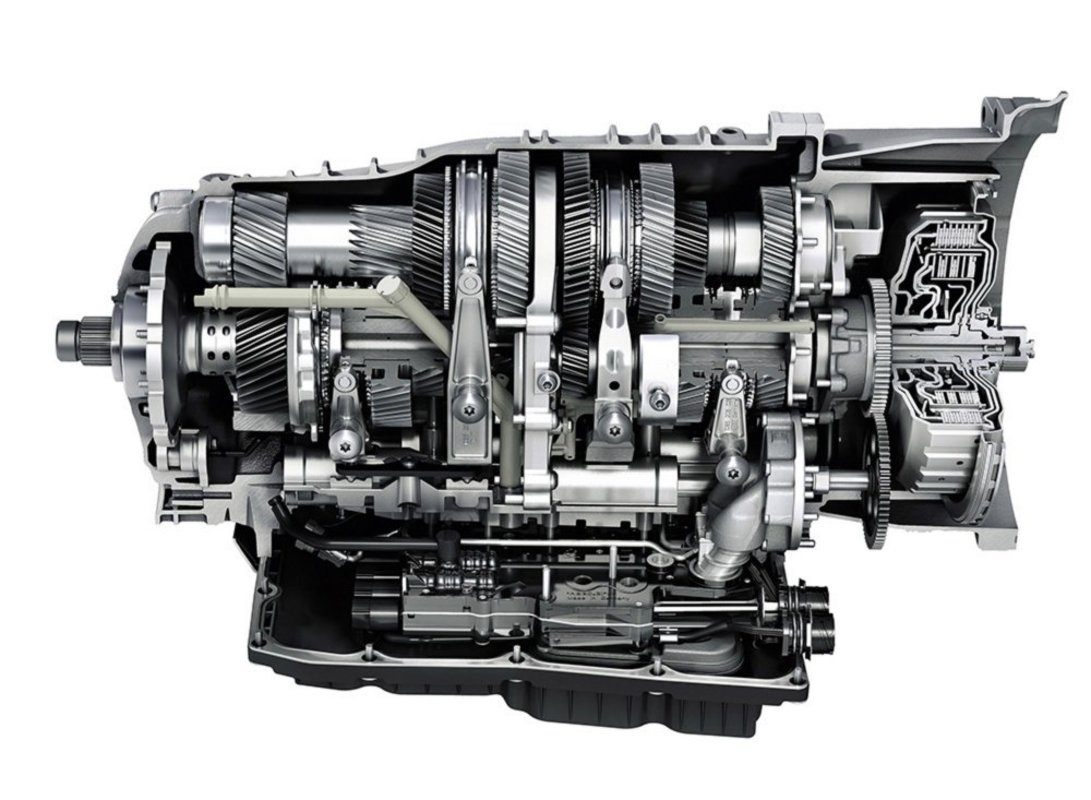
The Seamless CVT
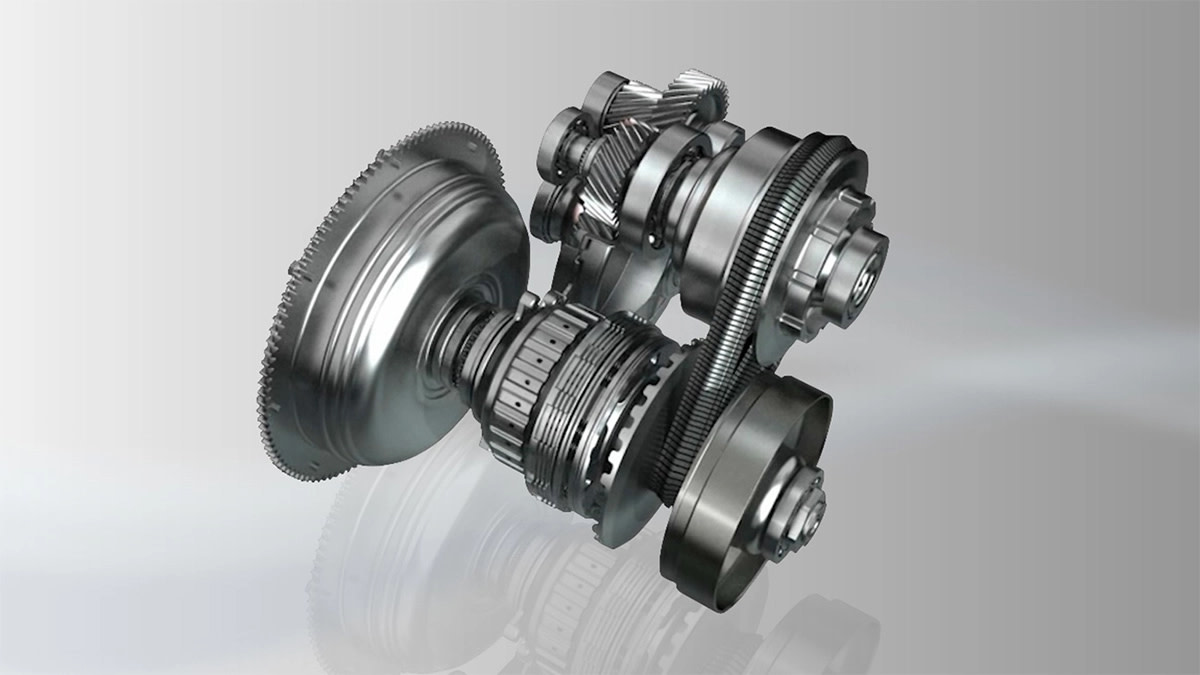
Continuously variable transmissions do away with fixed gear ratios, replacing them with a pair of variable-diameter pulleys connected by a belt or chain to provide an infinite range of ratios. This arrangement allows the engine to always operate either at its most efficient or most powerful rpm, resulting in smooth, uninterrupted acceleration as well as excellent fuel economy. CVTs are the ideal choice for commuter cars in urban settings, where efficiency, comfort, and refinement mean more than outright performance.
They can, however, feel disconnected and even somewhat unnatural, with engine speed changing independently of vehicle speed, and hence don’t usually appeal to the enthusiastic driver.
The Bottom Line
Each type of transmission represents a different compromise between involvement, comfort, efficiency, durability, and cost. Manuals offer engagement and demand skill, torque converters are great for everyday usability and stand up well to harsh usage, DCTs deliver lightning-fast shifts but are complex and expensive to build, and CVTs prioritise smoothness and fuel economy at the cost of driver enjoyment. As mentioned earlier, there is no on perfect transmission; the ideal one for you, however, is the one that best aligns with your driving and usage habits, expectations, and the road conditions you face.