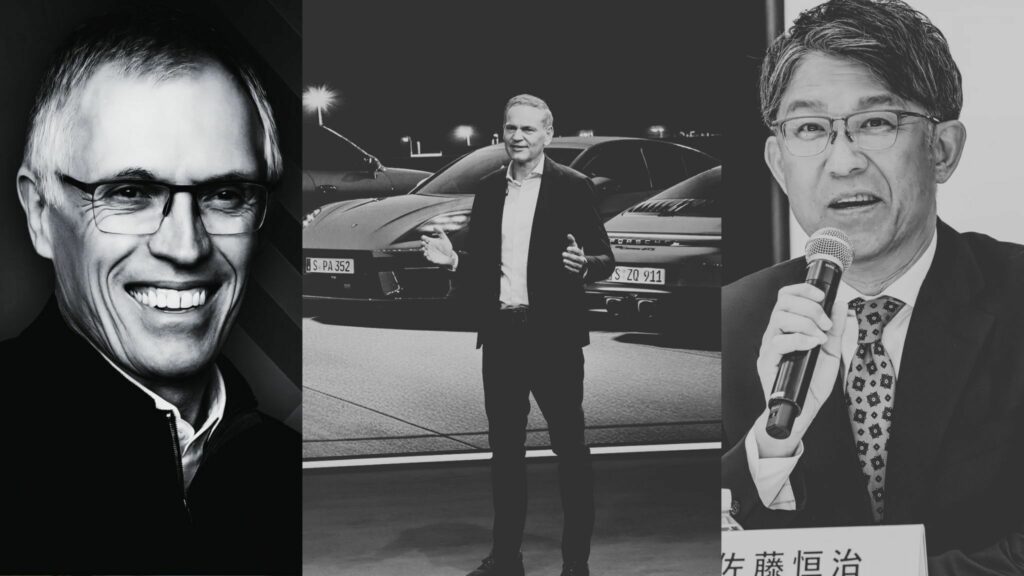
- The auto industry is seeing leadership turnover rise.
- Shorter tenures now reflect growing board pressure.
- Today’s CEOs must manage EVs, AI, and complex tech.
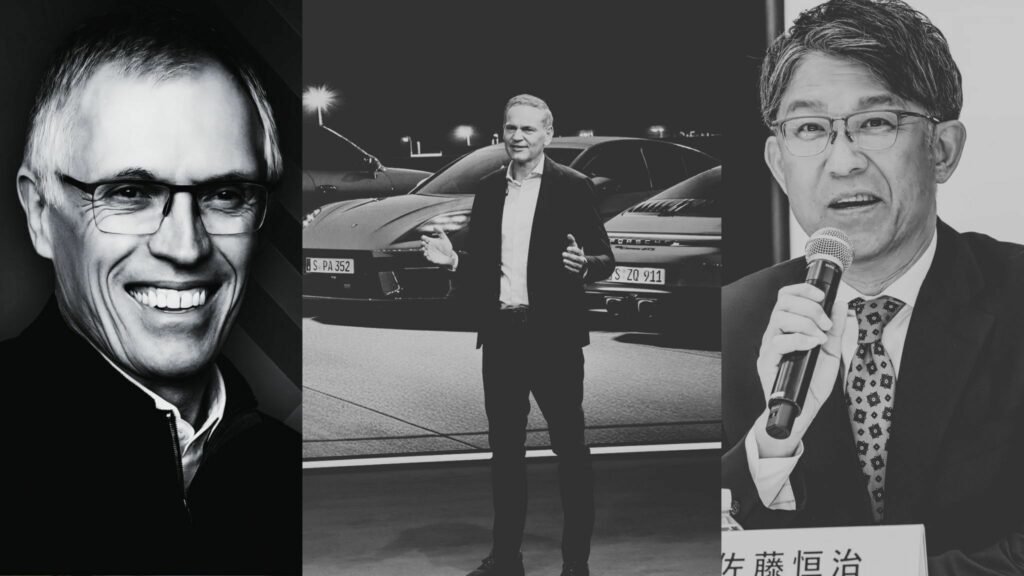
It’s a bad time to be the big boss of a global car company. At least, that is what recent events suggest. Porsche, Nissan, Stellantis, Volvo, Renault, Jaguar Land Rover, and Hyundai have all decided to reshuffle their leadership. Toyota and BMW are expected to follow later this year.
So many of the world’s largest car brands hit the reset button simultaneously, and it says a lot about the state the industry is in. Pressure from new Chinese rivals, the inevitable electric future, and buyer reluctance are just some of the challenges these legacy automakers don’t seem to be able to get right.
A Legacy No More?
For decades, the world’s automakers relied on their huge footprints, engineering depth, and long-established supply chains. Those strengths now are causing friction. EVs require fewer components, software upgrades, and AI has become a key part of safety and driver assistance.
At the same time, China’s automakers are dumping affordable tech-packed EVs on the market, and Silicon Valley continues to advance closer to autonomous driving. Traditional car companies suddenly appear slow, even when they’re not.
See Also: Toyota Just Swapped Its ‘Car Guy’ CEO For An Accountant
Analysts say that boards are looking more closely at their CEOs than ever before, as one wrong calculation could cost billions, reports AutoNews. That scrutiny is increasing everywhere. In the previous year, 168 new CEO appointments were made in the Standard & Poor’s 1500 index of small, medium and large businesses, which is the most since 2010. Tenures are getting shorter, and the leadership is younger as companies go after people who can move faster.
The Revolving Door
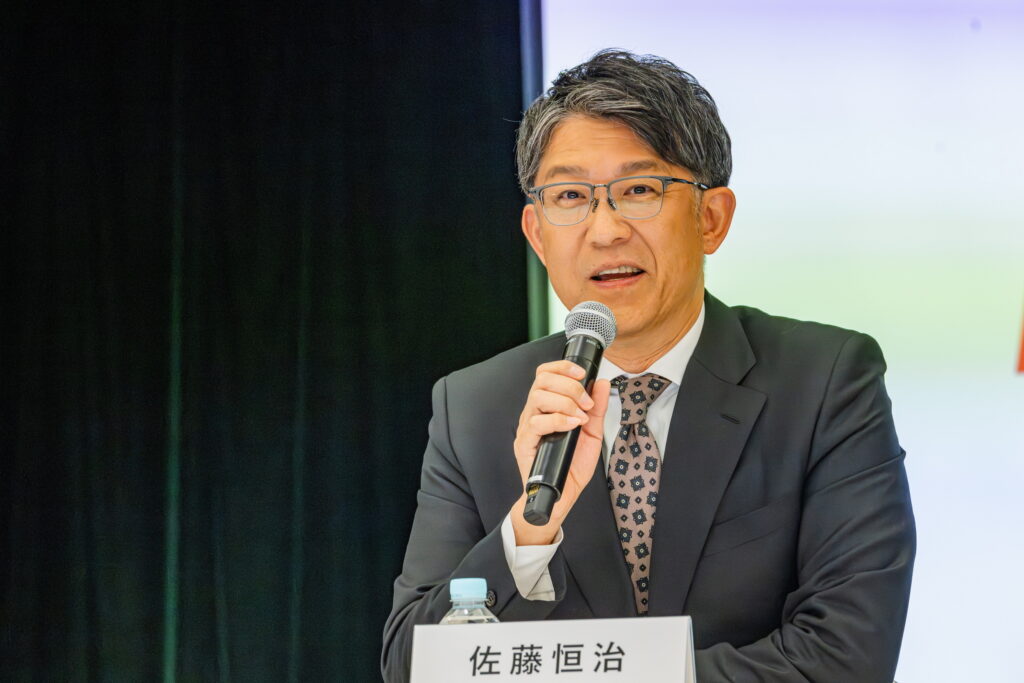
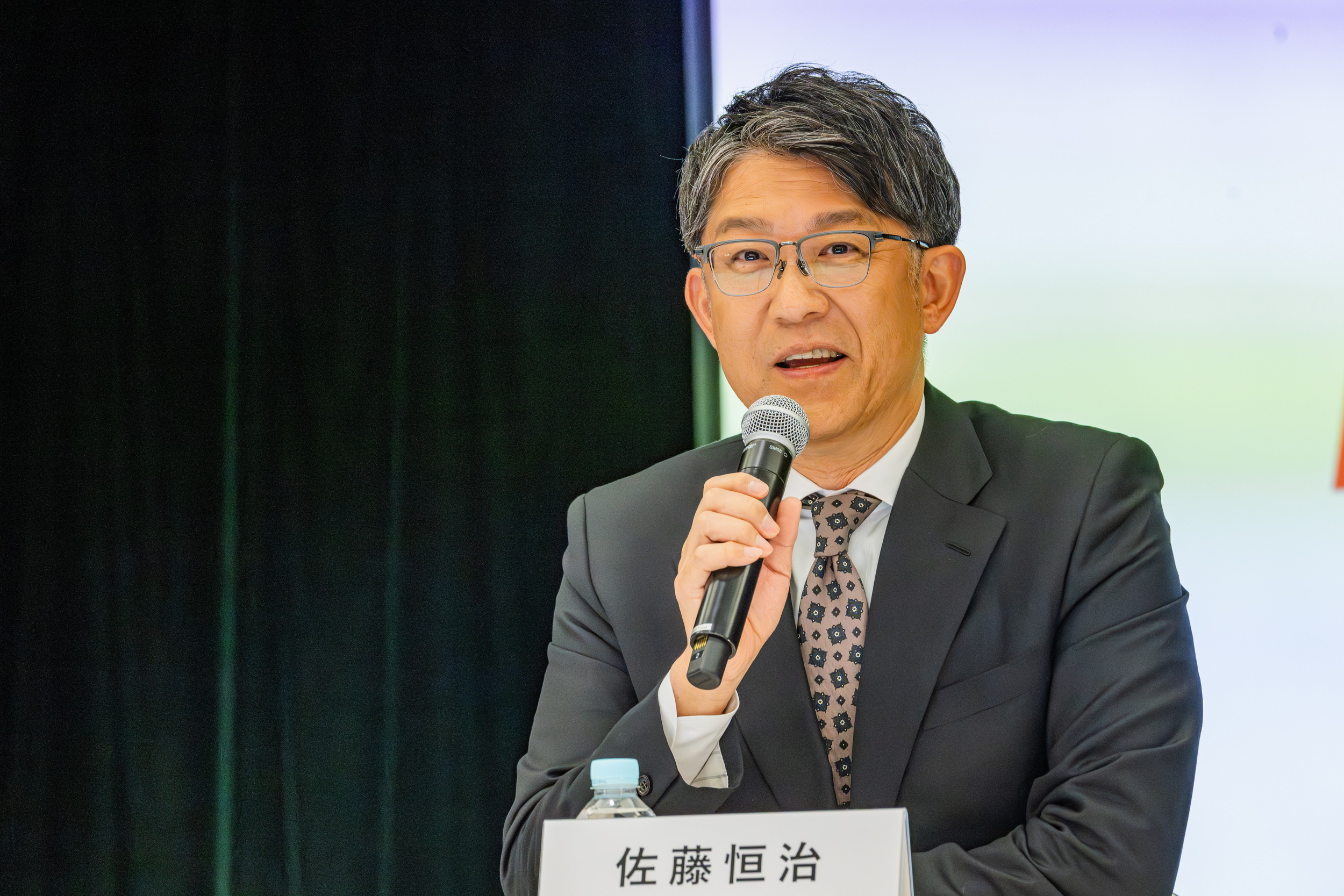
Toyota’s change of leadership is one such example. Koji Sato held the CEO position for only three years before transferring the responsibility to CFO Kenta Kon. Even with Toyota experiencing record sales and profits, the company still saw the need to adjust. Sato himself acknowledged that today’s industry speed makes old benchmarks seem outdated.
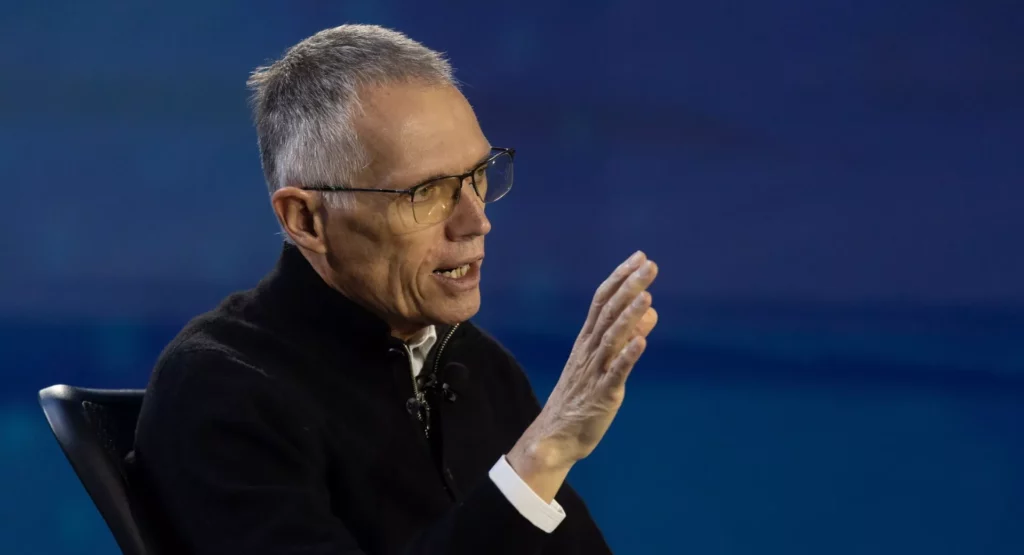
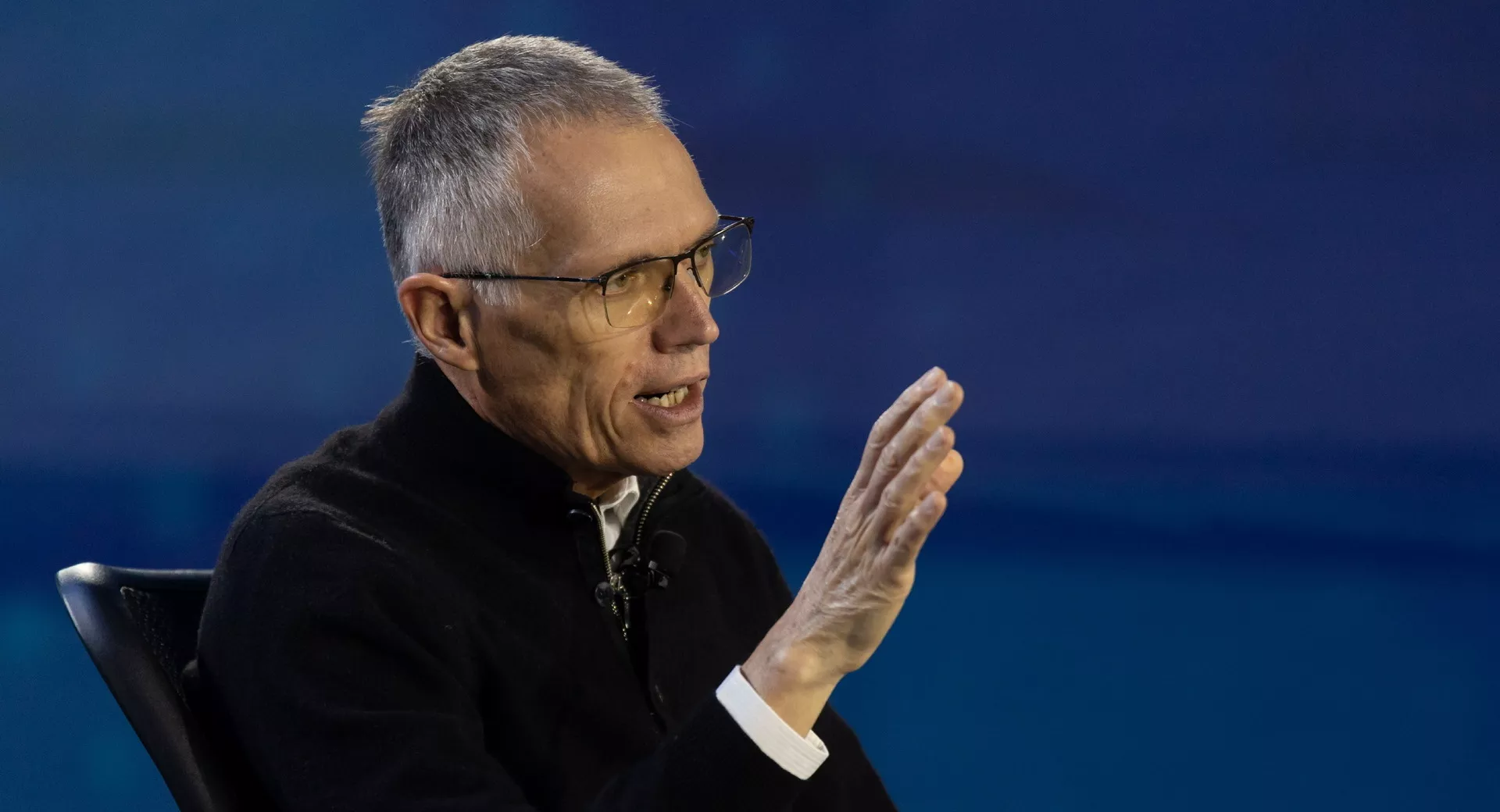
Stellantis had a change when Carlos Tavares stepped down because he did not agree with the company’s plans. Now Antonio Filosa is in charge of Stellantis, being responsible for no less than 14 brands. Antonio Filosa has to protect Stellantis in Europe from Chinese companies and has to make sure the American part of Stellantis does not get into more trouble. That’s not all for Stellantis, which saw Chrysler and Alfa Romeo CEO Chris Feuell exit early in March, leaving Dodge CEO Matt McAlea at the helm.
The New CEO Job Description
Today’s automotive CEOs are not simply running car companies. They operate tech companies, battery companies, AI labs, and robotics operations, all simultaneously. Analysts say future growth won’t come just from the sale of vehicles but from mobility services, defence technology, automation, and software platforms as well.
Renault is producing drones for the French military. Hyundai is preparing a robotics business with the goal of producing tens of thousands of units a year and is even planning to put humanoid robots in its Georgia plant.

Still, the old business cannot be ignored. Gasoline and hybrid vehicles are still producing the cash automakers need to fund their EV and software development. Companies that pushed too hard, too fast into electrification have already paid the price. GM, Ford, Honda, and Stellantis have collectively taken tens of billions in write-downs on unused EV plants and battery programs. It’s the core dilemma for the modern CEO: Invest heavily in the future without starving the present.
Can CEOs Balance Both Eras?
Younger leaders like Nissan’s Ivan Espinosa reflect the shift toward tech-native executives. Analysts argue that companies should look even further outside the auto world, into semiconductors and advanced manufacturing, for their next generation of CEOs.
See Also: Porsche’s CEO Blume Is Out And A Familiar Name Is In
Turning around a century-old automaker is slow, and even great CEOs run into structural limits. Massive workforces, intricate labor deals, and global factory networks can’t shift overnight. But boards are making it clear that staying still is even riskier.
The new wave of CEOs inherits problems no generation before them has faced. They must balance old and new, anticipate technology leaps, respond to geopolitical tensions, and compete with both China’s EV factories and Silicon Valley’s software talent.