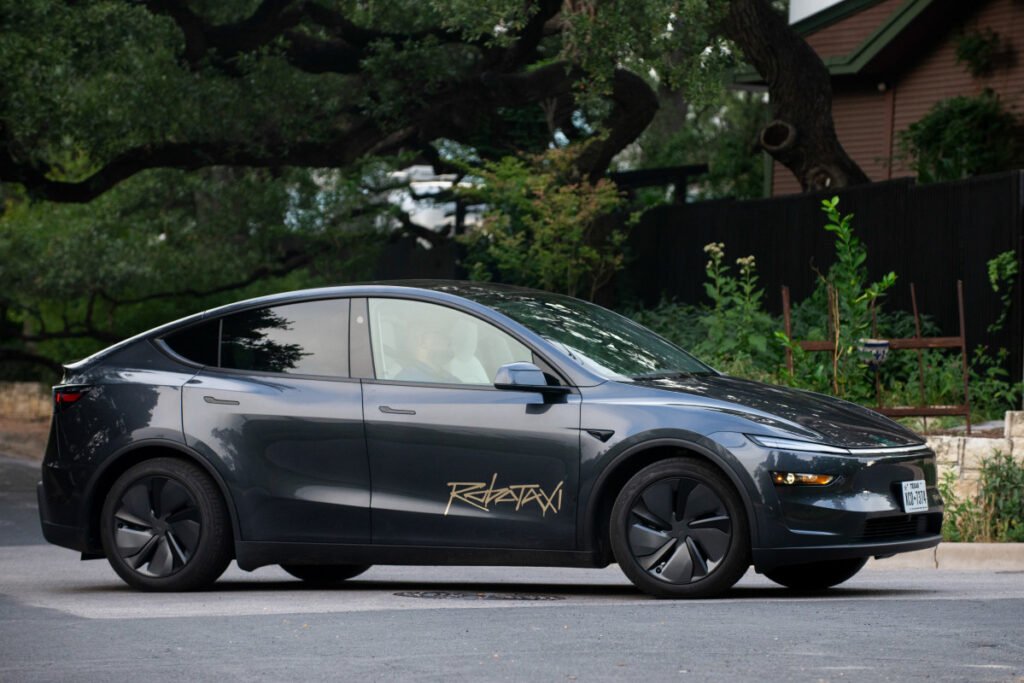
Tesla is showing its robotaxi strategy as a complete operating model rather than a single futuristic car, with the key idea being that revenue scales with paid miles and high utilization, not with how many passengers fit in each vehicle.
The argument is that most real trips are small, so Tesla can optimize its dedicated robotaxi hardware for the most common use case, then cover edge cases with other vehicles already in its lineup.
Why Tesla Thinks Passenger Count Is Not The Point
Tesla executives have pointed to trip data showing that the vast majority of vehicle miles are traveled with two or fewer occupants, which is the logic behind designing a dedicated two-seat robotaxi that is smaller, cheaper to build, and easier to keep in service.
Under this view, the winning metric is how often the car is earning, how quickly it can be cleaned and turned around, and how reliably it can operate, because those factors determine cost per mile and fleet throughput more than cabin capacity does. A two-seat design is also positioned as a way to reduce complexity and parts, which can matter at robotaxi scale where downtime is expensive.
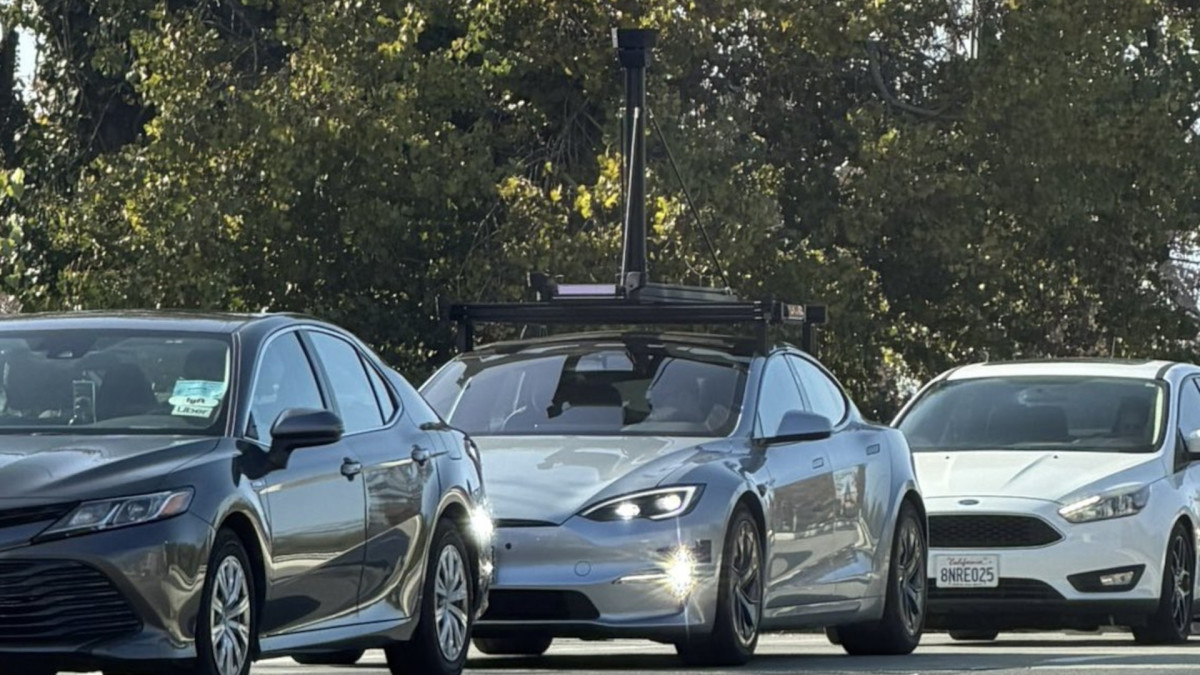
A Three Vehicle Robotaxi Stack Rather Than One Car
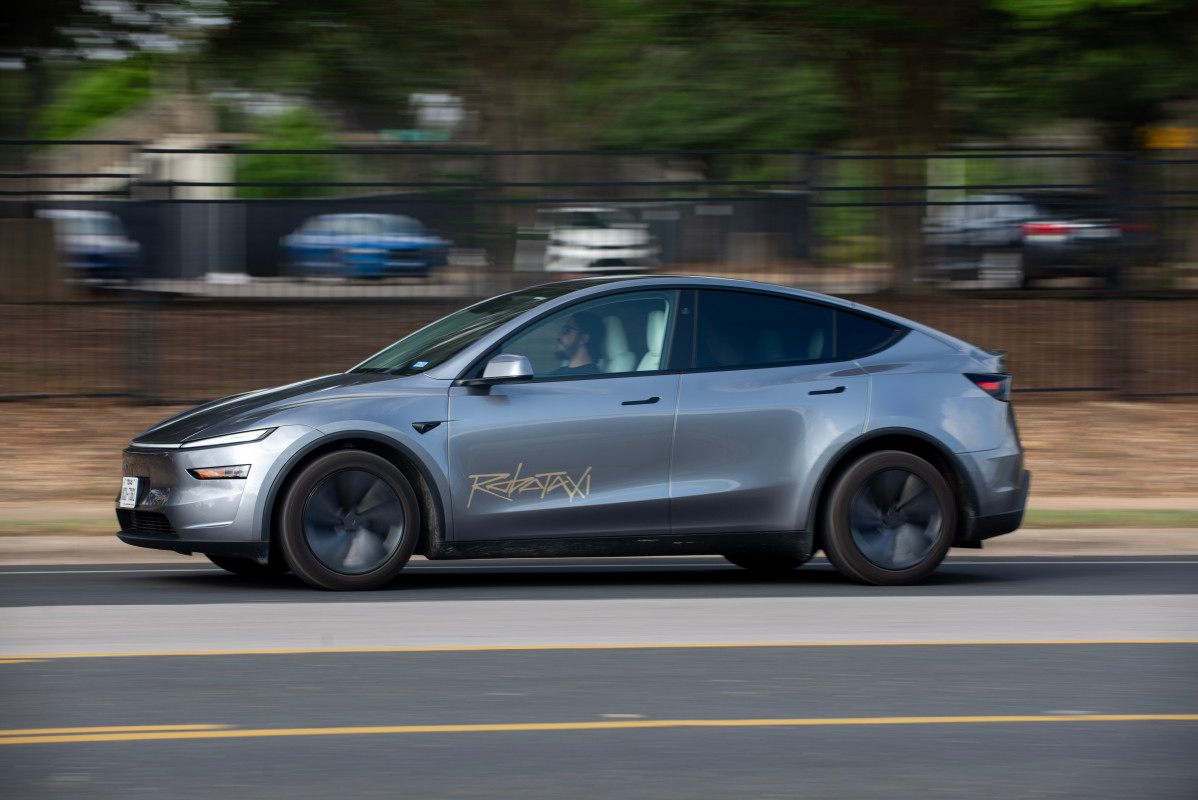
Tesla’s model is being described as a stack of vehicles that collectively cover demand, with Model Y as the flexible option for riders who need more seats, the Cybercab as the default robotaxi for everyday trips, and a higher-capacity Robovan style vehicle to handle groups and bulkier loads.
The point is not that every vehicle can do every trip, but that the fleet as a whole can match supply to the ride request without forcing the standard robotaxi to be oversized for the typical job. It also aligns with Tesla’s broader product positioning, where high-volume, simpler vehicles tend to carry the strategy.
What Has To Be True For This To Work
This model depends on autonomy actually reaching a level where vehicles can operate with minimal human involvement, because utilization is the core of the math. It also depends on Tesla keeping costs low enough that a two-seat robotaxi can profitably undercut conventional ride hailing on many routes while still maintaining margins after cleaning, maintenance, insurance, and support operations.
The company is making the case that a focused robotaxi platform plus existing vehicles is a faster path than building a single do-everything robotaxi, especially as it juggles other lineup questions. Even small changes that reduce friction for owners and operators matter in this worldview.