Honda engines have a reputation for smoothness and refinement. But these characteristics were never the goal; they are a natural byproduct of founder Soichiro Honda’s pursuit of engineering excellence. His philosophy revolved around improving and refining existing internal combustion technology to build better, more efficient motors that punched way above their size. Of course, for a motor to make big power from a relatively small displacement, it needs to spin extremely fast while still being reliable enough for real-world use. Honda engineers were hence pushed to come up with methods to minimize mechanical drag and friction, optimize heat dissipation, and machine components to exacting specifications — not for engines that ‘felt’ smooth, but to create engines with the precision and balance to spin at high speeds without shaking themselves apart.
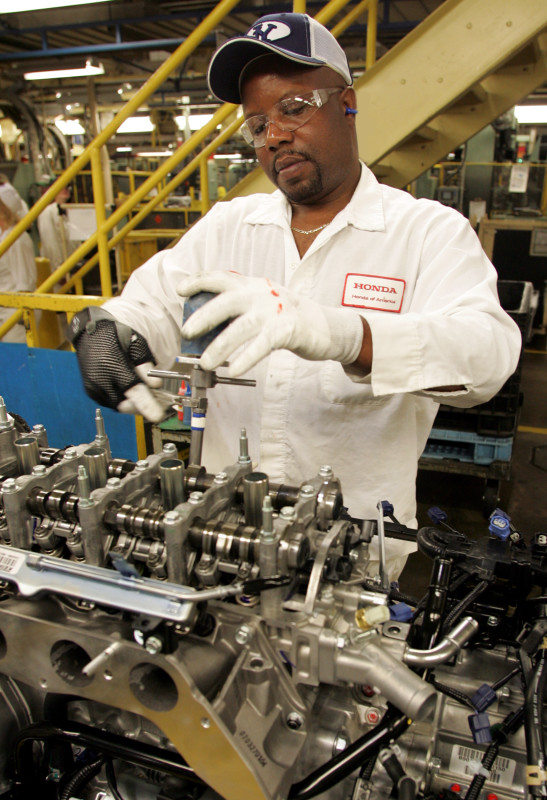
The push to create small, reliable, high-revving, power-dense engines led to various innovations in material science, metallurgy, and combustion chamber design. Honda engineers had to develop low-friction coatings for pistons, low-tension piston rings, and precise machining and surface finishing techniques to create perfectly balanced rotating and reciprocating assemblies that minimized vibrations, parasitic drag, and heat generation.
Honda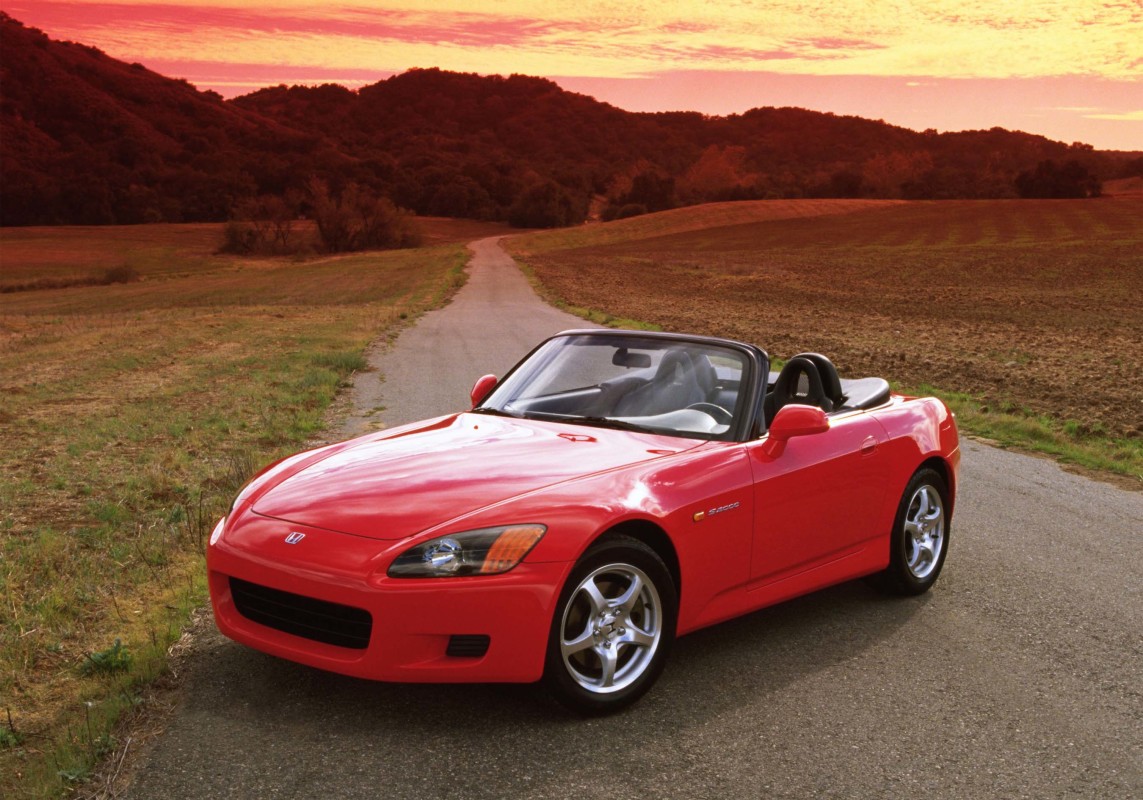
Setting New Standards
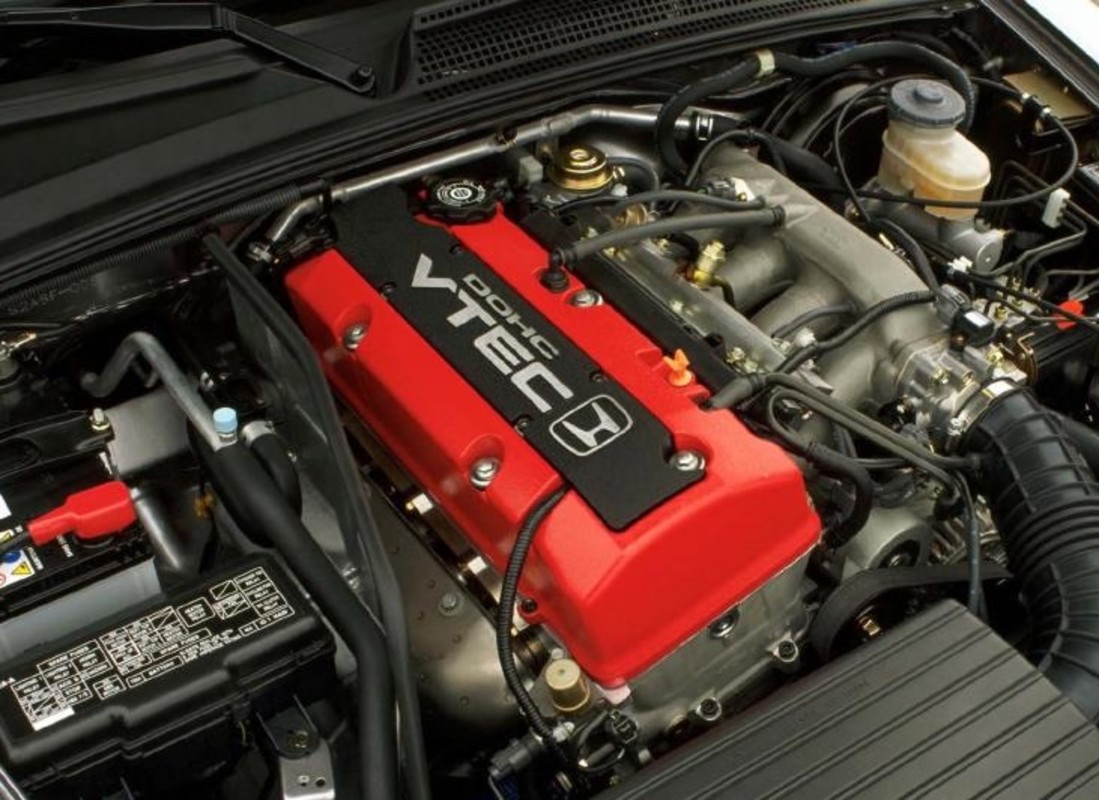
All of this expertise came together brilliantly in 1999 with the launch of the S2000 roadster, powered by what many consider to be one of the best naturally-aspirated four-cylinder engines ever built — the legendary F20C that made 247 hp from its 2.0-liter displacement. In a time when a specific output of over 100 hp/liter was boastworthy, the F20C blew the competition out of the water with its 123.5 hp/l, proving to be more power dense than the naturally-aspirated V10 and V12 motors built by Lamborghini and Ferrari at the time. In fact, the F20C held the record for the highest specific output for a naturally-aspirated road car engine all the way till 2009, when it was finally surpassed by the Ferrari 458 Italia’s 4.5-liter V8. It is, however, believed that this record wouldn’t have stood for as long had Honda’s engineers been given a free hand with their next creation.
Creating the K20A
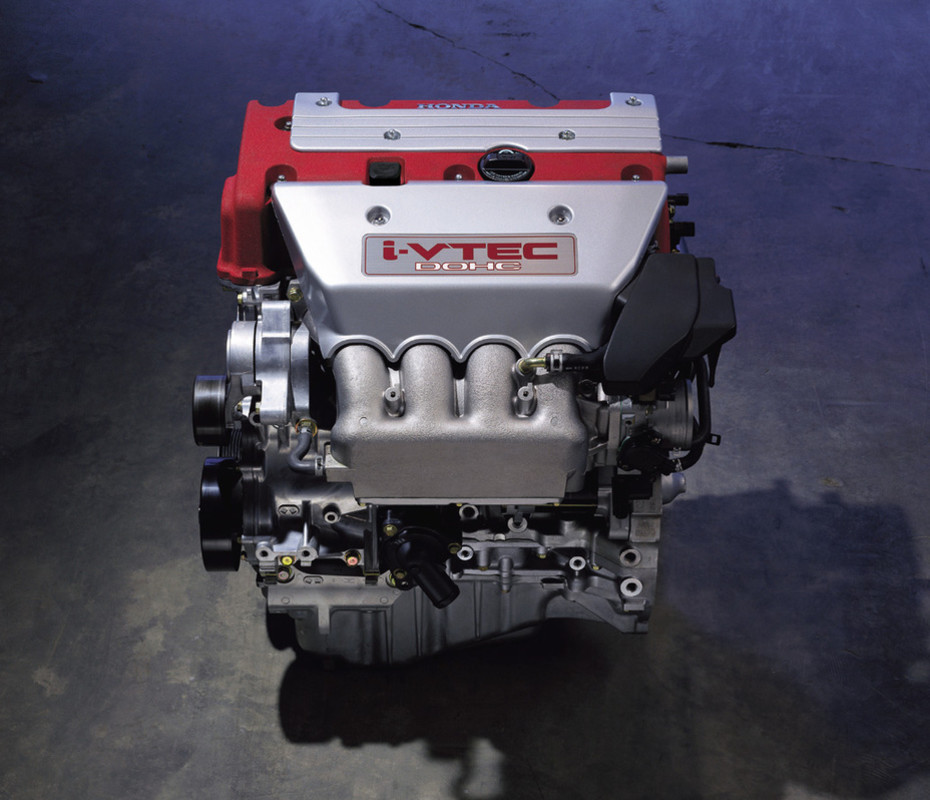
While the world celebrated and marvelled at what Honda had achieved with the F20C, the company’s engineers were directing their expertise towards developing yet another 2.0-liter, naturally-aspirated four-cylinder motor — the K20A. While the F20C was aimed at the higher end of the market and designed to be mounted longitudinally to drive the rear wheels of the flashy S2000 sportscar, the K20A was designed to be mounted transversely to power some of Honda’s more modest front-wheel-drive, mass-market offerings, replacing the ageing B series engines. Of course, product positioning didn’t matter to the engineers who, being Honda engineers, did what they do best and built an extremely robust and compact naturally-aspirated four-cylinder engine.
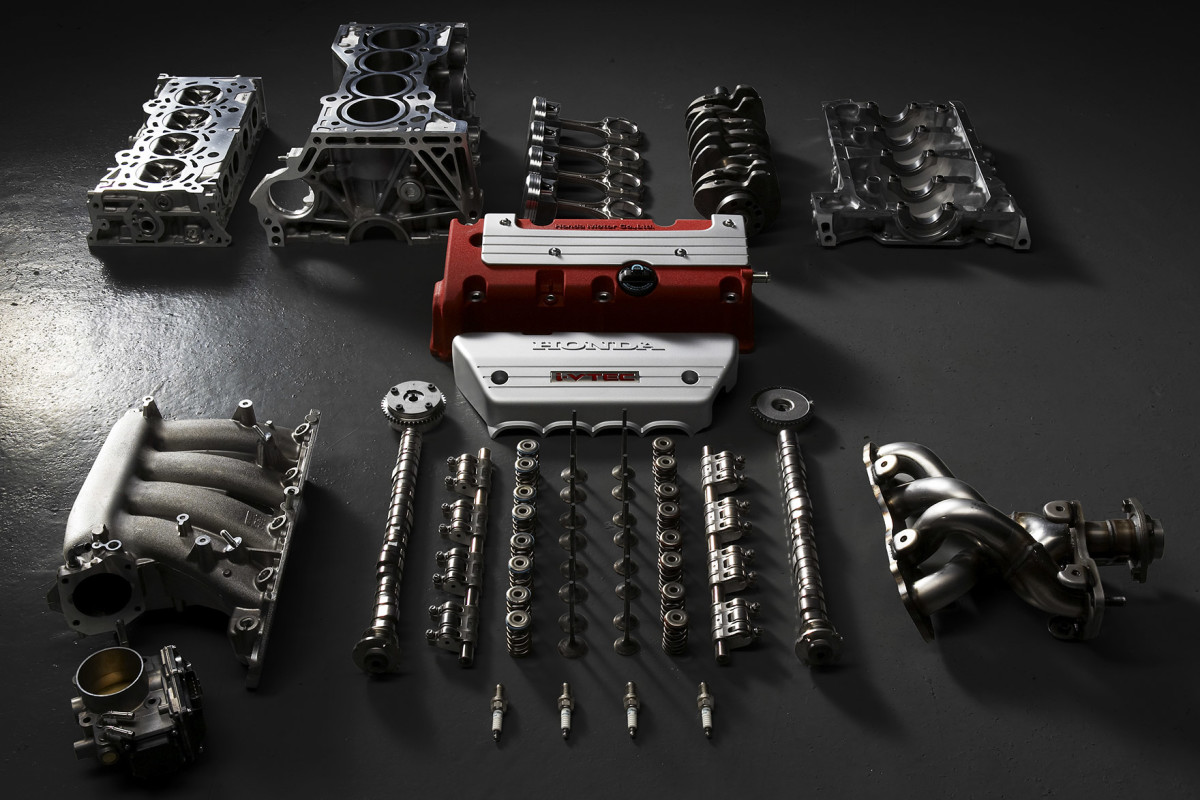
The K20A came together with a lightweight yet rigid aluminum block, cast-iron cylinder liners, a forged steel crankshaft, aluminum pistons and head, and a chain-driven, VTEC-equipped DOHC valve train. The engine was built with Honda’s usual attention to detail, and incorporated measures to keep friction and vibrations to a minimum, such as carefully-finished and smoothened bearing journals, lightweight connecting rods, precisely-machined components, and a combustion chamber designed to maximize combustion efficiency. Built to these exacting standards, and following Honda’s established philosophy of attaining a high specific output through high-rpm engineering, this extremely well-balanced engine could rev very high without breaking a sweat, and was sure to be extremely power dense. The engineers had done their job very well — too well, it would seem, if the legends surrounding the K20A prototype’s dyno tests are to be believed.
Too Much Power!
Of course, there isn’t any official information available about Honda’s in-house tests of pre-production engines, as these are usually shrouded in secrecy. However, rumors abound that the K20A prototype exceeded all expectations at its first shakedown. When the engine was bolted to a dyno to demonstrate its capabilities for Honda’s top brass, so the story goes, the results left everyone in the room speechless.
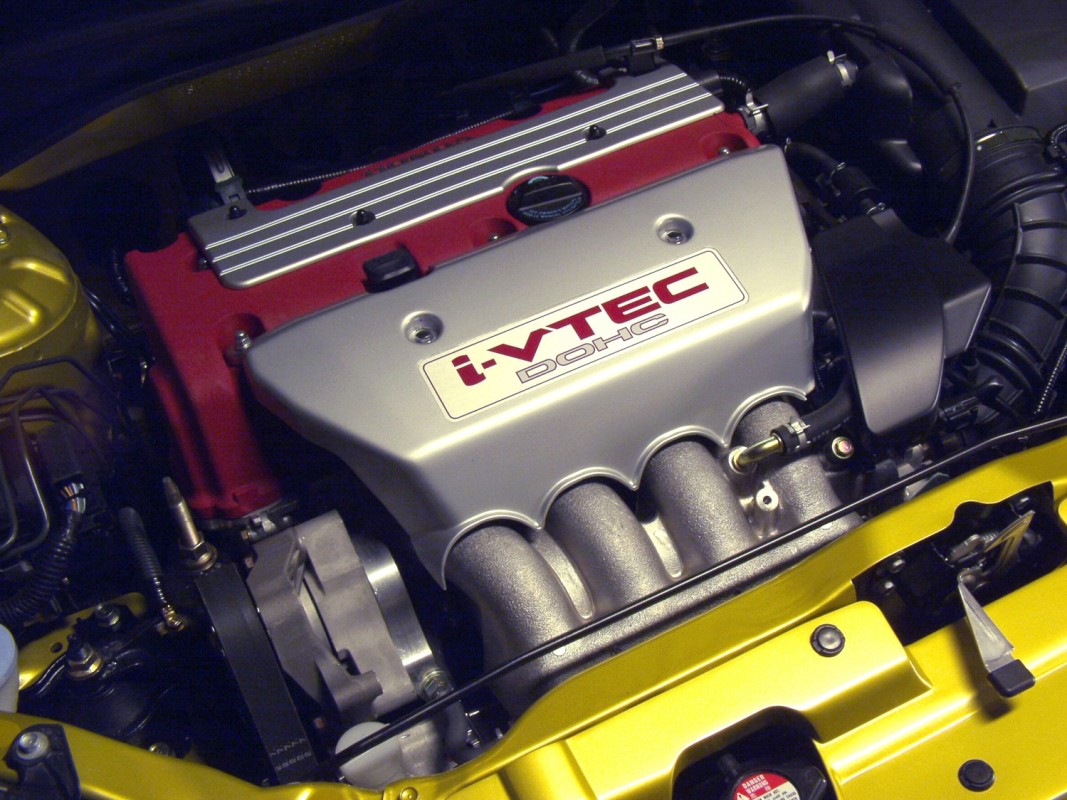
The engineers had put all their expertise into developing this engine, optimizing breathing, combustion, and volumetric efficiency, and created a motor destined for simple commuter cars that threatened to outperform their performance cars. The prototype engine is said to have revved effortlessly to 9,000 rpm, and made somewhere between 260 and 280 horsepower, for an unbelievable specific output of between 130 and 140 hp/l. That’s more than the S2000’s F20C that set the standard just two years earlier, and way more than V6 under the hood of Honda’s Acura NSX halo supercar.
Strategic Suffocation
The senior officials present immediately knew that releasing the engine as it was would severely affect the sales of their more premium, sporty offerings, while owners of these more expensive cars surely wouldn’t be happy at the thought of being shown up by a humble Civic. To save face and maintain product positioning, the decision was taken to dial the K20A motor back to more sedate power levels. It was too late into development to make any major changes to the engine’s basic architecture or internals. Instead, measures to reduce peak output included lowering the redline, remapping the ECU, and incorporating ‘strategic suffocation’ through the use of restrictive intake and exhaust plumbing, smaller than optimal throttle bodies, and milder camshafts than originally intended. Of course, Honda claims that these measures were taken in accordance with the sound and emission regulations of the time. When it finally hit production, under the hood of various small and medium-sized front-wheel-drive cars, the K20A made between 200 and 220 horsepower, depending on its state of tune.
Honda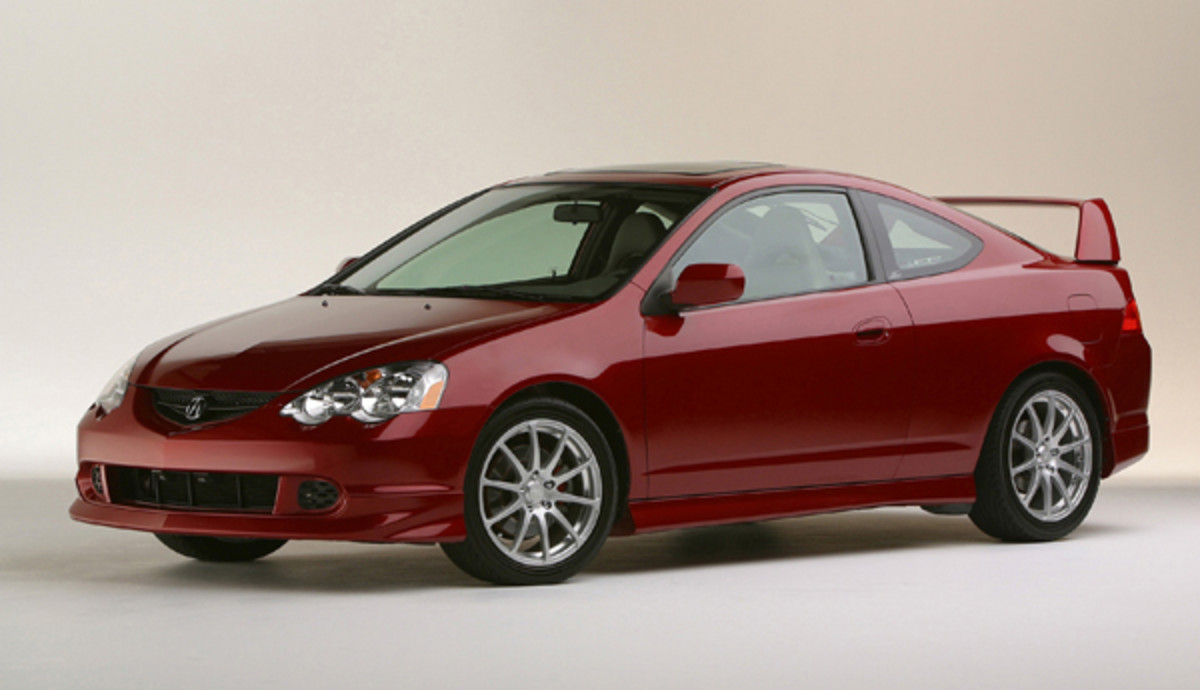
Unleashing Its Full Potential
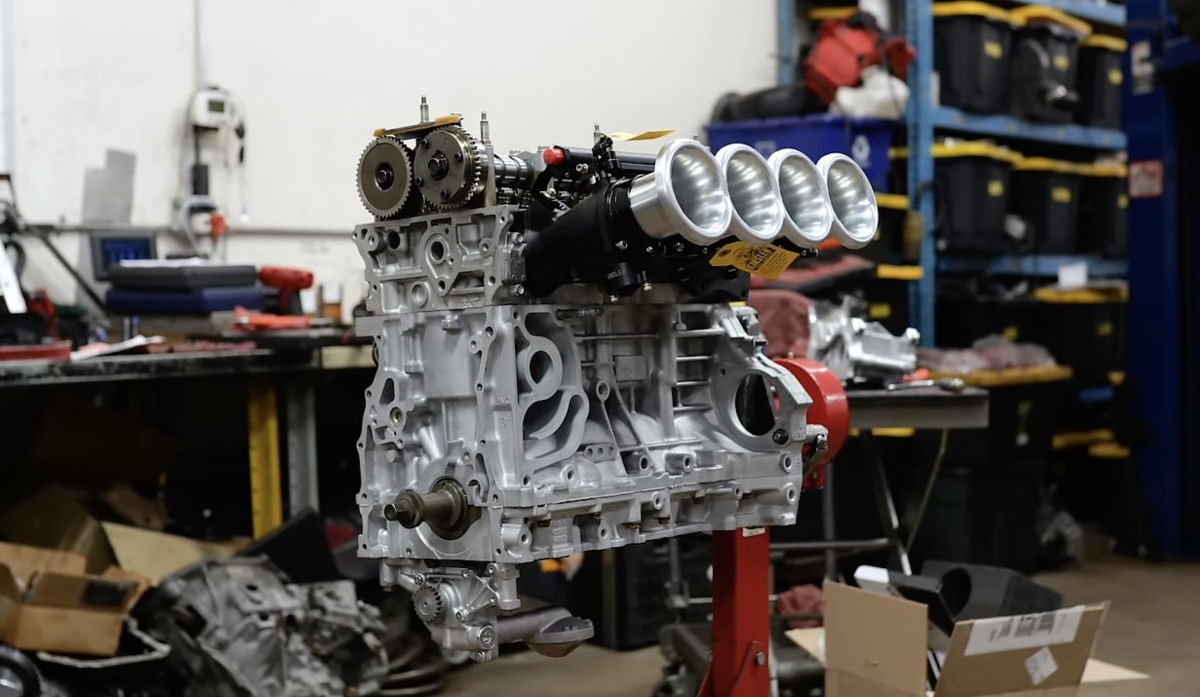
It didn’t take very long for tuners and engine builders to notice that the K20A engine was highly overbuilt and also extremely understressed, making it the perfect candidate for bolt-on mods. Simply installing freer flowing intake and exhaust plumbing and tuning the ECU to match could effortlessly net 20 to 30 extra horsepower, and there was a whole lot of power still on the table. This could be accessed by upgrading the stock 62-mm throttle bodies to more appropriate 70-mm aftermarket units, installing more aggressive cams, larger injectors, and stiffer valve springs, and machining the ports in the head for better flow. The result? A free-breathing K20A engine that effortlessly revs up to 9,000 rpm and makes 270 to 300 horsepower on the stock bottom end, all while retaining Honda’s legendary smoothness and reliability.
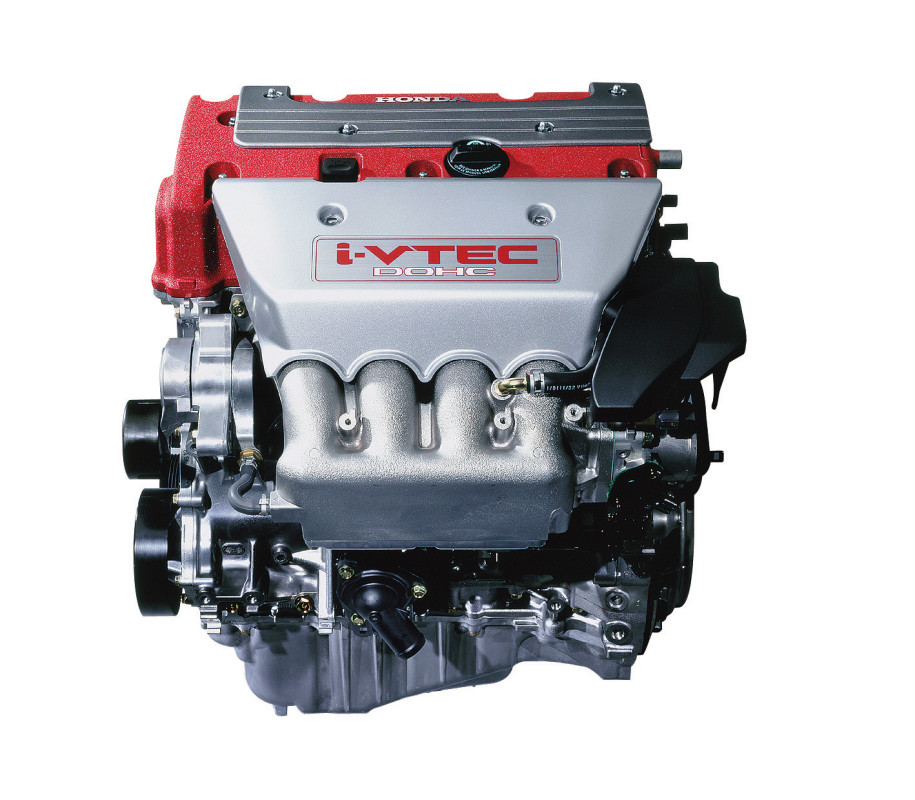
With its solid reputation and growing popularity among the tuner crowd during the mid 2000s, the K20A became an extremely popular and desirable engine swap, with a thriving aftermarket scene growing around it. The more tuners got to know it, and the further they pushed it, the more the performance headroom built into the motor became apparent. Want to add a turbo? The resilient cast aluminum block could take it, with turbo builds pushing over 500 horsepower with forged internals. Prefer a high-revving NA build? The molybdenum-coated pistons, carefully milled bearing journals, and precise tolerances could handle sustained high-rpm operation without issue. While Honda was content to let the K20A fly under the radar, it was the enthusiast and tuning culture of the time that revealed the engineering masterpiece that they had created.
K20A Legacy
Whether or not the dyno room legends are true, the K20A’s aftermarket life proved how much untapped potential was engineered into it. While this potential may have been strategically restrained by the company, it was let loose in garages and tuning shops around the world. During its time in the sun, the K20A cemented itself as one of Honda’s most popular modern engines and serves as a reminder that great engineering can outshine the most careful corporate positioning.