EVs Match or Beat ICE on Radiation Safety
Most people picture an electric vehicle as a massive battery pack on wheels, packed with high-voltage wiring and powerful electric motors. While that isn’t too far from the truth, the mental image does cause concerns about electromagnetic radiation exposure. As it turns out, those fears are less rational than one would think.
Research conducted by Germany’s ADAC automobile club showed that electric vehicles produce extremely low levels of electromagnetic radiation that remain well below international safety thresholds, and in some cases, even lower than conventional combustion vehicles. The test, while by no means exhaustive, included 11 battery electric vehicles, several plug-in hybrids, and one internal combustion vehicle.
Chevrolet
What the Numbers Actually Mean
The German study used rigorous testing methods that involved placing ten measuring probes in seat dummies and evaluating vehicles under realistic driving and charging conditions. What researchers discovered contradicts popular belief. Electric vehicles actually emitted less electromagnetic activity than the single ICE car included in the study. The electromagnetic fields that were detected appeared primarily in the footwell area near high-voltage cabling, while measurements around the head and torso remained minimal.
Tests on Chinese electric vehicles showed cabin electromagnetic radiation ranging from 0.8 to 1.0 μT in the front row and 0.3 to 0.5 μT in the rear. To put this in perspective, electric blankets commonly emit between 10 and 50 μT, making warming up under a heated blanket more radioactive than sitting inside a modern EV.
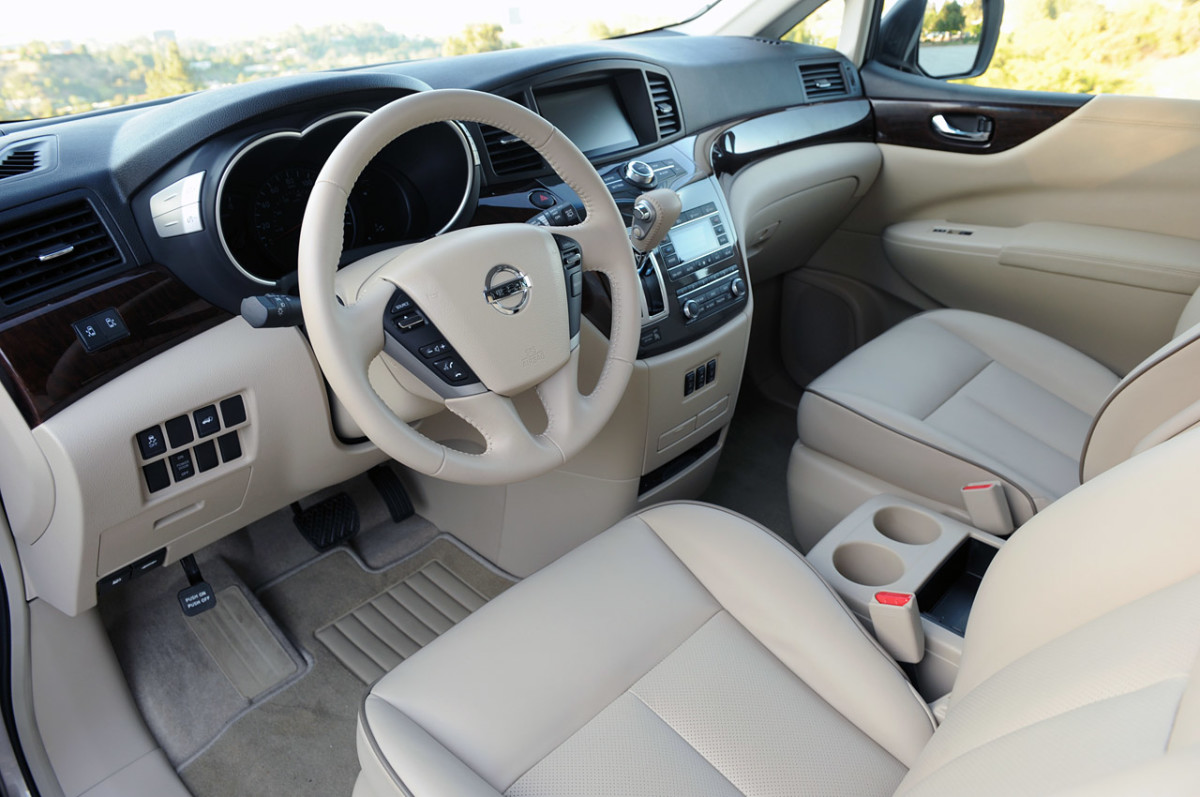
More worryingly, heated seats produced some of the strongest electromagnetic readings across EVs, hybrids, and ICE-powered cars. The study also examined whether charging increases radiation exposure. Brief spikes occurred during hard acceleration or when electrical components were used, but none approached concerning thresholds. Interestingly, DC fast charging actually generated weaker electromagnetic fields than slower AC charging, meaning sitting inside a charging EV shouldn’t be cause for concern. There was no relation between a motor’s power output and magnetic field strength either.
Why EV Buyers Can Stop Worrying About Radiation
Traditional gasoline and diesel vehicles contain their own electromagnetic field sources that many people never consider. Components like alternators and ignition systems all produce electromagnetic radiation during normal operation. Because electric vehicles eliminate many of these conventional parts, the total electromagnetic exposure inside the cabin can actually be lower.
The German Federal Office for Radiation Protection concluded that no health-relevant effects are expected based on current scientific knowledge. Anyone who already drives an electric vehicle or is considering making the switch need not worry about electromagnetic radiation exposure. Well, at least, not any more compared to common household appliances or even conventional combustion vehicles.