There is a reason why that cool car has Montana license plates
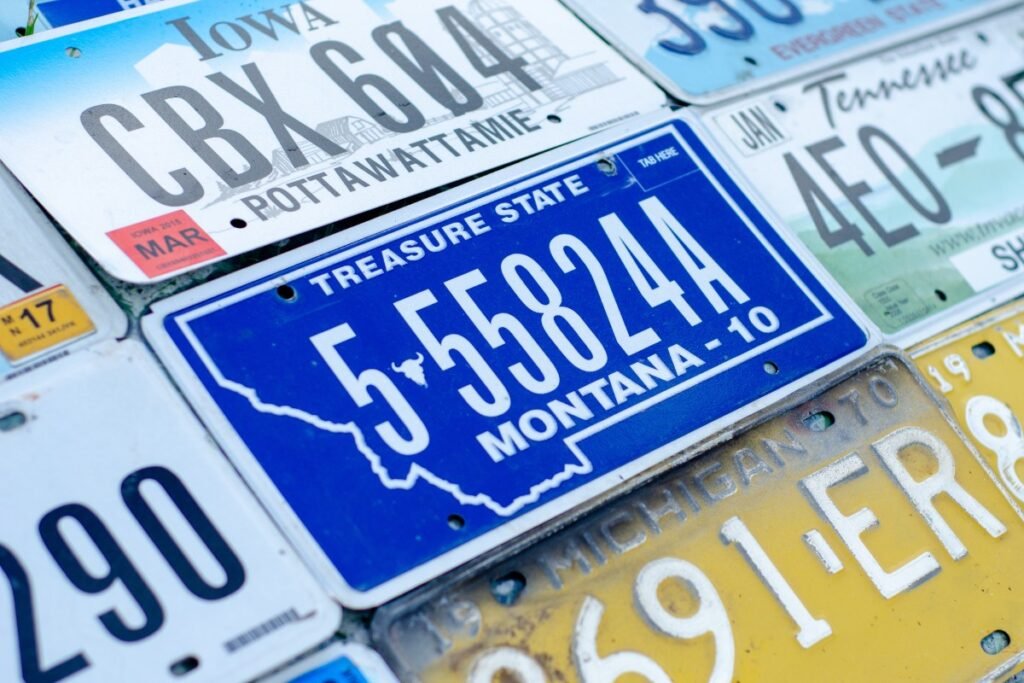
When I attended my first few collector car shows and cars and coffee events as a curious, camera-wielding car enthusiast, one of the things I first noticed besides the sheer volume of Ferraris, Porsches and Lamborghinis was that a considerable portion came with Montana plates screwed into their licence plate holders. When I made this observation known to a friend, he brought me aside and told me that there were two rules when it comes to talking to strangers about their cool cars. One was to never inquire about the age of their wives, girlfriends or partners, and the other was to never ask what the name of their Montana-registered LLC is.
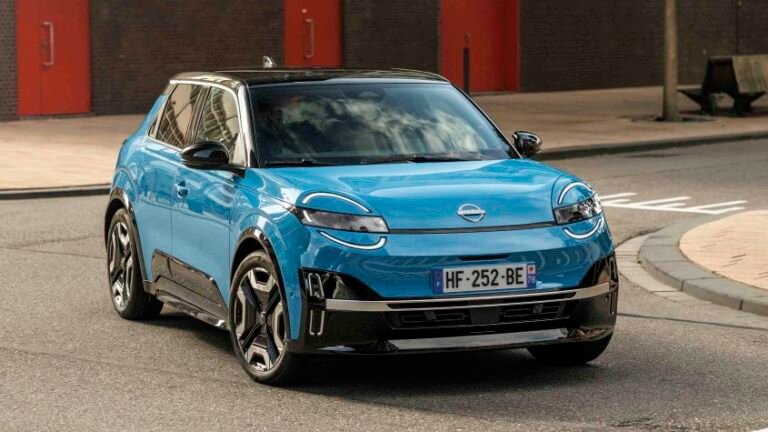
That second rule might sound strange if you don’t know much about the nuances of car culture or if you don’t go out to shows and/or cars and coffee pretty regularly. However, there is a good chance that the cool Lamborghini or the pristine vintage Porsche getting valet parked at your local high-end upscale joint has a Montana license plate. Although it may look like that the owners of these cars may be on a heck of a road trip from Billings or Bozeman, chances are that the hypothetical scenario may be the furthest from the truth.
James Ochoa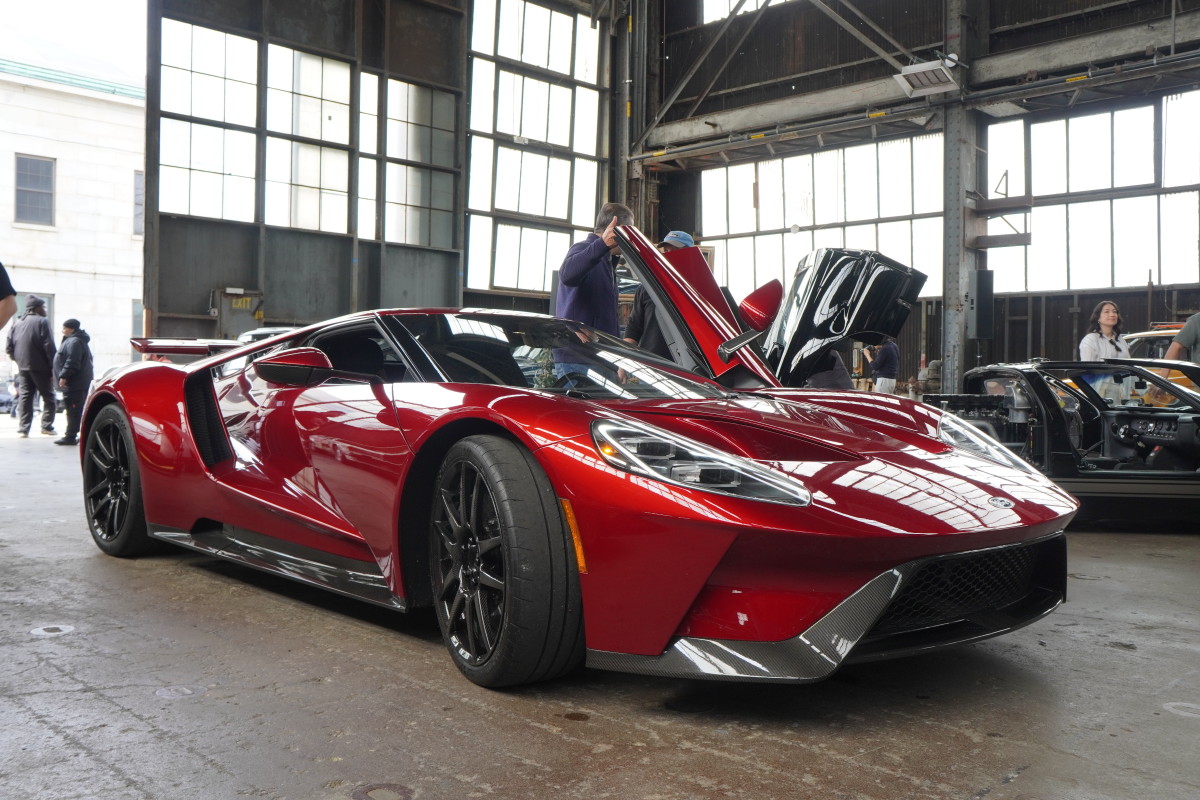
What you may be seeing is someone utilizing something called the “Montana Loophole:” a method that lets exotic and collector car enthusiasts completely sidestep sales taxes, registration fees, and emissions inspections in the state they actually live in by registering their vehicles in Big Sky Country through a Limited Liability Company based in the state. However, recent news may have spoiled it for some. On March 6, California state officials announced that it was taking action against those who took advantage, as California Attorney General Rob Bonta announced that the state charged 14 people for allegedly evading over $1.8 million in vehicle taxes, including those on a Ferrari F12tdf worth $1.26 million, a Porsche 918 Spyder worth $1.5 million and a McLaren Elva worth $1.8 million.
So why do expensive exotic and collector car owners run the risk of a serious run-in with the law? To understand the appeal, you first need to understand what car buying entails and the fees that go along with it.
Spencer Platt/Getty Images
How the “Montana Loophole” actually works
Everybody hates a surprise at the dealer, but one of the additional fees that are usually tacked onto the final purchase price of a particular vehicle are vehicle sales taxes. No matter what kind of car you buy, whether it be a $30,000 Honda or a $300,000 Lamborghini, you are responsible for your state’s sales tax if you intend to register and drive it in the state where you live.
Although these fees may be a smaller sum when applied to the $30,000 Honda, these fees could be exorbitant for those looking to purchase a $300,000 Lamborghini, McLaren or Porsche. Vehicle sales taxes vary widely from state to state. In my native New Jersey, car buyers face a 6.625% sales tax on vehicles, while the same sales tax can run up to 8.25% in Texas. However, in California, it can top 10%, which means that buyers there are on the hook for a $30,000 tax bill for a $300,000 vehicle.
But that’s just the beginning. Some states have additional taxes and registration fees on top of the sales tax. On top of the 6.625% sales tax on dealer vehicle purchases in New Jersey, the state tacks on an additional 0.4% luxury surcharge on top if your car is valued over $45,000. This means that if you plan on buying a $300,000 exotic within the Garden State, you’ll be looking at over $21,000 before you’ve even touched registration.
Sven Hoppe/picture alliance via Getty Images
Other states have their own fees. In Georgia, there is a one-time “Title Ad Valorem Tax” (TAVT) of 7% of the vehicle’s fair market value, while California also charges an annual “Vehicle License Fee” (VLF) based on the car’s value. All things considered; the registration fees, safety inspections, and emissions testing on top of that, the bureaucratic and financial toll of owning a high-end machine becomes real. However, Montana has no sales tax, no vehicle safety inspections, and no emissions testing requirements. There are no use or excise taxes either, and for vehicles 11 years or older, you can even get a permanent registration with no renewals necessary.
Normally, you’d need to be a Montana resident to title and register a vehicle there, but that is where the LLC comes in as the provider of the “loophole.” These owners would register a Limited Liability Company in Montana, purchase and register the vehicle under said LLC, and then they have a “company car” wearing Montana plates potentially saving tens of thousands of dollars in the process. The car never needs to physically touch Montana, and additionally, Montana LLCs don’t have to operate as an actual ‘business;’ you could form one solely to register a car and register multiple vehicles under the same LLC.
This phenomenon is so widespread, there’s an entire industry in Montana built to help out-of-staters navigate this process. Dozens of firms that act as “resident agents” or “registered agents” and help with the paperwork and vehicle registration for a relatively small fee. According to a 2023 report by The Missoulian, 30,000 LLCs were registered in Montana in 2021 alone. Similarly, as a result, this has created a huge imbalance between registered vehicles and registered drivers in the state. According to an analysis of Federal Highway Administration data from Bloomberg Tax, 2.3 million registered vehicles call Montana home, while it contains just 879,000 licensed drivers.
James Ochoa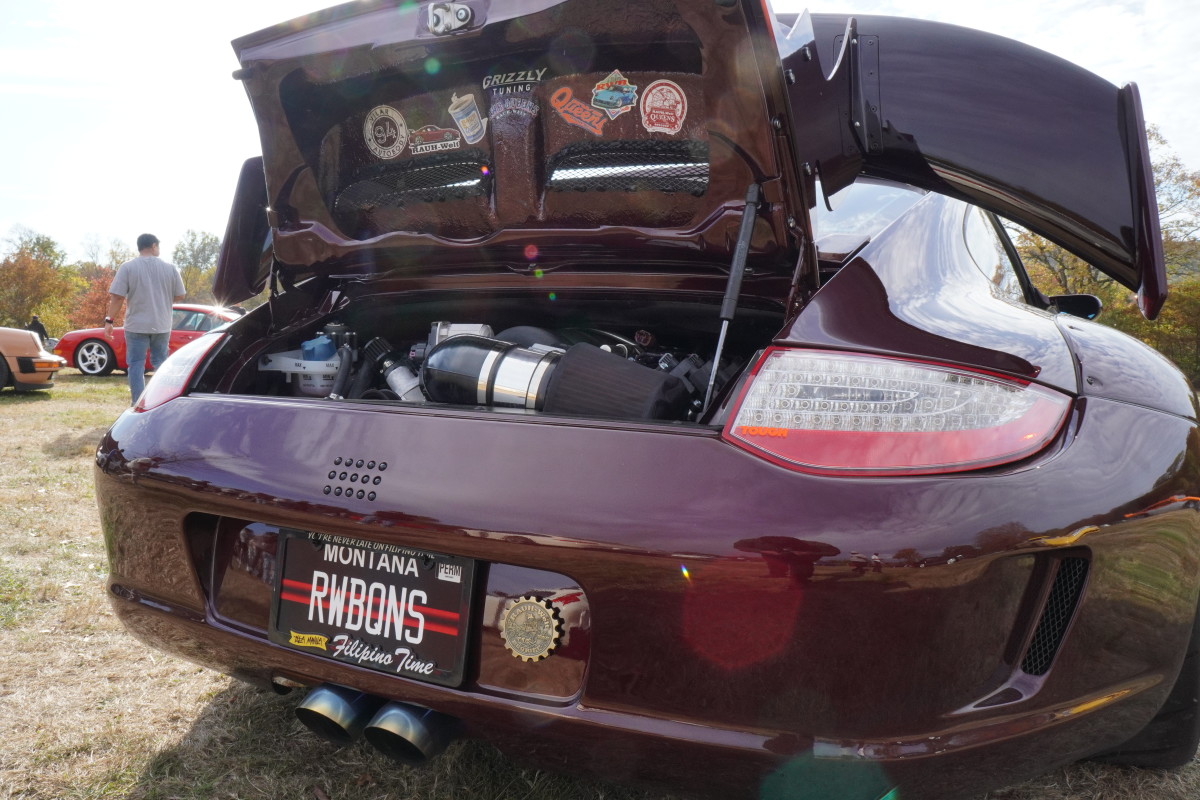
The problems and pitfalls
From a 20,000 foot high perspective, the arrangement seems like a win-win solution for Montana’s DMV. The state gets registration revenue from cars that it may never see on its roads and exotic car owners get their car registered while avoiding hefty fees. On top of that, they may even opt to get a cool, stealthy black-and-white license plate, which will be a cool feature on their posh, new cars.
However, most other states see it very differently; especially the home states of where these out-of-state registrants actually live. The fundamental legal issue is this: in most states, once a vehicle has been within its borders for a certain amount of days, it’s legally required to be registered there, meaning that you paid the appropriate taxes, fees, and all. Using a Montana LLC to dodge that is, in the eyes of your home state, tax evasion.
California has been particularly aggressive. According to California Department of Motor Vehicles (DMV) data cited by Bloomberg Tax, over 10,000 vehicles worth nearly $2 billion had been sold by California dealers to Montana LLCs since 2022; which means millions of dollars of lost revenue annually to residents registering vehicles out-of-state.
James Ochoa
In its release on March 6, the California Department of Tax and Fee Administration (CDTFA) and DMV said that in its newly-launched investigation, it will examine “all sales made to Montana purchasers, not just those involving LLCs,” stating that “close to 500 California dealers” were “involved in more than 2,500 sales since 2023” to supposed Montana customers, which cost the state “more than $10 million a year in lost tax revenue.”
“When bad actors abuse legal loopholes and submit fraudulent documents to evade their obligations, the California Department of Justice will not stand idly by,” California Attorney General Rob Bonta said in a separate statement. “Every dollar of unpaid taxes is a dollar taken from California’s roads, schools, and the vital services our communities rely on. Schemes that defraud the government of millions in taxpayer money will not be tolerated.”
But while some politicos in Montana defend this practice, the scheme has created headaches in the state, as clerks in smaller counties have been overwhelmed by floods of non-resident registrations. Ben Krakowka, the county attorney in Anaconda-Deer Lodge County; a county with less than 10,000 people, told The Missoulian that the county courthouse was overworked with out-of-state registrations, while Missoula County employs a full-time staffer just to process non-resident vehicle registrations.
Deb Cohn-Orbach/UCG/Universal Images Group via Getty Images
Is it even worth the risk?
It is not surprising as to why the Montana LLC scheme has become so popular among exotic car owners. After all, finding tax loopholes is a national pastime for the business-savvy in the United States; ask any corporate accountant why Delaware is a special place. However, the stakes are rising, as California and other states like Florida have been vigilant. In the end, the short-term financial gain is increasingly being weighed against the serious legal risks, which may include hefty fines and possible criminal charges.
The so-called Montana Loophole isn’t going away anytime soon, and for the right buyer in the right circumstances, it may still offer legitimate purchase advantages. But as enforcement ramps up and the scheme becomes ever more well-known, the days of Montana plates being a foolproof workaround are increasingly numbered. If your posh sports car has a Montana plate, as a precaution, you’d might want to keep the name of your LLC to yourself at the next car show.