Why the Used EV Market Is Rising
The used EV surge isn’t accidental; it’s the direct consequence of a massive leasing boom that started around 2022. A classification loophole in the Inflation Reduction Act allowed leased EVs to qualify for commercial tax credits, which allowed manufacturers to put their cost savings directly into very low lease rates. EV leasing soared between 2022 and mid 2025, and now those 24- to 36-month leases are maturing. Around 215,000 EVs are projected to come off lease in 2026 — a 230 percent jump from recent years, when annual returns were under 100,000. These elevated volumes are expected to continue into 2027 and 2028.
There are already signs of this surge. Used EVs saw a 21.2 percent jump in sales in January 2026 versus the previous year, gleaned from insights from Cox Automotive. Prices are dropping, and the time EVs spend on lots is on the rise. There are also aggressive price cuts on new EVs that are resetting the residual value. We’re witnessing something beyond normal depreciation here. We’re witnessing the post-subsidy normalization of an overhyped market, and what may be the most buyer-friendly used EV market yet.
Getty Images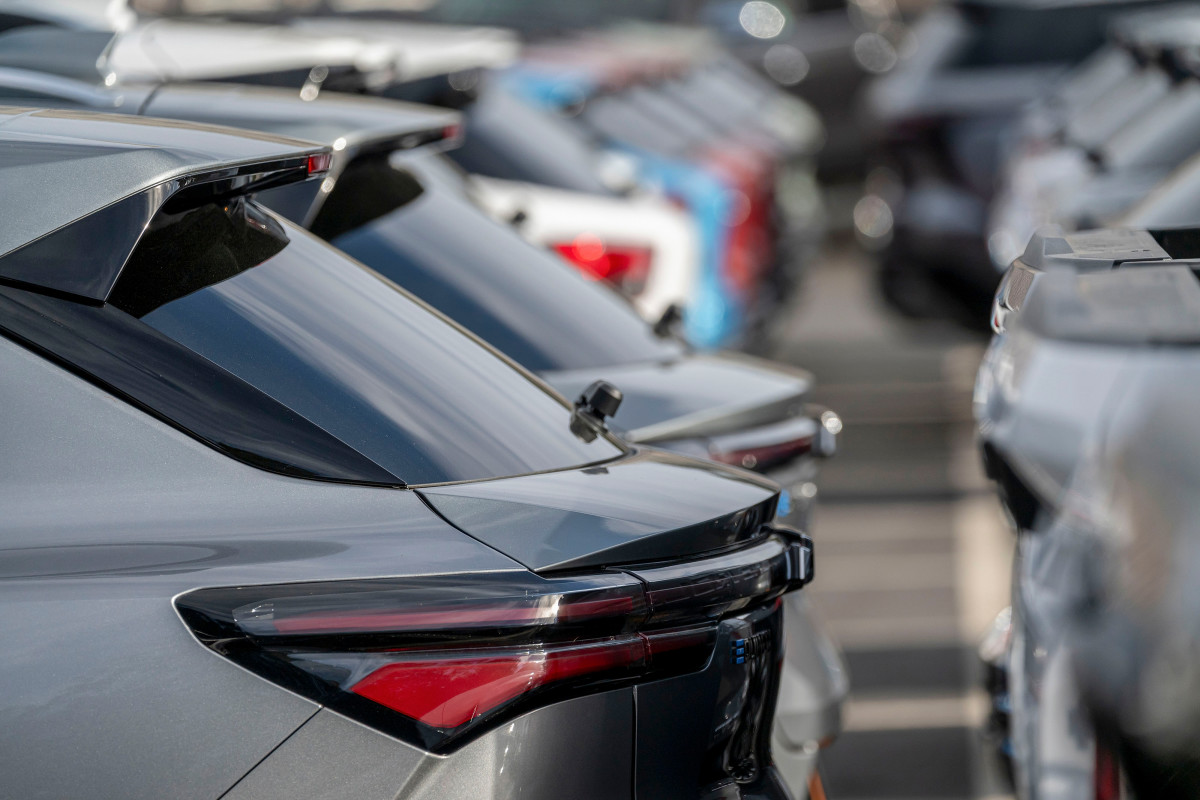
Now Is the Right Time to Buy
By the end of 2025, the average used EV price had fallen roughly 40 percent from its 2022–2023 pricing highs. More than half of used EV listings now sit under $30,000, and many are just two or three years old. For buyers willing to do basic homework, the next 12 to 24 months could represent the cheapest entry point into modern electric vehicle ownership we’ve seen — and may not see again once supply stabilizes.
Battery fears are increasingly overstated. Real-world data shows most modern EVs retain about 85–90 percent of capacity after 100,000 miles, and many still carry the federally mandated 8-year battery warranty. Charging infrastructure has also matured significantly since many of these cars were first leased.
Getty Images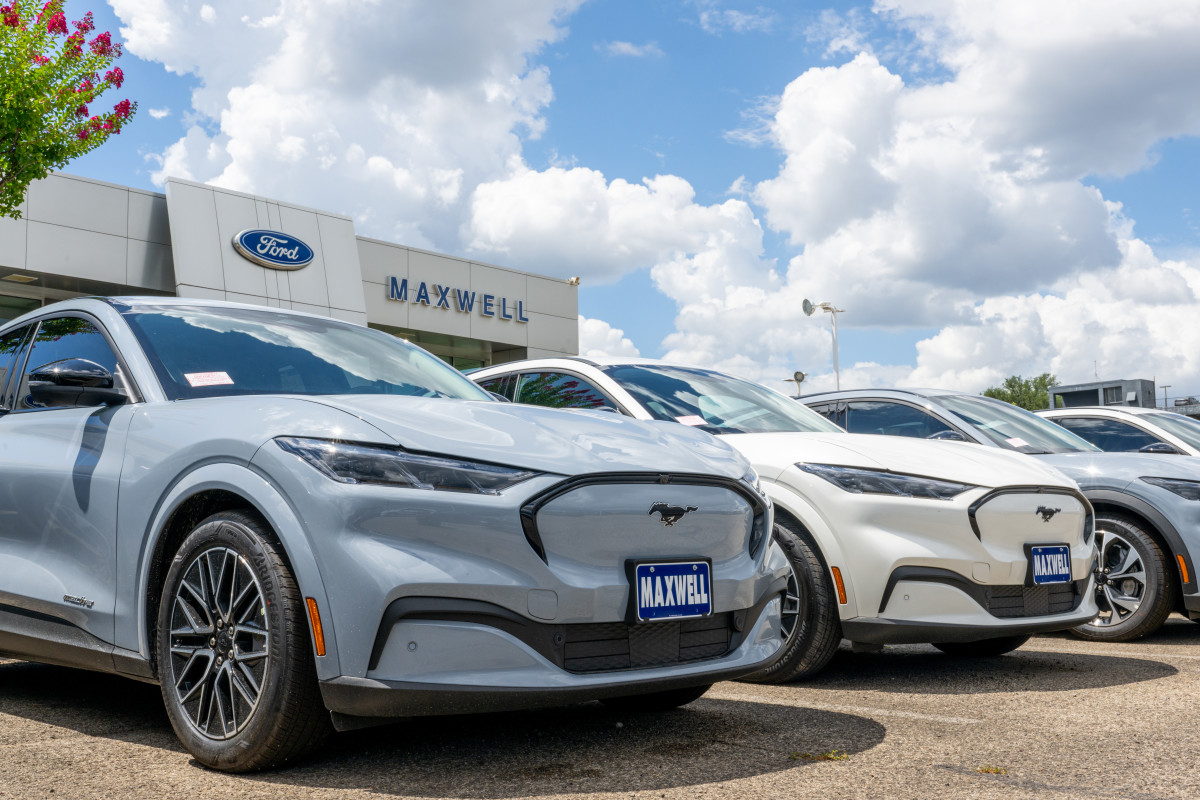
The Models Worth Considering
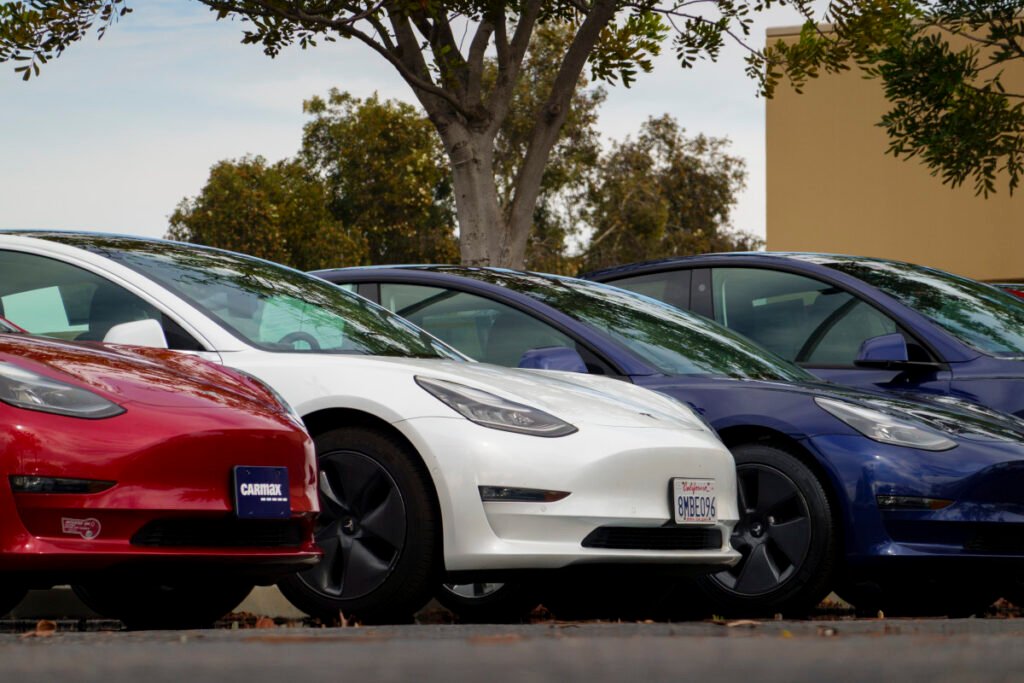
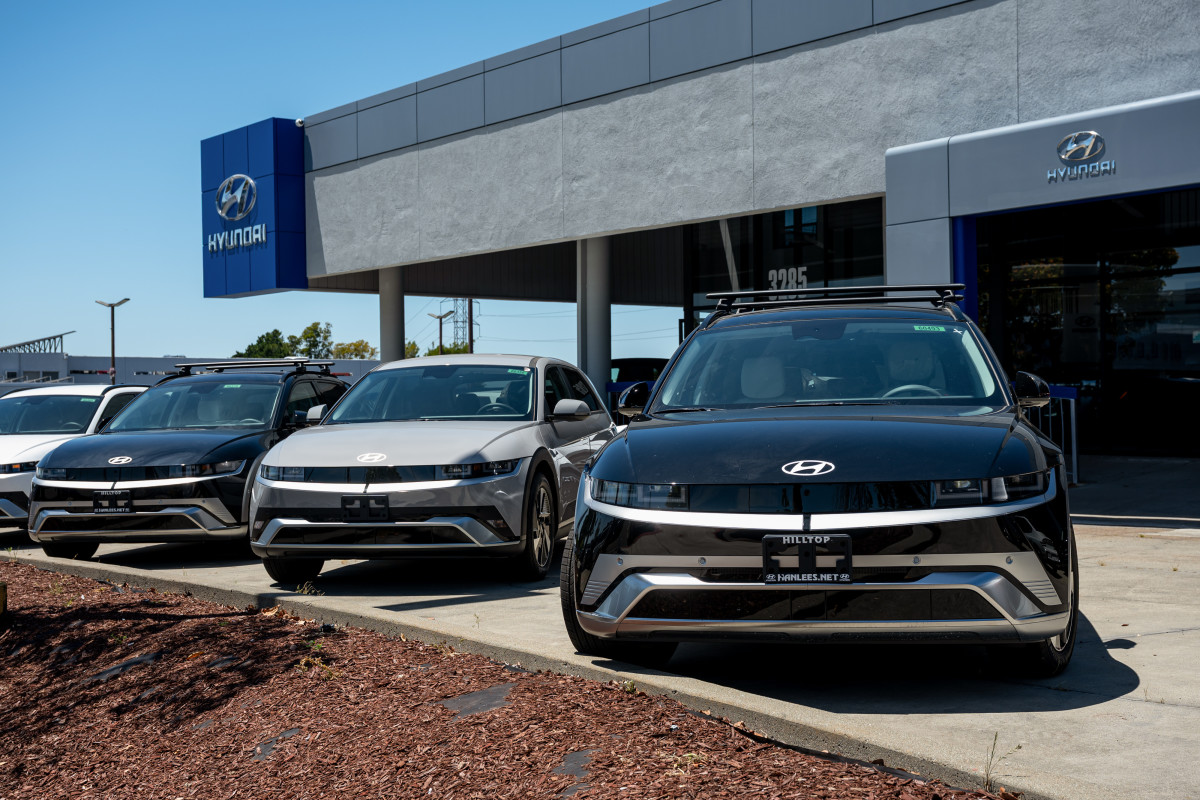
Budget buyers should look at the Chevrolet Equinox EV, often available around the $20,000 mark. Politics aside, a 2021-or-newer Tesla Model 3 balances price, range, and charging access. The BMW i3 REX is proving to be a popular used pick, offering range flexibility, but it can carry higher long-term maintenance costs due to its gasoline range extender. The Hyundai Ioniq 5 and Kia EV6 deliver ultra-fast charging, though AWD versions command a premium over RWD models.
What Buyers Should Watch For
Check early fast-charging limitations and DC charging speeds, which vary widely by model year. Confirm software update eligibility, compare insurance quotes, and research state-specific incentives that may still apply. Cold-weather range loss can be significant in older EVs without heat pumps, so climate and daily driving needs matter more than headline range figures.